What a Wisconsin winter does to exterior paint, and what to check in spring
· 6 min read · By GK Painting & Remodeling
Freeze-thaw damage happens when water gets into or behind a paint film, freezes and expands, then thaws and does it again. Each winter that widens small cracks into peeling paint and open joints. In spring, look for cracks, bubbles and peeling at board ends, joints and under roof edges, and fix whatever is letting water in before you repaint.
Madison has plenty of the conditions that cause it. Below you'll find how the damage works, where it shows up first, and why the fix usually starts with water rather than paint. We don't paint whole-house siding, so we're focused on the doors, trim and decks we do work on, but the same moisture rules apply to every exterior wall.
How freezing water damages a paint film
Paint on exterior wood is a thin shield against water. When it cracks or loses its grip, even a little, rain and snowmelt get in. Water expands as it freezes, so ice inside a crack or under a loose edge pushes the gap wider, and the next thaw lets more water in behind it.
The National Park Service's guidance on exterior paint says paint on wood has to withstand yearly extremes of both temperature and humidity, and that one of the main causes of wood deterioration is moisture penetration. Keeping that moisture out is a primary reason for painting wood in the first place.
Purdue University Extension, working with the U.S. Forest Products Laboratory, makes the same point more bluntly: the most common cause of premature paint failure on wood is moisture, whether it comes from rain and dew outside or from water vapor moving through the walls from inside the house.
Why Madison's shoulder months do the most damage
In the middle of winter, Madison stays frozen. The normal January high is 27.0°F, so water that has frozen mostly stays frozen. The cycling happens in the months on either side, according to the 1991 to 2020 normals from the Wisconsin State Climatology Office.
| Month | Normal high | Normal low | Normal snowfall |
|---|---|---|---|
| November | 44.8°F | 28.7°F | 3.0 in |
| December | 32.3°F | 18.2°F | 12.0 in |
| January | 27.0°F | 11.8°F | 13.7 in |
| February | 31.2°F | 14.9°F | 12.8 in |
| March | 43.6°F | 25.1°F | 7.0 in |
| April | 56.9°F | 35.8°F | 2.6 in |
In March the normal low of 25.1°F and normal high of 43.6°F mean a typical day starts below freezing and ends above it. November is similar. Add 51.8 inches of snow in an average year, and there's a lot of water to melt, soak in and refreeze.
Where the damage starts
Failure rarely begins in the middle of a flat, well-sealed surface. It starts where water has an easy way in or a place to sit:
- Board ends and joints. Purdue says paint normally fails around the ends and edges of boards first, and moisture blisters concentrate at joints and end grain.
- Below roof edges and valleys. Rain runoff and ice dams wet the wall underneath, so paint there often fails early.
- The weather side of the house. Paint failure is most severe on the sides that face the prevailing wind and rain.
- Flat or low surfaces where water sits, like sills, deck boards and the bottoms of doors.
- Caulk lines. The National Park Service lists deteriorated caulking in joints and seams among the moisture entry points to fix before repainting.
Ice dams and the wall below
Purdue describes how an ice dam forms. Snow on the warmer upper part of a roof melts and runs down, then freezes again at the unheated overhang. With repeated thawing and freezing, more water moves to the edge and the dam builds. When spring warms the roof, melted snow collects behind the dam and can find its way into the exterior walls.
The result can be peeling paint and staining on the wall under that roof edge. Purdue says adequate attic insulation and ventilation can reduce or eliminate ice dams. That is a job for a roofer or insulation contractor, not a painter, but it's worth knowing if you see the same stain in the same place every spring.
Moisture from inside the house
Cooking, dishwashing, dryers, bathing and breathing all put water vapor in the air. Purdue estimates that an average family of four can add about three gallons of water a day to the indoor humidity. In cold weather that vapor can pass into the walls and condense, and in very cold weather it forms frost that melts as the weather warms.
The water soaks into the outer boards and wets the paint from behind, which Purdue calls a common cause of blistering and peeling. It is most noticeable on walls near bathrooms, laundry rooms and kitchens. The fixes are simple ones: vent kitchen and bath fans and clothes dryers to the outdoors, and be careful with humidifiers, which add a lot of moisture.
What to look for in spring
Walk the outside of the house once the snow is gone and the wood has dried a bit. Take photos so you can compare them with last fall. These are the signs that winter did some work:
- Cracks in the paint along the grain or around joints.
- Bubbles or blisters. Purdue says moisture blisters tend to show up after spring rains and through summer, concentrated at joints and end grain.
- Paint peeling back to bare wood, usually starting at edges and ends.
- Gaps, cracks or crumbling in caulk around windows, doors and trim.
- Dark streaks or stained boards under roof edges and gutters.
- Wood that feels soft when you press a screwdriver tip into it, which means rot, not just worn paint.
Our spring painting checklist puts these in the order we'd work through them.
Fix the water first, then repaint
The National Park Service puts it plainly: there is no sense in repainting before dealing with the moisture problem, because new paint will simply fail. Its list of things to correct first includes faulty flashing, leaking gutters, defective roof shingles, cracks and holes in trim, deteriorated caulking, and shrubs growing too close to painted wood. After that, the wood has to dry out thoroughly.
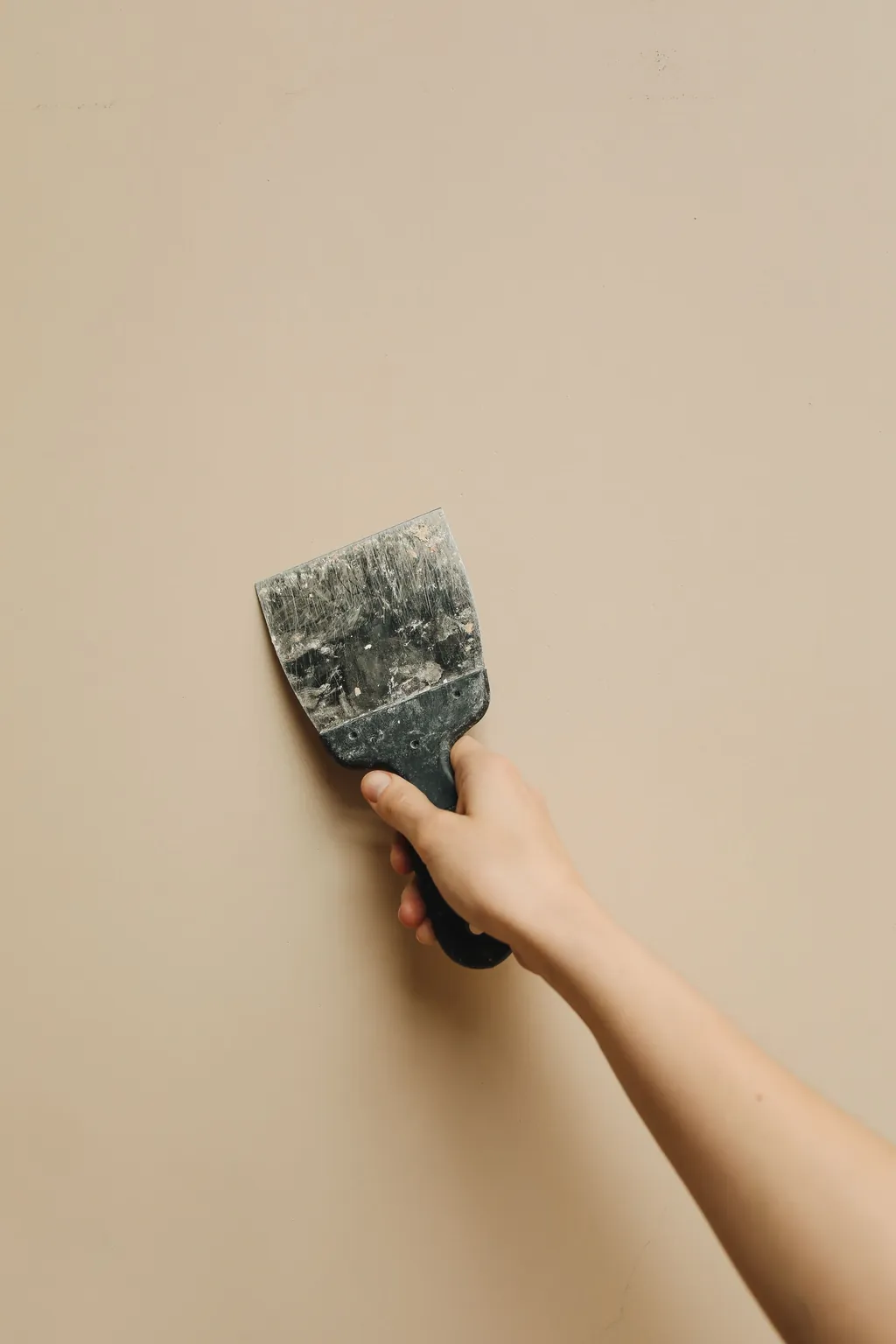
Once the source is fixed, the painting steps follow the order we use on any exterior job: clean the surface, sand it (loose paint is scraped away first so the edges are smooth), repair what needs it, and prime bare wood. Purdue adds that large cracks and openings should be caulked after the wood has been treated and primed. Then comes the paint or stain, cleanup, and a walkthrough before we call it done.
Roof, gutter and flashing repairs belong to other trades. If rotted wood turns up, it needs replacing before anyone paints. For peeling on a smaller scale, our guide to fixing peeling paint walks through the DIY steps.
Decks, doors and trim take the worst of it
The surfaces we're most often asked to refinish are the ones that sit in the weather. Deck boards are horizontal and hold water. Door bottoms and sills sit low, where snow piles up. Trim has plenty of joints and end grain. Our post on winter deck care covers what to do before the snow arrives, and our guide to painting a garage door covers a surface that gets full exposure.
We handle deck staining and refinishing, entryways, exterior doors, garage doors and trim, and we schedule that work around dry weather. When you're ready, ask for a free estimate and George will talk through what you're seeing. We serve homes across Madison and Dane County, including Madison itself. Our post on Madison's outdoor painting season explains the weather limits for each season, and the decks and exterior painting page shows the full list of what we do outside.
Common questions
What does freeze-thaw damage look like on paint?
Usually cracking, bubbling or peeling that starts at edges, board ends, joints and caulk lines, and on surfaces where water sits. It often shows up after spring rains, when moisture that got in over winter works its way out.
Can I just paint over peeling paint?
No. New paint over loose paint will peel along with it, and if moisture is the cause, it will fail again. Scrape away the loose paint, sand the edges smooth, find and fix the water source, let the wood dry, then prime and paint.
Do ice dams damage exterior paint?
They can. Purdue Extension says water backed up behind an ice dam can work into the exterior walls and cause peeling and staining below the roof edge. Insulation and attic ventilation help prevent ice dams.
Can a bathroom cause peeling paint on the outside of my house?
Yes, according to Purdue. Water vapor from showers, cooking and laundry can move into the walls in cold weather and condense, then soak the boards from behind. The paint blisters and peels, especially near bathrooms, kitchens and laundry rooms.
How soon in spring can exterior painting start?
When the wood has dried out and the weather is steady. The median date of Madison's last freeze is May 2, though it varies from year to year. Our post on the outdoor painting season covers the temperature limits that paint makers set.
Sources
- Paint Failure Problems and Their Cure (NCR-133), Purdue University Cooperative Extension Service
- Preservation Brief 10: Exterior Paint Problems on Historic Woodwork, National Park Service
- Madison Climate Data (1991 to 2020 climate normals), Wisconsin State Climatology Office, University of Wisconsin-Madison
- When is the last frost?, The Weather Guys, University of Wisconsin-Madison
More on decks and exterior and every madison living post.