How to paint a garage door so the finish lasts
· 6 min read · By GK Painting & Remodeling
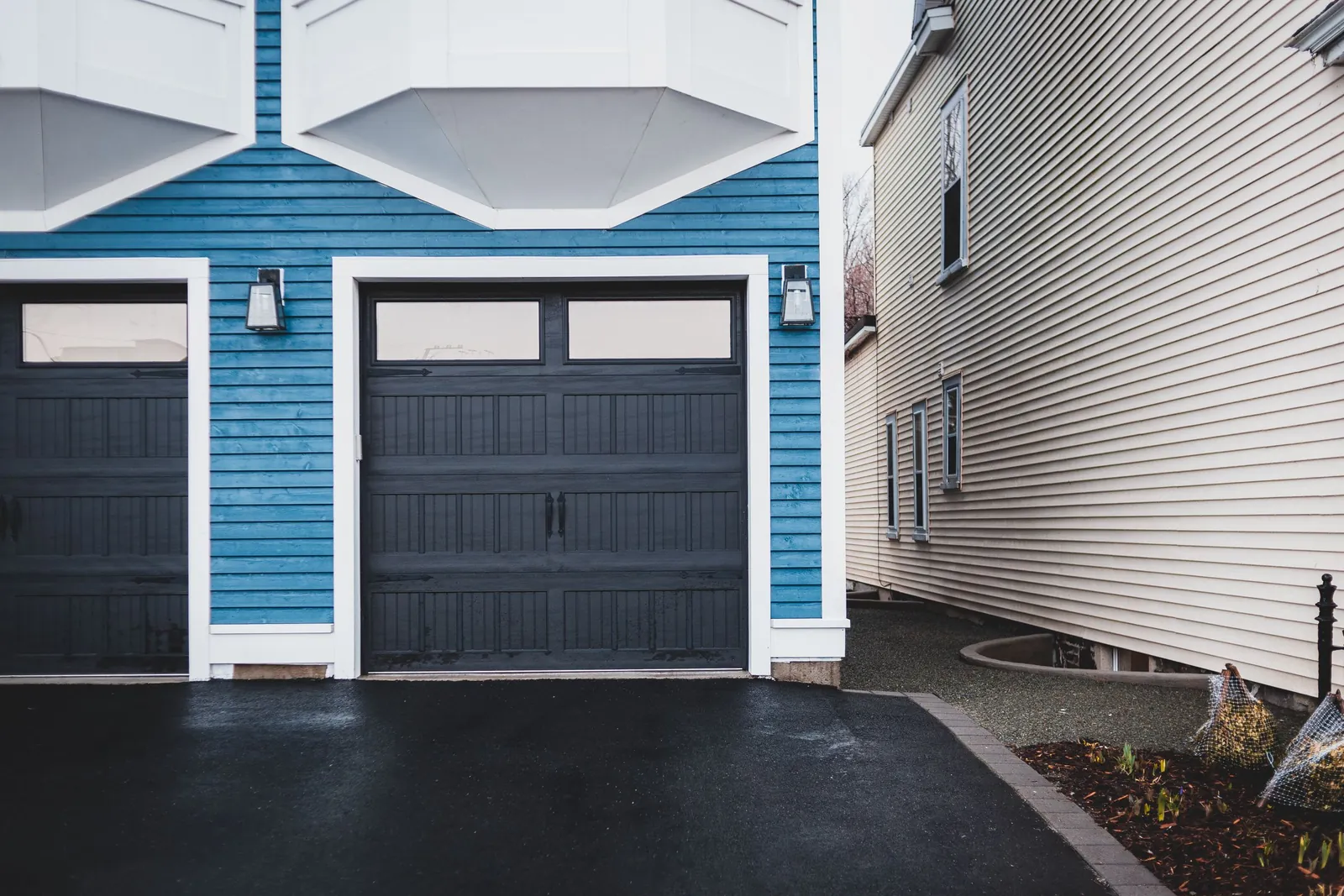
Yes, you can paint a garage door, and it's one of the quickest ways to change how a house looks from the street. The paint only lasts when the prep fits the material: steel needs a primer made for galvanized metal, wood needs sealing and priming, and either one wants a 100 percent acrylic exterior paint rather than an oil-based one.
Below is what to check before you pick a color, how steel and wood doors differ, and the two surprises that catch people out: dark colors and extra weight. If the rest of the front of the house is on your mind too, our exterior painting page covers what we take on outside.
Start with what the door is made of
Garage doors look alike from the driveway and behave differently up close. A steel door is made of galvanized steel, which is zinc-coated, and paint grips zinc poorly unless the right primer goes down first. An insulated door has an insulating core sandwiched between an inside and an outside skin, which matters when you choose a color. A wood door soaks up water, so the job is sealing it.
| Door type | Prep | Primer | Watch for |
|---|---|---|---|
| Steel | Wash, rinse, dry, scuff lightly | Bonding primer for galvanized steel | Rust spots and bare metal |
| Insulated steel | Same as steel | Same as steel | Dark colors and extra weight |
| Wood | Scrape, sand, fill, wash | Exterior primer on bare wood | Bottom edge and section seams |
If you aren't sure which one you have, the paperwork or the label from the door's maker will say, and it's worth checking before you start for reasons covered further down.
Prepping a steel door
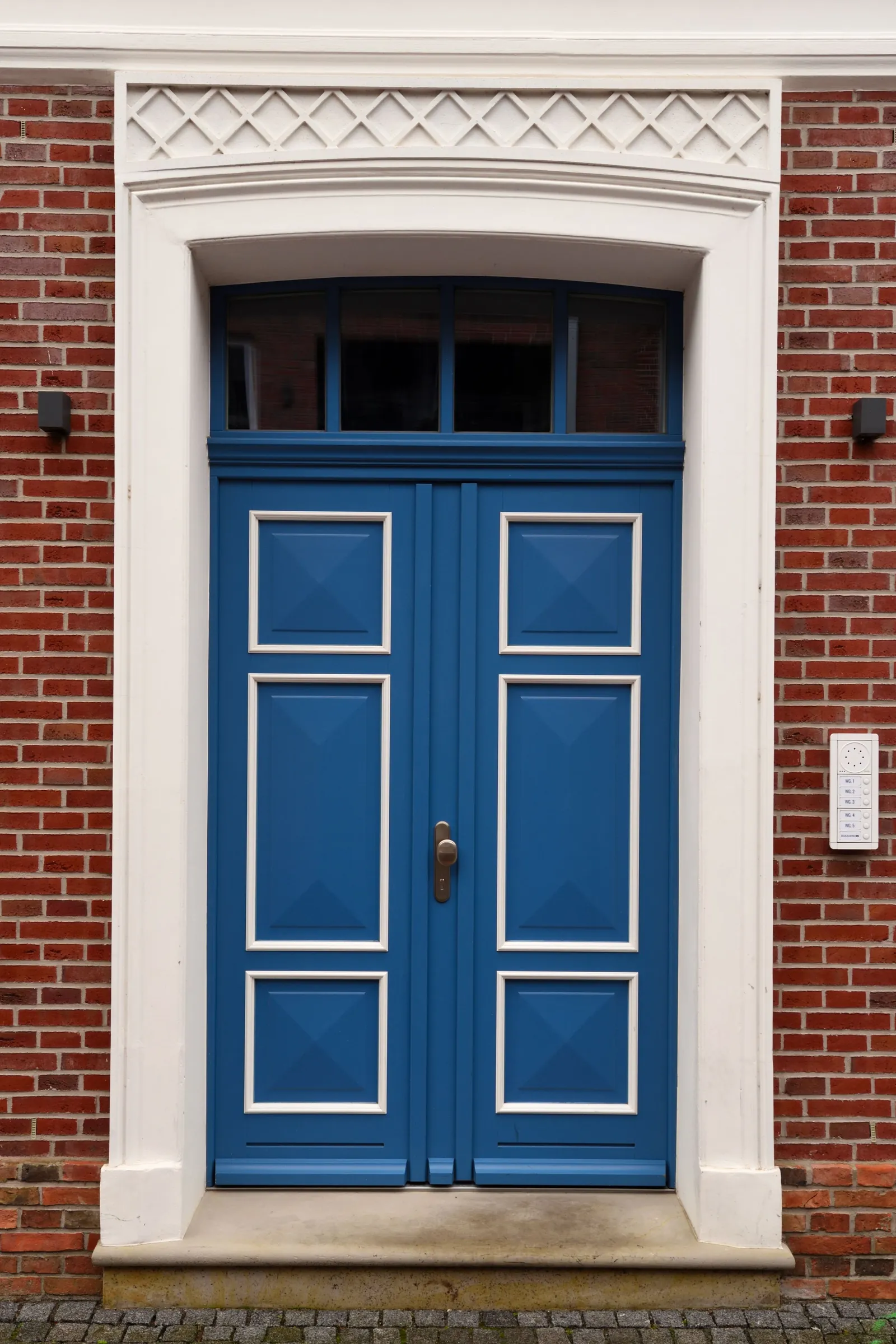
Steel looks tough, but paint doesn't hold well on a dirty or glossy surface. Most of the job is cleaning and priming, and Dunn-Edwards, a paint maker, notes that humidity and unclean surfaces lead to early peeling on galvanized metal.
- Wash the door with warm, soapy water, rinse off every trace of soap and let it dry completely.
- Lightly sand or scuff the shiny spots and any imperfections so the primer has something to grip, and check for bare metal. Rust has to come off down to clean metal before it's primed.
- Prime with a product made for galvanized steel. Dunn-Edwards warns against oil-based or alkyd primers here, because they can form a soapy layer that leads to peeling, and recommends a non-alkyd acrylic bonding primer instead.
- Once the primer is dry, wipe off the dust. Garage door maker Amarr says to paint within 24 hours of that final cleaning.
Tape off the windows, the weatherstripping, the hinges and the tracks before any of this. For a steel or fiberglass entry door, our entry door painting guide collects what the door makers say. Rust and storm doors on a steel entry are covered in our metal door guide.
Prepping a wood door
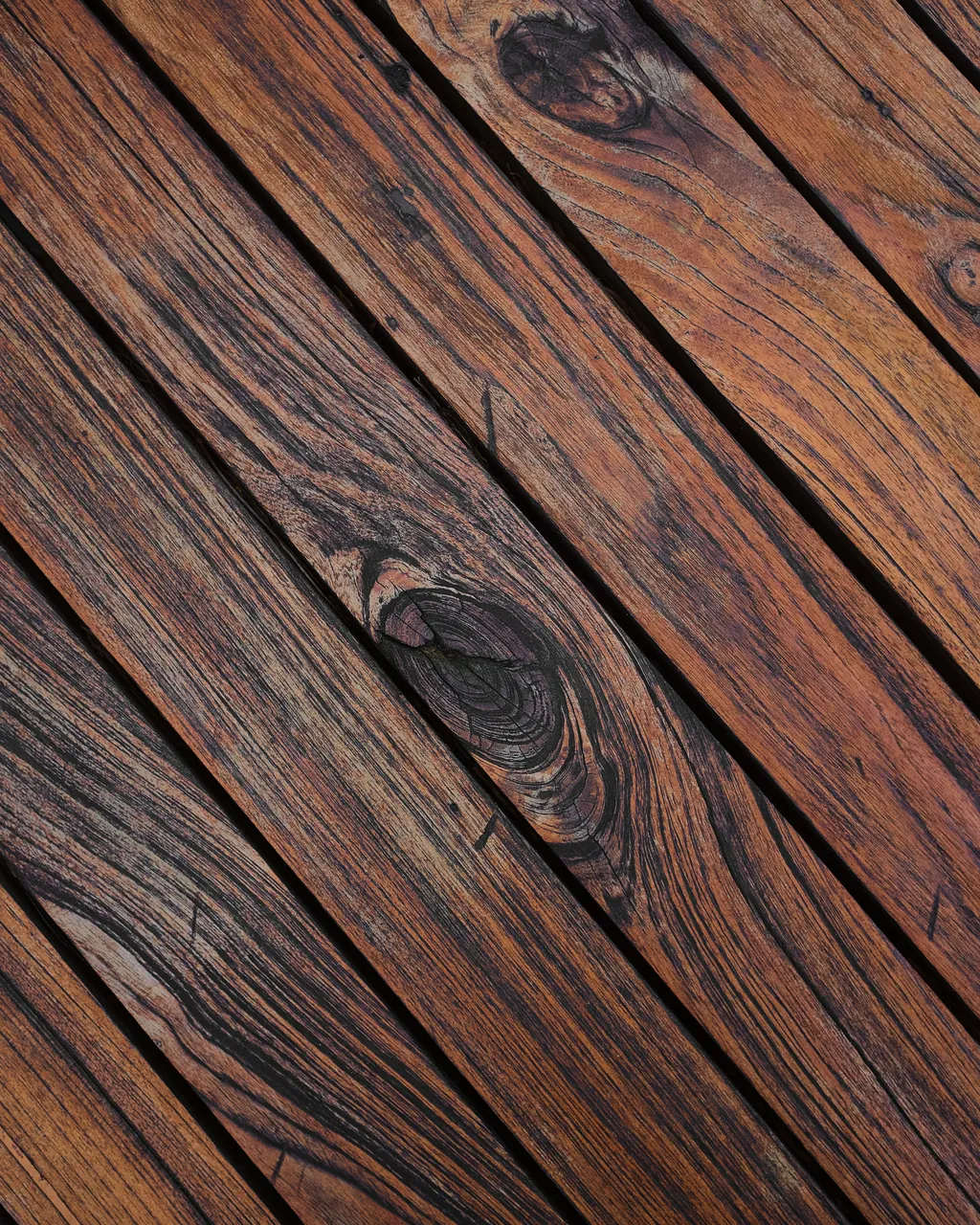
Wood moves with the weather, so the goal is keeping water out of it. Scrape anything loose, sand the edges of old paint until they feel flat, fill dents and nail holes, and wash off dust and mildew. Bare wood gets primer before any paint.
The Forest Service's guidance on exterior wood singles out the bottoms of doors as especially vulnerable to moisture, so the bottom edge and the seams between sections shouldn't be skipped. Amarr's wood-door instructions call for one coat of exterior primer or stain and two coats of exterior paint, which is a good pattern for most exterior wood: primer, then two coats.
A wood door in direct sun is also a reason to think about color, which is the next problem.
Choosing paint and sheen
Amarr recommends a high-quality, 100 percent acrylic exterior latex paint on garage doors and says not to use oil-based paint. The same page tells you to follow the paint maker's directions on temperature, sunlight and number of coats, which is advice worth taking literally.
We use premium paint from Sherwin-Williams and Behr, and Behr is the more economical of the two. If you'd rather use another brand, tell us and the quote is built around the paint you pick.
Sheen is a trade-off. Satin and semi-gloss wash clean more easily and show off the panel detail, but they also show dents and roller marks more than a flat finish does. Decide with the door in front of you, in daylight.
Color, weight and the maker's finish
Dark colors can bow an insulated door
Amarr warns that a dark color can make an insulated door bow. The panels are held in place at each end, and when the outside skin gets much hotter than the inside one, the section bends. Amarr describes the bowing as a trait of insulated doors rather than a product defect, so the maker won't treat it as one. Its wood-door instructions also advise against dark shades or stains on doors facing south or west.
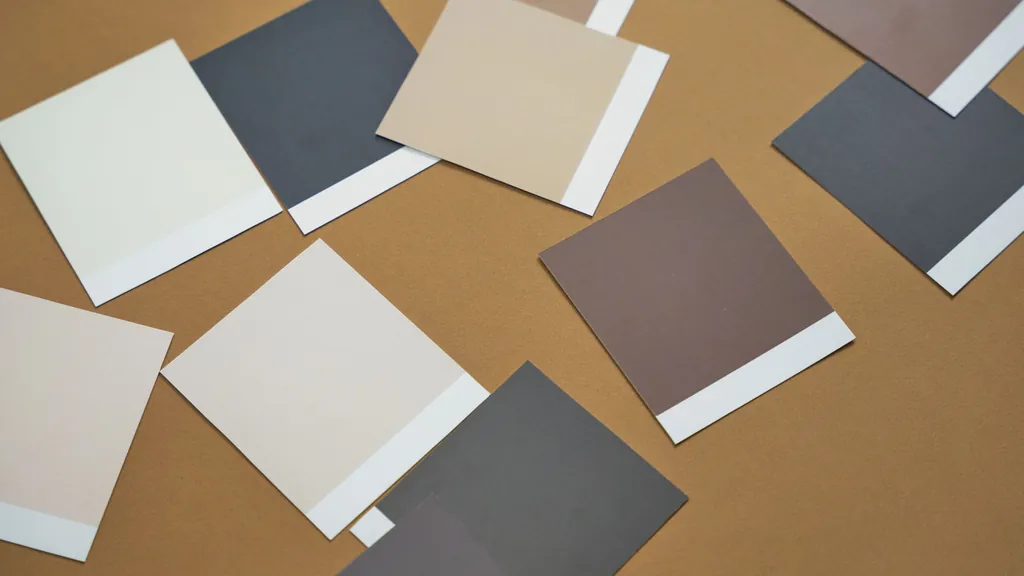
A mid-tone or a shade deeper than your trim usually looks good and runs cooler. Matching the trim makes the door fade into the house; matching the front door ties the two together. Our guide to front door colors has ideas that carry over to garage doors.
Paint adds weight
Amarr also points out that paint adds weight, which may affect spring settings and how the opener performs. Thin, even coats add very little. If the door feels heavier or the opener struggles afterward, have a garage door technician check the springs; that's their work, not ours.
Check the maker's terms first
Amarr says painting a door outside the factory voids its coverage of the factory paint finish. Other makers may say something similar, so if your door is new, read the paperwork before you pick up a brush.
Painting day, in order
- Cover the driveway, plants and anything else below the door, and make sure the weatherstripping and hardware are masked.
- Check the weather. Dunn-Edwards puts the ideal painting range at 50 to 90 degrees Fahrenheit, and the Forest Service advises waiting for morning dew to burn off and giving paint at least two hours to dry before sunset.
- Work one panel at a time from the top down, and brush the edges and seams before you roll the flat areas.
- Apply two thin coats rather than one heavy one, waiting the time on the can between them. Water-based coatings can usually be recoated in two to four hours, according to a Dunn-Edwards bulletin.
- Pull the tape while the last coat is still slightly soft so the edge stays clean, then check that the seams between sections aren't glued together with paint.
Dry is not cured
A garage door gets leaned on, bumped and rained on, so the cure time matters more here than on a wall. Latex paint is usually dry to the touch in one to two hours, but the Dunn-Edwards bulletin puts full cure at 14 to 30 days, and says dark colors and higher gloss take longer.
For the first few weeks, skip pressure washing, hanging things from the door and taping anything to it. Our post on paint dry time and cure time explains the difference in more detail.
What we do on a garage door
Garage doors are part of our exterior work, along with entry doors, entryways, trim and deck staining. We don't paint whole-house siding. Smaller exterior projects like this usually take one to three days and are scheduled around dry weather, and a rain delay doesn't change your quote. The written quote is the price, no extra charge if the job takes longer than expected.
The process is the same one we use inside: a phone call first, a visit from George if he needs to see the door, a written quote with a start date, protection before any paint comes out, then prep, paint, cleanup and a walkthrough with you. We're based in Waunakee and work across Madison and Dane County. If you'd like the trim handled at the same time, read our post on painting exterior trim, or ask for a free estimate.
Common questions
Can you paint a garage door without removing it?
Yes. Garage doors are painted in place. The door is cleaned, masked at the weatherstripping, hardware and tracks, then primed and painted panel by panel.
What kind of paint should you use on a steel garage door?
Amarr recommends a high-quality, 100 percent acrylic exterior latex paint and says not to use oil-based paint. Put a primer made for galvanized steel underneath, and avoid oil-based or alkyd primers, which Dunn-Edwards says can cause peeling on galvanized metal.
Can I paint my garage door a dark color?
You can, but proceed carefully. Amarr warns that dark colors can bow an insulated door, and advises against dark shades on wood doors that face south or west. A mid-tone is the safer choice.
Will painting my garage door affect the opener?
It can. Amarr notes that paint adds weight, which may affect the spring settings and the way the door and opener perform. Thin coats help, and a garage door technician can adjust the springs if the door starts to feel heavy.
How long does a painted garage door take to cure?
It's usually dry to the touch within a couple of hours, but latex paint takes 14 to 30 days to cure fully, according to Dunn-Edwards. Go easy on the door for the first few weeks.
Sources
- Best Way to Paint My Garage Door, Amarr
- How to Paint Galvanized Metal, Dunn-Edwards
- Dry Time versus Cure Time of Paint (technical bulletin), Dunn-Edwards
- Maintenance Guide, Dunn-Edwards
- Exterior Wood in the South: Selection, Applications, and Finishes (FPL-GTR-69), U.S. Forest Service, Forest Products Laboratory
More on decks and exterior and every decks and exterior post.