A fall painting checklist before the Wisconsin winter
· 5 min read · By GK Painting & Remodeling
In fall, finish exterior painting while the days still reach the 50s and the nights stay above freezing, seal the gaps and joints that snowmelt could get into, and keep gutters and drainage clear. After that, switch to indoor projects.
Below is the checklist, with the Madison weather facts behind it. We don't paint whole-house siding, so it focuses on the exterior work we do: doors, entryways, trim and decks, plus a few things to do indoors and with leftover paint.
How much fall you actually have
At Madison's airport, the average first 32°F night is October 1, according to The Weather Guys at the University of Wisconsin-Madison. The old downtown station, which overlapped the airport's records from 1940 to 1963, averaged around October 20, so your own yard can differ by a couple of weeks.
The Wisconsin State Climatology Office's normals for 1991 to 2020 show how the window closes:
| Month | Normal high | Normal low | What it means for outdoor paint |
|---|---|---|---|
| September | 72.9°F | 51.0°F | Workable most days |
| October | 59.6°F | 39.8°F | Midday only; the evenings are the limit |
| November | 44.8°F | 28.7°F | Nights fall below even a 35°F product's limit |
Dunn-Edwards says paint makers have developed latex paints that cure below 50°F to extend the exterior season, and that its own go down to 40°F, some to 35°F. Both the air and the surface have to stay above 35°F while the paint cures, and the first 48 hours matter most. Our post on Madison's outdoor painting season goes through the rules.
Finish exterior work early
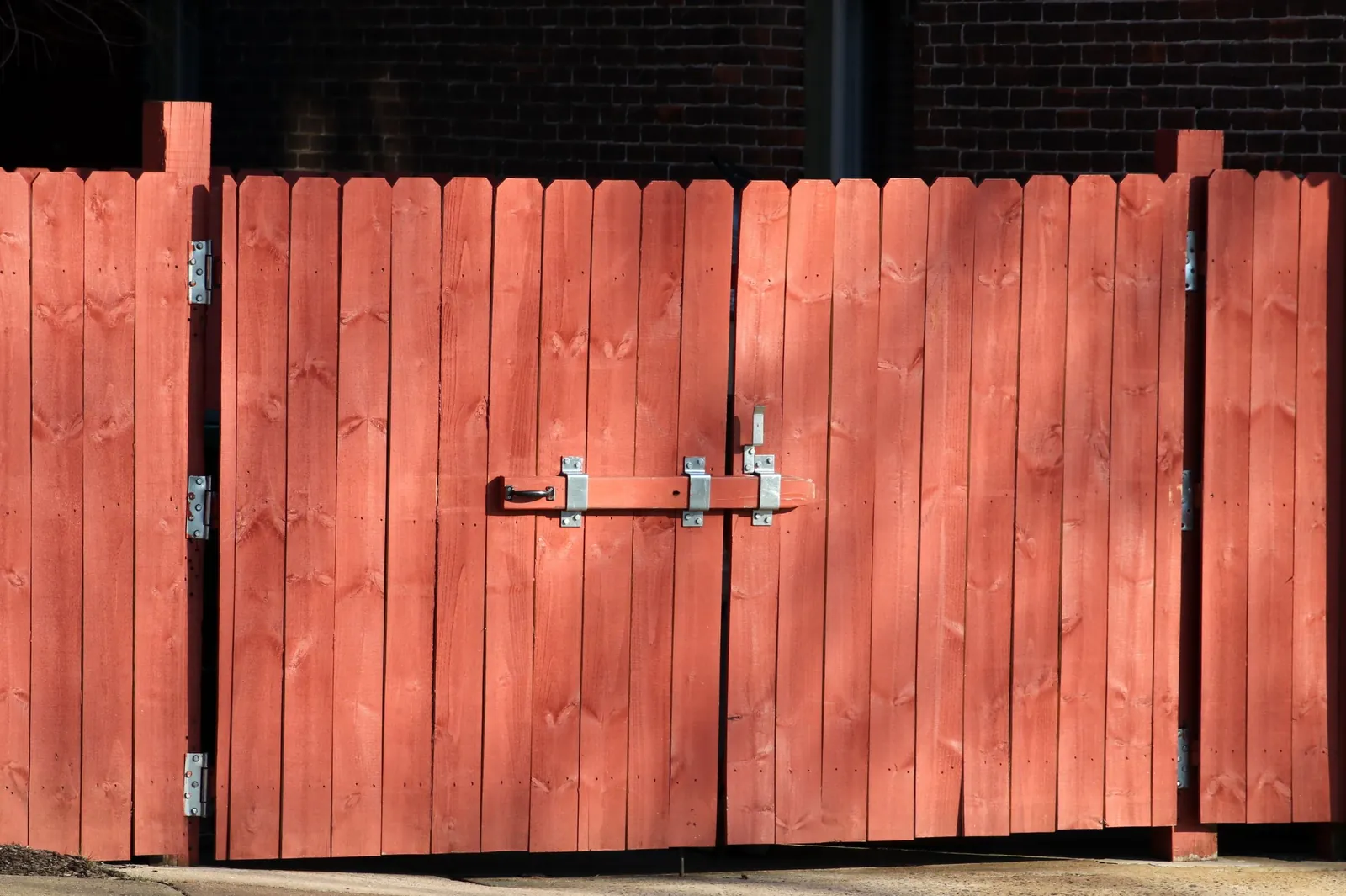
Fall evenings are the main hazard. Dunn-Edwards notes that when the temperature drops in the evening, condensation can form on freshly painted surfaces, run down the wet film and leave streaks. Its advice is to apply paint between 10 am and 2 pm, so surfaces warm up first and the paint sets before dew falls.
Don't start a job you can't finish. Purdue Extension warns against putting on a primer coat in the fall and waiting until spring for the top coat. For an oil-base primer, it says to apply the top coat within two weeks, because soap-like materials can form on an oil-base primer that sits longer and interfere with the next coat.
We paint exterior doors, garage doors, entryways and trim, and stain decks, and we schedule it all around dry weather. Smaller exterior projects usually take one to three days, which is the kind of job that fits a good fall stretch.
What a good fall painting day looks like
Dunn-Edwards lays out a cold-weather working day that suits a Madison October. Following it gives the paint the best chance:
- Do prep work, such as cleaning, sanding and repairs, in the early morning and the late afternoon, when it is too cool to paint.
- Apply paint between 10 am and 2 pm, once the surfaces have warmed.
- Follow the sun around the house. In summer you chase shade, but in cold weather you work where the sun is.
- Stop around mid-afternoon, or as soon as the temperature starts to drop.
- Check the forecast for the night. If the temperature will fall below the minimum during the first drying period, suspend the work until it is stable.
That schedule is why a fall exterior job can take longer on the calendar than on the clock. A door that needs two coats may need two good days, not one long one.
Check what winter will test
Winter finds every weak spot in an exterior finish. This is the list to walk through before the first snow:
- Caulk around windows, doors and trim. The National Park Service lists deteriorated caulking among the moisture entry points to fix.
- Bare or worn wood on trim, sills and door bottoms, where water can soak in.
- Gutters clean and flowing. Purdue says properly maintained gutters prevent rain water from splashing onto the walls.
- Shrubs trimmed back from painted wood, which otherwise stays damp.
- Bath, kitchen and dryer vents that exhaust outdoors, since indoor moisture can end up in the walls and blister paint.
- Attic insulation and ventilation. Purdue says adequate amounts can reduce or eliminate ice dams, though that is a job for another trade.
If you only have time for two things, make them the caulk and the bare wood. Those are the two easiest ways for water to get in, and both are far easier to fix now than after a winter of freezing and thawing. Our post on freeze-thaw damage explains what happens to a weak spot over a Wisconsin winter.
Decks: clean, dry and ready
A deck that goes into winter covered in wet leaves holds moisture against the boards for months. Sweep off leaves and debris, clear them from between the boards, and cut back plants that touch the deck. If the stain is worn, the better move is usually to refinish while the weather still allows, or to wait for spring rather than stain in the wrong conditions. Check the stain label's temperature range, and don't stain a damp deck.
Our posts on winter deck care and deck maintenance cover the details, and the best time to stain a deck explains the timing.
Doors and garage doors
Entry doors and garage doors take slush, salt and sun all winter. Look at the bottom edges, thresholds and the trim around them. If paint is cracking or the wood is bare, fall is the time to deal with it, but only if you can get dry conditions and steady temperatures. A failed coat is worse than an old one.
Our guides to painting a front door and painting a garage door cover the steps. If the weather turns before the work is done, plan it for spring, when the same cautions about temperature and dry wood apply. Our spring painting checklist picks up where this one ends.
Save these for indoors
Once the weather closes the outdoor window, indoor work takes over. Kitchen cabinets, rooms, stairwells, trim and doors don't depend on the forecast the way a deck does. Our cabinet refinishing takes one to two weeks for most kitchens, and interior rooms usually take one to two days each.
Our post on painting in winter explains how to keep rooms warm enough, ventilate without freezing, and give paint time to cure. Full details on indoor work are on our interior painting page.
Leftover paint and supplies
Before the garage gets cold, sort what's left from the summer. Keep small labeled cans of colors you may need for touch-ups. Dried latex paint can go in your regular garbage, according to Dane County, and liquid or oil-based paint belongs at Dane County Clean Sweep. Our post on disposing of paint in Dane County has the details, and storing leftover paint covers what to keep.
The fall checklist in one list
- Watch the forecast for dry days with the air and surface above your paint's minimum.
- Apply exterior paint at midday on those days, once the dew has burned off.
- Walk the house and recaulk open joints before the snow.
- Repair or replace damaged wood before painting over it.
- Clear gutters, trim shrubs and check that vents exhaust outdoors.
- Sweep the deck and clear leaves from between boards.
- Sort leftover paint and label what you're keeping.
- Move to indoor projects, and ask for a free estimate on anything you want done.
George visits if he needs to see the space, then sends a written quote with a start date. We serve homes across Madison and Dane County, and our decks and exterior painting page lists what we do outside.
Common questions
When should exterior painting be finished before winter in Wisconsin?
Before Madison's first 32°F night, which comes around October 1 on average at the airport. By November the normal low is 28.7°F. Watch the forecast for dry days with the air and surface above your paint's minimum, and apply paint at midday.
Can I stain a deck in November?
Rarely. November's normal high in Madison is 44.8°F and its normal low is 28.7°F, which is outside the range of most stains and paints. Check the label's temperature limits, and never stain a damp deck.
Should I prime in fall and paint in spring?
No. Purdue Extension warns against applying a primer in the fall and waiting until spring for the top coat. For an oil-base primer it recommends applying the top coat within two weeks.
What should I do to my house's exterior before winter?
Recaulk open joints, repair damaged wood, clear gutters, trim shrubs back from painted wood, check that vents exhaust outdoors, and sweep the deck. Anything that stops water getting into wood helps the paint last through freeze and thaw.
What should I do with leftover paint before winter?
Dried latex paint can go in your regular garbage, according to Dane County, and liquid or oil-based paint should go to Clean Sweep. Keep a small labeled can of each color you may need for touch-ups.
Sources
- When does the first freeze occur in fall?, The Weather Guys, University of Wisconsin-Madison
- Madison Climate Data (1991 to 2020 climate normals), Wisconsin State Climatology Office, University of Wisconsin-Madison
- Cold Weather Painting (technical bulletin), Dunn-Edwards
- Paint Failure Problems and Their Cure (NCR-133), Purdue University Cooperative Extension Service
- Preservation Brief 10: Exterior Paint Problems on Historic Woodwork, National Park Service
More on decks and exterior and every madison living post.