
Painting DeForest's 1980s and 1990s houses, thirty years on
About two in five houses in this Yahara River village went up in the 1980s and 1990s. They now share a birthday, and the same list of things that need paint.
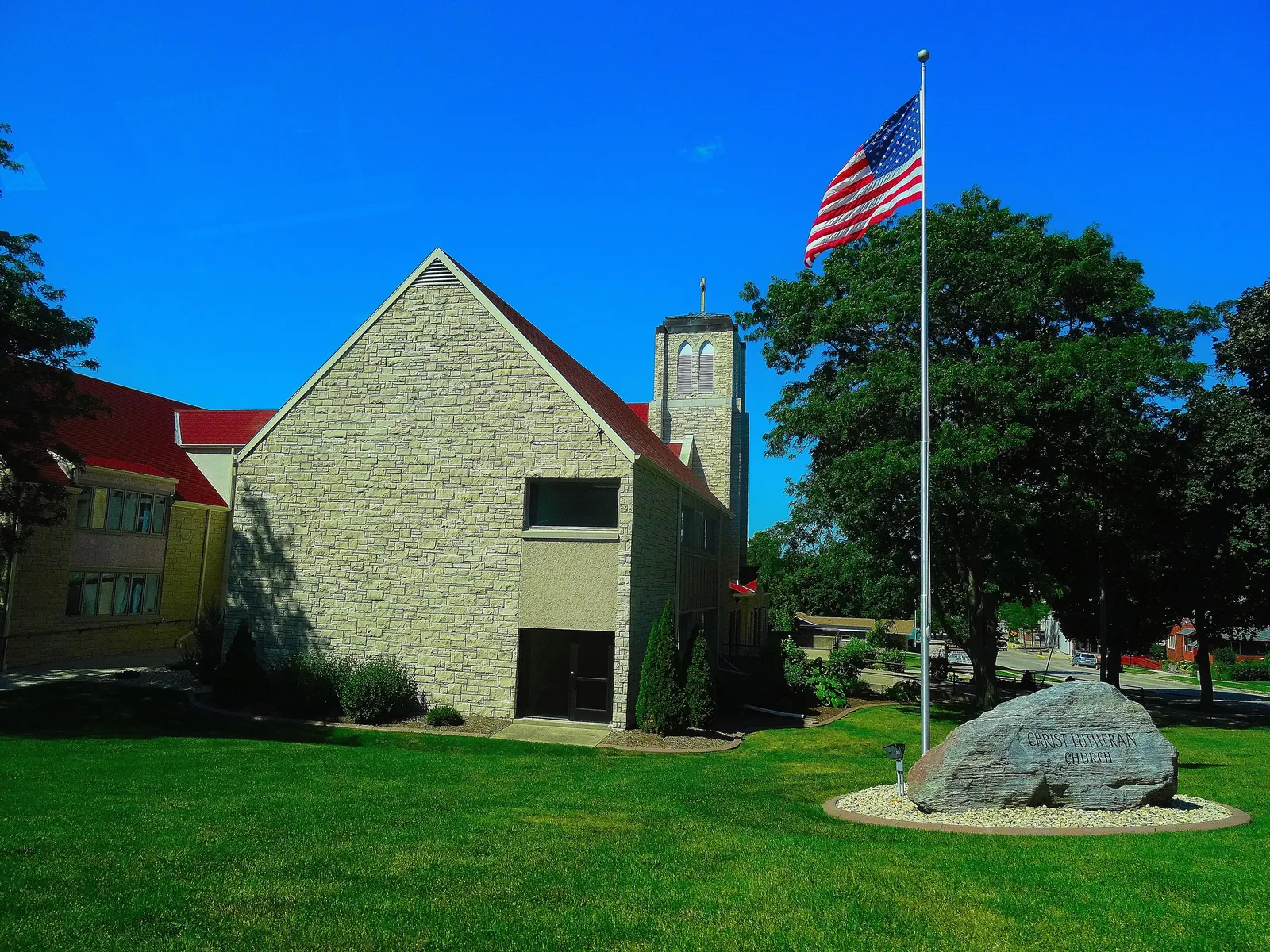
What does a house need once it turns thirty? In DeForest that question lands on a large part of the village at the same time, because DeForest did most of its growing in one burst, from about 1,900 residents at the 1970 census to about 7,400 in 2000.
The Census estimates that about 41% of its homes went up between 1980 and 1999, more than in any other town we serve, and the median one dates to 1993. That makes a typical DeForest house old enough for its original finishes to look tired and young enough to be built of drywall, oak and treated lumber rather than plaster. Below: how a wheat-farming plat on the Yahara became a village within commuting distance of Madison, and what its houses ask of paint now.
What we do in DeForest
Painting the honey oak cabinets in DeForest's 1990s kitchens
A guide for kitchens still wearing golden oak raised-panel doors. It explains what oak grain does under a coat of paint, how a sprayer gets an even finish into the profiles of a raised panel, and how to pick a cabinet color that gets along with oak floors and counters you're keeping.
Painting the tall rooms in DeForest's 1980s and 1990s homes
About the rooms nobody reaches from a step stool: vaulted great rooms, two-story entries and open stairwells. Read it for how high walls are reached safely, how a big ceiling is rolled without lap marks, where wall color should stop on a slope, and why height adds time to a job.
Bringing an older DeForest deck back to a stain that lasts
For a deck that went up with the house and has since been painted or given a solid stain that now peels in sheets. It covers why those film finishes fail on decks, stripping back toward a semitransparent stain, what soft or split boards mean, and how cedar and treated pine differ.
DeForest homes at a glance
| Homes counted | 4,838 |
|---|---|
| Median year built | 1993 |
| Built before 1980 | 23% |
| Built 1980 to 1999 | 41% |
| Built 2000 or later | 37% |
| Owner occupied | 78% |
| Single-family detached | 60% |
Isaac DeForest's wheat fields and the river
The village began as farmland. Isaac DeForest, a Belgian-American settler, arrived in 1854, bought land mainly for growing wheat and platted it in 1856; twelve years later he sold up and moved to Kansas. The Chicago and North Western Railway reached the settlement later in the century, and DeForest incorporated as a village in 1897. For a long time its name was spelled as two words, De Forest.
The Yahara River runs past all of it. It rises just upstream in Windsor, flows south through DeForest toward Lake Mendota, and then links the chain of lakes Madison was built around. It has gone by another name in the past, too: the Catfish River.
Deciding about the oak all at once
In a house from these years the oak often came as a set: casings, baseboards, six-panel doors, the stair rail and the kitchen cabinets, all in one golden stain. Paint one part and the rest suddenly looks different, so it pays to settle the whole set before any brush comes out.
Three reasonable answers: paint all of it, paint the cabinets and doors but keep a stained handrail, or keep the trim and change only the walls around it. Doors deserve their own thinking, and our post on painting interior doors covers color, sheen and the panel details worth knowing before you choose.
Whatever you decide, make sure every quote you collect covers the same doors, casings and cabinets, or the numbers won't line up. Our guide to comparing painting quotes shows how to read them side by side. The kitchen gets a full page in painting the honey oak cabinets, and the two-story rooms get one of their own.
Thirty winters on the outside
A house from 1993 has been through more than thirty Wisconsin winters, and the outdoor parts we work on show it first: the deck, the front door, the garage door and the trim around them. The deck takes the worst of it, with snow sitting on the boards for months and salt or a shovel blade finding every weak spot. Our post on winter deck care covers fall prep and clearing snow without gouging the wood.
If an earlier owner rolled paint or a solid stain onto the deck and it's now lifting, our DeForest deck page explains what getting back to a penetrating stain involves. Front doors and garage doors from the same years are usually sound under a faded or chalky surface, and they take new paint well once they're cleaned and scuffed.
The exterior painting page lists everything outside that we take on. When you know what's on your list, ask for a free estimate.
Common questions
What do DeForest houses from the 1990s tend to need?
Fresh walls in the busy rooms, a decision about the oak, and attention to the deck. Original flat paint in halls and stairwells is usually patched and scuffed by now, stained trim and cabinets are sound but dated, and a deck from the same years has weathered about thirty winters.
Is DeForest close enough to Waunakee for an estimate visit?
Yes, easily. DeForest is a short drive from our base in Waunakee, so if George needs to see a kitchen or a great room before he quotes it, the trip is no obstacle at all.
Kitchen first or rooms first?
Kitchen first, if you're doing both and the cabinet color is still open. The cabinets are the bigger change and take longer, and wall colors are easier to choose once the new cabinet color is in the room. If the cabinets are staying as they are, start with the rooms that see the most traffic.
Most houses on our DeForest street went up within a few years. Will they all need the same work?
Similar work, not identical. Houses of one age start with the same materials, but what's happened since varies: one owner may have painted the trim years ago while another never touched it, and a deck in full sun wears faster than one in shade. The estimate is about your house, not your street.
Will you paint the outside of my house?
Parts of it. We stain and refinish decks and paint front doors, garage doors, entryways and exterior trim. We don't paint whole-house siding, so a full repaint of the walls needs a different contractor.
Other towns we serve
Helpful guides
Sources
- American Community Survey 2020-2024 5-year estimates, U.S. Census Bureau, via Census Reporter
- DeForest, Wisconsin, Wikipedia
- Yahara River, Wikipedia