Getting your home ready for the painters: what to move and what to leave
· 5 min read · By GK Painting & Remodeling
To prepare for painters, clear small items and breakables out of the rooms, take down wall art and curtains, and leave large furniture where it is for the painters to cover or move. Then plan for kids, pets and fresh air, and tell the painter about anything fragile or damaged before work starts.
You don't have to empty the room. At GK, floors and furniture are covered before any paint comes out, so most of your job is making space and keeping the path clear. Here's the checklist in the order that works, with what to do about kids, pets and fumes.
A week before: settle the details
The easiest day to change a color is before the painters arrive. If you're still deciding, test samples on the wall and look at them morning and evening. Our guides to testing paint colors and choosing paint colors for your home will help you land on one.
Walk the rooms with fresh eyes and note what the painter should know: cracks, stains, water marks, dents, a door that sticks, a spot where the old paint is peeling. If a stain comes from a leak, get the leak fixed first, because paint covers a stain but it doesn't stop water. Agree on the plan for hardware and switch plates, too. Ask who removes them, so nobody assumes.
What to move out of the room
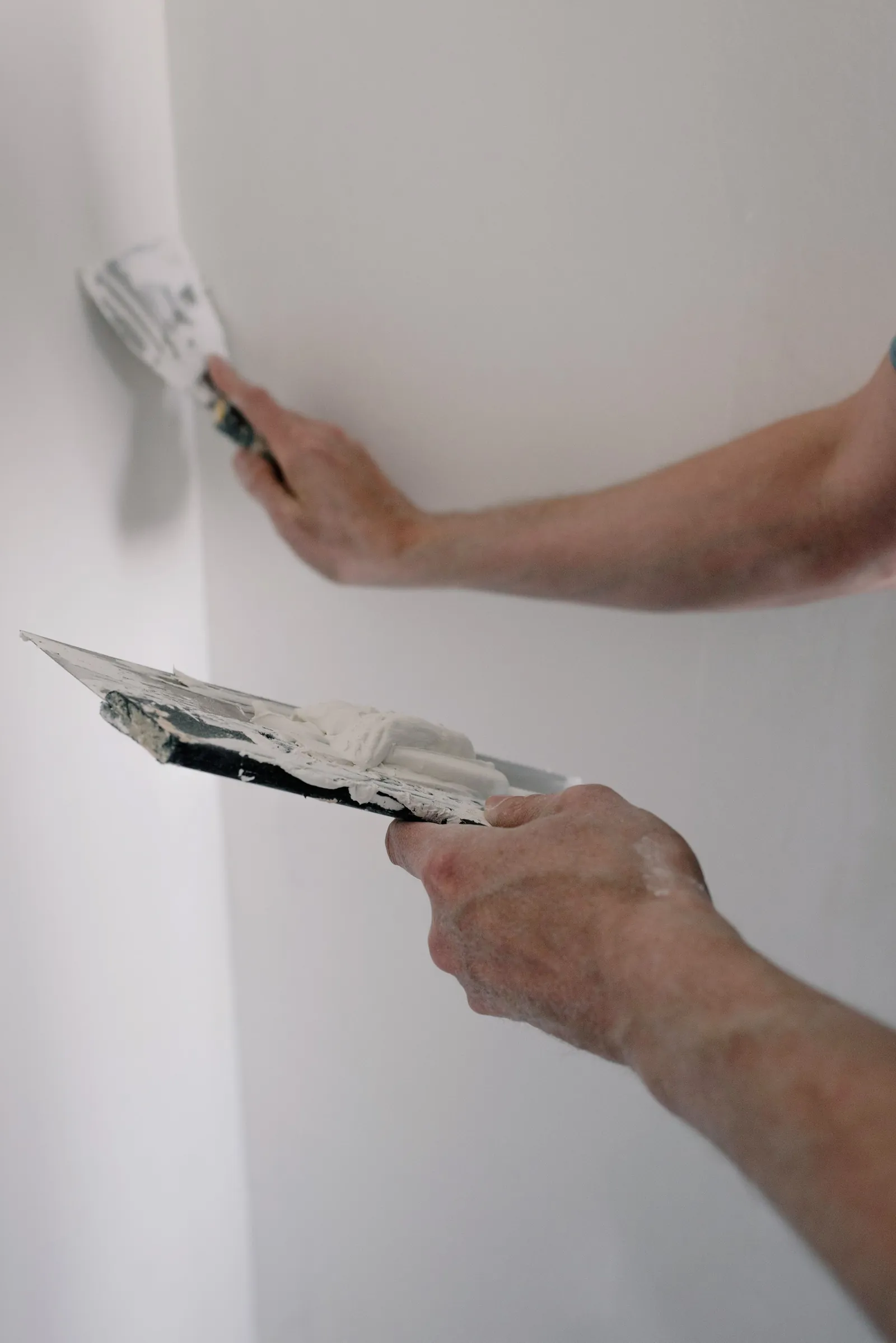
The less there is in the room, the faster the work goes and the less there is to protect. Start with the things that are fragile, valuable or easy to lose:
- Small items and breakables from shelves, dressers and windowsills
- Wall art, mirrors and anything else hanging on a wall to be painted
- Curtains and curtain hardware, if the walls or trim near them are being painted
- Rugs, plants and small electronics
- Clothes and belongings in closets that are being painted
Large furniture can usually stay. It gets pulled to the center of the room and covered, or moved to another room if the painter prefers. Ask what to expect when you get the quote, since every painter works a little differently. If something is heavy, fragile or oddly shaped, say so early.
What gets protected
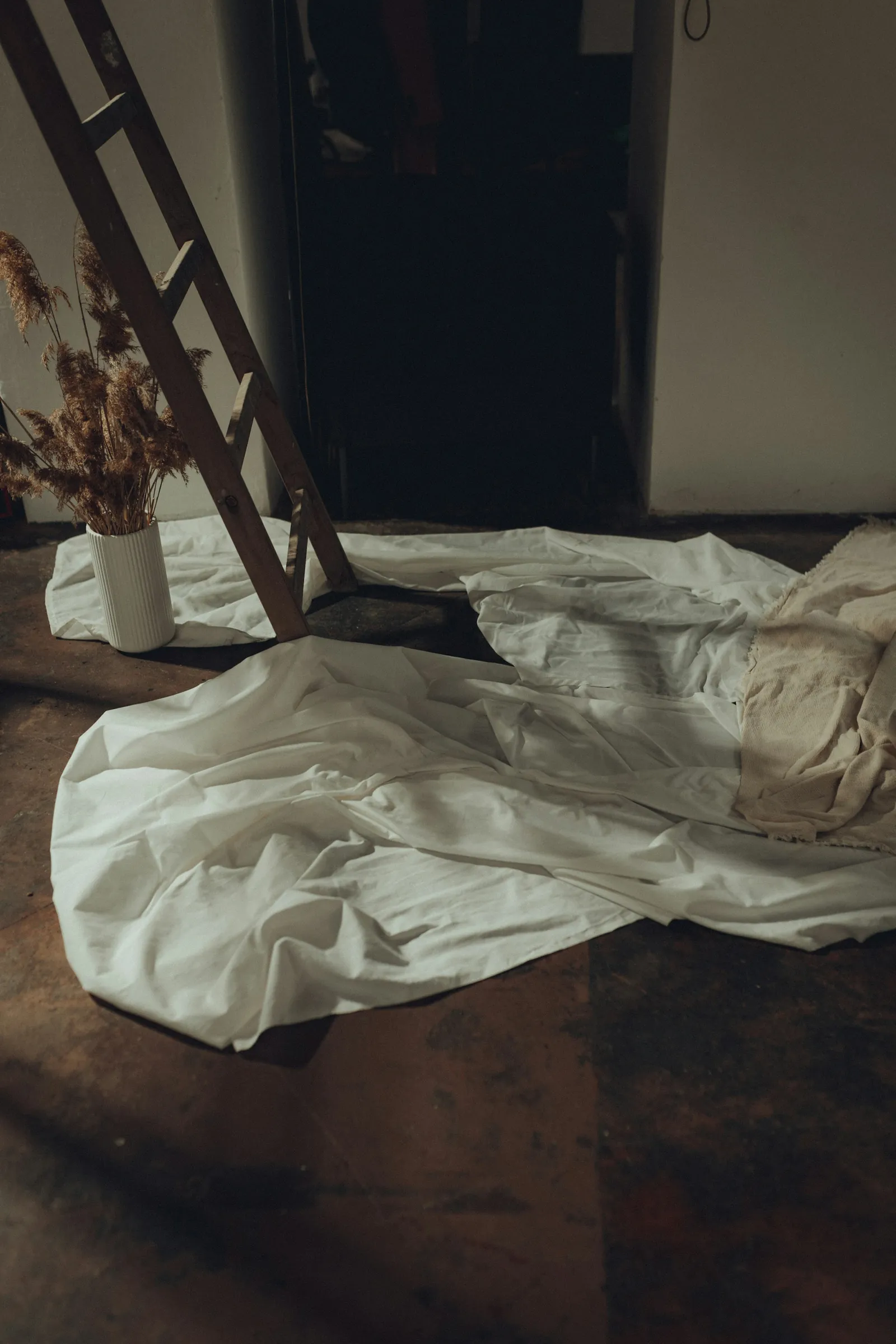
Painters protect what stays. We cover floors, furniture and everything nearby before any paint comes out, repair small holes, and clean up the work area when the job is done. Our interior painting page walks through each step.
Clearing the room still matters, though. Sanding makes dust and painting makes drips, and both travel. Anything out of the room is anything that doesn't have to be wrapped, moved around and put back, and that adds up over a day. If something can't be moved, like a built-in bookcase or a heavy piano, say so up front and it gets covered where it stands.
Kids and pets
Wet paint is irresistible to curious toddlers, cats and dogs, and on small hands, paws and fur it doesn't wash off easily. A little planning keeps everyone safe and the walls clean:
- Keep children and pets out of the work area, ideally in a part of the house the painters aren't using.
- Close doors and gates so pets can't wander into wet rooms or slip out when the painters carry supplies in.
- Arrange a place for pets to spend the day if they're nervous around strangers, noise or open doors.
- Keep paint, tools and cleaners out of reach. The EPA's advice for household products is to keep them out of reach of children and pets.
Tell the painter about any pets, allergies or sensitivities before work starts, so everyone is working from the same plan.
Fumes, windows and the weather
Fresh paint gives off vapors as it dries. The EPA says to increase ventilation when you use products that emit volatile organic compounds, to follow any label precautions, and to open windows for the maximum outdoor air possible when a label calls for good ventilation.
That means open windows where the weather allows and fans where you have them, and a plan for where to spend time while the rooms air out. Ask the painter which rooms you can use during the job. If fumes bother you or someone in your home, our guide to low-VOC paint explains the options.
Plan for the day itself
A few small things keep a paint day smooth:
- Make sure the painters can get in, and have a clear path from the door to the rooms.
- Decide where they can park and where supplies can sit, so nothing blocks the driveway.
- Keep a bathroom accessible, and tell them if any of it is off limits.
- Agree on how to reach you with questions, especially if you won't be home.
- If you work from home, plan for noise and move your workspace away from the painted rooms.
Expect some disruption. Drop cloths cover the floors, furniture sits in the middle of rooms, and there's some noise and a paint smell until the rooms air out. Most rooms take one to two days with us, so it passes quickly, and our guide to how long it takes to paint a room shows where the time goes. Keep the room you'll sleep in, and the one you'll eat in, as far from the work as you can.
If your home is older
Older homes often have plaster walls and layers of oil-based trim paint, which call for more careful prep than newer drywall. Let the painter know your home's age so the quote reflects it.
The EPA says homes built before 1978 are more likely to have lead-based paint, and that work disturbing painted surfaces in older homes may create lead dust. It advises fixing small areas of damaged paint without sanding, and wetting the area first when sanding can't be avoided. So don't scrape or sand old paint yourself in advance. Mention your home's age when you call, and leave the prep to the painter. Our notes on painting older Madison homes have more.
After the painters leave
We walk the finished project with you before we call it done, and you should expect the same from any painter. Do it in daylight if you can, check the corners and edges, and point out anything that needs a second look while the painter is still there.
Then be gentle with the walls for a while. Paint that feels dry hasn't finished curing, so wait before you scrub, hang heavy art or push furniture tight against the wall. Our guide to paint dry time versus cure time explains how long to wait. It also helps to write down the paint brand, color name and sheen before the painters leave, so touch-ups later match.
The checklist in order
- Pick the colors and confirm the rooms and surfaces being painted.
- Note any cracks, stains or damage, and fix leaks first.
- Clear small items, wall art and breakables from the rooms.
- Plan for kids and pets, and tell the painter about any special needs.
- Open a path from the door to the rooms, and sort out parking.
- Plan for fresh air, and where you'll spend the day.
- Walk the finished rooms with the painter in daylight.
Getting ready is part of hiring a painter well. We paint homes across Dane County, from Sun Prairie to Cross Plains. When you're ready, ask for a free estimate.
Common questions
Do I need to move my furniture before painters arrive?
Usually not all of it. Small items and breakables should come out, and large furniture can stay to be covered or moved by the painters. Ask what to expect when you get the quote, since every painter works a little differently.
Should I take everything off the walls?
Yes, for any wall that's being painted. Art, mirrors and shelves come down so the wall can be repaired and painted evenly. Leave the nails or hooks if you're putting things back in the same spots, and tell the painter.
Can I stay home while the painters work?
Often yes, as long as you stay out of the rooms being painted and keep ventilation in mind. If you have young children, pets or sensitivities to fumes, plan to spend some or all of the day elsewhere. Ask the painter what to expect.
What should I do with my pets during a paint job?
Keep them away from the work area and the doors the painters are using. A closed room, a visit with a friend or time in daycare all work. Wet paint on paws spreads fast, and open doors make it easy for a pet to slip out.
How long should I wait to move furniture back?
Ask your painter. Paint can feel dry well before it has fully cured, so careful placement matters for the first few weeks. Keep furniture a little away from freshly painted walls until the painter says it's safe.
Sources
- Volatile Organic Compounds' Impact on Indoor Air Quality, U.S. Environmental Protection Agency
- Reduce Your Risk of Lead Exposure at Home, U.S. Environmental Protection Agency
- Lead Renovation, Repair and Painting Program, U.S. Environmental Protection Agency
More on interior painting and every hiring a painter post.