How long painting a room takes, and what changes the answer
· 6 min read · By GK Painting & Remodeling
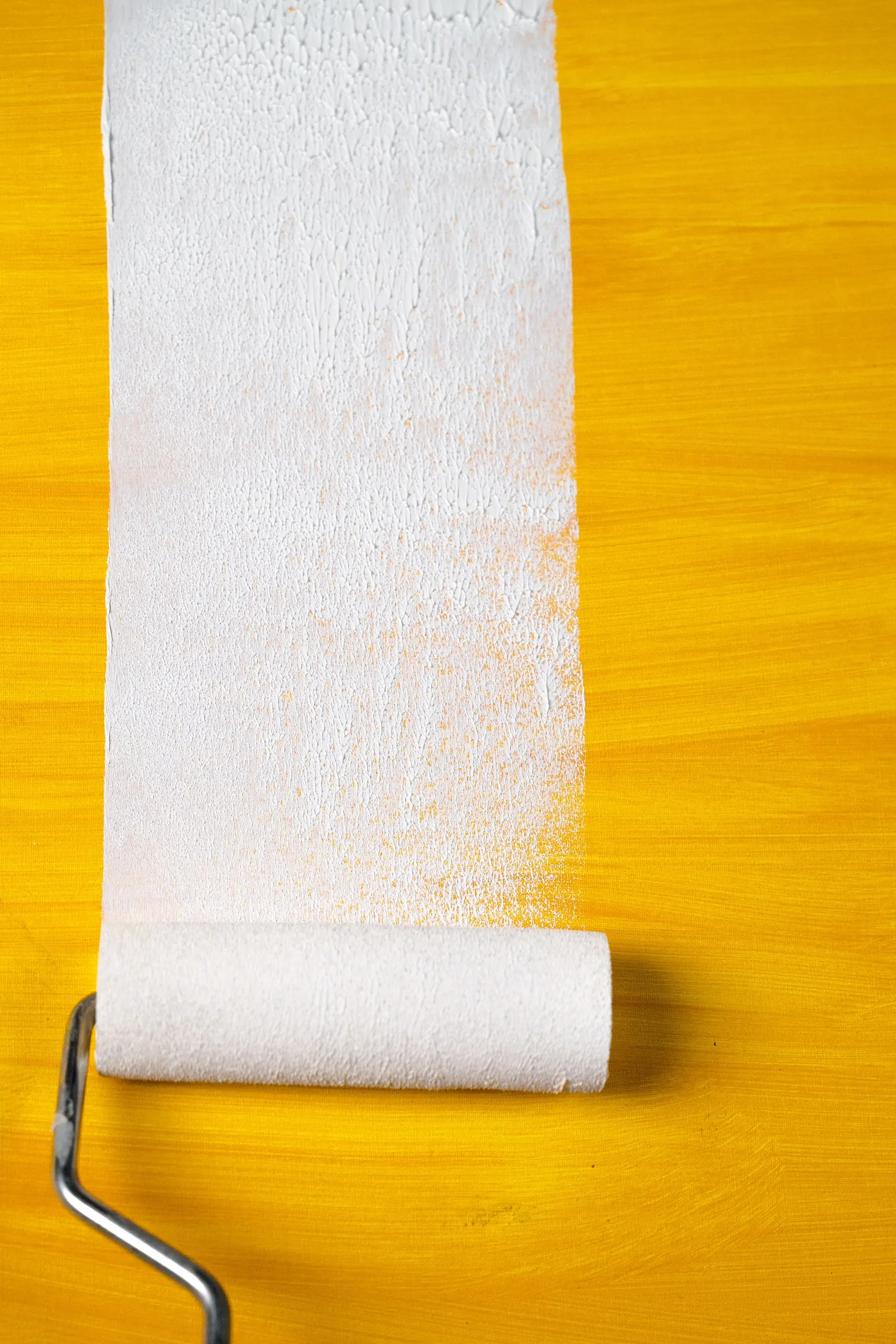
Most rooms take us one to two days to paint, from the first drop cloth to the final walkthrough. Where yours lands depends on the size of the room, how much prep the walls need, and how much the color is changing.
Here's where those days go, what can stretch them, how long to plan if you're painting a room yourself, and why the paint keeps hardening for weeks after the last brush stroke. If you're still deciding between a weekend project and a pro, our guide to DIY painting versus hiring a pro lays out the trade-offs.
Where the one to two days go
A painting day isn't eight hours of rolling. It's a sequence, and several steps have to dry before the next one can start. This is the order on an interior painting job:
- Protect the room: floors, furniture and anything nearby get covered before any paint comes out.
- Repair the small holes and imperfections, then sand and clean the surfaces that need it.
- Prime where it's needed: patched spots, stains, bare areas, or a big change of color.
- Paint the walls, and the ceiling, trim and doors if they're part of the job.
- Add a second coat where one isn't enough, once the first has dried.
- Clean up, then walk the finished room with you before we call it done.
Putting paint on the wall is often the shortest part. Covering, repairing, and waiting for coats to dry fill most of the schedule.
How much of the day is waiting
Paint has to dry between coats, and that time doesn't shrink because the painter is ready to go. A technical bulletin from the paint maker Dunn-Edwards says latex coatings are usually dry to the touch in one to two hours and ready for another coat in two to four. Oil-based coatings take longer: dry to the touch in four to eight hours, and professional painters may wait eight to ten hours, or overnight, before applying a second coat.
A painter fills those gaps with trim, doors and touch-up work, but the clock still limits how fast a two-coat room can go. That's why a room rarely moves from bare to finished in a single sitting.
What stretches a room past two days
Most of what adds time is visible before the work starts, which is why George asks about it on the phone, and visits if he needs to see the space. These are the usual suspects:
| What changes | Why it adds time |
|---|---|
| Tall or vaulted ceilings | More ladder work, and more surface to cut in and roll. |
| A lot of trim, doors and windows | Every edge is brushed by hand, and trim can take as long as the walls. |
| A big color change | Dark to light usually needs primer or extra coats, with drying between each. |
| Wall repairs | Filler and patches have to dry and be sanded before paint goes on. |
| Cool, damp weather | Lower temperatures and higher humidity slow drying, according to Dunn-Edwards. |
| Ceiling, walls and trim together | Three surfaces, often in different sheens, each with its own coats and drying time. |
Size matters, but prep matters more. A small room with damaged walls can take longer than a large room in good shape. Our guide to painting over dark paint explains why a color change is the most common reason a room needs extra coats.
A first-time painter's timeline
If you're painting a room yourself, add up the pieces. Taping, covering the floor and patching come first. Then primer where you need it, one coat, a wait of at least two to four hours for latex paint, and a second coat. Add cleanup, washing brushes and rollers, and moving the furniture back.
For many first-timers that turns a bedroom into a full weekend project rather than a Saturday morning, and a room with a ceiling, trim and doors takes longer still. Experience shifts the numbers more than effort does: someone who cuts in cleanly and rolls without lap marks needs far less touch-up time than someone doing it for the first time. If you want to try it, our step-by-step guide to how to paint a room covers the order of work.
Dry to the touch isn't finished
Paint that feels dry hasn't finished hardening. Drying is the water or solvent leaving the coating; curing is the film itself toughening, and it takes much longer. Dunn-Edwards puts the full cure of latex coatings at 14 to 30 days, and says oil-based coatings reach an initial cure in 7 to 10 days and keep hardening after that. The same bulletin notes that dark colors take longer to dry and cure than light ones, and that higher gloss coatings take longer than low-sheen ones.
So the room is ready to use when the job is done, but the walls are at their most delicate for the first few weeks. Don't scrub them, and keep furniture and hooks from rubbing the paint. Our guide to paint dry time versus cure time goes further into what to expect.
Fumes, fans and the days after
The U.S. Environmental Protection Agency says that under normal temperature and humidity, most paint emissions occur during drying, in the first few days after painting. For remodeling projects it recommends running fans and providing as much ventilation as possible until two or three days after the painting is complete, and it suggests scheduling interior painting when the home is unoccupied. It also notes that water-based paints generally release fewer chemicals than oil-based ones.
In a Wisconsin winter, that advice has a cost, because open windows let the cold in. Run the exhaust fans you have and crack a window in the room when the weather allows, and plan for it before the day we start. If someone in the house is pregnant, EPA suggests avoiding painting projects and limiting time in freshly painted rooms, which is one reason to read our post on nursery paint colors if a baby's room is on your list.
Why a careful day beats a fast one
It's tempting to ask for the quickest schedule possible, but speed is where rooms go wrong. Skipped cleaning and rushed priming are how paint ends up peeling later, which is why we don't trim the steps above to save an afternoon.
Before we call a room done, we walk it with you. If a problem comes from the quality of our work, like a finish that peels or didn't bond, we come back and make it right. Damage from everyday use or accidents after the job isn't covered, but we're happy to quote the repair.
How to keep it to a day or two
- Clear what you can. Empty shelves, take down pictures and curtains, and move small furniture out so the room is easier to cover and work around.
- Choose the color before the start date. A decision made halfway through the first coat costs time. Our guide to how to test paint colors shows how to do it in the room's real light.
- Tell us about problem spots on the first call, such as water stains and cracks, so they're in the quote instead of a surprise.
- Say up front whether the ceiling, trim and doors are part of the job, because they change the schedule.
None of this changes the price once you've agreed to it. The written quote is the price, no extra charge if the job takes longer than expected. We paint homes and businesses across Madison and Dane County, so if you'd like a time estimate for your own room, ask for a free estimate and George will talk through it and send a written quote with a start date.
Common questions
How long does it take to paint a bedroom?
Most rooms, bedrooms included, take us one to two days. The size of the room, the condition of the walls and how much the color is changing decide where yours lands in that range.
How long should I wait between coats of paint?
For latex paint, Dunn-Edwards says to expect one to two hours to dry to the touch and two to four hours before recoating. Oil-based paint takes longer, and cool or humid air slows both. The label on your can has the exact times for your paint.
Can I sleep in a room the same day it's painted?
Many people do, but the EPA says most emissions come in the first few days after painting and recommends keeping ventilation up for two to three days after the work is done. If you're pregnant or sensitive to odors, have someone else do the painting and stay out of the room while it dries.
Does painting the ceiling and trim add a lot of time?
Yes, because they're separate surfaces with their own coats and drying time. Trim is brushed by hand, so a room with lots of casing, baseboards and doors can take as long as the walls. Tell us what's included when you ask for a quote.
When can I wash painted walls?
Wait until the paint has cured, which Dunn-Edwards puts at 14 to 30 days for latex. Until then, a soft damp cloth on a smudge is fine, but scrubbing can damage the finish.
Will the price change if my room takes longer?
No. The written quote is the price, no extra charge if the job takes longer than expected.
Sources
- Dry Time versus Cure Time of Paint (technical bulletin), Dunn-Edwards
- Addressing Indoor Environmental Concerns During Remodeling, U.S. Environmental Protection Agency
More on interior painting and every interior painting post.