Interior doors: color, sheen and the choices worth making first
· 5 min read · By GK Painting & Remodeling
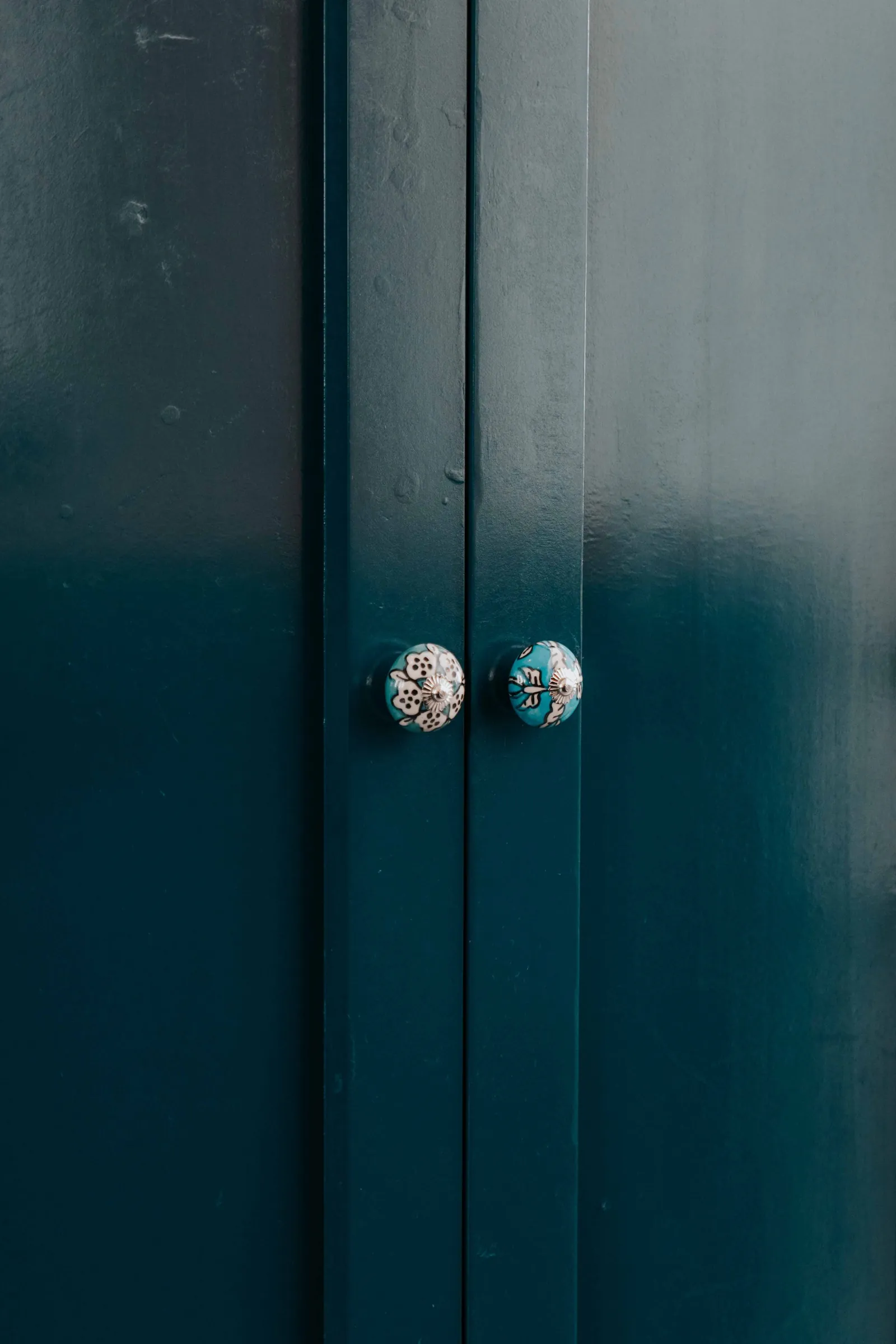
Painting interior doors is one of the best-value changes you can make to a house: doors are large, they're everywhere, and a fresh finish in the right color and sheen makes the whole place look cared for. The choices that matter are the color, a durable semi-gloss or satin sheen, and how the painter handles panels, edges and hinges.
This isn't a step-by-step guide to doing it yourself. It's what's worth deciding before anyone opens a can, so the doors look right and don't stick afterward. Doors are part of our interior painting, along with walls, ceilings and trim.
Why doors are worth painting
Doors are among the most-touched painted surfaces in a house. Fingerprints collect around the handle, edges get scuffed by vacuums and shoes, and the finish yellows or chips long before the walls do. Builder-grade doors are often plain white, and old doors may have a dull, tired finish.
They're also a big visual surface. Walk down a hallway and you see door after door, so changing them changes the whole corridor. A crisp white makes a house feel clean, and a deeper color makes it feel finished, which is why doors are often part of a repaint rather than an afterthought.
Color options
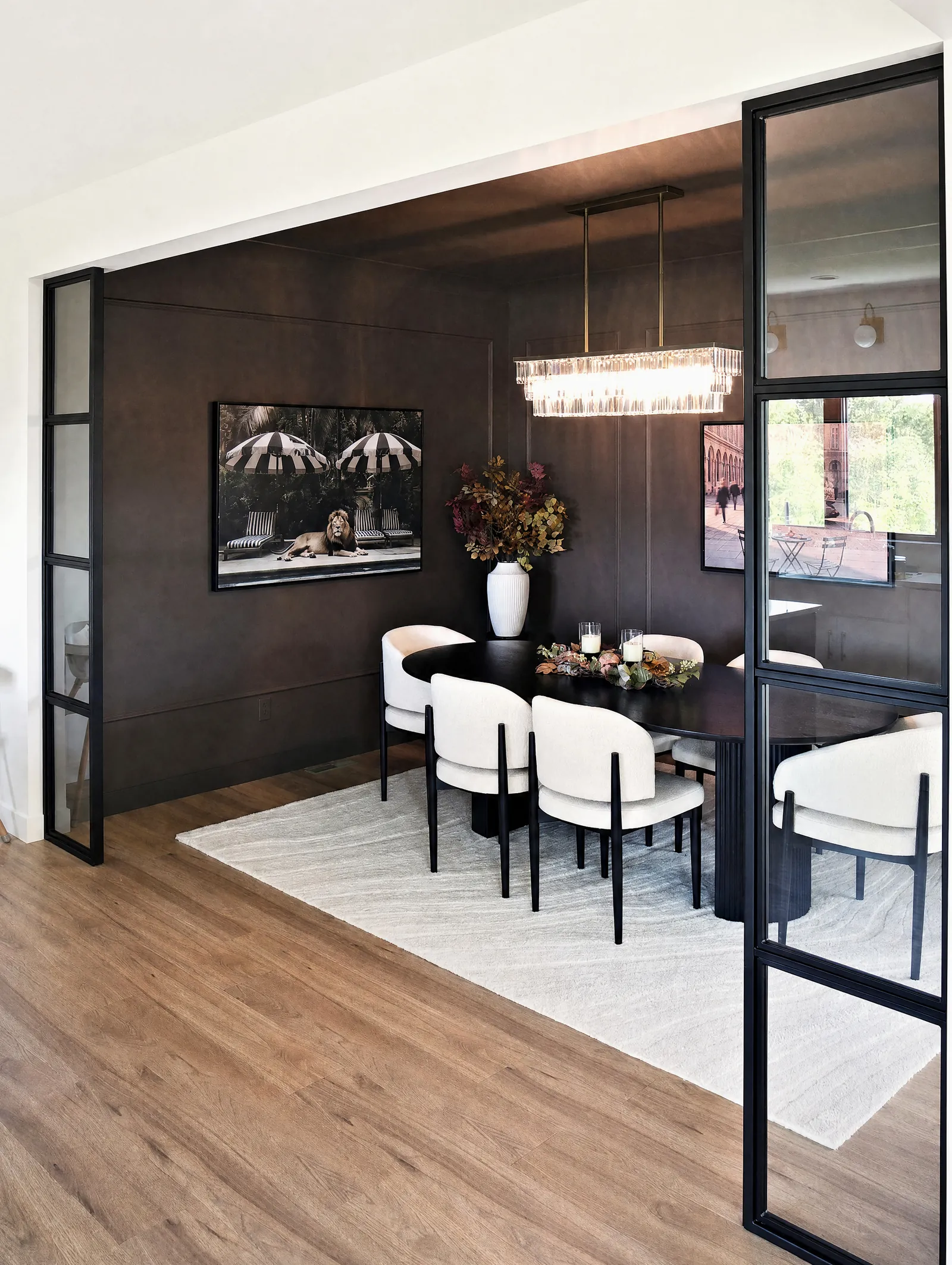
| Option | The look | Keep in mind |
|---|---|---|
| Same white as the trim | Clean and traditional | The whites need to match in temperature |
| Same color as the walls | Calm, with doors that recede | A tougher sheen than the walls helps |
| Deeper than the walls | Bold, graphic | Dark doors show dust, dents and fingerprints |
| Black or near black | Dramatic, modern | Needs good prep, and the finish has to be flawless |
Pick the color the same way you would for a wall: in your own light, on the door itself. If you're choosing the whole palette, our guide to choosing paint colors for your home shows how to fit trim and door color into it. Keep the doors consistent from room to room, because a hallway with six different door colors rarely looks intentional.
Choosing the sheen
Doors take handling, so most painters use semi-gloss. Dunn-Edwards calls semi-gloss a common choice for windows, trim, cabinets and doors, with good stain resistance and easy cleaning. Gloss is tougher still and easier to clean, but Dunn-Edwards also notes that higher gloss highlights surface imperfections.
That matters on doors, especially dark ones. A black door in high gloss shows every dent, dust speck and brush mark in the light. Satin is a quieter compromise: it still wipes clean but forgives more. Our explainer on paint sheens has the full range.
Panel doors, flat doors and old doors
A flat, or slab, door is the simplest: one large surface, and the finish shows every flaw in it. A panel door is fussier. Recessed panels collect paint in the corners, moldings need careful brushing, and the order of work (panels first, then the rails and stiles) keeps drips from landing on finished areas.
Some painters take doors off and spray them for the smoothest possible finish. Others brush and roll with the door in place. Both can produce excellent work, so ask how your painter works and what that means for the schedule. If you like the idea of a sprayed finish, our guide to spray painted kitchen cabinets shows what one looks like on a cabinet door.
Hinges, hardware and edges
Hinges and hardware need a decision. Paint that's been brushed over hinge pins and strike plates looks sloppy and can make a door bind. Taking knobs and latches off, and masking or removing hinges, takes longer but gives a cleaner result. Ask which way your painter works.
Edges matter too. A door that rubs on its frame is a problem before you paint, and extra paint on the edge makes it worse. Dunn-Edwards advises adjusting doors and windows so they move freely before painting, and lists applying paint too thickly as one cause of sticking. The top and bottom edges deserve paint as well, since they're the easiest to miss.
Why a fresh door sticks
Doors are the classic place for blocking, which is when two painted surfaces stick together. Dunn-Edwards describes it as freshly painted surfaces pressed together and sticking, like a door against its jamb, and notes that pulling them apart can tear paint off one or both surfaces. Low-quality water-based semi-gloss and gloss paints are worse at resisting it, especially in warm, damp conditions. Our post on paint types for trim and doors compares which ones resist it best.
Dry isn't the same as cured. Dunn-Edwards says latex paint is usually dry to the touch within one to two hours and ready to recoat in two to four, but full cure takes 14 to 30 days, and higher gloss coatings take longer. So for the first few weeks, don't slam a door and don't hold it tight against the frame. Leave a door open while it dries, and let each coat dry fully before the next.
Older doors and lead
Doors in older houses can carry many layers of paint, and some of the older layers may be oil-based. That means more sanding, a primer that bonds to glossy old paint, and careful cleanup. It's one reason door work in older homes is slower than it looks.
The EPA says homes built before 1978 are more likely to have lead-based paint, and its Renovation, Repair and Painting rule sets lead-safe work practices for paid work in those homes. Mention your home's age when you call. If you live near Madison, our page on interior painting for older Madison homes has more on what older homes involve.
When paint is enough and when it isn't
Paint changes the color and the finish of a door. It doesn't change its shape. Before you commit, look at the doors themselves:
- Paint is enough when the door closes and latches, the panels are sound, and you just don't like the color or the worn finish.
- Paint is enough for small dings, which get filled and sanded before the new finish goes on.
- A carpenter should look first if a door is warped, cracked, swollen or rubbing hard against the frame, because paint will only hide the problem for a while.
- Replacement may be the better answer when doors are damaged beyond repair, or when you want a different style, such as flat doors in place of panel doors.
Most doors fall in the first group. If you're not sure which yours are, mention it on the call, and George can look at the doors when he visits.
Doing doors with the rest of the room
Doors and trim are usually best done together, in the same sheen and color, so the casings and baseboards match. Our post on painting baseboards covers the trim side. When doors are painted in the same visit as the walls, the room is already covered, and the finish dries on a single schedule.
Tell us on the call how many doors you have, whether you want both sides and the edges, and whether you'd like a new color. Floors and furniture are covered first, small holes are repaired, and most rooms take one to two days. When you're ready, ask for a free estimate and George will talk through it with you.
Common questions
What color should I paint my interior doors?
White is the classic choice, and matching your trim keeps things clean. A color the same as your walls feels calm, and a deeper color makes a statement. Test it on the door in your own light, and keep doors consistent from room to room.
What sheen is best for interior doors?
Most painters use semi-gloss because it resists stains and wipes clean. Satin is a good alternative on older doors or dark colors, since higher gloss highlights imperfections.
Why does my freshly painted door stick?
The paint is still soft. Painted surfaces pressed together before the paint has dried or cured can bond, which is called blocking. Leave the door open while it dries, and be gentle with it for the first few weeks.
Do interior doors need to be taken off the hinges?
Not always. Some painters paint doors in place, and others remove them to get a smoother finish. Either can work. Ask how your painter handles hinges, hardware and the top and bottom edges.
Can I paint over a dark door with a light color?
Yes, but it needs primer and usually extra coats. Our post on painting over dark paint explains how to plan for it.
Sources
- Blocking (paint problem solver), Dunn-Edwards
- Selecting Paint Gloss, Dunn-Edwards
- Dry Time versus Cure Time of Paint (technical bulletin), Dunn-Edwards
- Reduce the Risk of Lead Exposure at Home, U.S. Environmental Protection Agency
- Lead Renovation, Repair and Painting Program, U.S. Environmental Protection Agency
More on interior painting and every interior painting post.