Painting a brick fireplace: prep, prime and what not to paint
· 6 min read · By GK Painting & Remodeling
To paint a brick fireplace, brush and vacuum the brick, wash off soot, let it dry for a day, prime the mortar lines and then the brick, and paint two coats. Paint only the face and surround, not the inside of the firebox, where open flame needs a specialized high-heat product.
Brick is porous and rough, so it uses more primer and paint than a wall and rewards patience. Below are the tools, the steps, the real waits and the places where DIY gets hard. One more thing worth knowing first: painted brick is hard to undo.
Think before you paint
Paint soaks into brick and fills the pores and mortar joints, so getting it out later means stripping, and stripping masonry is slow and messy. If you might want the red brick back, think hard before you start. If the brick is dated, stained or a color that fights the room, painting is a common, lasting fix.
The Brick Industry Association's technical note on painting brick says clay masonry doesn't require paint, and that it may be painted to increase light reflection or for decorative purposes. It adds that exterior painted masonry will need repainting every three to five years. Indoors the wear is likely gentler, but it's a reminder that painted brick is a commitment. The note dates from 1972 and was reissued in 1985, so treat it as general guidance.
What you'll need
- A stiff wire brush and a vacuum with a brush attachment.
- Soap or a cleaner for soot, and a degreaser for stubborn residue.
- Sponges, buckets and clean water.
- An acrylic latex primer with high hiding power.
- Interior paint in the color and sheen you want.
- A roller with a 3/8 or 1/2 inch nap cover, depending on how rough the brick is, and a roller extension pole.
- An angled brush for mortar lines and edges.
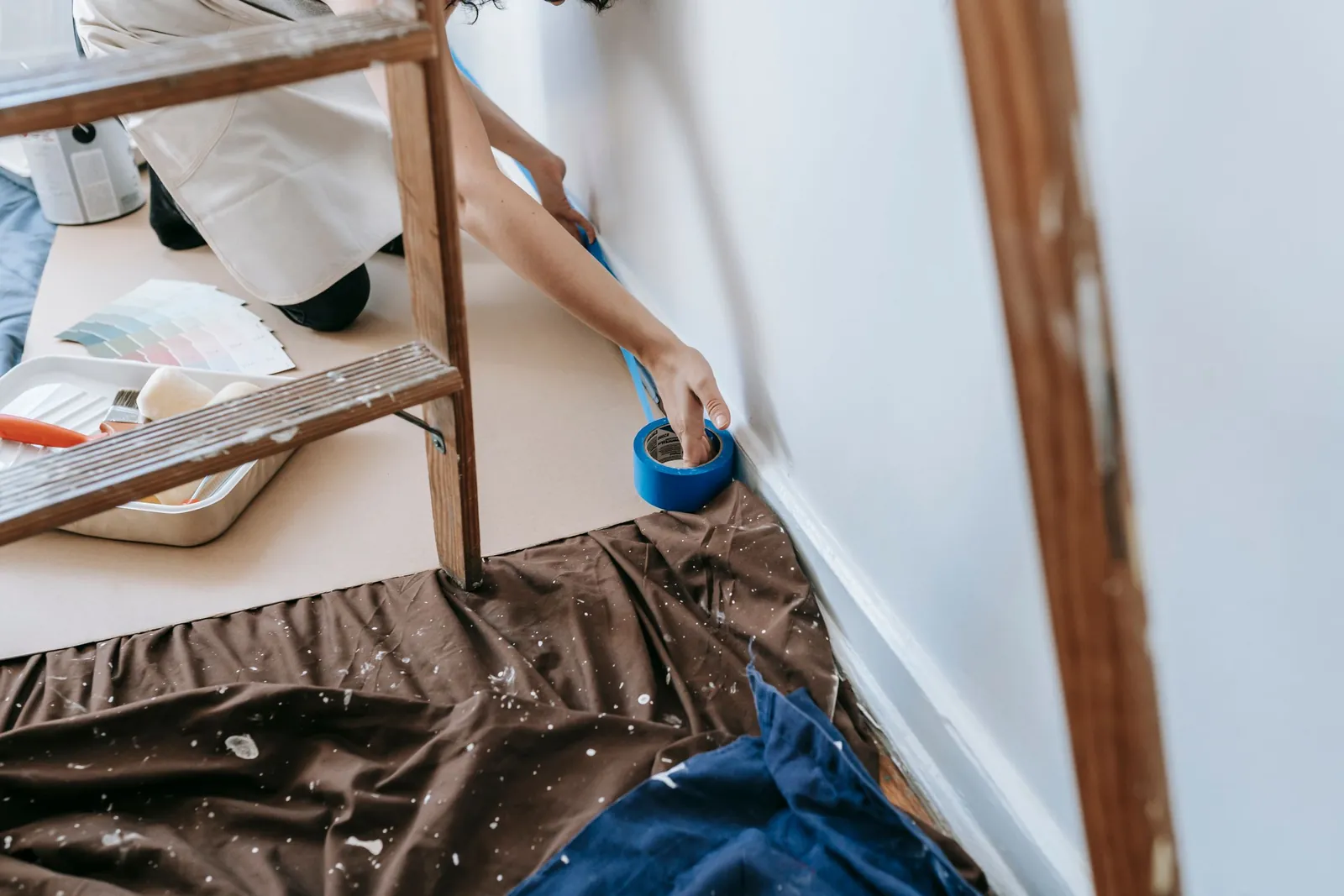
- Painter's tape, drop cloths and plastic for the hearth, floor and mantel.
- A dust mask, gloves and eye protection.
Prep is most of the work
Benjamin Moore's fireplace guide starts with a stiff wire brush, paying special attention to the mortar lines, to remove loose debris, then an assessment of the mortar for repairs, then a vacuum with a brush attachment to remove the dust from the surface and floor. It then calls for a deep clean of the brick to remove accumulated soot and mineral residue that could leach through the paint.
Wash the brick with soap and water or a cleaner, rubbing it into the surface with a sponge and wiping with a clean sponge and fresh water. The method is the same as for any wall, which our guide to cleaning walls before painting walks through. If soot remains, use a degreaser. Bricks are porous and absorb a lot of water, so Benjamin Moore says to let them dry for 24 hours before priming and painting. Spot test a cleaner in an inconspicuous place first to make sure it doesn't discolor the brick.
Look for white, chalky deposits. The Brick Industry Association calls this efflorescence, a deposit of water-soluble salts on the surface of masonry, and says it can hamper the performance of painted masonry. Remove it by scrubbing with clear water and a stiff brush, and watch whether it comes back. If it does, there's moisture getting into the wall that paint won't fix.
Painting the fireplace, step by step
- Don't burn anything while you work. Cover the floor, hearth, mantel and nearby walls with drop cloths, plastic and tape.
- Brush, vacuum and wash the brick as described above, then let it dry for a full day.
- Tape the edges where brick meets wall, mantel and hearth.
- Prime the mortar lines first with an angled brush, so no gaps are left bare.
- Prime the face of the brick with a roller. Benjamin Moore suggests a 3/8 or 1/2 inch nap cover, depending on the brick's texture, and a roller extension pole for tall chimney breasts.
- Look for soot or mineral stains bleeding through the primer. A second primer coat may be needed, especially under light colors.
- Let the primer dry overnight, as Benjamin Moore recommends.
- Paint the mortar lines with the brush, then roll the face. Brush into recesses and rough areas so no pits are left behind.
- Let the first coat dry and apply a second coat for even, long-lasting coverage.
- Pull the tape slowly and let the paint cure before you light a fire. Check the paint's label for how long to wait.
What to leave unpainted
Paint only the outside of the fireplace. Benjamin Moore says to leave the interior of the firebox alone and that areas exposed to open flame require a specialized high-heat product. Ordinary wall paint isn't made for flame and the heat close to a fire. If you want the firebox darker, ask a chimney professional or the paint maker which product suits your fireplace.
Also be careful with the mantel and any wood trim near the opening. If you're not sure how close it sits to the fire, ask a chimney professional before you decide what to paint and what to leave.
Drying times and breathing room
Dunn-Edwards says water-based coatings are usually dry to the touch in one to two hours and ready for another coat in two to four. Brick can hold moisture, and the Brick Industry Association says brick wall surfaces should generally be dry for painting. Give a washed fireplace its full day, and don't prime a surface that still looks darker in patches.
The Brick Industry Association also says paint for exterior masonry should be porous so the wall can breathe and trap no moisture, and that water-thinned latex paints have high water vapor permeability and are known to perform well on properly prepared brick. It prefers brush application on coarse-textured masonry, and notes that emulsion paints don't adhere well to chalky surfaces. Latex then cures for 14 to 30 days according to Dunn-Edwards, so go easy on it at first. Our post on paint dry time versus cure time explains the difference.
Color and sheen
White and soft neutrals are the common choices, but any color works. Benjamin Moore notes that a lower sheen such as matte or eggshell keeps the natural texture of the brick with fewer visible imperfections, while semi-gloss reflects more light and can make future cleaning easier. Painting the mantel the same color as the brick and wall makes the fireplace recede, and a contrast color makes it a focal point. Try a sample patch first, since brick takes color differently from a smooth wall.
Where DIY gets hard
- Thirsty brick. It soaks up primer and paint, so expect to use more than a wall of the same size and plan for two primer coats.
- Mortar lines and rough texture. A roller skips the recesses, and a brush has to follow it everywhere.
- Soot and stains bleeding through. A light color over a heavily used fireplace may need more than one primer coat.
- Efflorescence. White salt deposits mean moisture, and paint over them peels.
- Height. A floor-to-ceiling chimney breast means ladders and awkward reaching.
- No going back. Once painted, brick is difficult to restore.
When hiring makes sense
A small, simple fireplace is a reasonable DIY project if you're comfortable with the commitment. Hiring makes sense for a tall or wide chimney breast, brick with heavy soot or efflorescence, or when you want crisp, even coverage without the days of wire brushing. Our guide to DIY painting versus hiring a pro lays out the trade.
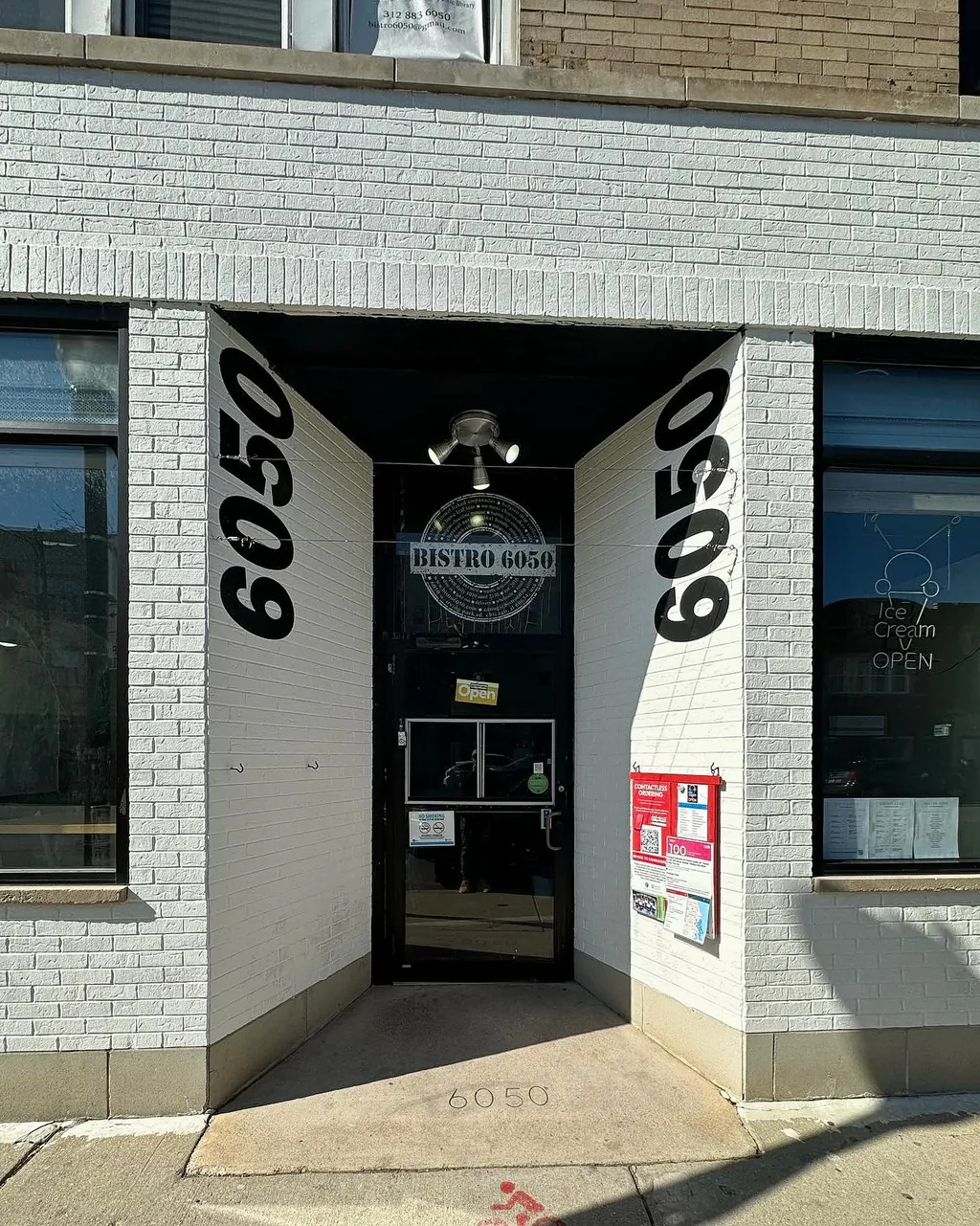
Our restaurant storefront project shows red brick painted white. Brick is cleaned and primed before paint so the finish bonds to the masonry, and the same logic applies indoors. See it in this storefront brick painted white. Our interior painting covers walls, ceilings, trim and doors, so mention a fireplace when you call and George will tell you what he'd do. The written quote is the price, no extra charge if the job takes longer than expected. Ask for a free estimate.
Common questions
Can I paint the inside of a fireplace?
Not with ordinary paint. Benjamin Moore says to paint only the outside of a brick fireplace, and that areas exposed to open flame need a specialized high-heat product. Ask a chimney professional or the paint maker before painting the firebox.
Do I need to prime brick before painting?
Yes. Brick is porous and absorbent, so primer seals it, helps the paint stick and blocks soot and mineral stains. Expect to use more primer than on a wall, and possibly two coats.
How long does a brick fireplace need to dry before priming?
Benjamin Moore says to let washed brick dry for 24 hours before priming and painting, because bricks are porous and absorb a lot of water.
What kind of paint should I use on brick?
A durable water-based interior paint over a bonding acrylic primer is the usual route for fireplace faces. The Brick Industry Association notes that latex paints are highly vapor permeable and perform well on properly prepared brick.
Is painted brick hard to remove?
Yes. Paint soaks into brick's pores and mortar joints, so restoring the original look means stripping, which is slow and messy. Think of painting as a long-term change.
Sources
- How to Paint a Brick Fireplace, Benjamin Moore
- Technical Notes 6: Painting Brick Masonry, Brick Industry Association
- Dry Time versus Cure Time of Paint (technical bulletin), Dunn-Edwards
More on interior painting and every how-to post.