Paint it yourself or hire it out: an honest comparison
· 5 min read · By GK Painting & Remodeling

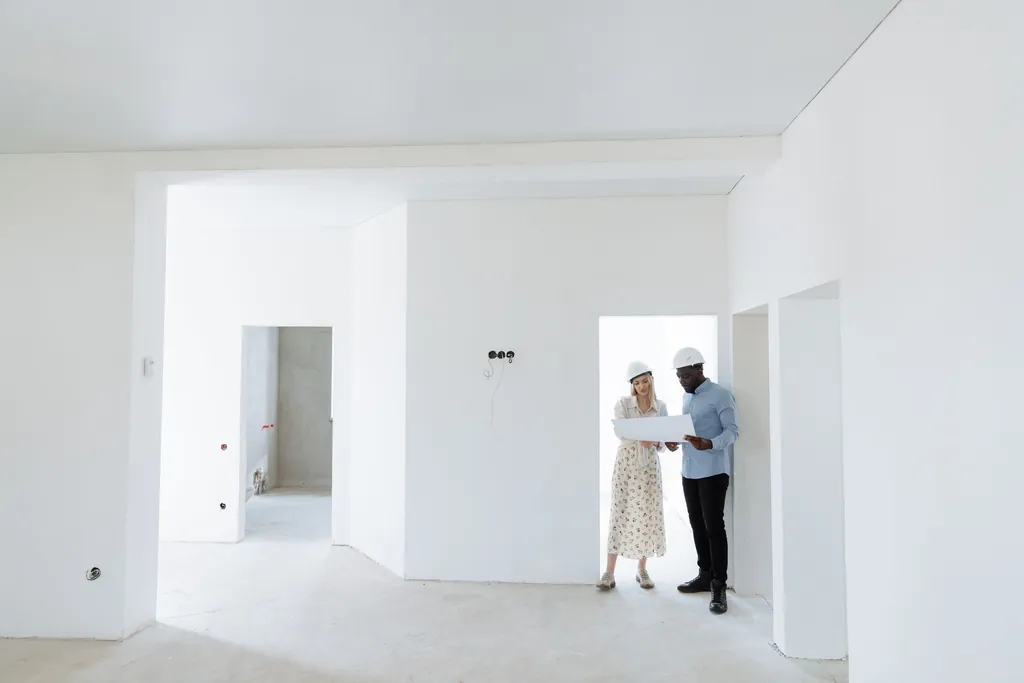
DIY painting makes sense for a bedroom or small room when you have a weekend, some patience and a modest standard for crisp edges. Hiring a professional makes sense for large or high jobs, jobs with heavy prep and anything you can't afford to do twice.
The honest answer is that it depends on the room, your time and how much the details bother you. We paint for a living, so season our opinion accordingly, but we'll say plainly where doing it yourself wins. Here are the trade-offs, with a table at the end to decide by.
What you actually save by painting yourself
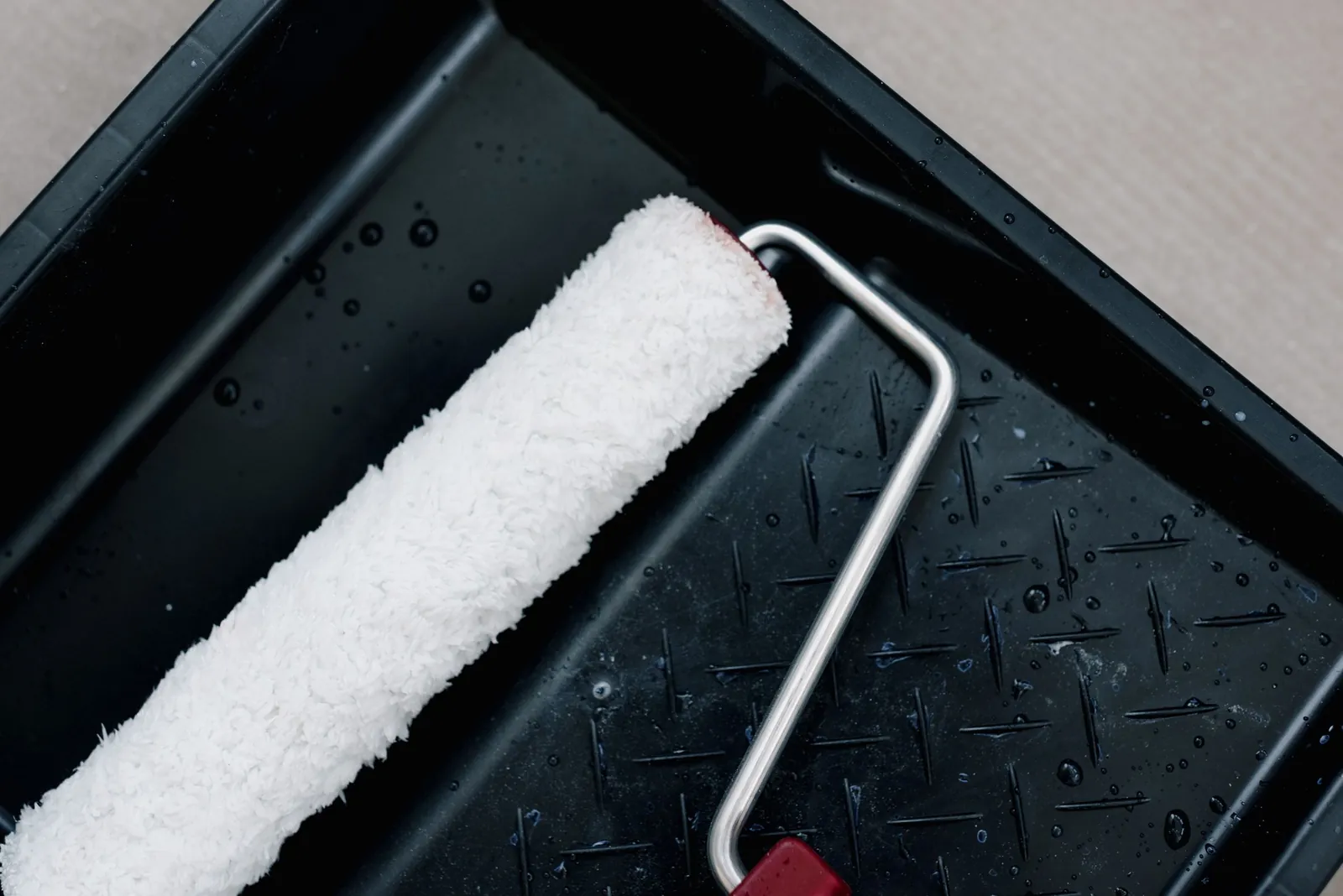
The saving is labor, and for a room or two it can be real. What it costs you is everything else that comes with the job: brushes, rollers, trays, tape, drop cloths, patching compound, sandpaper, primer, a ladder that reaches, and the paint itself. Most of those are one-time purchases that sit in the garage afterward.
To compare fairly, add up your own list and then get a written quote for the same rooms. Our interior quotes are priced by the square footage of the space, paint included, so there's no separate shopping trip. Our guide to how much paint you need helps with the DIY side of the math.
Where DIY works well
A good DIY job has a few things in common. The more of these that fit, the better your odds:
- A single room with walls in decent shape and no major repairs
- Ceilings low enough to reach from a stepladder
- A color change that isn't dramatic, such as one light shade to another
- No deadline, so you can work at a comfortable pace
- Someone in the house who actually enjoys it
If that sounds like your project, go for it. Our guides on how to paint a room and painting tips for beginners lay out the order of work.
Where a professional earns the cost
The jobs that go wrong most often are the ones where a small mistake gets expensive, or where the work is awkward and slow. A pro tends to pay off when:
- The space is tall, like a stairwell or a vaulted ceiling, and the work happens on a ladder
- You're painting ceilings, trim and doors as well as walls, which is where neat edges show most
- You're covering a dark color with a light one, which takes more coverage and more patience
- The walls need real repair first, or the old paint is peeling
- You need the job done by a certain date
- You're refinishing kitchen cabinets, where a sprayed finish is hard to match by hand
That last item on the list is worth a closer look. At GK, doors and drawer fronts are sprayed, and frames are finished in your kitchen. Our guide to spray painted kitchen cabinets shows how different the result is from a brush and roller.
More broadly, a professional brings things that don't show up in a price: the right brushes and sprayers, a routine for protecting a home, and the judgment to spot trouble before it reaches the finish. A stain that will bleed through, a patch that will show under a sheen, a gap that needs caulk. Those calls come from having seen them go wrong before.
The time most people underestimate
Painting is the shortest part of a paint job. Before it comes moving furniture, covering floors, cleaning, filling holes, sanding, taping and priming, and after it come drying time between coats, a second coat and cleanup. Our guide to prepping walls for painting walks through the prep that decides how the finish looks.
Most rooms take us one to two days. A first-timer should plan on more than that, and on a room being unusable for longer than expected. Our guide to how long it takes to paint a room shows where the time goes, and the answer is mostly not the painting.
Safety: ladders, fumes and older homes
Ladders are the obvious risk, and the risk grows with height and with how far you lean. Set the ladder on level ground, keep your weight centered, and move it instead of stretching. If the job needs more than a stepladder, that's a reason to think twice.
Fumes matter too. The EPA says to increase ventilation when you use products that emit volatile organic compounds and to follow label precautions, so open windows and run fans whenever you can.
Older homes add a bigger question. The EPA says homes built before 1978 are more likely to have lead-based paint, and that renovation work disturbing painted surfaces in older homes may create lead dust. Its advice includes fixing small areas of damaged paint without sanding, and wetting the area first, sanding as little as possible and cleaning up thoroughly if you must sand. The EPA's Renovation, Repair and Painting rule is aimed at paid work and generally doesn't apply to homeowners working on their own home, but the EPA still points do-it-yourselfers to lead-safe practices. If your home is older, check before you scrape, and mention its age to any painter you call.
The cost of doing it twice
Most DIY disappointment has the same causes: skipped prep, thin coverage, tape pulled too late, and edges that wander. Each one is fixable, and fixing it means more paint, more time and often a second weekend. A dark color that needed primer is a classic. So is paint over a dusty or greasy wall that begins to peel.
That doesn't mean DIY is a bad idea. It means the cheapest outcome is doing it right the first time, whoever does it. If you're weighing the odds, our guide to fixing peeling paint shows what a do-over looks like.
A quick way to decide
| Your situation | Lean toward |
|---|---|
| One bedroom, walls in good shape, no deadline | DIY |
| Stairwell, vaulted ceiling or other high work | A professional |
| Dark color to light color | A professional, or plan extra coats |
| Walls that need real repair, or peeling paint | A professional |
| Older home with old paint to disturb | Ask a professional first |
| Guests or a move-in date coming | A professional |
| You enjoy it and have the time | DIY |
A middle path, and what hiring us looks like
Whoever holds the roller, test the color first. A sample on your own wall, looked at morning and evening, saves more regret than any technique. Our guide to testing paint colors shows how.
You don't have to choose one or the other. Plenty of people paint the easy rooms themselves and hire out the stairwell, the ceilings or the trim. Others do the clearing, patching and color testing and hand the painting off. Ask any painter whether they'll quote part of a job, and what they'd want you to do first.
If you'd like a quote to compare with your own plan, it starts with a phone call, and George visits if he needs to see the space. You get a written quote with a start date. The written quote is the price, no extra charge if the job takes longer than expected. See our interior painting page, or ask for a free estimate. We work across Dane County, including Fitchburg. If you decide to hire, our guide to how to hire a painter is the next read.
Common questions
Is it cheaper to paint a room yourself?
Usually, yes, because you're not paying for labor. But supplies, primer, the paint and your own time all count, and a redo can eat the savings. Get a written quote for the same room and compare it with your own list.
How long does it take to paint a room yourself?
Longer than most people expect, since prep, taping, priming and drying between coats take more time than the painting. Most rooms take us one to two days. Plan for a weekend or more if it's your first time.
What painting jobs should I leave to a professional?
High ceilings and stairwells, big color changes, walls needing real repair, tight deadlines and kitchen cabinets are the usual ones. Older homes where old paint will be disturbed also deserve a conversation first.
Is lead paint a concern if I paint my own older home?
It can be. The EPA says homes built before 1978 are more likely to have lead-based paint, and that renovation work can create lead dust. It advises fixing small damaged areas without sanding, and avoiding DIY removal of lead-based paint.
Can I hire a painter for just part of the job?
Ask. Many people do the simple rooms themselves and hire out the ceilings, trim or stairwell. Tell any painter you call what you plan to do yourself so the quote covers only the rest.
Sources
- Reduce Your Risk of Lead Exposure at Home, U.S. Environmental Protection Agency
- Lead Renovation, Repair and Painting Program, U.S. Environmental Protection Agency
- Volatile Organic Compounds' Impact on Indoor Air Quality, U.S. Environmental Protection Agency
More on interior painting and every hiring a painter post.