
How to paint it yourself, step by step
Plenty of painting is a good weekend project. These step by step guides show the order of work we follow, so your result lasts as long as ours.
13 posts on how-to
 How-to
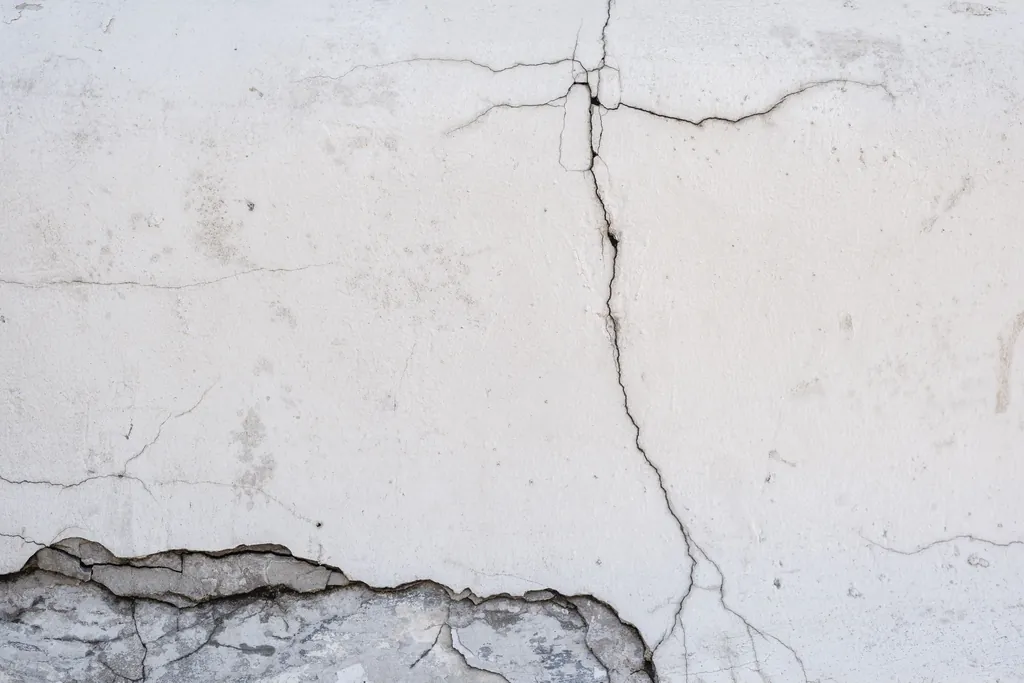
Repairing plaster walls: fill it, fasten it or rebuild it
Cracks, bulges and holes in old plaster each need a different fix. How to tell them apart, repair them in the right order and paint over the repair. How-to
Caulking baseboards: closing the gaps before you paint
A thin bead of caulk along the top of a baseboard makes a paint job look finished. Here's which caulk to buy and how to run a clean line. How-to
Cleaning walls before you paint: what to use and what to skip
Paint won't hold over grease, soap film or mold. Here's how to clean every kind of wall, what to use and how long to wait. How-to
Painting a bathroom yourself: moisture, mildew and the right order
Bathrooms are small, but steam makes them one of the hardest rooms to paint well. Here's the order of work and how to make the finish last. How-to
Painting a brick fireplace: prep, prime and what not to paint
Brick drinks paint and holds soot. Here's the order of work for a painted fireplace, what to leave bare and where DIY gets hard.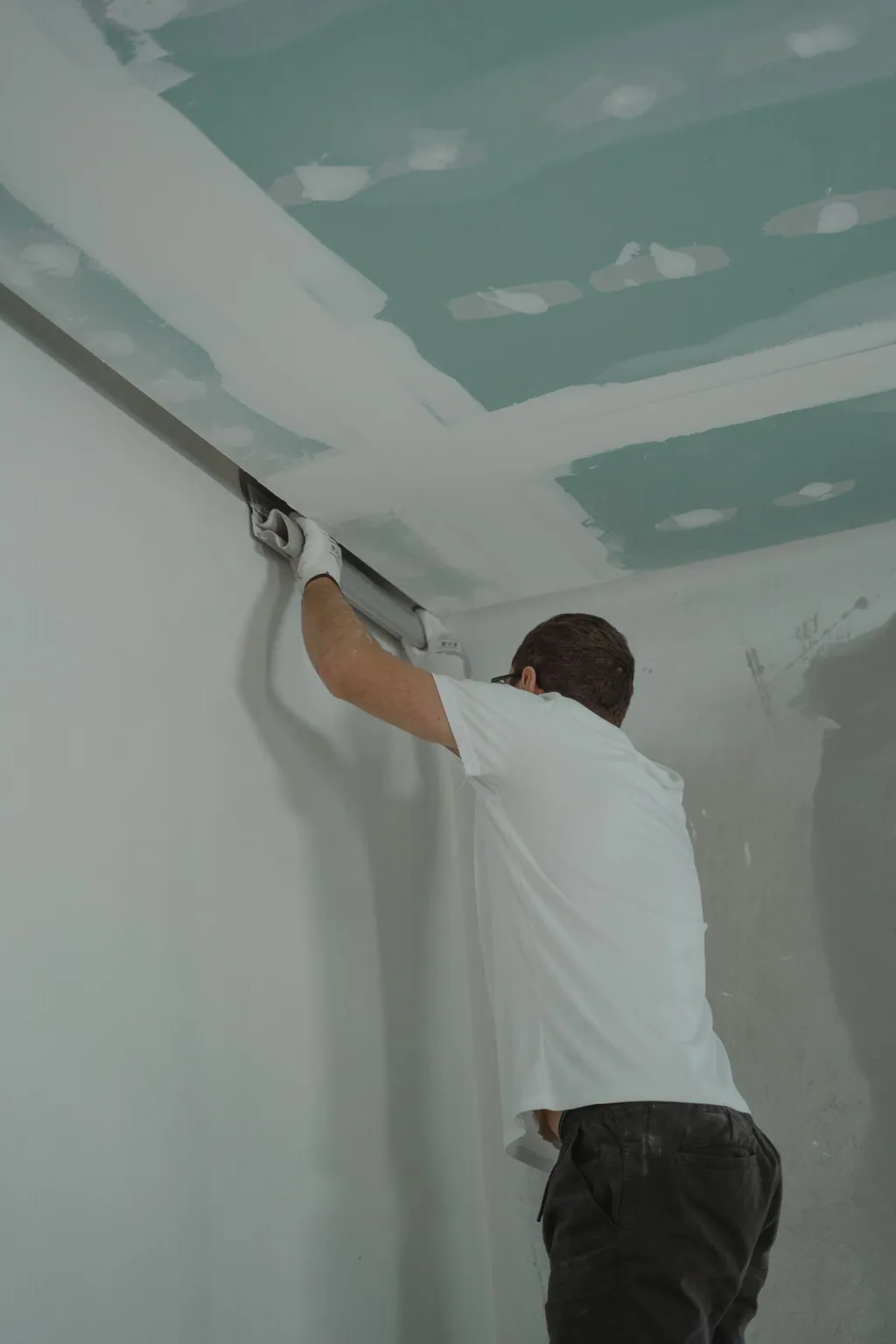 How-to
Painting a ceiling yourself: cut in, roll and keep a wet edge
Ceilings are easy to start and easy to streak. Here's the order of work, how to keep a wet edge and where DIY gets tiring or risky.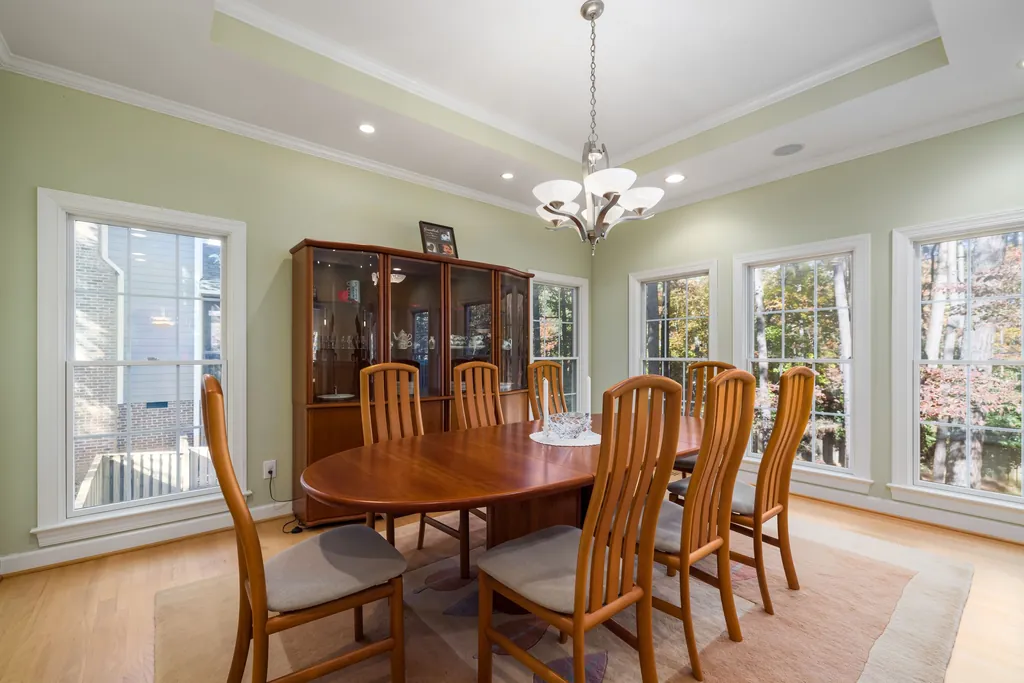 How-to
Painting a room yourself: our order of work, from tape to cleanup
The order we paint a room in, with the tools, the drying waits and an honest look at the parts that trip up first-timers.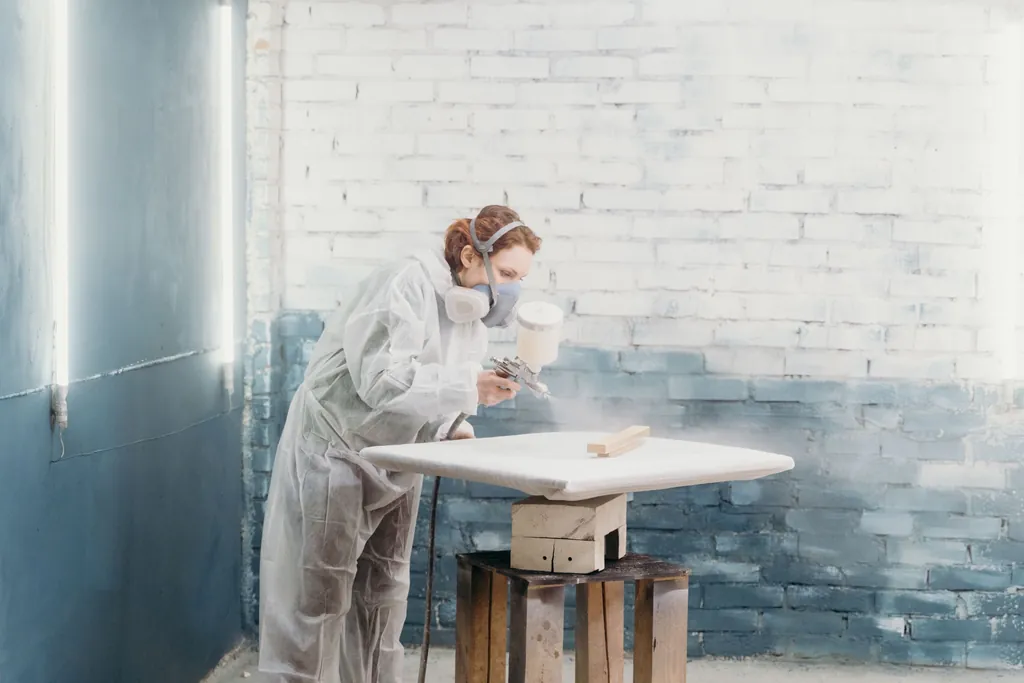 How-to
How to paint kitchen cabinets yourself, and where it gets hard
The whole process, from degreasing to the last coat, with honest drying times and a plain look at where DIY cabinet painting gets hard.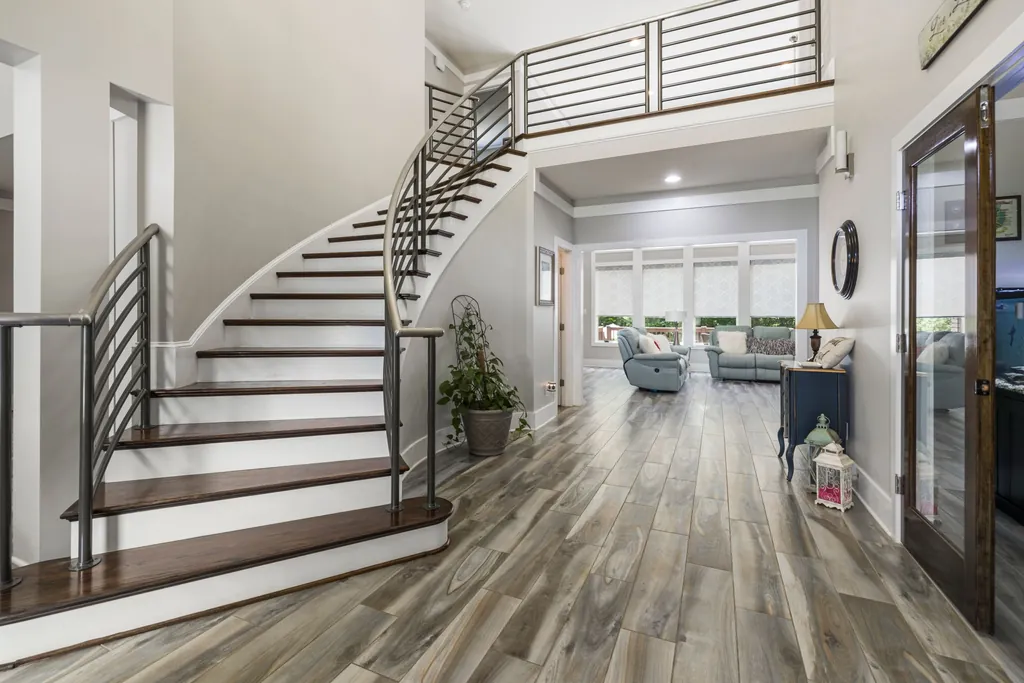 How-to
Painting stair railings: banisters, spindles and a finish that handles hands
A stair railing is mostly small surfaces and constant touching. Here's the order of work, the waits and why the finish takes longer than it feels.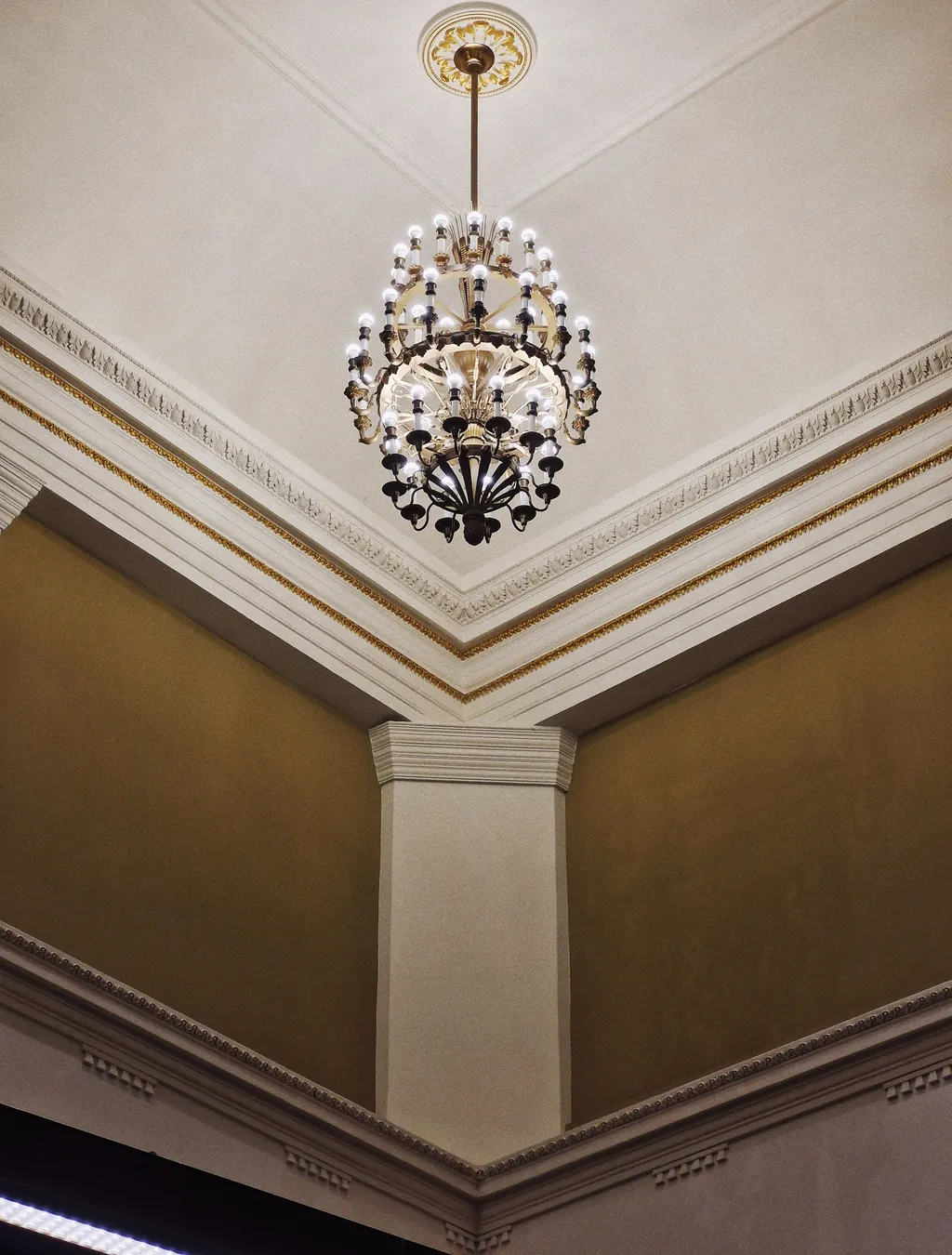 How-to
Painting trim yourself: prep, caulk and a steady brush
Trim frames every room, and the brush strokes you leave are the finish you live with. Here's the order of work, the waits and the hard parts.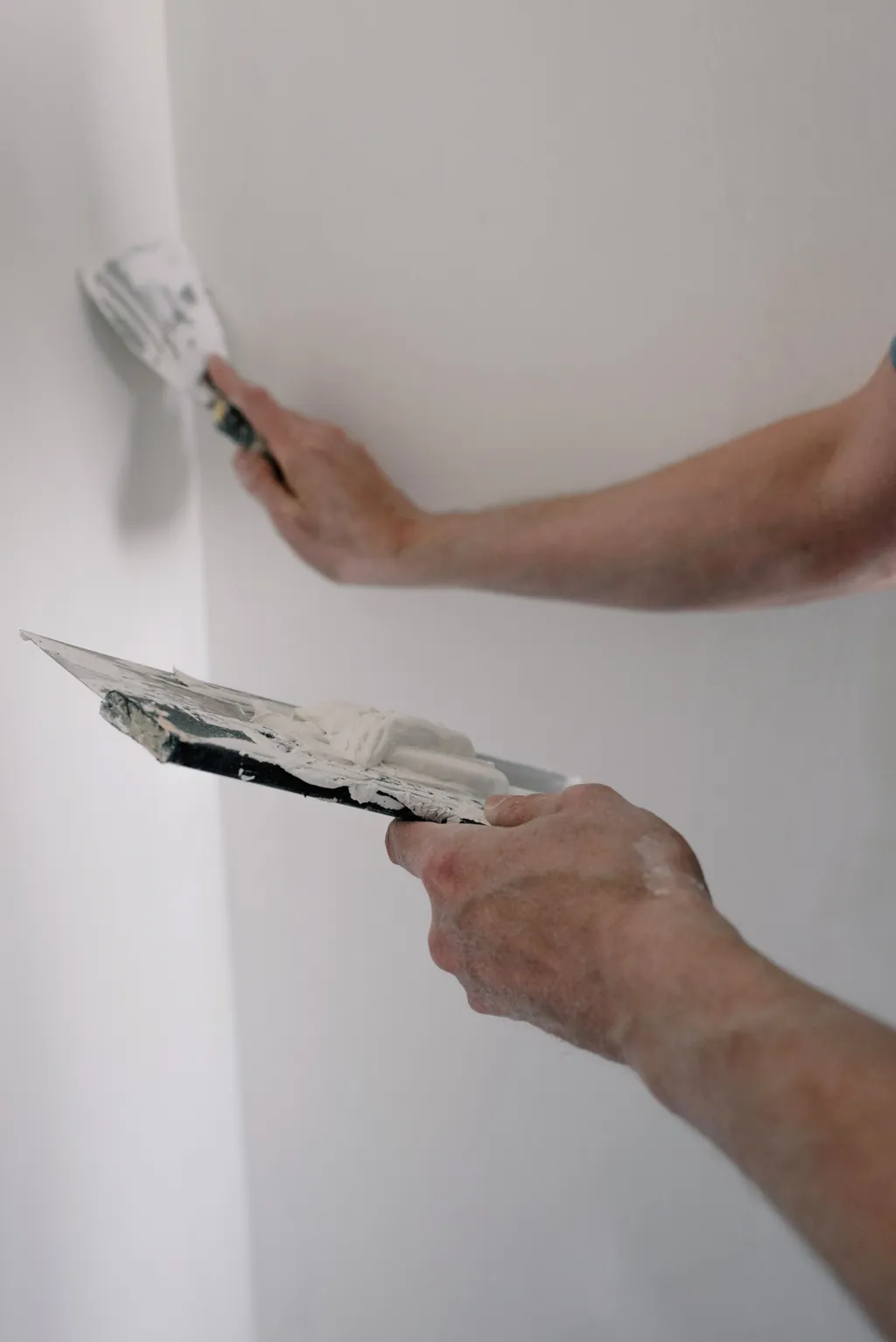 How-to
Patching drywall holes, from nail holes to a doorknob dent
Small holes are a patient afternoon, not a hard skill. Here's the method, the drying times that matter and where a patch stops being a DIY job.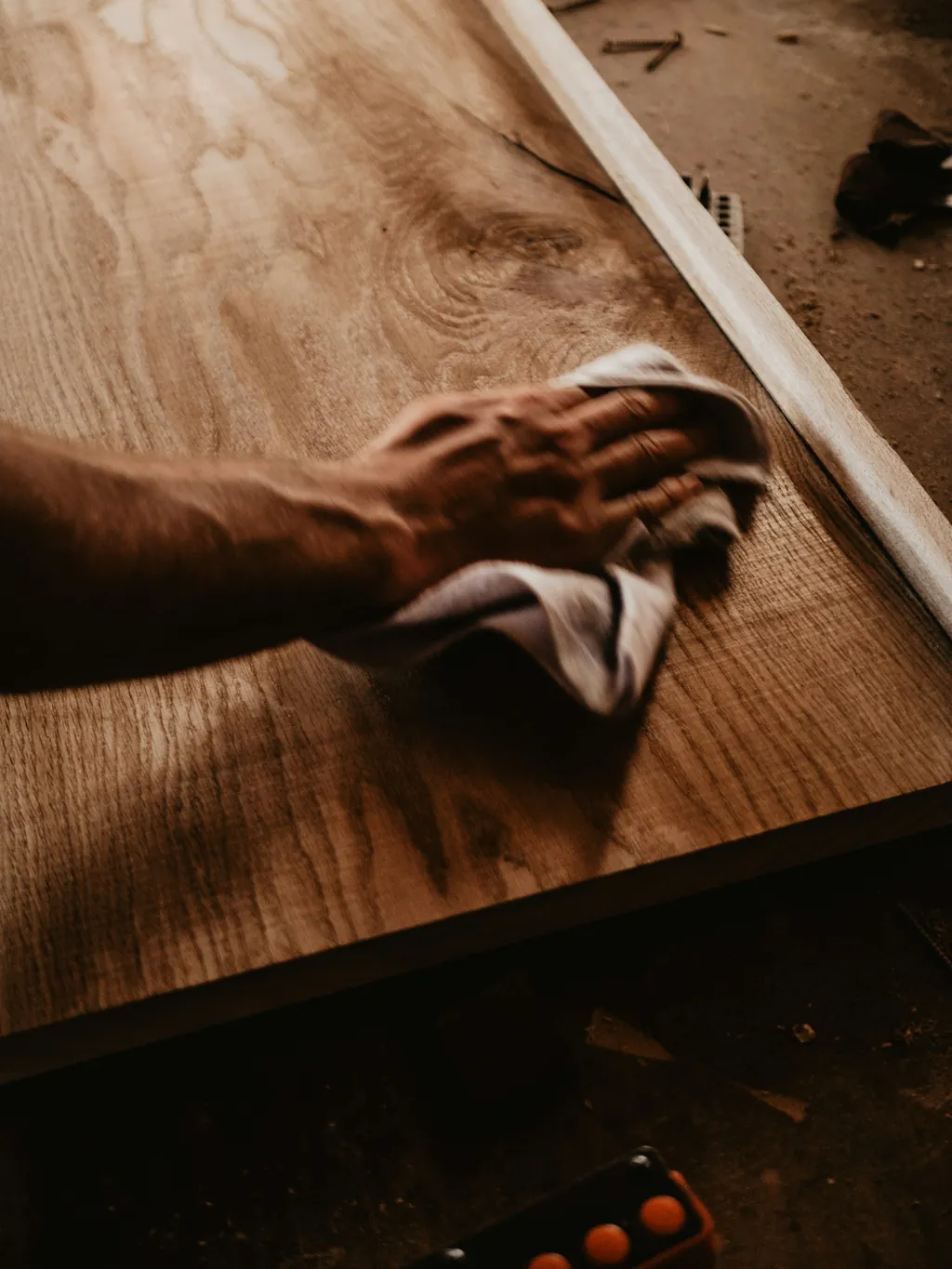 How-to
Prepping walls for paint: clean, patch, sand, prime
Prep is where a paint job is won or lost. Here's the order we do it in, what each step is for, and when to stop and call someone.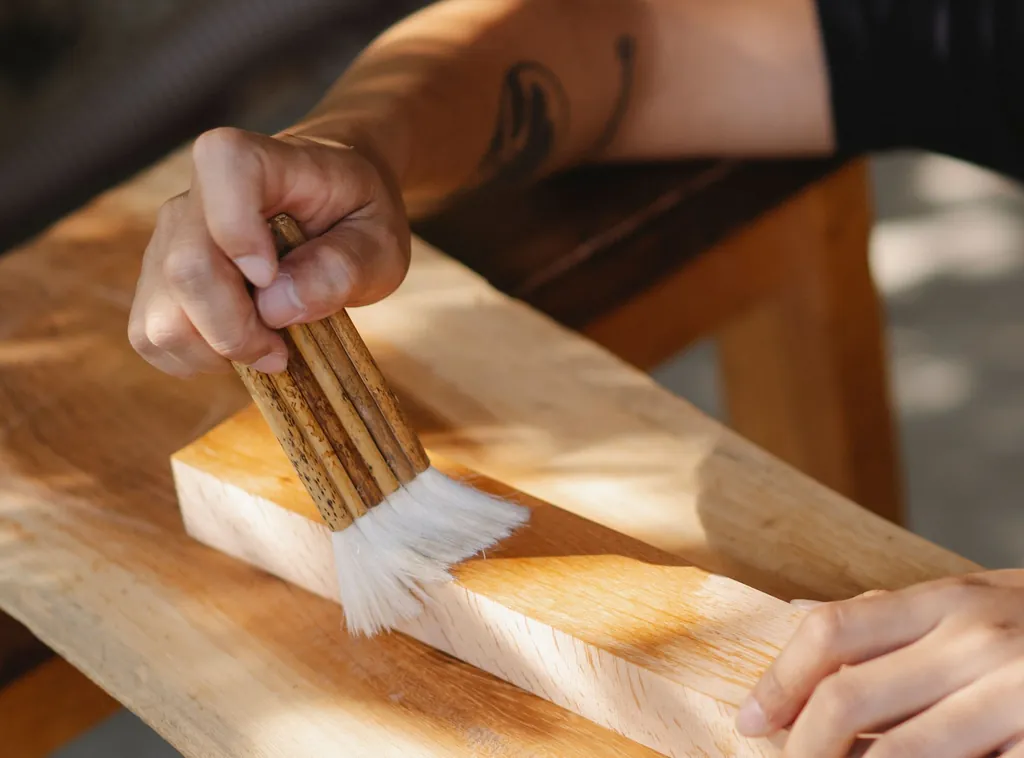 How-to
Staining a deck yourself: clean, dry, then keep a wet edge
Most deck staining goes wrong in the prep or the weather, not the brushing. Here's the order of work, the waits and where it gets hard.
Quick answers
Can you use drywall compound on plaster walls?
Yes, for cracks and small repairs. The National Park Service suggests all-purpose joint compound for fine cracks, quick-setting compound to bed fiberglass tape or fill depth, and all-purpose again as the last coat before sanding. Larger holes down to the lath are usually rebuilt with plaster over metal lath instead. More in repairing plaster walls: fill it, fasten it or rebuild it
Should I caulk baseboards before or after painting?
Before. Caulk the gaps, let it set, then paint the baseboard and the wall so the paint seals the caulk line. Some people touch up the caulk line again after the final coat. More in caulking baseboards: closing the gaps before you paint
Do I really have to wash walls before painting?
Yes, at least wherever they're dirty. Paint can't grip grease, soap film or smoke residue. At the least, dust the whole wall, wash the grimy areas and let everything dry. More in cleaning walls before you paint: what to use and what to skip
What sheen is best for bathroom paint?
Satin or semi-gloss. They wipe clean and handle condensation better than flat paint. The trade-off is that glossier paint shows flaws in the wall, so patch and sand carefully first. More in painting a bathroom yourself: moisture, mildew and the right order
Can I paint the inside of a fireplace?
Not with ordinary paint. Benjamin Moore says to paint only the outside of a brick fireplace, and that areas exposed to open flame need a specialized high-heat product. Ask a chimney professional or the paint maker before painting the firebox. More in painting a brick fireplace: prep, prime and what not to paint
Should I paint the ceiling or the walls first?
Paint the ceiling first. Drips and spatter from overhead land on the walls and floor, and it's easier to cover those than to repaint a finished ceiling. More in painting a ceiling yourself: cut in, roll and keep a wet edge
Do I paint the ceiling or the walls first?
Paint the ceiling first. Drips and spatter from overhead land on the walls, and it's easier to cover those than to repaint a finished ceiling. Trim and doors come last. More in painting a room yourself: our order of work, from tape to cleanup
Do I have to sand kitchen cabinets before painting?
Yes. Most cabinet finishes are too smooth for primer to grip, so Benjamin Moore's cabinet guide tells DIYers to scuff sand first. We sand every cabinet we refinish. Products sold as no-sand still need a thorough cleaning, and sanding is the step we wouldn't skip. More in how to paint kitchen cabinets yourself, and where it gets hard
Do I need to sand a stair railing before painting?
Yes. A varnished or glossy railing needs sanding or at least a thorough scuff so primer can grip. Painted railings need a light scuff and repairs. Never skip this on a handrail, because hands wear away poorly adhered paint quickly. More in painting stair railings: banisters, spindles and a finish that handles hands
Do I need to prime trim before painting?
Prime bare wood, stains, knots and filled spots. Clean, scuffed trim that's already painted usually takes trim paint directly, though glossy old oil-based trim is safer with a bonding primer. More in painting trim yourself: prep, caulk and a steady brush
Should I use spackle or joint compound?
Lightweight spackle is fine for tiny nail holes and dings because it dries fast. Joint compound is better for anything bigger, since it's cheaper, sands well and works with tape. More in patching drywall holes, from nail holes to a doorknob dent
Do I need to sand walls before painting?
Sand repairs flush with the wall, and lightly scuff glossy paint so the new coat grips. A clean, dull, undamaged wall doesn't need more than a wipe. Never skip sanding over patches, because ridges show through paint. More in prepping walls for paint: clean, patch, sand, prime
Should I brush, roll or spray deck stain?
Brush it. The Forest Products Laboratory says brushing improves penetration and uniformity. Spraying or rolling is fine for getting stain on quickly, but back-brush it into the wood. More in staining a deck yourself: clean, dry, then keep a wet edge
How-to: what to know
Plenty of painting is a good DIY project, and a careful homeowner can get a result that lasts. What separates a paint job that looks right for years from one that peels by next winter is rarely the paint itself. It's the prep, the order of work and the patience to let each coat dry. These guides show the order we follow, with the tools, the real waits and an honest note on where each job gets hard.
Start with prep, because most paint failures begin before the can is opened. Our guide to prepping walls for painting covers the whole sequence, and two parts of it have their own guides: how to clean walls before painting, including kitchens, bathrooms and smoke, and how to patch holes in drywall. Grease, soap film and unprimed patches cause a lot of peeling and blotchy finishes.
Once the walls are ready, the order matters. For a whole room, follow how to paint a room: ceiling first, then walls, then trim. The details have their own guides. How to paint a ceiling is about keeping a wet edge overhead, how to caulk baseboards closes the gaps that make trim look unfinished, and how to paint trim covers the brushwork that gives doors and baseboards a crisp finish.
Some jobs add a complication. A bathroom brings steam and mildew, so how to paint a bathroom starts with moisture. A railing is small surfaces that get gripped daily, which is why how to paint stair railings spends so much time on curing. Brick drinks primer and holds soot, and how to paint a brick fireplace explains what to paint and what to leave alone.
Outdoors, weather decides the job. How to stain a deck follows research from the Forest Products Laboratory in Madison, and it comes down to clean wood, a dry day and a wet edge. We stain and refinish decks as part of our exterior painting. Smaller exterior projects usually take one to three days, and we schedule them around dry weather.
The longest guide here is how to paint kitchen cabinets, and it's also the most candid. The job is doable, and it also takes longer and is harder to get smooth than most people expect. The guide ends with a plain look at when hiring makes sense, and our cabinet refinishing page shows how we do it: cleaning, degreasing, sanding and priming, with doors sprayed and frames finished in your kitchen.
One idea runs through every guide: dry isn't cured. Water-based paint can feel dry within hours and still take weeks to harden fully, so a freshly painted rail, door or cabinet needs a gentle first few weeks. Another is that old homes deserve a pause. If your house was built before 1978, find out whether the paint contains lead before you scrape or sand, and say how old the house is when you call anyone for a quote.
If you'd rather hand a job over, our interior painting covers walls, ceilings, trim and doors, and most rooms take one to two days. The written quote is the price, no extra charge if the job takes longer than expected. Browse the guides below, and ask for a free estimate whenever you want a second opinion on a job.
Find out what your project would cost
Send a few details. George will call to talk it through, visit if he needs to see the space, and send a free written quote.
Fully insured. George on every job. Thumbtack Top Pro 2023 to 2025.