Latex or oil-based paint: which one belongs on your walls and trim
· 5 min read · By GK Painting & Remodeling
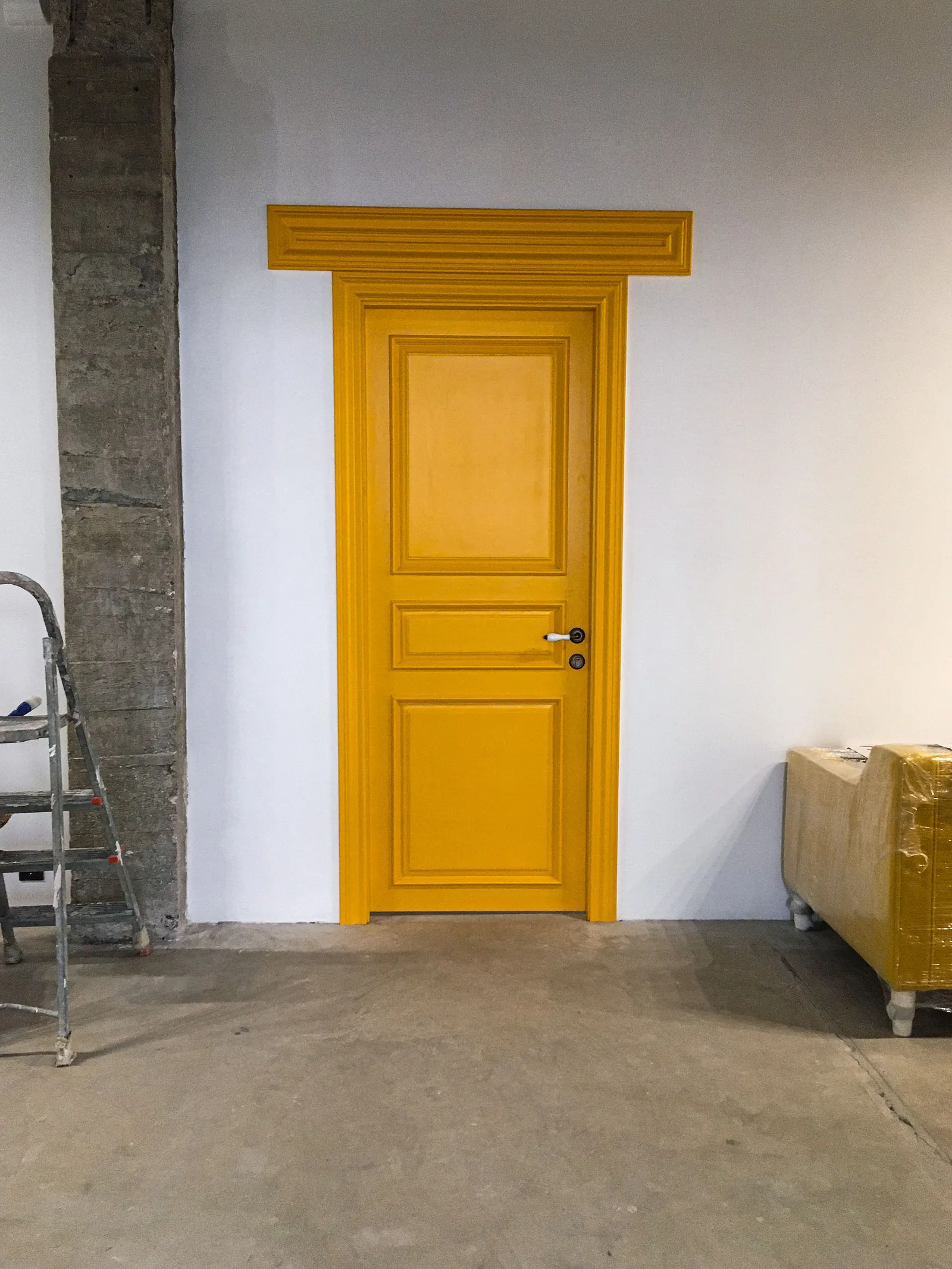
Latex paint is the default for walls: it dries faster, cleans up with soap and water and has lower VOC levels. Oil-based (alkyd) paint cures to a harder, glossier finish, which is why it's still used on trim, doors and cabinets, but it needs paint thinner for cleanup and extra care when you paint over it.
Here's what separates the two, why painting over old oil-based paint is where people get into trouble, and a third option that sits in between. If you're not sure what's on your walls, ask for a free estimate and mention it on the call.
What the names mean today
"Latex" is the everyday word for water-based paint, and you'll often see "acrylic" on the label too. "Oil-based" is a little loose as well. Dunn-Edwards points out that a true oil paint is something only your grandfather or great-grandfather would have used. Those gave way to synthetic resin paints called alkyds, which are only partly oil. Benjamin Moore puts it plainly: conventional alkyd paint is an oil-based paint.
So when a can says "alkyd" or "oil-based," it's the same family. When it says "water-based," "latex" or "acrylic," you're in the other one.
Latex and oil side by side
| Comparison | Latex (water-based) | Oil-based (alkyd) |
|---|---|---|
| Cleanup | Soap and water | Paint thinner |
| Dry to the touch | 1 to 2 hours | 4 to 8 hours |
| Ready for a second coat | 2 to 4 hours | 8 to 10 hours, or overnight |
| Full cure | 14 to 30 days | 7 to 10 days to start, then keeps hardening |
| VOC levels | Lower | Higher |
| Finish | Flexible, resists fading | Hard, smooth, glossy |
The drying and cure times are from a Dunn-Edwards bulletin, and they shift with temperature, humidity, color and how thick the coat goes on. Latex cures as the water leaves and the particles fuse into a film. Oil-based paint hardens by reacting with oxygen in the air, which is why it keeps getting harder over time. Our post on paint dry time versus cure time explains why "dry" and "ready" aren't the same thing.
Makers don't all give the same numbers. Benjamin Moore puts a conventional alkyd at about five days to a hard finish, a bit faster than the Dunn-Edwards figure. Treat the table as a pattern, not a promise: oil-based paint dries more slowly, then hardens by a different route.
Why oil-based paint is still around
The finish. Benjamin Moore says conventional alkyd cures to a hard, glossy surface that latex can't quite match, which suits interior trim, doors, cabinets and other high-use areas. A brushed coat flows out so smoothly it can look sprayed.
The costs are real, though. Conventional alkyds use petroleum-based solvents, carry higher VOC levels and need paint thinner for cleanup. Our post on low-VOC paint explains what those numbers mean and what to do about fumes.
There's a middle path too. Waterborne alkyds are paints with the flow and leveling of oil-based paint and soap-and-water cleanup. Benjamin Moore says its waterborne alkyds fully cure in approximately five days, against three to four weeks for latex acrylics.
They're not a drop-in swap if you've only ever used latex. Benjamin Moore warns there's a learning curve, because waterborne alkyds are less viscous, and suggests testing a small area before you commit to a whole door or cabinet. Our post on which paint type suits kitchen cabinets sets waterborne alkyd beside acrylic enamel and oil for cabinet work.
Painting latex over oil-based paint
This is where most failures happen. Old oil-based enamel gets harder and slicker over time, and water-based paint doesn't wet it well. Dunn-Edwards compares repainting it to painting glass. The National Park Service explains the mechanics in its guidance on paint problems: oil paint keeps hardening with age, and the shrinkage of a new coat drying puts stress on it, so latex applied straight over old oil paint is more apt to fail.
It can be done, and it comes down to prep. This is the order that works:
- Confirm what's there. Rub a cotton ball soaked in rubbing alcohol over the paint. If some paint comes off on the cotton, it's latex. If not, it's oil-based.
- Clean off cooking grease, fingerprints, nicotine and anything else that could keep new paint from sticking.
- Sand the gloss dull. Dunn-Edwards says scuff-sanding isn't enough; the surface should end up essentially flat.
- Wipe away the dust and prime. For latex over oil, the Park Service recommends an oil-base primer first.
- Apply the topcoat, and expect two coats.
That's the same sequence we use for trim and doors on an interior painting job: clean, sand, repair, prime, then paint. Our guide to painting trim walks through the DIY version, and do you need primer covers which one to buy.
Cabinets, banisters and other classics
Dunn-Edwards names the classic oil-based surfaces worth saving: a worn banister, original cabinetry and other architectural details in older houses. Its advice for anyone considering replacing them is to repaint instead, and to treat prep as the main event.
That matches how we work. On every cabinet refinishing job, the cabinets are cleaned, degreased, sanded and primed before any paint goes on, and the doors and drawer fronts are sprayed. Our guide to painting oak cabinets shows what that prep does for a grainy surface.
Painting oil-based over latex
The reverse can fail too. The Park Service notes that oil paint applied over latex can peel, because as it ages the oil paint becomes harder and less elastic than the latex underneath it. If you want an oil-based finish over a latex surface, sort out the prep and primer before you buy the can.
Older homes and old trim
Older homes add one more consideration. EPA reports that about three-quarters of the homes in the United States built before 1978 still contain some lead-based paint, and its Renovation, Repair and Painting rule sets lead-safe work practices for paid work that disturbs painted surfaces in those homes. Sanding old woodwork is exactly the kind of work that disturbs paint, so mention your home's age when you call.
Whatever the age, leftover paint and thinner need proper disposal. Our post on how to dispose of paint in Dane County covers where it goes.
Which one to choose
- Walls and ceilings: latex. It dries fast, cleans up easily and has lower VOC levels.
- Trim, doors and cabinets: oil-based or waterborne alkyd if you want the hardest, smoothest finish, or a latex enamel if you want the simplest job. The surface and what's on it decide.
- Over old oil-based paint: either stay with oil, or do the prep above and prime for adhesion.
- Anywhere you'll be wiping and washing: the sheen matters as much as the paint type, and our guide to paint sheens shows how to pick one.
You don't have to settle this alone. Interior painting is priced by the square footage of the space, with paint included, and George can tell you on the estimate call what he'd suggest for your trim and doors.
Common questions
Can you put latex paint over oil-based paint?
Yes, with prep. Clean the surface, sand the gloss until it's essentially flat, and prime before the latex goes on. Skip those steps and the latex has a hard time sticking and may peel.
Can you put oil-based paint over latex?
It's possible, but it can peel. As oil paint ages it becomes harder and less elastic than the latex under it, so ask about the right prep before you try it.
How can I tell if my paint is oil-based or latex?
Rub a cotton ball soaked in rubbing alcohol over a hidden spot. If some of the paint comes off on the cotton, it's latex. If it doesn't, it's oil-based.
Is oil-based paint better than latex?
Better for different jobs. Oil-based paint cures to a harder, glossier finish, which is why it's used on trim, doors and cabinets. Latex dries faster, cleans up with soap and water, and has lower VOC levels, which makes it the usual choice for walls.
Does oil-based paint smell stronger than latex?
Generally, yes. Conventional alkyds use petroleum-based solvents and have higher VOC levels than latex. Keep the room ventilated with either type.
Sources
- Waterborne Alkyd Paint, Benjamin Moore
- Refinishing Oil-based Surfaces Like a Pro, Dunn-Edwards
- Preservation Brief 10: Exterior Paint Problems on Historic Woodwork, National Park Service
- Dry Time versus Cure Time of Paint (technical bulletin), Dunn-Edwards
- Lead Renovation, Repair and Painting Program, U.S. Environmental Protection Agency
More on interior painting and every paint basics post.