
Paint basics: sheens, primers and how paint works
What the words on the can mean, and why they matter. Start here if you're comparing sheens, primers or paint types.
11 posts on paint basics
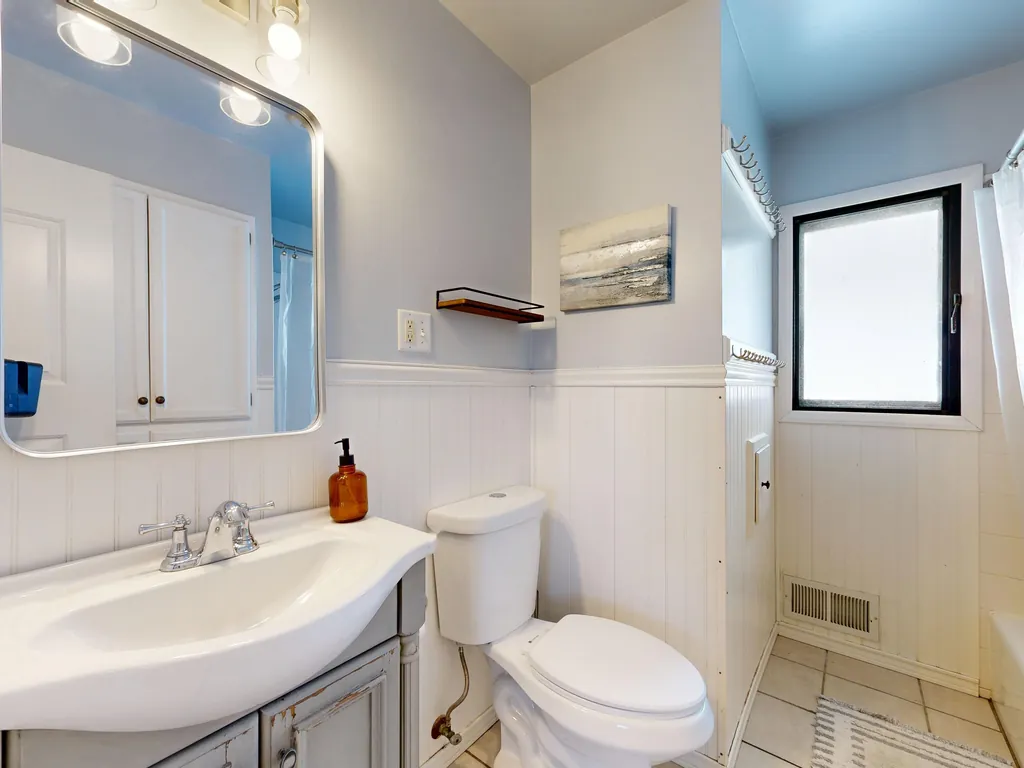 Paint basics
The best paint for bathroom walls is built for steam, not shine
Mildew resistance, a real scrub result, the right sheen and enough cure time before the first shower: how to choose bathroom wall paint for the room you have. Paint basics
Do you need primer? A plain guide to when it matters
Prime new drywall, patches, stains, glossy surfaces and big color changes. Over sound paint in a similar color, you can usually skip it. Paint basics
Does painting add value to a home? An honest answer
Fresh paint helps a home sell, but nobody can honestly promise a dollar return. What Realtors recommend and what appraisers look at. Paint basics
How long paint lasts, on the wall and in the can
Five to ten years is a fair working number on the wall, and about two years in an opened can. What changes those numbers, and how to tell. Paint basics
How many coats of paint you need, and when one is enough
Two coats for walls is the standard. When one is enough, when primer changes the count, and how long to wait between coats. Paint basics
How much paint you need for a room, with the math worked out
Measure the walls, divide by the coverage on the can, and multiply by the coats. Here's the math, worked through for one real-sized room. Paint basics
Latex or oil-based paint: which one belongs on your walls and trim
Latex dries fast and cleans up with water. Oil-based cures harder and glossier. What each is good for, and how to paint over old oil.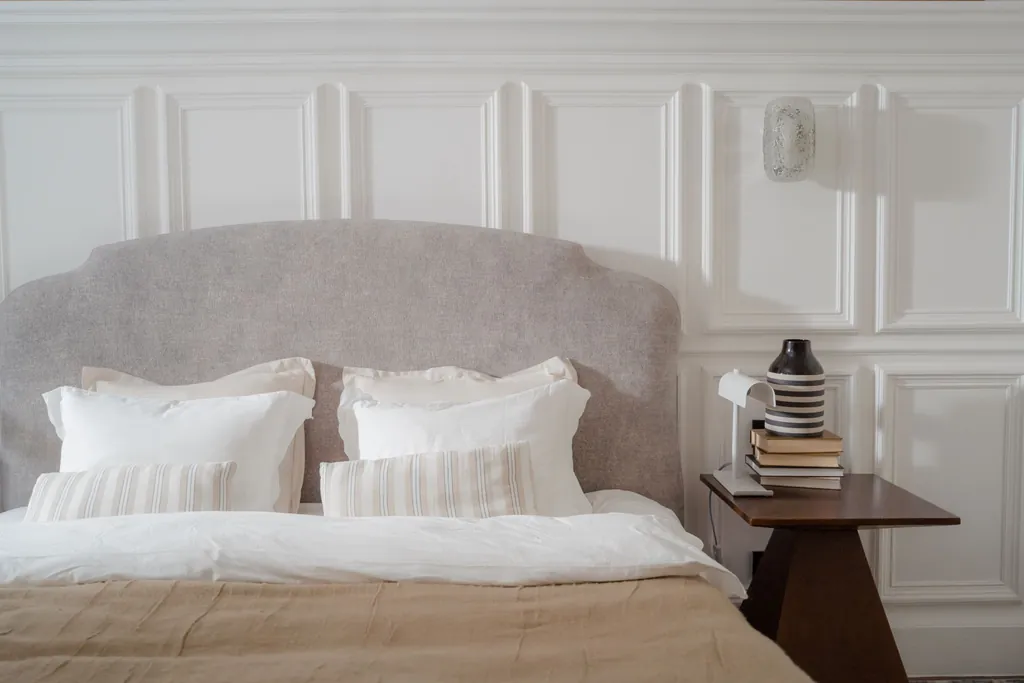 Paint basics
Low-VOC paint: what the label means and what it doesn't
Low-VOC paint has fewer fumes per liter, but the label isn't standardized. What EPA says, what to read on the can, and what really keeps the air clear.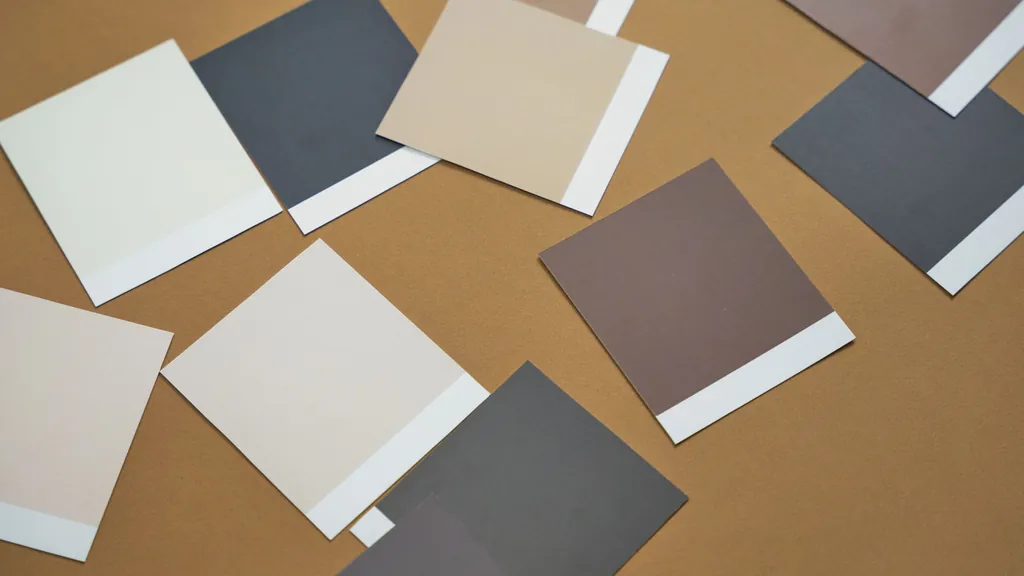 Paint basics
Paint dry time versus cure time: when a wall is really ready
Latex feels dry in an hour or two and cures in two to four weeks. What each stage means and what to avoid until the paint has hardened.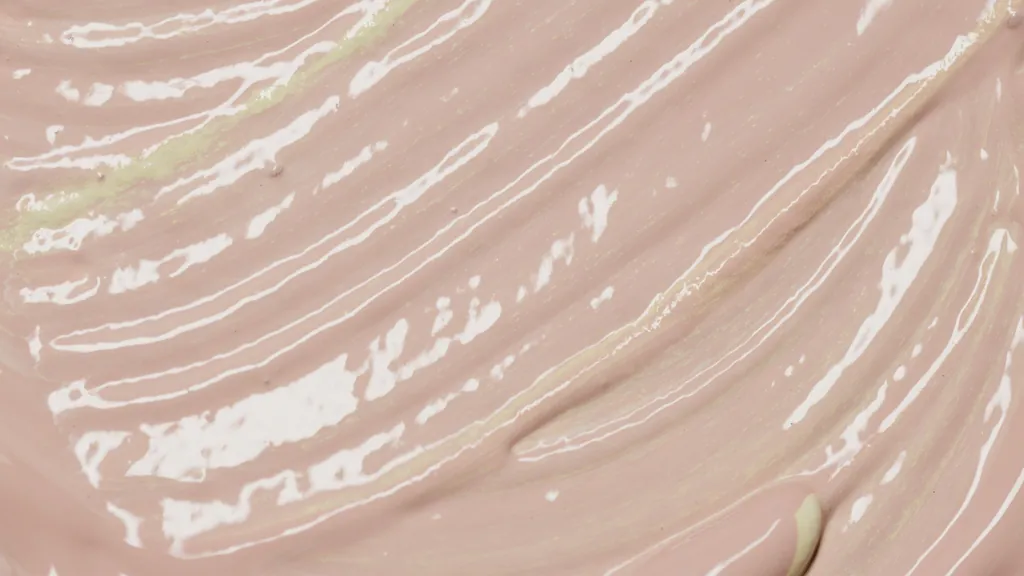 Paint basics
Paint sheens explained, from flat to high gloss
Sheen is how much light a paint reflects. Here's what each step from flat to gloss looks like, and which one fits each room.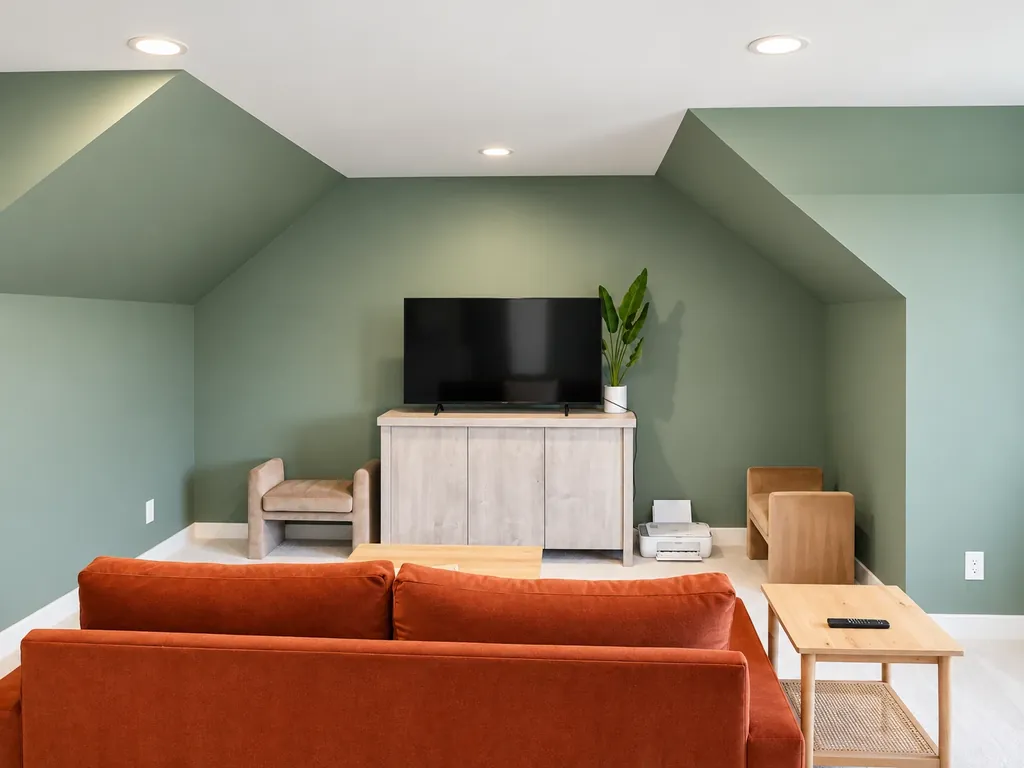 Paint basics
Why paint your home? Protection, light and a better sale
Paint protects surfaces, changes the light, and signals a well-kept home. The case for painting, and the cases where you should wait.
Quick answers
What kind of paint is best for bathroom walls?
A water-based interior paint with a mildew inhibitor and a scrub result on its data sheet, in satin or semi-gloss for a room with a shower. Paints sold for kitchens and baths are made for the job. Whatever you buy, the bathroom also needs a fan that vents outdoors, or the new paint won't last. More in the best paint for bathroom walls is built for steam, not shine
Can I use paint and primer in one instead of a separate primer?
On clean, sound walls, yes. On stained walls, bare patches or a big color change, a separate primer does the job better. Paint makers describe "self-priming" as working on properly prepared surfaces only. More in do you need primer? A plain guide to when it matters
Does painting your house increase its value?
It can help a home sell and show better, but no reliable source we found gives a dollar return for painting, and we won't invent one. Realtors rank it among the most recommended projects before a sale. More in does painting add value to a home? An honest answer
How often should you repaint interior walls?
Every five to ten years is typical: a paint maker tells homeowners to expect that from a paint job, and busy rooms may need attention sooner. Repaint when the paint loses its gloss, fades, or has stains and scuffs that won't wash off. More in how long paint lasts, on the wall and in the can
Is one coat of paint enough?
Sometimes: over sound paint in a similar color, with a paint that hides well and a clean surface. Even so, Benjamin Moore recommends two coats of its paint-and-primer products for full color development and the best performance. More in how many coats of paint you need, and when one is enough
How many gallons of paint do I need for a 12 by 12 foot room?
About two gallons for two coats on the walls. With 8 foot ceilings the walls total 384 square feet. Subtract a door and two windows and you have about 340, two coats is 680 square feet, and that's 1.9 gallons at 350 square feet per gallon. More in how much paint you need for a room, with the math worked out
Can you put latex paint over oil-based paint?
Yes, with prep. Clean the surface, sand the gloss until it's essentially flat, and prime before the latex goes on. Skip those steps and the latex has a hard time sticking and may peel. More in latex or oil-based paint: which one belongs on your walls and trim
What does low-VOC paint mean?
It means the paint contains less volatile organic compound per liter than ordinary paint, but there's no single standard behind the phrase. EPA says labels and certifications for indoor products aren't standardized, so compare the grams-per-liter number on the can. More in low-VOC paint: what the label means and what it doesn't
How long does paint take to cure?
Latex paint takes about 14 to 30 days to cure fully, according to a Dunn-Edwards bulletin, and Benjamin Moore puts walls at about 30 days. Oil-based paint begins to cure in 7 to 10 days and keeps hardening after that. More in paint dry time versus cure time: when a wall is really ready
Is eggshell or satin better for walls?
Eggshell hides bumps better, and satin wipes clean better. For a bedroom or living room, eggshell is usually the better fit. For a hallway or kitchen where hands and splatters land, satin earns its keep. More in paint sheens explained, from flat to high gloss
How often should you repaint your house?
Every five to ten years is typical: one paint maker tells homeowners to expect that from indoor and outdoor paint, and the National Park Service puts exterior wood at about five to eight. The surface and how much weather and wear it sees change it. Repaint when the paint loses its gloss, fades or turns chalky. More in why paint your home? Protection, light and a better sale
Paint basics: what to know
Paint looks simple until you're standing at the counter with five sheens, three kinds of primer and a can that promises one coat. This is the short version of what the words mean, with a link to the longer answer for each. If you'd rather hand the whole thing to someone else, our interior painting is priced by the square footage of the space, with paint included.
Start with the type. Water-based paint, usually called latex or acrylic, dries fast, cleans up with soap and water and has lower VOC levels. Oil-based (alkyd) paint cures to a harder, glossier finish and needs paint thinner, which is why it's still used on trim and doors. Our post on latex versus oil-based paint covers how to paint over old oil-based woodwork without it peeling, and low-VOC paint explains what the number on the can really means and why ventilation matters whatever the label says.
Next comes sheen, which is how much light a paint reflects. Flat hides flaws in a wall, and higher sheens are tougher and wipe clean but show every bump underneath. The names aren't standardized, so one maker's eggshell is another's satin. Our guide to paint sheens lays out the scale from flat to gloss and which one suits each room.
Then primer and coats. Prime bare drywall, patches, stains, glossy surfaces and big color changes. Sound walls in a similar color usually don't need it, and do you need primer shows how to tell the difference. Two coats is the standard for walls, as how many coats of paint explains. The quantity is simple arithmetic: wall area divided by roughly 300 to 400 square feet per gallon, times the number of coats, and how much paint do I need works through a real room.
Time is the part people rush. Latex paint is typically dry to the touch in one to two hours and ready for a second coat in two to four, but it takes about 14 to 30 days to cure fully. Until then it can scuff, stick to furniture and lose color when scrubbed, so go easy on the walls for the first couple of weeks. Paint dry time versus cure time has the details for latex and oil-based paint.
Then there's how long all of it lasts. One paint maker tells homeowners to expect five to ten years from a paint job, and exterior wood runs on a shorter clock. Rooms that get hand marks, grease or steam wear faster than a spare bedroom. An opened can keeps about two years if it's sealed and kept from freezing. How long paint lasts covers the signs that it's time to repaint and the signs a can has gone bad.
Last, why bother. Paint protects surfaces from moisture and wear, changes how much light a room holds and keeps a house looking cared for, which is the argument in why paint your home. If you're selling, Realtors in NAR's 2025 survey recommended painting more often than any other pre-sale project, but nobody can honestly promise a dollar return, and does painting increase home value explains what the evidence does and doesn't say.
Still stuck on a choice? Tell us about the room and what's on the walls, and ask for a free estimate. George will talk it through on the phone, and visits if he needs to see the space.
Find out what your project would cost
Send a few details. George will call to talk it through, visit if he needs to see the space, and send a free written quote.
Fully insured. George on every job. Thumbtack Top Pro 2023 to 2025.