Paint sheens explained, from flat to high gloss
· 5 min read · By GK Painting & Remodeling
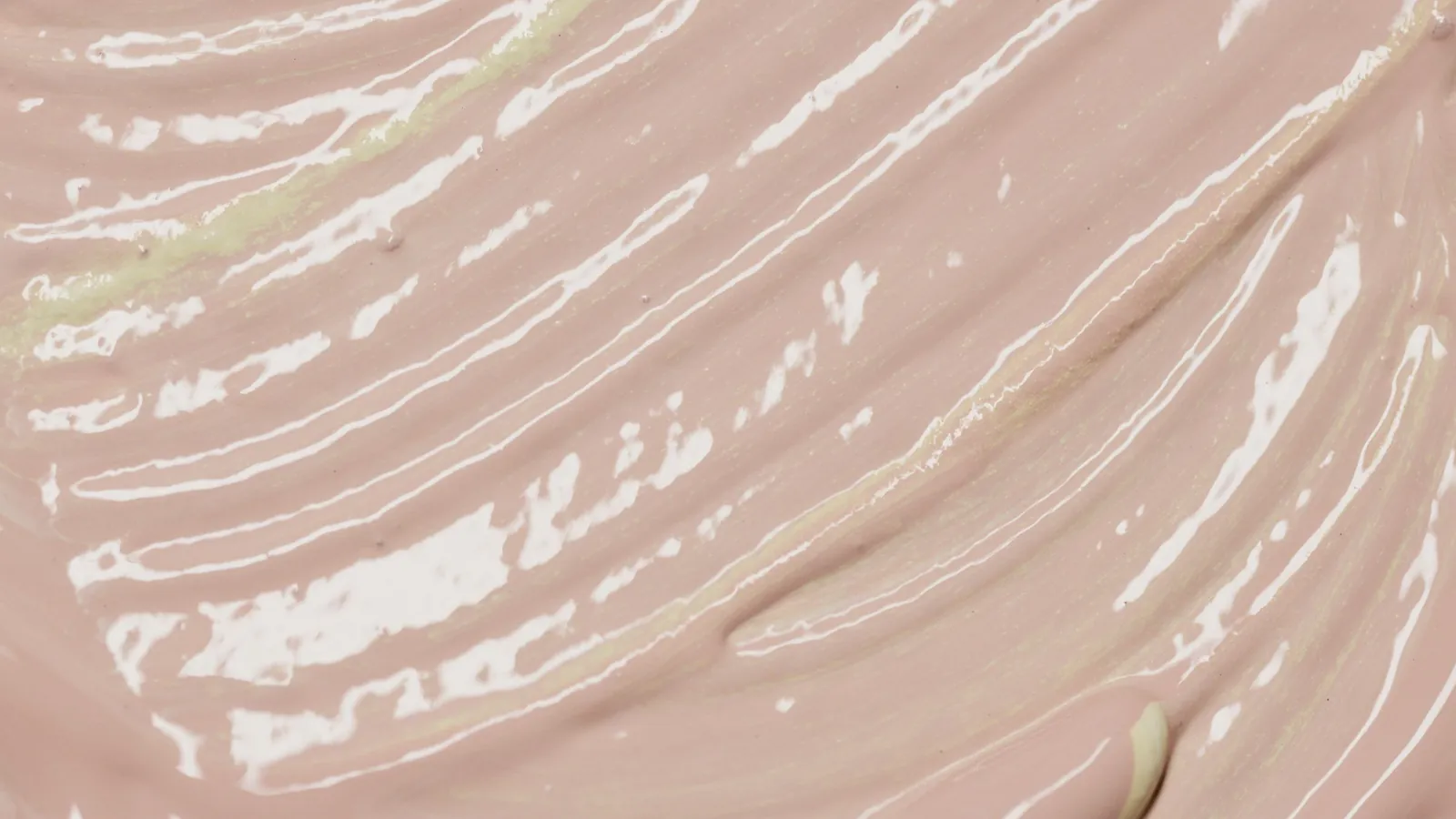
Sheen is how much light a paint reflects, from flat (almost none) to high gloss (a lot). The lower the sheen, the better it hides flaws in a wall; the higher it is, the easier it wipes clean.
That trade-off is the whole decision. Below is what each step on the scale looks like, why the names overlap from one paint maker to the next, and how to match a sheen to the room you're painting. If you'd rather talk it through, ask for a free estimate and we'll go over sheen on the call.
What sheen actually measures
Sheen is a measure of the light that bounces back from a painted surface. On a flat finish most of that light scatters in every direction, which is why flat walls look soft and velvety. On a glossy finish more of it reflects straight back, like a mirror, which is why gloss looks shiny and shows every ripple underneath.
The difference comes from the paint itself. A paint with more binder, the resin that hardens as the paint dries, forms a smoother surface and reflects more light. A paint with less binder leaves tiny grains of pigment at the surface, and those scatter the light instead.
Paint makers measure it with a gloss meter. The reading is in gloss units at a 60 degree angle, and the Master Painters Institute scale that many commercial specifications follow runs from 5 units or less for a traditional flat to more than 85 for high gloss. You don't need to memorize that. It's just useful to know there's a real number behind the names.
The sheens side by side
| Sheen | Gloss units at 60 degrees | How it looks | Where it fits |
|---|---|---|---|
| Flat or matte | Up to 5 | No shine, soft look | Ceilings, low-traffic walls |
| Eggshell | 10 to 25 | A faint glow | Bedrooms, living rooms |
| Satin | 20 to 35 | A low, even sheen | Hallways, kids' rooms, kitchens |
| Semi-gloss | 35 to 70 | Clearly shiny | Trim, doors, bathrooms |
| Gloss | 70 to 85 | Mirror-like | Accents, some trim |
The ranges come from the Master Painters Institute levels as Rodda Paint lists them. Notice that eggshell and satin overlap, and that isn't a typo. The names aren't standardized, so one maker's eggshell is another maker's satin, and some call theirs pearl or velvet.
Flat and matte
Flat is the most forgiving finish. With almost no light bouncing back, it hides roller marks, patched spots and wall texture that a shinier paint would show. That's why it's the usual choice for ceilings and for walls in rooms that don't take much abuse. Benjamin Moore's guide to painting a room says the same thing: if your walls have imperfections, flat or matte is more forgiving than semi-gloss or gloss.
Flat has two drawbacks. It's the hardest sheen to clean, because rubbing can burnish it and leave a shiny patch, and Benjamin Moore advises a gentler touch on flat, matte and eggshell. The upside is that a flat wall can often be touched up in place without repainting the whole wall, which a glossy one usually can't.
Eggshell and satin
These two sit in the middle of the scale, and they're where most living areas end up. Eggshell has a faint glow. Satin has a bit more and wipes clean better. Benjamin Moore groups eggshell with the lower sheens that want a gentle touch, and satin with the higher ones that are easier to clean.
Because the two overlap, don't assume a satin from one maker is shinier than an eggshell from another. If it matters, compare the gloss numbers. Sheen can also change how a color looks, so brush a sample onto a wall in the room and check it in the light you'll actually have, in the morning and again with the lamps on. Our guide to testing paint colors works for sheen, too.
Semi-gloss and gloss
Shinier paint is harder-wearing and easier to clean. Gloss paints are generally more resistant to damage and staining than flat ones, which is why semi-gloss is the usual choice for trim, doors and any spot that gets wiped down. Benjamin Moore puts it simply: the higher the gloss, the easier the surface is to clean.
The price of that toughness is honesty. Gloss shows every flaw underneath it: sanding marks, brush strokes, patched holes and dents in the drywall. On a board wall it shows every joint too, which is why our shiplap painting guide leans toward satin. The surface has to be prepared more carefully before a glossy finish goes on, and a high-gloss wall over uneven plaster looks like a relief map.
Matching sheen to the room
- Ceilings: flat. It hides flaws, and nobody scrubs a ceiling.
- Bedrooms and living rooms: flat or eggshell, depending on whether you'd rather hide bumps or wipe off marks.
- Hallways, stairwells and kids' rooms: eggshell or satin. These are the walls that collect hand prints, and our post on painting a stairwell shows why they're worth a tougher finish.
- Kitchens and bathrooms: satin or semi-gloss, because steam and splatter mean you'll be washing the walls.
- Trim, baseboards and doors: semi-gloss, so scuffs wipe off. See painting interior doors for how those are handled.
Our guide to the right finish for each room goes through the rest of the house. Painted cabinets and trim take more handling than walls, and the finish that suits a bedroom wall is usually too soft for them. If you're thinking about your kitchen, our post on the best paint finish for kitchen cabinets takes that question on directly.
Common sheen mistakes
Most sheen regrets come from a handful of choices that seemed fine at the paint counter:
- Flat paint in a steamy bathroom or a busy kitchen, where it can't take the scrubbing the room demands.
- High gloss on bumpy or patched walls, which turns every flaw into a highlight.
- Picking by the name on the can instead of the gloss reading, then finding the satin looks like eggshell.
- Skipping the sample. A paint chip can show you a color, but not how the finished sheen will look on your wall.
- Touching up a shiny wall with a different sheen, which leaves a visible patch even when the color matches.
The last one is worth planning for. Whatever you choose, write the sheen on the can when you're done so a touch-up months from now matches.
Sheen and wall prep
Sheen decides how much of your wall's history shows, so it also decides how much prep the wall needs. On every interior painting job, floors and furniture are covered first and small holes are repaired. On a flat finish, a well-made patch is hard to find. Under semi-gloss, a patch that's slightly proud or sanded unevenly catches the light and shows.
If you're painting yourself, give a glossy finish more prep time than you'd give a flat one. Our guide to prepping walls for painting covers the order of work.
Choosing a sheen when you hire a painter
Tell your painter what you care about, and the sheen follows. Interior painting is priced by the square footage of the space, with paint included, so mention the sheen you have in mind on the estimate call, or ask what George would suggest for each room. A phone call comes first, and he visits if he needs to see the space.
Common questions
Is eggshell or satin better for walls?
Eggshell hides bumps better, and satin wipes clean better. For a bedroom or living room, eggshell is usually the better fit. For a hallway or kitchen where hands and splatters land, satin earns its keep.
What sheen hides wall imperfections best?
Flat. Less reflected light means less to catch on patches, roller marks and uneven drywall finishing. The shinier the paint, the more careful the prep has to be.
Is flat paint washable?
It can be cleaned, but it takes a gentler touch than a higher sheen, and rubbing can leave a shiny spot. If a room gets a lot of hand marks, step up to eggshell or satin.
Do paint sheen names mean the same thing from every brand?
No. The names aren't standardized, so one maker's eggshell can be another's satin or pearl. Compare the gloss reading, measured in units at a 60 degree angle, when it's listed on the product data sheet.
Can I use different sheens in the same room?
Yes, and most rooms do: flat or eggshell on the walls and ceiling, a shinier finish on trim and doors. Keep the sheen the same across any one wall, because two sheens on one surface show up as patches in side light.
Sources
- Selecting Gloss Level (Master Painters Institute gloss levels), Rodda Paint
- Paint sheen, Wikipedia
- How to Clean Walls Without Damaging Paint, Benjamin Moore
- How to Paint a Room in 7 Steps, Benjamin Moore
- Product data sheet: interior/exterior acrylic flat paint, Dunn-Edwards
More on interior painting and every paint basics post.