The best paint for trim levels smooth, lets go and stays white
· 7 min read · By GK Painting & Remodeling
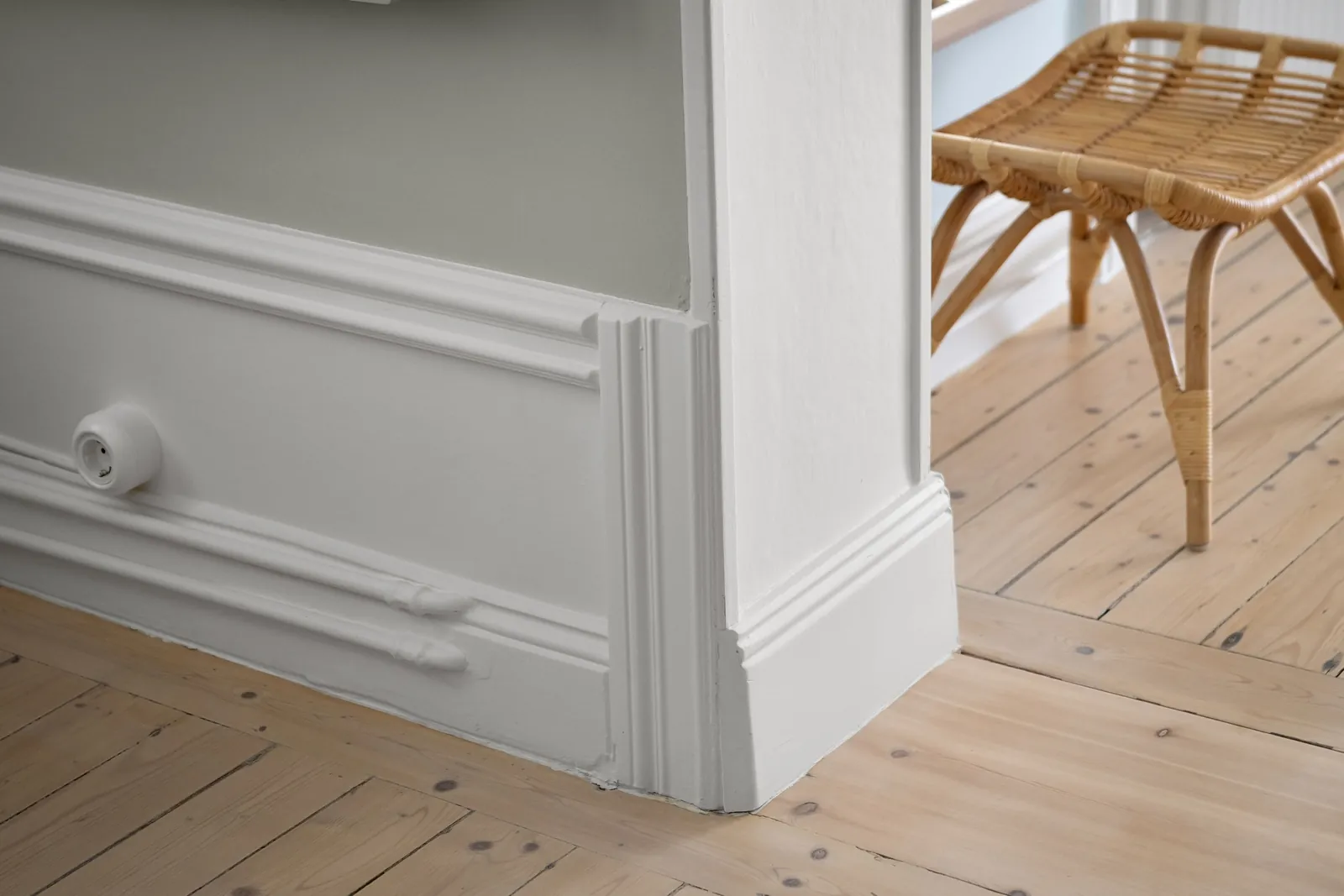
The best paint for trim is an enamel made for trim and doors. For most interior baseboards, casings and crown, that means a waterborne alkyd or an acrylic enamel in satin or semi-gloss: waterborne alkyd flows out most like oil, and acrylic resists sticking and holds its white. Traditional oil-based paint cures hard but yellows, worst in the shade.
Below: what trim paint has to do, the three types side by side, our Kick, Close, Keep White test, how to choose a white, and what changes when stained wood trim goes white. For the brushwork itself, see how to paint trim.
What the best paint for trim has to do
Trim paint is an enamel: it levels into a smooth film, cures harder than wall paint, lets go where doors and windows close against it, and keeps its color in the corners light never reaches.
The USDA's Wood Handbook explains the shine. Smooth surfaces, consistent color and a lasting sheen are often wanted on interior woodwork, especially trim, so high-gloss and semi-gloss enamels are more common there than flat paints. Our interior painting covers trim, doors and crown along with the walls.
Trim paint types compared
| Type | Strongest at | Weakest at | Cleans up with |
|---|---|---|---|
| Waterborne alkyd | Flow and leveling close to oil | Thinner than latex, so it takes practice | Soap and water |
| Acrylic enamel | Resisting sticking, holding its white | A long cure of about three to four weeks | Soap and water |
| Oil-based alkyd | A hard, glossy film in about five days | Yellowing, fumes and solvent cleanup | Paint thinner |
The facts come from the makers cited below; the wording and the picks are our editorial guide, not a measurement.
Waterborne alkyd: the leveler
Benjamin Moore describes waterborne alkyds as giving the flow and leveling of oil-based paint with soap and water cleanup, and calls them a favorite for cabinets, trim and doors. Flow matters most on a long baseboard, where low light from a window picks out every brush mark.
The same page says these paints are less viscous than latex, so latex users face a learning curve, and suggests testing a small area first. It puts their full cure at about five days, against three to four weeks for latex acrylics.
Acrylic enamel: the one that lets go
Blocking is fresh paint sticking to itself. Dunn-Edwards' examples are a door sticking to its jamb and a window sticking to its sill, and it says paint can tear off one side when they're pulled apart. Acrylic latex paints generally resist blocking better than vinyl acrylics or alkyd and oil-based coatings, it says, while low-quality latex blocks badly, especially in warm, damp weather.
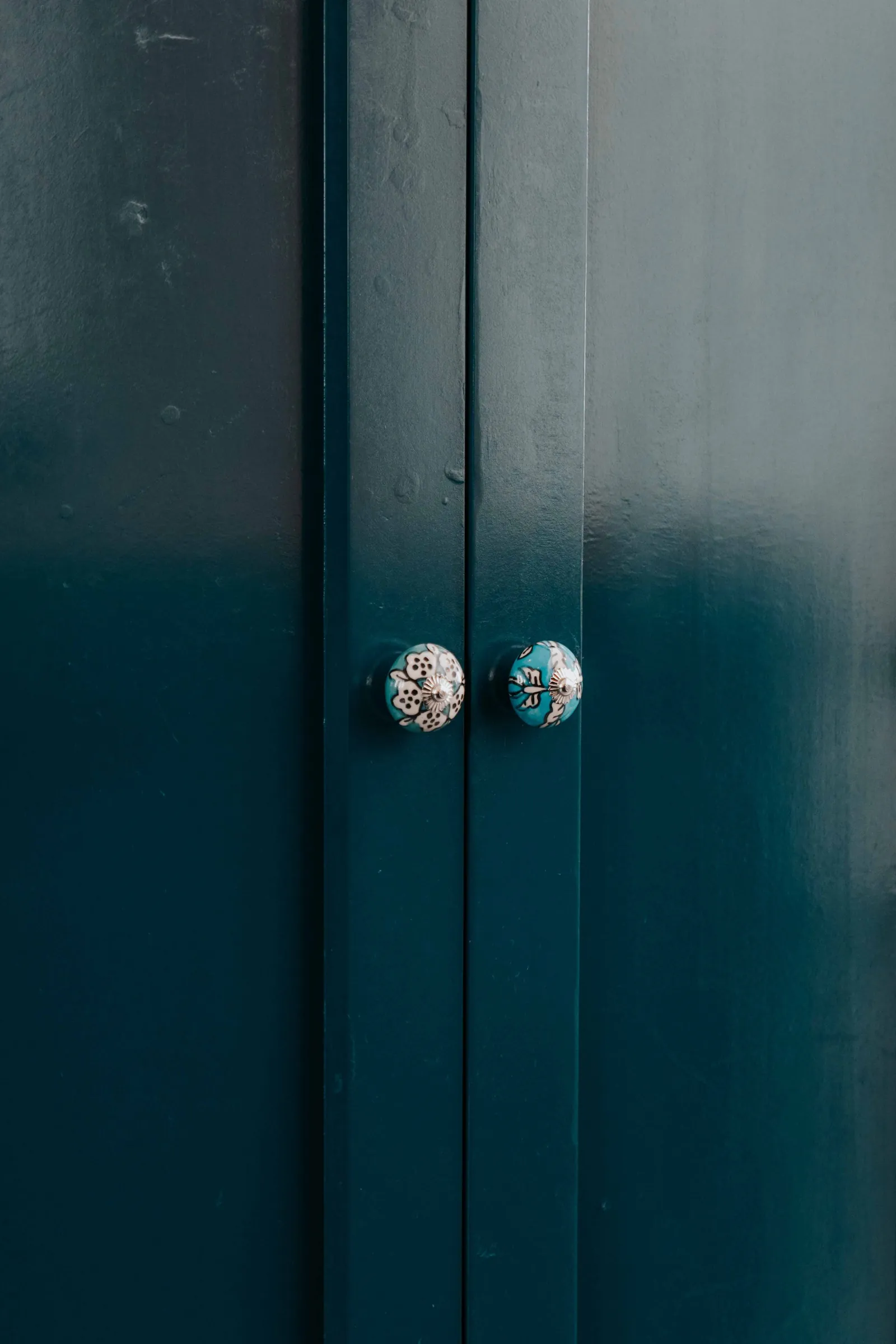
Alkyds can develop better block resistance as they harden, the same page adds, so the gap narrows with time. It also says to adjust doors and windows so they open and close freely before painting. More on that in painting interior doors.
Oil-based alkyd: hard, and yellow in the shade
Benjamin Moore says conventional alkyds cure by oxidation in about five days to a hard, glossy finish latex can't match, and calls them well suited to interior trim and doors. The costs: petroleum-based solvents, higher VOC levels and paint thinner for cleanup.
Then there's the color. Dunn-Edwards lists normal oxidation of oil-based paint as a cause of yellowing, along with heat from radiators and heating ducts, ammonia cleaners, and a lack of light, like behind pictures and inside closets. Its fix is a high-quality latex, which doesn't tend to yellow. Trim lives in exactly those spots. Our post on latex vs oil-based paint covers painting over old oil.
Kick, Close, Keep White: the best paint for trim, piece by piece
Roundups crown one best paint for trim. Trim isn't one surface, though: a baseboard gets kicked, a door gets closed, and a closet casing lives in the dark. We sort each piece by its hardest job. It's our editorial framework, not a lab standard.
- Kick: baseboards, stair skirts and chair rail take shoes, vacuums and toys. Hardness and washability come first.
- Close: doors, jambs, window sashes and stops press against each other. Block resistance comes first.
- Keep White: white trim in closets, behind furniture or over a radiator. A paint that doesn't yellow comes first.
| Piece | Hardest job | Type to start with | Sheen to start with |
|---|---|---|---|
| Baseboards | Kick | Waterborne alkyd or acrylic enamel | Semi-gloss, or satin on wavy old boards |
| Door and window casing | Kick and Keep White | Acrylic enamel or waterborne alkyd | Semi-gloss |
| Doors, jambs and sashes | Close | Acrylic enamel | Semi-gloss |
| Crown molding | Keep White | Acrylic enamel | Satin or semi-gloss |
| Closet trim and shelves | Keep White | Acrylic enamel, not oil | Satin or semi-gloss |
It's a starting point built on the sources below, and the label has the last word. Two pieces have their own guides: painting baseboards and painting crown molding. Cabinets are a harder job again; see the best paint for kitchen cabinets.
Satin or semi-gloss for trim?
Semi-gloss is the classic trim sheen: it wipes clean and sets trim apart from flatter walls. Satin forgives dents and old brush marks, which suits wavy baseboards in an older house. Gloss looks sharp on new, smooth trim and shows every flaw. Our paint sheen guide explains each level.
Choosing the best white paint for trim
The best white paint for trim is the one that suits your walls and your light, used on every piece of trim in view. Five checks do the work:
- Start with the walls. Warm walls like cream, beige and greige tend to sit better with a softer white; cool grays and blues with a crisper one.
- Hold the white against the wall color and the ceiling. Trim should look either clearly different from the ceiling or exactly the same.
- Paint a scrap board and stand it on the baseboard. Look at it in the morning and again under your lamps at night.
- Use one white for baseboards, casings, doors and crown. Three whites in one room look like a mistake.
- Check where it's going. White trim in a closet or behind furniture is a reason to skip oil-based paint.
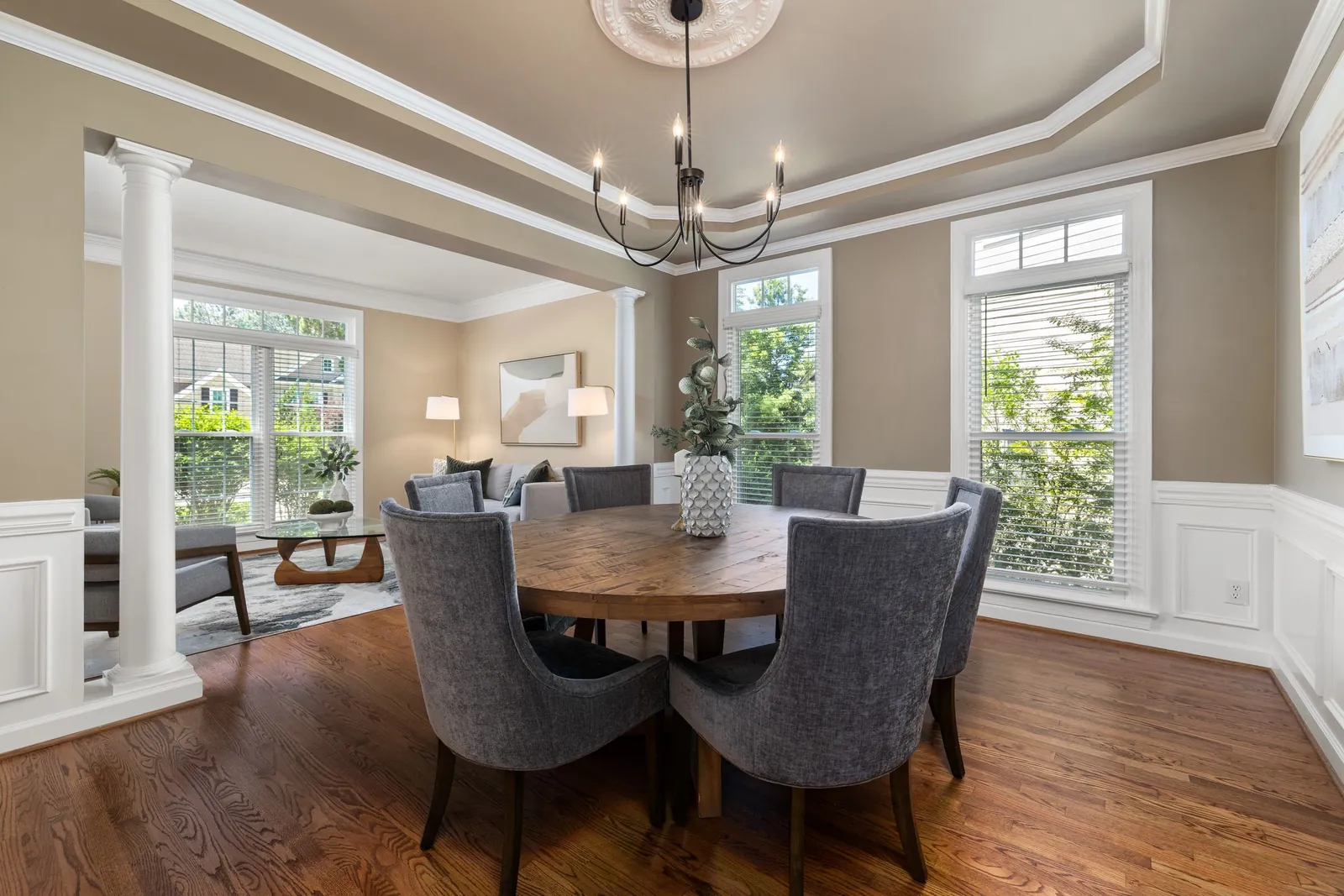
For the wider color plan, see how to choose paint colors for your home and how to test paint colors.
Or skip white
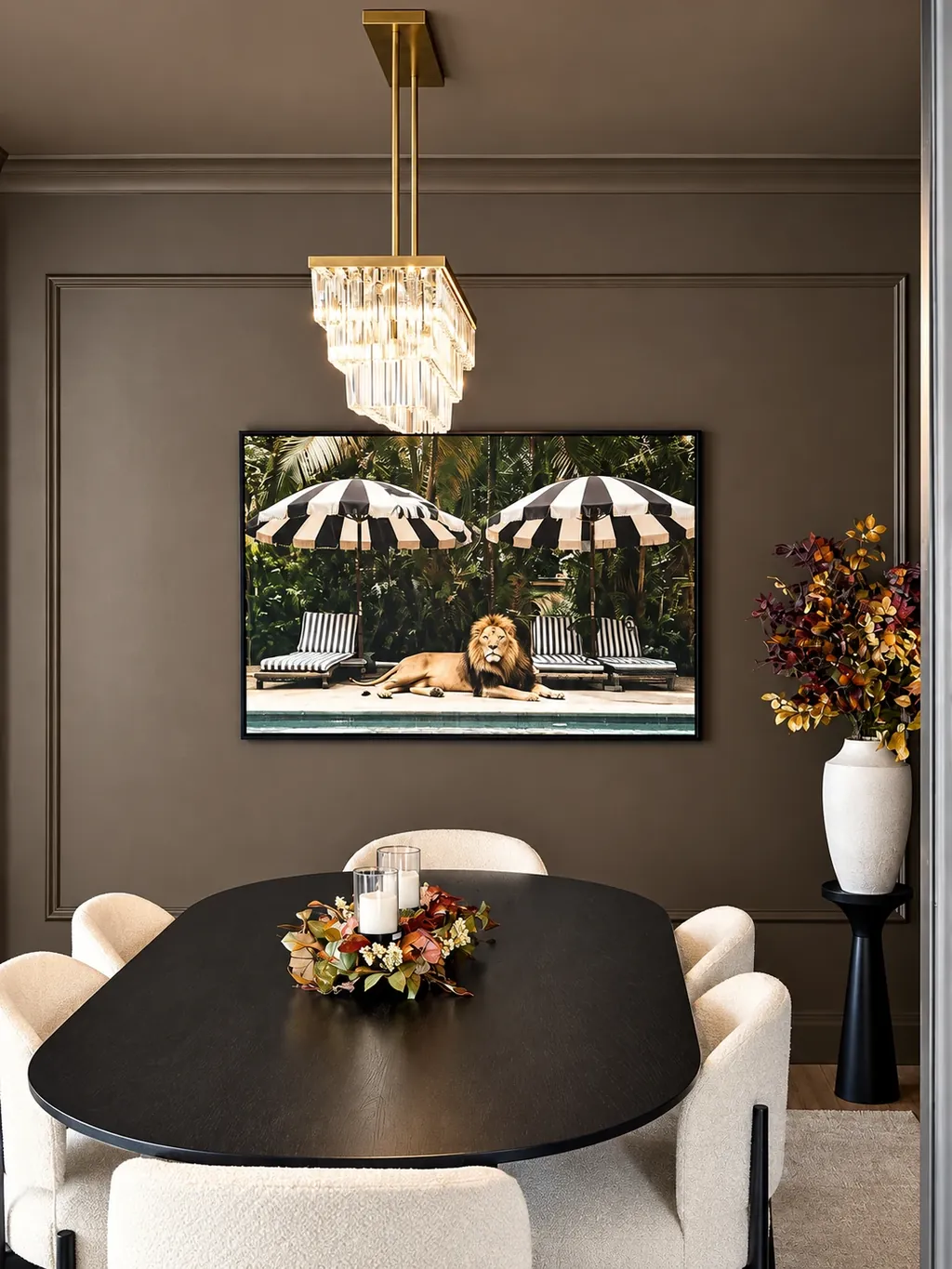
Trim can match the walls, in a higher sheen, or go darker than them. Matching keeps a room calm; a darker trim gives it a sharper edge.
Painting wood trim white
Painting stained wood trim white is mostly a primer job. The Wood Handbook says extractives in wood can discolor finishes, particularly in humid rooms like bathrooms and kitchens. Finger-jointed trim is pieced from different trees with different amounts of extractives, it notes, and a stain-blocking primer is often used over those pieces and over knots.
Varnished trim also needs cleaning and a scuff sand so primer can grip, and old painted trim needs an oil or latex test first. The full order of work is in how to paint trim.
If your trim is older than 1978
EPA says old or worn lead-based paint, especially on surfaces that rub, like doors and window sills, can produce chips and dust that become a hazard. It also says any painting project in a pre-1978 home with lead-based paint can easily create dangerous lead dust. Find out what's on old trim before you sand it. See painting older Madison homes.
Exterior trim is a different job
Outside, trim faces sun, rain and Wisconsin freeze and thaw, so the prep and the paint change. Our post on painting exterior trim covers caulk, rot checks and timing. We paint exterior doors and trim as part of our exterior work, not whole-house siding.
When to stop and call a professional
- Stop sanding or scraping if your home was built before 1978 and you don't know what's on the trim; our post on painting older Madison homes explains why.
- Call 911 if anyone has serious trouble breathing while you're using a solvent-based paint.
- Stop and air out the room if oil-based paint fumes bring on a headache or dizziness.
- Call a pro when old paint flakes off in layers, stain keeps bleeding through primer, or there's a whole house of trim and doors to do.
How we paint trim at GK Painting
Trim, baseboards, crown molding and interior doors are part of our interior painting. We cover the floors and everything nearby before the first can is opened, repair and prime small holes, and clean up at the end. George quotes every job himself and walks it with you when it's done.
We use premium paint from Sherwin-Williams and Behr, and Behr is the more economical of the two. If you'd rather use a brand you already like, we'll use it, and your written quote is built around the paint you pick. The written quote is the price, no extra charge if the job takes longer than expected.
If a problem comes from the quality of our work, like a finish that peels or didn't bond, tell us and we'll come back and make it right. We're based in Waunakee and work across Madison and Dane County. Read our reviews, or ask for a free estimate.
Common questions
What is the best paint for interior trim?
An enamel made for trim and doors, usually a waterborne alkyd or an acrylic enamel in satin or semi-gloss. Waterborne alkyd levels most like oil and cleans up with water. Acrylic enamel resists sticking on doors and windows and doesn't tend to yellow. Plain wall paint isn't built for trim that gets kicked and closed.
What is the best white paint for trim?
The white that suits your walls and light, used on every piece of trim. Pair warm walls with a softer white and cool walls with a crisper one, test a painted board in morning and evening light, and keep one white throughout. In closets and behind furniture, choose a latex type, since oil-based whites tend to yellow there.
Is oil-based paint better for trim?
It cures to a very hard, glossy film in about five days, which is why painters have long used it on trim. The trade-offs are higher VOCs, solvent cleanup and yellowing, especially where trim sits out of the light. Waterborne alkyds aim for similar flow and leveling with soap and water cleanup, so most people start there now.
Should trim be satin or semi-gloss?
Semi-gloss for most trim: it wipes clean and gives a crisp line against the walls. Choose satin when the trim is dented, wavy or carries old brush marks, because it shows less of them. Gloss suits new, smooth trim. Whatever you choose, use the same sheen on every piece of trim in the room.
Can you paint stained wood trim white?
Yes, with the right prep. Clean it, scuff sand the old finish so primer can grip, and use a stain-blocking primer, since wood extractives and knots can bleed through white paint. Test whether old painted trim is oil or latex first. In a home built before 1978, find out about lead before sanding.
Why does white trim turn yellow?
Oil-based paint yellows as it ages. Dunn-Edwards lists normal oxidation of oil-based paint as a cause, along with heat from radiators and ducts, ammonia cleaners and a lack of light, like inside closets or behind pictures. It recommends a high-quality latex, which doesn't tend to yellow, for white trim that has to stay white.
Sources
- Waterborne Alkyd Paint, Benjamin Moore
- Blocking (paint problem solver), Dunn-Edwards
- Yellowing (paint problem solver), Dunn-Edwards
- Wood Handbook: Wood as an Engineering Material (Chapter 16, Finishing Wood), USDA Forest Service, Forest Products Laboratory
- Lead Renovation, Repair and Painting Program, U.S. Environmental Protection Agency
More on interior painting and every interior painting post.