Painting exterior trim: caulk, rot checks and timing
· 6 min read · By GK Painting & Remodeling
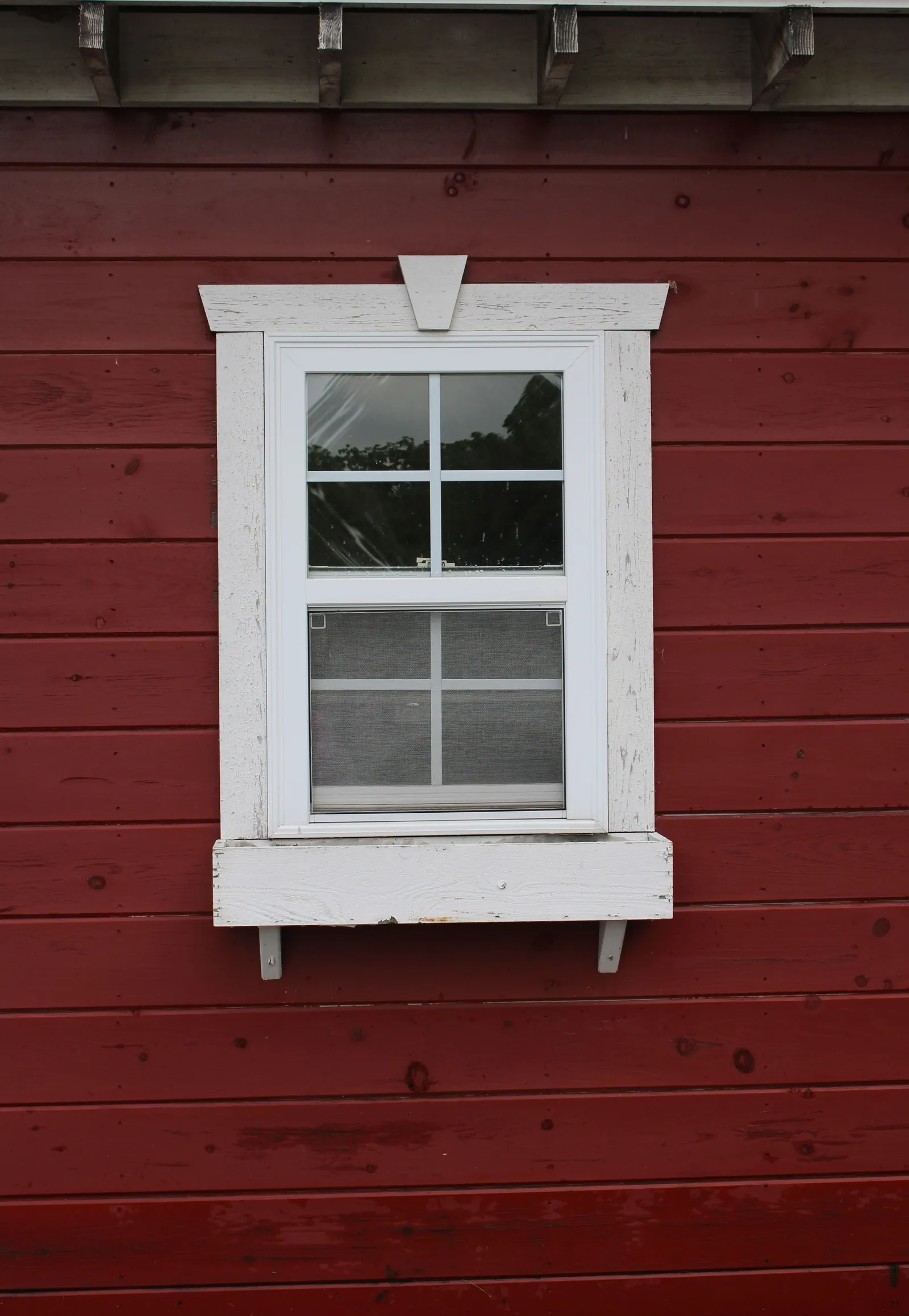
Painting exterior trim comes down to three things in the right order: find and deal with soft or rotted wood, seal the joints with caulk, and prime any bare wood before the paint goes on. Trim is one of the first places exterior paint fails, so the prep matters more here than the color.
We paint trim and doors, not whole-house siding, so this is written for window casings, door surrounds and the other trim boards around a house. It covers what to check, what to fix first and how to time the work. Our exterior painting page explains the rest of what we do outside.
Why trim fails before the walls do
Trim is made of many short boards that meet at joints, ends and edges, and those are the spots where water gets in. Purdue Extension's guide to exterior wood finishes, written with the Forest Products Laboratory, says paint normally fails first at the lap and butt joints and at the ends and edges of boards. Window sills have their own problem: they sit flat and hold water.
Wood swells when it takes on moisture and shrinks when it dries, and every cycle stresses the paint film. Iowa paint maker Diamond Vogel calls exterior window trim a typical trouble spot and says the goal is to waterproof the wood as much as possible to limit that swelling and shrinking. Everything below serves that goal.
Walk the house and probe for rot

Before you scrape anything, look at the bottoms of window casings, sills, corner boards near the ground and any trim under a downspout or an overflowing gutter. Press a screwdriver or an awl into the wood. The North American Deck and Railing Association gives a simple rule for decks that works on trim too: if the tool goes in a quarter to a half inch easily, or the wood breaks off in a sliver without splintering, decay may be present.
Paint can't fix rot. A board that is soft all the way through needs replacing by a carpenter, and the water source behind it needs fixing first, whether that's a leak, a gap in the flashing or a gutter that spills. The Forest Service adds that peeling or blistering paint can point to moisture getting through the wall, and that the moisture source should be found and removed, since leaving it risks wood decay.
Small dents, splits and nail holes are different. Those get filled and sanded smooth before priming, and they're a normal part of prep.
Scrape, sand and wash
A new coat is only as good as what's under it. Diamond Vogel's bulletin says any old paint left loose on the surface can make the new system fail early, and tells you to sand wood to a firm surface and make sure it's dry.
- Scrape away everything loose, then sand the edge of the remaining paint so it feels flat to the wood instead of stepped.
- Wipe the surface with your hand. If it comes away chalky or dirty, scrub it with water and a mild detergent and a bristle brush, then rinse.
- Mildew gets a dilute household bleach solution, rinsed thoroughly. Never mix bleach with ammonia or with cleaners that contain it; Purdue Extension warns the fumes can be deadly.
- Let everything dry completely. Painting over damp wood is how new paint ends up blistering.
Painting over old oil-based trim
Older trim often has layers of oil-based paint. Latex can go over it if it's clean and still stuck down firmly, and Purdue Extension describes a quick test: paint a small spot with latex, let it dry overnight, press an adhesive bandage firmly onto it and snap it off. If paint comes away on the bandage, the old surface is too chalky and needs more cleaning or an oil-based primer.
Older homes and lead
The EPA says homes built before 1978 are more likely to have lead-based paint, and its Renovation, Repair and Painting rule sets lead-safe work practices for work that disturbs paint in older homes. Scraping and sanding are exactly that kind of work, so mention your home's age when you call.
Seal, caulk and prime
This is the step that separates a repaint that lasts from one that doesn't. Bare wood is treated with a paintable water-repellent so rain and dew can't swell it at the joints and end grain. Purdue Extension and the Forest Service both say to let that treatment dry for at least two warm, sunny days; Diamond Vogel's bulletin says overnight. The labels differ, so follow the one on your product.
Then caulk. Diamond Vogel's sequence for window trim is to caulk all the joints, then prime. Use a paintable exterior caulk, and press it into joints between trim boards and where trim meets the wall.
Prime every bare or repaired patch. Diamond Vogel calls for one or two coats of acrylic latex primer, with at least three to four hours between coats, and two coats with 24 hours between on redwood and cedar. Those woods carry water-soluble extractives that can bleed through the topcoat, and the Forest Service says a stain-blocking or oil-based primer seals them in. The primer coat is the base for everything after it, so don't spread it thin.
Topcoat, coats and color
Two coats of good acrylic latex over primer is the standard recommendation. Purdue Extension's figures, from an older publication, are that one coat over primer should last four to five years on wood that suits paint, and two coats can last up to ten. Local weather and sun exposure move those numbers, and the same guide says the areas fully exposed to sun and rain, like the south and west sides, are the first to deteriorate. Indoors, trim faces different wear; see interior trim paint compared.
We use premium paint from Sherwin-Williams and Behr, and Behr is the more economical of the two. If you prefer another brand, tell us and your quote is built around the paint you choose.
- White or a soft off-white is the classic choice and makes windows look crisp against the wall.
- A shade lighter or darker than the wall color gives a quieter look with less contrast.
- Dark trim is striking, and it shows dirt and pollen more than a light color does.
For sheen, satin or semi-gloss shed dirt better than flat and are easier to wipe down. Our guide to painting trim goes deeper on technique if you're comparing the work to do yourself against hiring it out.
Timing and weather
Exterior painting is a weather job. Diamond Vogel says the temperature must stay above 50 degrees Fahrenheit while the work is under way, with no rain, and that the wood must not get wet before it's treated. The Forest Service adds that you shouldn't begin in the morning until the dew has evaporated, and that paint should have at least two hours to dry before sunset.
| Stage | Typical wait | Source |
|---|---|---|
| Water-repellent on bare wood | Overnight to two sunny days | Diamond Vogel, Purdue |
| Between primer coats | 3 to 4 hours (24 on cedar) | Diamond Vogel |
| Between topcoats | 3 to 4 hours | Diamond Vogel |
| Last coat of the day | 2 hours to dry before sunset | Forest Service |
Rain and cool nights are why exterior jobs get scheduled around dry weather. Smaller exterior projects usually take one to three days for us, and a wet day doesn't change what you pay. The written quote is the price, no extra charge if the job takes longer than expected.
What we paint outside, and what we don't
Our exterior work covers trim, entryways, exterior doors, garage doors and deck staining. We don't paint whole-house siding. If you're also thinking about the garage, read our post on painting a garage door.
The process starts with a phone call. George visits if he needs to see the trim, then sends a written quote with a start date. Before any paint comes out, the work area is protected; then comes the prep (clean, sand, repair, prime), the paint, cleanup and a walkthrough with you before we call it done. If you're unsure whether your trim needs primer, our post on when you need primer explains it. Or ask for a free estimate and George will tell you what he sees.
Common questions
Do you need to prime exterior trim before painting?
Bare or repaired wood always needs primer. Trim that is sound, clean and still holding firmly can often go straight to paint after sanding, and the adhesive bandage test described by Purdue Extension is a quick way to check the old surface.
What temperature is too cold to paint exterior trim?
Diamond Vogel says the temperature must stay above 50 degrees Fahrenheit while the work is under way, with no rain. Different paints have different limits, so check the label on the one you're using.
Can you paint over rotted trim?
No. Paint won't stop rot or hold on crumbling wood. A board that is soft all the way through needs replacing, and the cause of the moisture needs fixing before anything is painted.
Do you paint the whole outside of the house?
No. We paint exterior trim, entryways, exterior doors and garage doors, and we stain decks. We don't paint whole-house siding.
How long does exterior trim paint last?
On wood that suits paint, an older Purdue Extension publication puts one coat over primer at four to five years and two coats at up to ten. If a finish peels or didn't bond because of our work, tell us and we'll come back and make it right.
Sources
- Selection and Application of Exterior Finishes for Wood (NCR-135), Purdue University Cooperative Extension Service and USDA Forest Products Laboratory
- Painting Exterior Window Trim (technical bulletin), Diamond Vogel
- Exterior Wood in the South: Selection, Applications, and Finishes (FPL-GTR-69), U.S. Forest Service, Forest Products Laboratory
- Check Your Deck consumer checklist, North American Deck and Railing Association
- Reduce Your Risk of Lead Exposure in Your Home, U.S. Environmental Protection Agency
More on decks and exterior and every decks and exterior post.