
Choosing interior paint colors for a Cross Plains home
Testing samples, reading north and south light, carrying color through an old or new village house, and covering a dark wall, before the estimate.
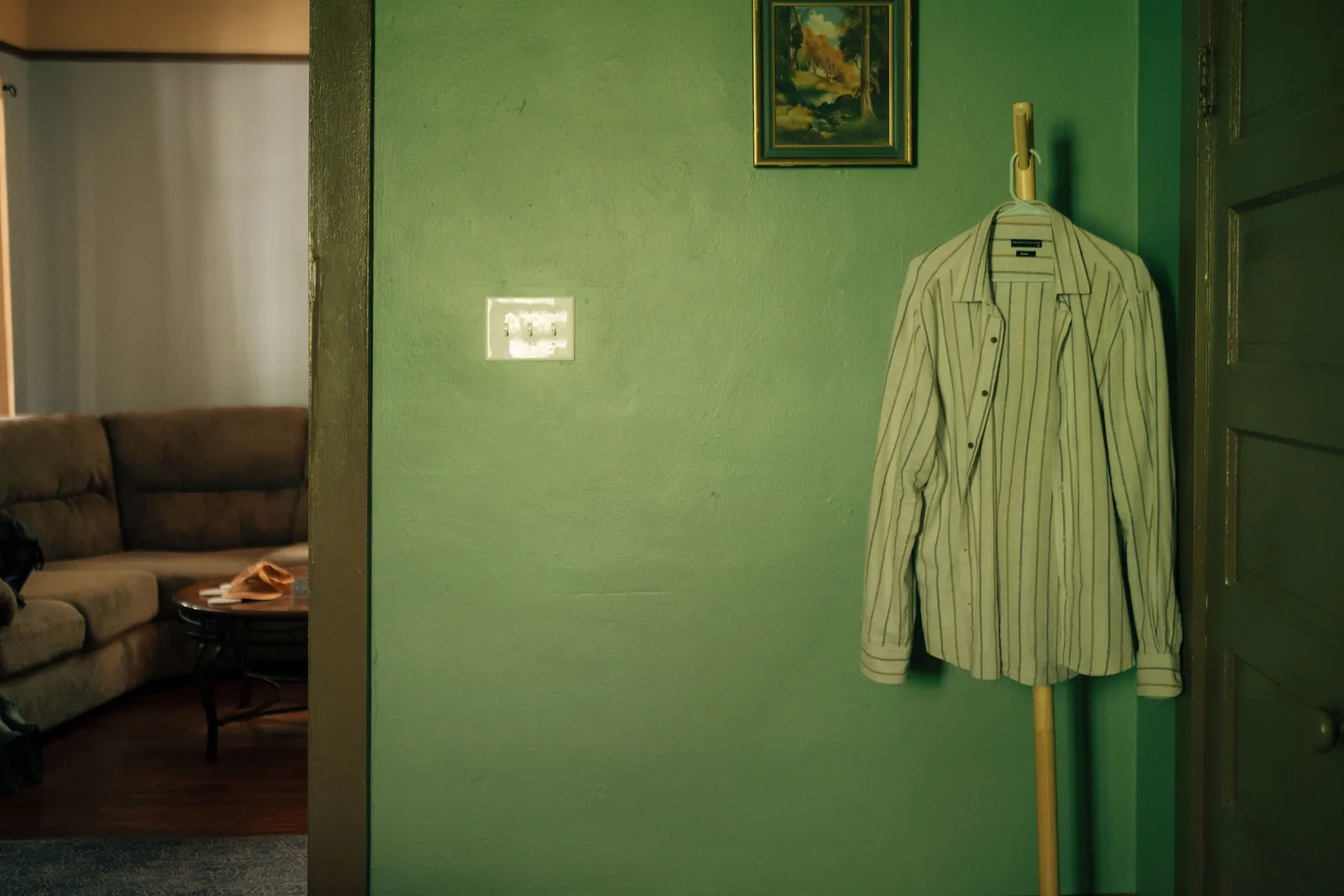
Cross Plains has houses at both ends of the calendar, with about 14% built before 1940 and about 33% from 2000 onward, and the color question looks different in each. A century-old house tends to have smaller rooms, deep window casings and trim that frames everything, while a newer one opens up and asks a single color to cover a lot of ground.
Either way, color is the decision people find hardest and second-guess most. This page is about getting it right before the brushes come out. The rest of the service, from prep to cleanup, is on the interior painting page.
Trying colors on your own walls first
Paint chips are tiny and lit by a store's ceiling fixtures. Dunn-Edwards makes the point in a technical bulletin that light changes how a color looks more than anything else, so a color has to be judged under the light the room actually gets.
Buy samples of your top two or three and paint each one big, about the size of a sheet of poster board, either straight on the wall or on white boards you can carry around. Look at them in the morning, the afternoon and at night with the lamps on, over two or three days. Our post on how to test paint colors goes step by step.

Move the boards from the darkest corner to the sunniest wall. A color that still works in both places is a keeper. If your finalists are close, put them side by side; differences that vanish on a chip become obvious across a few feet of wall.
North rooms, south rooms
Which way the windows face matters as much as the color. A north-facing room in Wisconsin gets little direct sun through the glass; most of its light is sky light, which is cooler and steadier, and the U.S. Department of Energy notes that north windows bring in daylight with little glare. That cool light nudges grays toward blue and can make a bright white look flat.
South-facing rooms get strong, warm light for much of the day, which can make a warm color look hot by mid-afternoon and wash out a pale one. A useful habit: in a north room, choose the warmer of your two finalists; in a south room, give the cooler one a fair look. Our post on paint colors for north-facing rooms lists color families that balance a cool room.
East and west rooms switch character during the day. An east room gets warm sun in the morning and cool light by afternoon, and a west room does the reverse, so one color can look like two depending on when you're home. Judge your samples at the hours you actually use the room.
Carrying color through an older house or a newer one
In an older village house, rooms are separated by doorways and cased openings, so each one can have its own color as long as neighboring rooms get along when you look from one into the next. Picking colors of similar depth, or colors that all lean warm or all lean cool, keeps the house from feeling like a sample book.
In a newer house with a more open plan, sightlines run through three or four spaces at once, so the shared rooms usually take one main color and the variety goes into rooms with doors: bedrooms, an office, a den. If your house mixes the two, with an older front and a newer open addition, treat each part by its own rule and let one shared trim white tie them together.
Whichever you have, write down each color, sheen and room as you decide. That one page makes touch-ups and the next repaint simple, long after the can labels have faded.
Going from a dark wall to a light one
Deep colors have had a long run, and plenty of homes now have a navy accent wall or a dark dining room that someone wants lighter. Covering one takes more than another coat. Dunn-Edwards recommends priming when a light color goes over a dark one, using a primer that's white or tinted toward the new color, so the old color doesn't ghost through.
For a big jump, plan on primer plus two finish coats, and allow for that room taking a day longer. Our post on painting over dark paint explains why streaks show up when the primer is skipped and how dry times change.
Settling on a white for the trim
Trim white isn't one color. Some whites lean warm, toward cream or yellow, and others lean cool, toward gray or blue. A warmer white tends to suit older houses with wood floors and warmer walls, while a crisper, cooler white suits gray and blue walls in a newer house. Hold your candidates against the wall color, not against each other, because side by side, whites make each other look dingy.
Most homes look best with one trim white throughout, so doors and casings read as one system from room to room. The exception is a room you want to feel wrapped, like a den with deep green walls, where trim in the same color family as the walls makes a small space feel cozy instead of boxed in.
Decisions that make the estimate accurate
You don't need final color names to get an estimate, but a few decisions made ahead of time help George write an accurate one:
- Which rooms, and whether ceilings, trim and doors are part of the job.
- Roughly how much each color changes, especially any dark-to-light jump that needs primer.
- Whether the trim keeps its current white or changes.
- Any stains, patches or small holes you've noticed on the walls.
Exact colors can wait until closer to the start date. Pricing follows the square footage being painted, and the paint itself is part of that number. The written quote is the price, no extra charge if the job takes longer than expected. Ask George for an estimate when your list is ready, or see more about Cross Plains.
Common questions
What's the best way to test a paint color?
Paint large samples, roughly poster-board size, on the wall or on white boards, and look at them morning, afternoon and night for a few days. Judge them in the room's own light rather than by the chip.
Which colors suit a north-facing room?
Warmer colors usually do best, because north light is cool and pulls grays and whites toward blue. Creamy whites, warm greiges and soft greens tend to hold up, so test the warmer of your finalists first.
How many coats does it take to cover a dark wall?
Plan on a primer and two finish coats when going from dark to light. A primer that's white or tinted toward the new color stops the old one from showing through, and it can add a day to that room.
Should every room have the same white trim?
No, but most houses look best with one white on most trim and doors. A room with deep walls can take a trim color from the same family instead, which makes the walls and woodwork read as one.
Do I have to choose my colors before the estimate?
No. The estimate needs the rooms, what's included and roughly how big the color change is, especially dark to light. Exact color names can come later, before the start date.
More in Cross Plains
Interior painting nearby
Helpful guides
Sources
- American Community Survey 2020-2024 5-year estimates, U.S. Census Bureau, via Census Reporter
- Gloss, Lighting & Texture Effects on Color Perception (technical bulletin), Dunn-Edwards
- Energy 101: Daylighting, U.S. Department of Energy
- The Importance of Priming (technical bulletin), Dunn-Edwards