Choosing a paint color for a room that faces north
· 5 min read · By GK Painting & Remodeling
For a north-facing room, pick colors with a warm undertone: creamy whites, warm greiges, soft golds and clays, or deep colors that look richer in dim light. Cool grays and blue-leaning whites tend to go flat and icy, because the light in these rooms is already cool.
Here's why north light behaves the way it does, how a Wisconsin winter makes it more noticeable, and how to test a color so you aren't guessing. Once you've chosen, our interior painting service is how it gets on the walls.
Why a north-facing room looks the way it does
In Wisconsin, a room with north windows never gets direct sun through the glass. What comes in is light from the sky, which is cooler and softer than sunlight. The U.S. Department of Energy notes that windows facing north are good for daylighting because they let in natural light with minimal glare.
Light has a color of its own, measured on the Kelvin scale. Wikipedia's table of color temperatures lists overcast daylight at about 6,500 K and clear blue sky toward the pole at 15,000 to 27,000 K, compared with 2,700 to 3,000 K for warm household bulbs. Anything above 5,000 K counts as a cool, bluish light. In Wisconsin, toward the pole means north.
The result is that your walls are lit by bluish light all day. A color that looked warm on the chip in the store looks cooler at home, and a gray with a hint of blue looks bluer still.
First, check which way your windows really face
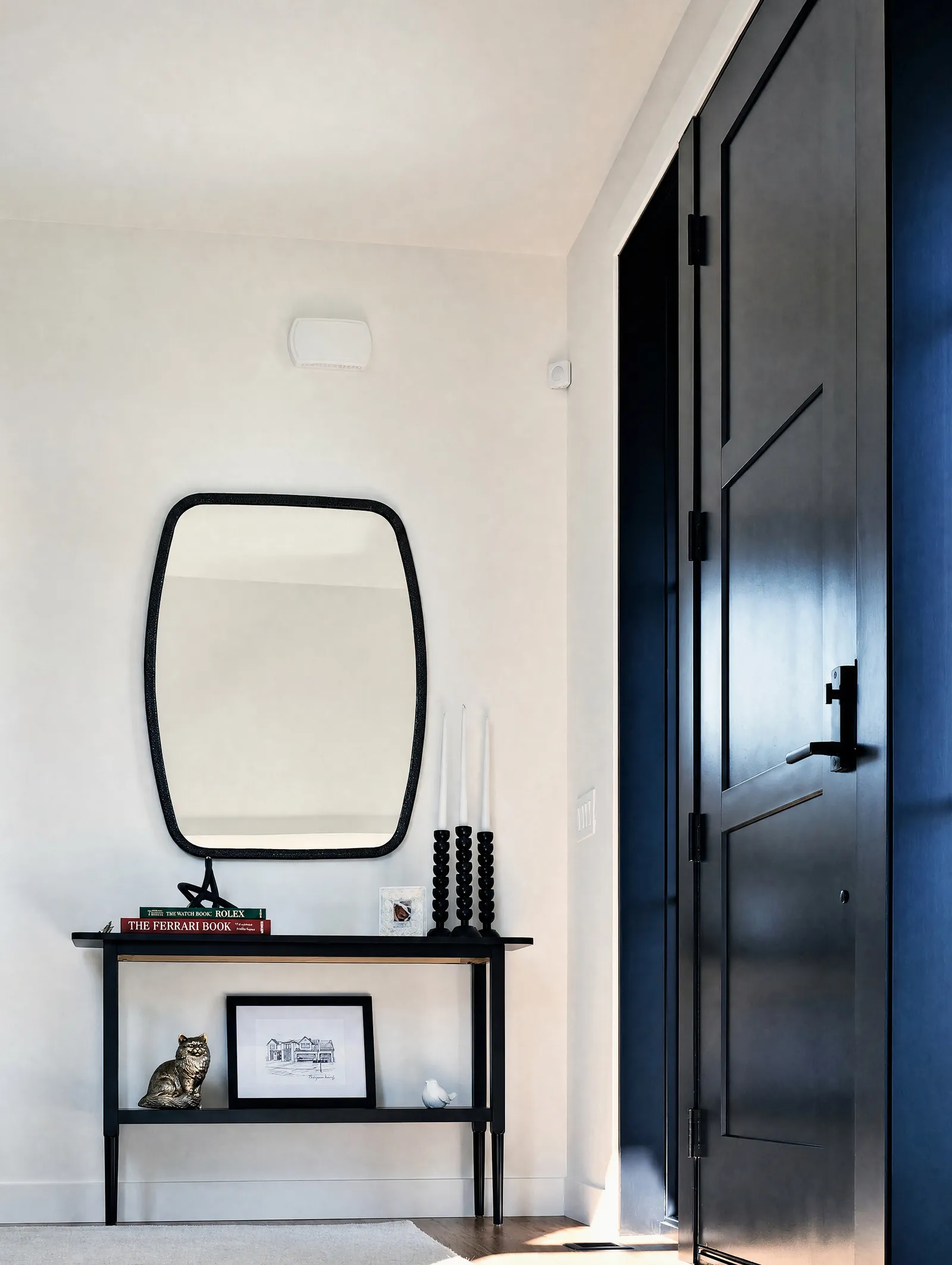
Most phones have a compass, and it's worth a minute before you buy samples. A room with windows on both a north wall and an east wall gets direct sun for part of the morning, so it behaves differently from a room with north windows only.
The reverse also happens. A room shaded by a deep porch, a big tree or a neighbor's house can act like a north room even when its windows face another direction. If yours is a mix, test your samples on the sunny walls and the shaded ones.
Wisconsin winters make it stronger
Madison doesn't get much winter sun to begin with. NOAA's 1961 to 1990 figures for Madison, as summarized on Wikipedia, put December at 39 percent of possible sunshine and January at 49 percent, compared with 66 percent in July. In a north room, that means weeks of gray, even light with nothing to warm it.
It's also why a color you chose in July under a bright window can feel different in January. The months you spend indoors are the months this room is at its coolest, so choose for them.
Colors that work with the light
The goal isn't to fight north light. It's to balance it. A few families of color do that well:
- Warm whites and creams. A white with a touch of yellow or beige keeps the room from feeling cold. A bright, blue-leaning white often reads as gray.
- Warm greiges. Look for a gray-beige that leans toward beige or taupe rather than blue, green or violet.
- Soft golds, butters and clays. They add the warmth the light lacks, and they glow instead of going muddy.
- Greens with a yellow base. Greens that lean yellow stay alive in cool light, while greens that lean blue turn cold.
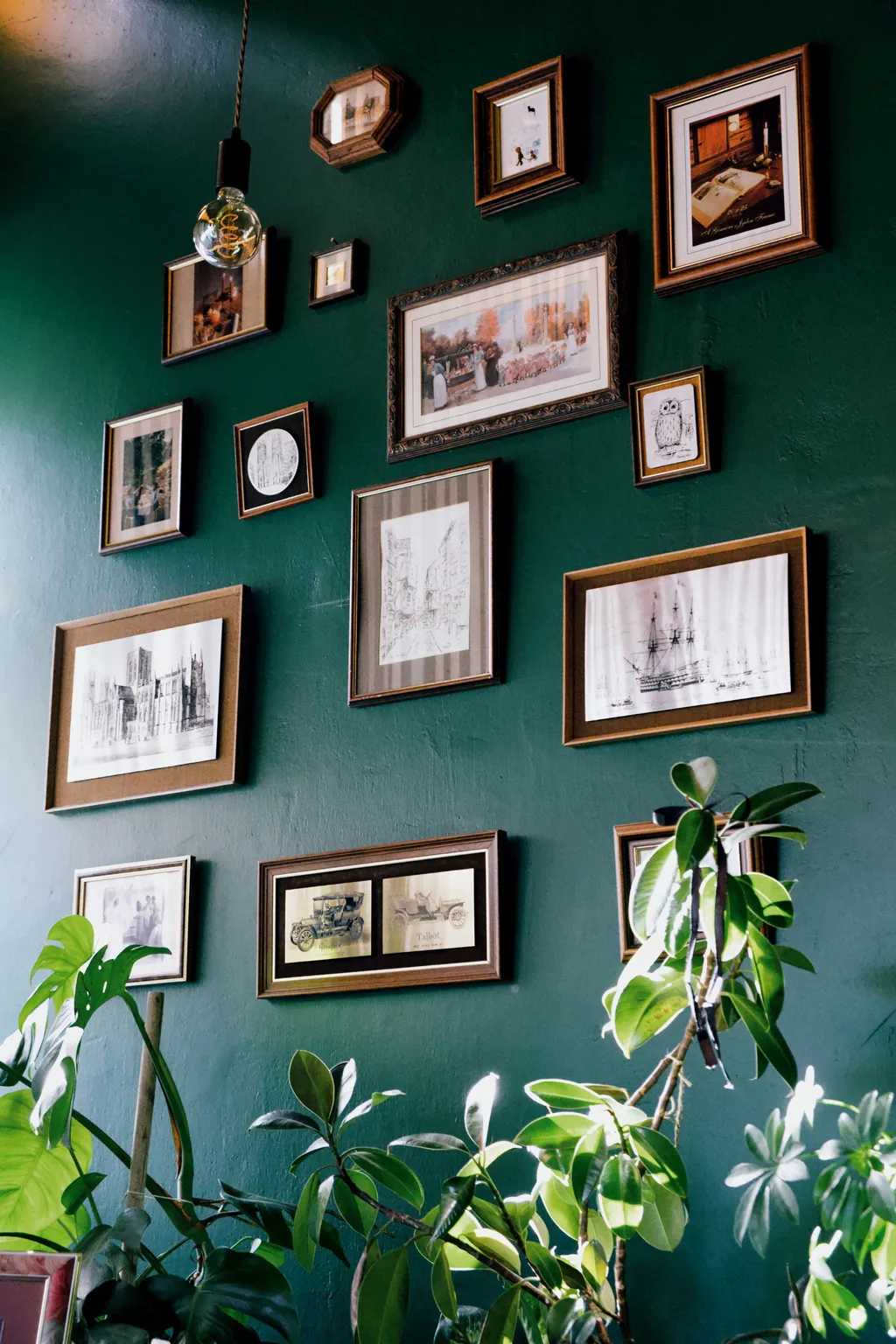
- Deep colors. Dark greens, navy, charcoal and brown look rich in soft light, because there's no harsh sun to make them look heavy or show every flaw.
Almost every neutral carries an undertone, a faint lean toward yellow, pink, green, blue or violet. In north light, the undertone wins. Hold a chip against a sheet of plain white paper and you can usually see it.
| If you like | In north light it may | Try a version that |
|---|---|---|
| A cool, light gray | Look icy and flat | Leans toward beige or taupe |
| A crisp white | Look gray | Has a hint of cream |
| A sage or soft green | Turn cold or dull | Has a yellow base |
| A pale blue | Feel chilly | Has more gray and less blue |
Light or dark: the case for going deeper
Most people paint a dim room white, hoping to brighten it. A light color does reflect more of the light that arrives. Paint makers measure that with the light reflectance value, or LRV, a number printed on many paint chips: zero means a surface reflects no light, and the top of the scale means it reflects all of it.
But a pale color in north light often reads as gray rather than bright, and a room with little light won't feel sunny whatever you paint it. One honest option is to go deeper and make the dimness part of the design. A saturated color on all four walls, and sometimes the ceiling, can make a north bedroom feel intentional and cozy instead of underlit. If you're weighing that, our post on accent wall ideas covers when one bold wall beats four.
Your light bulbs matter as much as your paint
At night, your lamps are the light source. The Department of Energy explains that higher Kelvin numbers look cooler and bluer, lower numbers look warmer and more yellow, and that the warm, yellow end most resembles incandescent lighting. Wikipedia lists soft white bulbs at 2,700 K and warm white at 3,000 K.
In a north room, warm bulbs help a color look the way you chose it after dark. Daylight-style bulbs at 5,000 K or more push the same wall back toward blue. Test your samples under the bulbs you'll actually use, and if you change the bulbs later, expect the color to shift.
How to test a color in a north-facing room
- Paint large samples, at least two feet square, on two different walls: one facing the window and one beside it.
- Look at them in the morning, at midday, in the evening and with the lamps on.
- Live with them for a few days. A color that holds up through a week of gray winter light should hold up all season.
- Check them next to your floor, curtains and furniture, not just a white board.
Our guides to how to test paint colors and how to choose paint colors for your home go further on both steps.
Same room, different walls
Even in one north room, no two walls look alike. The wall opposite the window gets the most even light. The walls beside it fall into shadow, and corners go darker. Expect the same paint to look a little different on each, and don't judge a color by the brightest wall alone.
The ceiling follows the same rule. A plain bright white ceiling can look gray in a room like this, and a warm white often looks better. Our guide to the best ceiling paint explains the choices.
When you're ready to paint
Once you've settled on a color, the job is straightforward. Interior painting is priced by the square footage of the space, with paint included, and most rooms take one to two days. We paint homes and businesses across Madison and Dane County, including Middleton and Verona.
If you'd like to talk it through first, ask for a free estimate. Bring your samples to the conversation, and if George visits to see the room, you'll both be looking at the same light.
Common questions
What color should I paint a north-facing bedroom?
Start with a warm undertone: a creamy white, a warm greige or a soft clay. Or go deep with a dark green, navy or brown, which look rich in soft light. Test two or three in the room first, because north light changes every color.
Should I paint a north-facing room white?
You can, but choose a warm white. Blue-leaning whites turn gray in cool light, and a room that gets little sun won't feel brighter just because the paint is white.
Do gray walls work in a north-facing room?
They can if the gray has a warm undertone, leaning toward beige or taupe. Grays that lean blue, green or violet get colder in north light. Compare the chips against a plain white sheet of paper to see the undertone.
Why does my paint look different at night?
At night, your bulbs are the light source instead of the sky. Warm bulbs add yellow and cool bulbs add blue, so one wall can look like two different colors. Check your samples under the bulbs you'll actually use.
Do dark colors make a small north-facing room feel smaller?
They can make the walls feel closer, but they can also make a dim room feel intentional instead of underlit. Paint a large sample and look at it at the times of day you use the room before you decide.
Sources
- Energy 101: Daylighting, U.S. Department of Energy
- Color temperature, Wikipedia
- Consumer Guide to Energy-Efficient Lighting, U.S. Department of Energy
- Madison, Wisconsin (climate and sunshine data), Wikipedia
- Light reflectance value, Wikipedia
More on interior painting and every interior painting post.