Going light over a dark wall color: primer, coats and what to expect
· 5 min read · By GK Painting & Remodeling
To paint over dark paint, prime first and plan on two coats of finish color. A primer, white or tinted toward the new color, is what keeps the old color from showing through, and it saves you from piling on coat after coat of finish.
The jump from dark to light is the hardest color change a wall can make, but it's very doable with the right order of work. Here's what to prep, what kind of primer to use, how many coats to expect and where people go wrong. For the room itself, our interior painting includes this kind of color change along with the rest of the prep.
Why dark colors show through
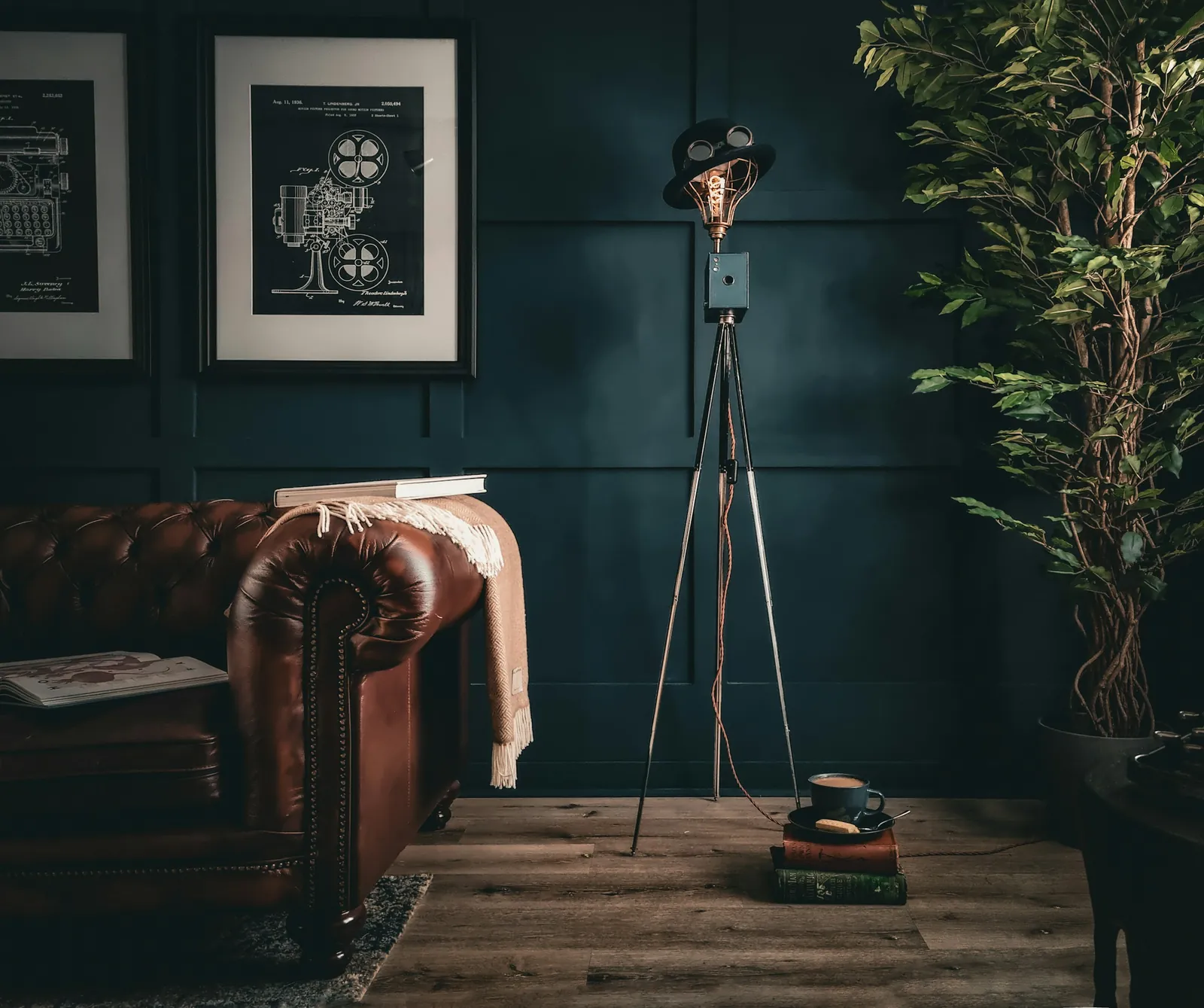
Dark paint is packed with pigment, and light paint isn't. Each coat of a light color is partly see-through, so the dark color underneath keeps glowing through, which is why walls end up looking streaky or gray after a coat or two. You can paint more coats to fix it, but that's slow, and it's the hardest way to do it.
Primer solves the problem more directly. Dunn-Edwards says priming is recommended when covering a dark surface with a light paint, and that priming the surface white or tinted to match the new color ensures the dark color doesn't show through. In its test panels, a primer plus one topcoat outperformed two topcoats with no primer on adhesion.
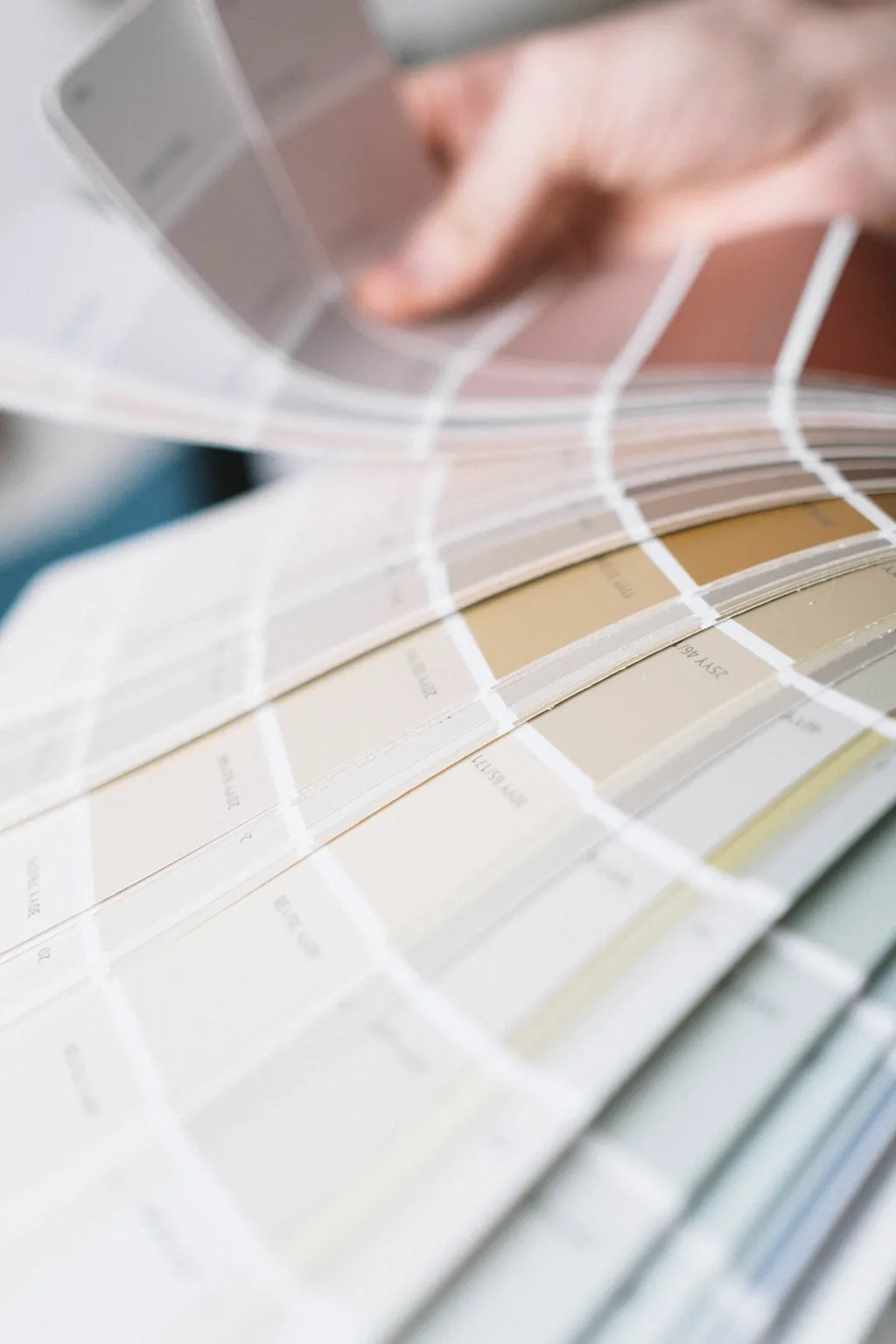
The size of the gap matters. Going from a deep navy to a pale cream is a much bigger job than going from medium gray to light gray, and the plan should reflect that. Hold the old and new colors side by side before you decide how many coats to expect, because the wider the gap, the more the primer is doing.
Tinted or white primer
Either works, but tinting the primer toward your new color gets you closer to the finish before the first coat of real paint goes on. That usually means fewer finish coats and a more even result, especially when the new color is a soft one.
Benjamin Moore's FAQ says a primer, tinted or white, hides a dark existing color when you paint over it with a light one. It adds that some premium paints are made with enough hide to handle most color changes in two coats, without a separate primer. That can be true, but it depends on how dark the old color is and how light the new one is. For a big jump, a dedicated primer is the safer plan.
How many coats to expect
| Situation | A sensible plan |
|---|---|
| Dark wall to a light color | Primer, white or tinted, then two coats of finish |
| Very dark wall to a pale color | Primer tinted toward the new color, then two coats of finish |
| Dark wall with stains or marks | A primer made for the stain first, then the tinted primer and two coats |
| Medium wall to a slightly lighter one | Often two coats of finish, with primer on patches only |
Treat those as planning figures, not promises. The old color, the new color and the paint all change the count, and a very dark wall can still show through after the second coat. Dunn-Edwards recommends two coats of paint for the best durability and coverage in any case, so two finish coats is the starting assumption, not a worst case.
Prep before the primer
Dark rooms often have glossy, scuffed or dirty walls, and primer only sticks to a clean, dull surface. The prep isn't glamorous, but it's the part that decides how long the new color lasts:
- Clean the walls, especially near light switches, door frames and corners where hands touch.
- Scuff-sand glossy or sheen-heavy paint so the primer has something to hold.
- Fill nail holes and dents, sand them smooth, and wipe off the dust.
- Spot-prime the patches so they don't flash through the finish.
- Prime the whole wall, not just the dark spots, so the finish dries evenly.
This is the same prep we do on every interior job: floors and furniture covered first, small holes repaired, then cleaning, sanding and priming.
Dry times when you go light over dark
Don't rush the coats. Dunn-Edwards says latex paint is typically dry to the touch within one to two hours and can be recoated within two to four. Cool, damp rooms take longer, and so do thick coats. It also says dark colors take longer to dry and cure than light ones, which matters if the wall you're covering is still a recent coat of deep color.
Thick coats don't hide faster. They sag, dry unevenly and can leave surfaces that stick to each other, and Dunn-Edwards lists applying paint too thickly as a cause of that sticking, called blocking. Two even coats beat one heavy one. If you're covering a dark door or a window frame, our post on painting interior doors explains why.
Test before you commit
A patch tells you more than a guess. Paint a two-foot square in the darkest, brightest part of the room and let it dry fully before you judge it. Colors change as they dry, and light changes the look through the day, so check it morning and evening. Our post on how to test paint colors covers how.
If you're still choosing, our guide to choosing paint colors for your home works through the decision, and our accent wall ideas show where a deep color can stay.
Dark ceilings, trim and cabinets
The same rules apply beyond the walls, with a few twists. A dark ceiling needs primer just like a wall, and a flat finish on top hides roller marks and flaws better than a glossier one. Our guide to the best ceiling paint explains why flat is the usual choice overhead.
Dark trim is usually glossy, so it needs a firmer scuff sanding and a primer that bonds. Baseboards and doors also take more handling, which is covered in our posts on painting baseboards and painting interior doors. Dark kitchen cabinets are a different job altogether. They're cleaned, degreased, sanded and primed, and the doors are sprayed, as we explain on our cabinet refinishing page.
Common mistakes
- Skipping the primer and hoping for three coats of finish to do the same job.
- Priming only the dark spots, which leaves flat and shiny patches in the finish.
- Recoating before the first coat is dry, which pulls color and leaves streaks.
- Rolling heavy coats to cover faster, which sags and then sticks.
- Judging the color while it's still wet or under a work light.
- Forgetting trim and edges, where the old dark color shows at the corners.
What it looks like when we do it
A big color change adds coats and drying time, so tell us on the call what's on the walls now. Most rooms take one to two days. The written quote is the price, no extra charge if the job takes longer than expected.
We use premium paint from Sherwin-Williams and Behr, and Behr is the more economical of the two. Interior work is priced by the square footage of the space, paint included. When you're ready, ask for a free estimate and we'll talk it through.
Common questions
Do I need primer to paint over dark paint?
For a big jump to a light color, yes. Dunn-Edwards recommends priming when covering a dark surface with a light paint. Some premium paints can handle most color changes in two coats without primer, but a dedicated primer is the safer plan.
How many coats does it take to cover dark paint?
Plan on primer plus two finish coats for a big change. A mid-tone going lighter may need only one or two finish coats over primer. Brighter, more saturated colors can take more.
Should the primer be white or tinted?
Either works. Tinting the primer toward your new color gets you closer to the finish and usually means fewer finish coats. White primer is fine for pale or neutral colors.
Can I use paint and primer in one over dark paint?
Sometimes. Some premium paints are made with enough hiding power to cover most color changes in two coats. A very dark wall usually does better with a primer first, and if the wall has stains, use a primer made for them.
Why does my wall look streaky after two coats?
Usually the old color is still showing through a see-through light paint, or the coats went on too thick or before the last one dried. A primer, then two even coats with proper dry time, normally fixes it.
Sources
- The Importance of Priming (technical bulletin), Dunn-Edwards
- Frequently Asked Questions, Benjamin Moore
- Dry Time versus Cure Time of Paint (technical bulletin), Dunn-Edwards
- Blocking (paint problem solver), Dunn-Edwards
More on interior painting and every interior painting post.