
Staining shaded decks near the water in McFarland
For McFarland decks under trees or close to the lake: why shade breeds mildew, how to clean without gouging the wood, drying time, and stain for damp boards.
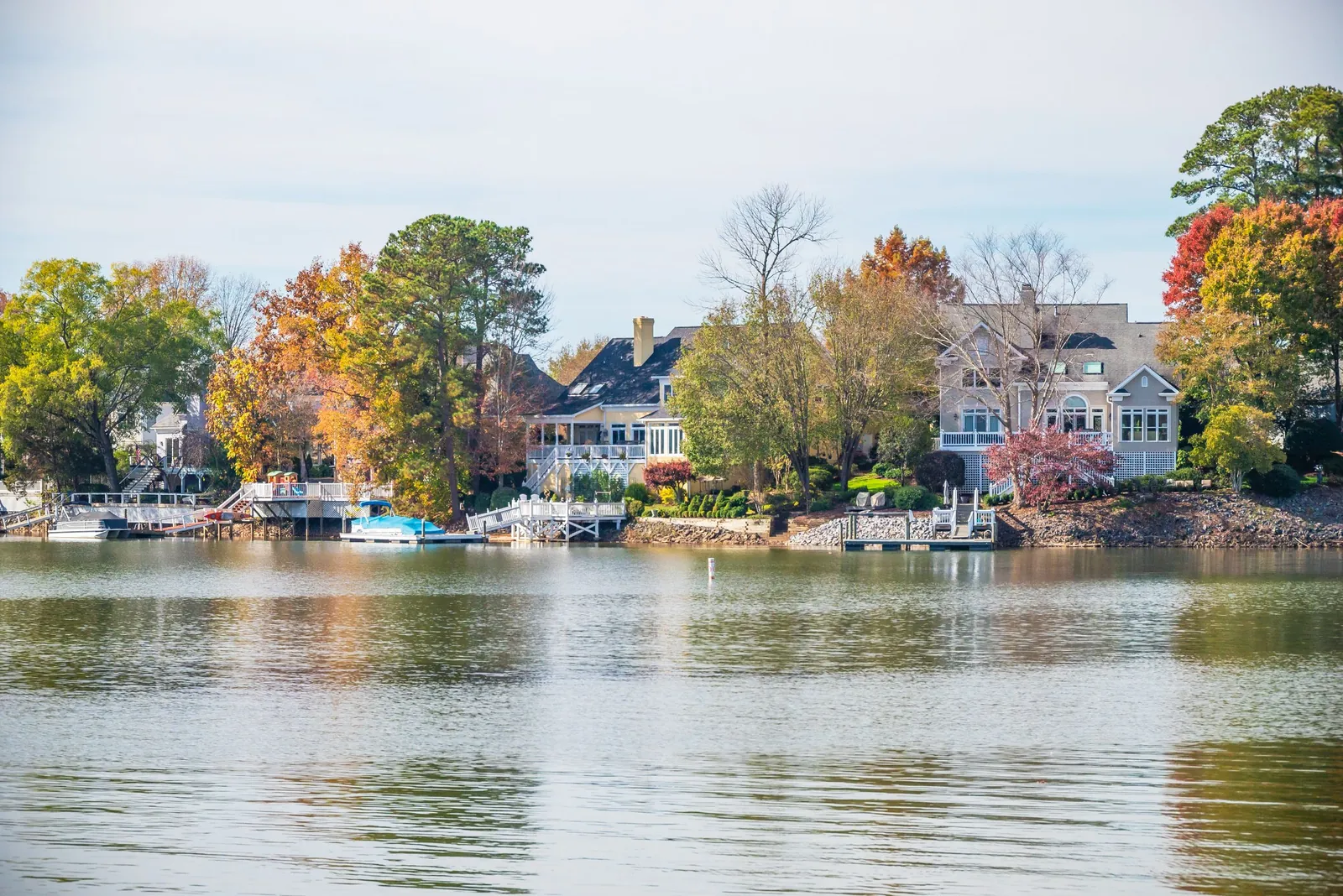
McFarland is bordered by Lake Waubesa on the west and Mud Lake on the south, and a deck under big trees or close to the water lives a different life from one in an open yard. It stays wet longer after rain and dew, collects leaves, and grows mildew in the corners the sun never reaches.
This page is about decks in that setting: why shade and damp invite mildew, how to tell mildew from dirt, cleaning without damaging the wood, how long a shaded deck needs to dry, which stains suit it, and what to look at each spring. More about the village is on our McFarland page.
Shade, damp and mildew by the lake
The Forest Products Laboratory in Madison lists mildew alongside checks, cracks and raised grain as the problems decks develop without upkeep. Its Wood Handbook adds that mildew is most common in shaded, moist or protected spots, and that it grows where trees and shrubs keep the air from moving.
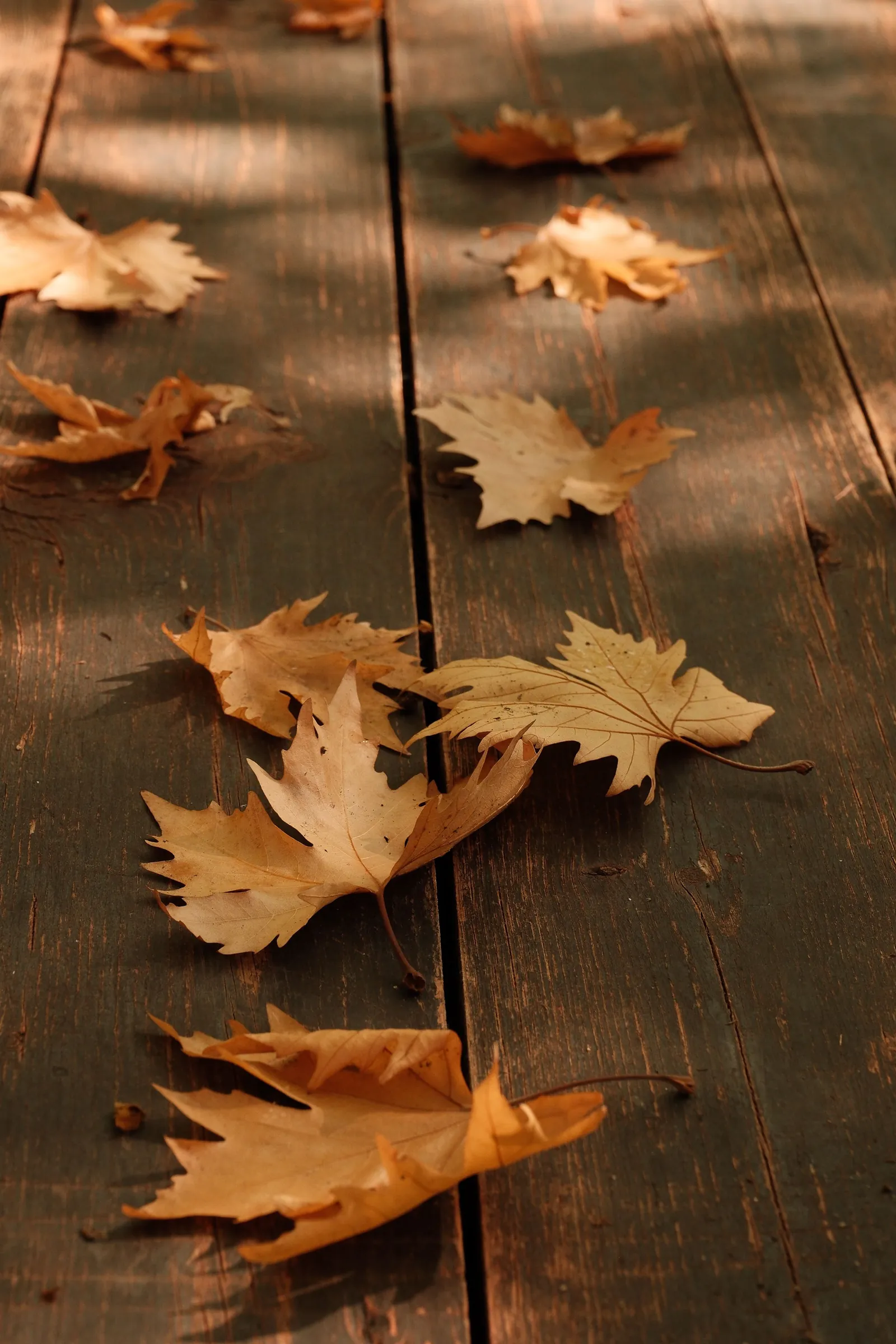
Shade doesn't only block the sun; it slows every drying cycle. After rain or a heavy dew, an open deck dries off fairly quickly, while boards under a canopy can stay damp for much of the day. Wet leaves make it worse by holding water against the wood well into fall, so a deck that gets swept regularly holds up better.
Mildew or dirt: how to tell
Most mildew is black, although the Wood Handbook notes that some kinds are red or green. Dark patches can also be plain dirt or pollen, and they call for different treatment, so it's worth testing before anyone starts scrubbing.
The handbook's test is simple: put a drop or two of liquid household bleach on the dark spot. Mildew will usually bleach out within a minute or two, and a spot that doesn't change is probably dirt. Use a fresh bottle, since bleach loses strength as it ages.
Mildew has to be killed and cleaned off before any finish goes on. The handbook warns that mildew left alive under new paint grows right through it, and a stain brushed over live mildew fares no better.
Cleaning without gouging the wood
A pressure washer is the tempting shortcut, and on a soft deck it's the risky one. The Forest Products Laboratory says aggressive scrubbing with a caustic cleaner, or power washing, can remove wood from the surface, especially on softer woods like western redcedar. It also says the silvery fibers on weathered boards shouldn't be stripped away, because they soak up stain well.
The lab's gentler method for mildew is liquid household bleach mixed with three parts water and some detergent, followed by a thorough rinse with plain water. It comes with two cautions: never use a liquid detergent or one that contains ammonia, since ammonia and bleach together form a toxic gas, and keep the solution off shrubs and grass.
Commercial deck cleaners built on sodium percarbonate also work on mildew, according to the Wood Handbook, while oxalic acid brighteners do little against it. Our post on preparing a deck for staining puts the whole sequence in order.
How long a shaded deck needs to dry
Stain can't soak into wet wood. After cleaning, the Forest Products Laboratory says to allow at least two warm, windy days before finishing, and that's for an ordinary deck. Boards that spend the afternoon in shade can need longer, and cool, still weather adds more.
Check the shady boards, not the sunny ones. Sprinkle a little water on them: if it soaks in within a few moments, they're dry enough to take stain, and if it sits on the surface, they need more time.
Shade does help once the stain is going on. The Wood Handbook says working in the shade is desirable because the stain dries more slowly, which leaves time to keep a wet edge and avoid lap marks.
Stain for a damp, shaded deck
Film-forming finishes are the wrong choice here. The Forest Products Laboratory says paint and solid-color stains are prone to trap moisture and fail by peeling, and it recommends penetrating finishes for decks instead: water-repellent preservatives, lightly tinted versions of them, and semitransparent stains.
For a deck that stays damp, two details on the label matter most. The lab explains that the only difference between a water repellent and a water-repellent preservative is an added mildewcide, and that repellents without one often leave the wood blotchy. Pigment matters as well: in a semitransparent stain it shields both the wood and the mildewcide from sunlight, so the protection lasts longer.
Living near the lake doesn't call for a special product. It calls for a penetrating, semitransparent stain made for decks, with a mildewcide, put on clean wood that's had time to dry.
Spring checks and booking
A shaded deck is worth a close look every spring, once the snow and the last leaves are gone. Sweep the debris out from between the boards, try the bleach test on the darkest corners, and splash water on a few boards; if it soaks straight in instead of beading, the finish is spent. Press a screwdriver into any board that looks soft, since rot has to be repaired before stain.
Our spring home painting checklist covers the rest of the outside of the house. When you're ready, call and describe the deck; George visits if he needs to see it, and you get a written quote with a start date. Deck staining is a smaller exterior project, usually one to three days, scheduled around dry weather.
The written quote is the price, no extra charge if the job takes longer than expected. Read about our deck and exterior work, or request a free estimate.
Common questions
Why does my deck have black spots?
Most likely mildew, which thrives on wood that stays damp in the shade. A drop of fresh household bleach is a quick test: mildew usually fades within a minute or two, while dirt stays put.
Can mildew be removed before staining?
Yes, and it has to be. A dilute household bleach and detergent wash, or a deck cleaner made for mildew, kills it, followed by a full rinse and enough dry weather for the boards to dry all the way through.
Should I power wash my deck before it's stained?
It's better not to, especially on a soft wood. The Forest Products Laboratory warns that power washing can strip wood from the surface, and the weathered fibers it blasts away are the ones that absorb stain best. A gentle cleaner and a soft scrub do far less harm.
How long does a shaded deck need to dry before staining?
At least two warm, windy days after cleaning, the Forest Products Laboratory says, and often more in heavy shade. Test the shadiest boards with a little water; once it soaks in quickly, they're ready.
Does a deck near the lake need a different stain?
No special product, but the choice matters more. A penetrating, semitransparent deck stain with a mildewcide suits a damp setting, while paint and solid stain tend to trap moisture and peel.
More in McFarland
Decks and exterior nearby
Helpful guides
Sources
- American Community Survey 2020-2024 5-year estimates, U.S. Census Bureau, via Census Reporter
- Finishes for Wood Decks, USDA Forest Service, Forest Products Laboratory
- Finishing of Wood (Wood Handbook, chapter 15), USDA Forest Service, Forest Products Laboratory
- McFarland, Wisconsin, Wikipedia