
Painting doors and trim on Madison's historic and older houses
Madison has five local historic districts and plenty of houses older than 1940. What to check with the city, and what old exterior paint needs, before work starts.
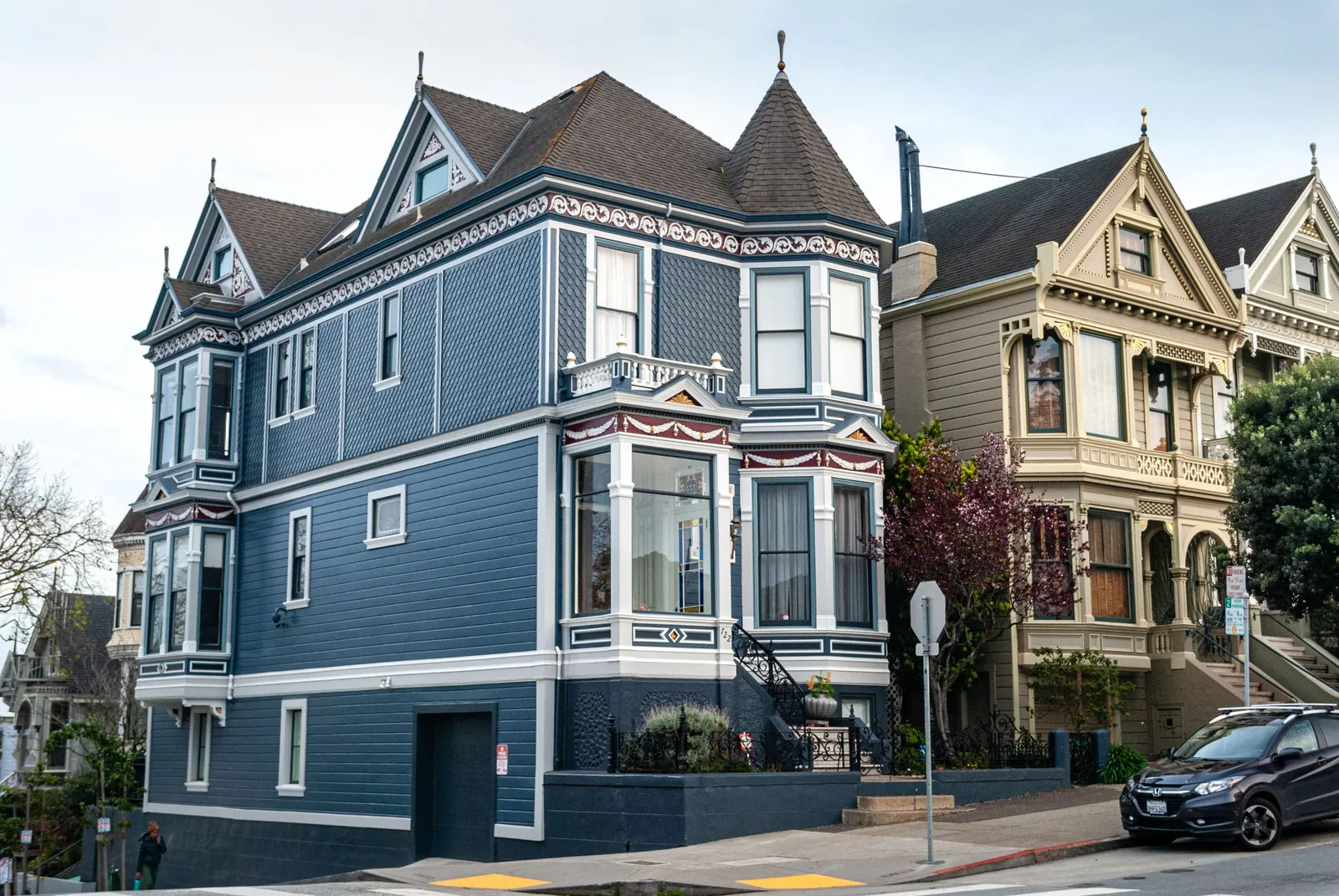
Before a new color goes on a front door in Mansion Hill, Third Lake Ridge, University Heights, Marquette Bungalows or First Settlement, the city has a say. Madison's Landmarks Commission reviews all exterior changes to properties in those five local historic districts.
Outside the districts, older houses raise the same questions about old paint, since 13% of the city's homes were built before 1940. This page covers both for the parts of a house we work on: doors, entries, trim, garage doors and decks. For the full service, see deck staining and exterior painting.
Historic districts: what the Landmarks Commission reviews
The city designated its local historic districts one at a time: Mansion Hill in 1976, Third Lake Ridge in 1979, University Heights in 1985, Marquette Bungalows in 1993 and First Settlement in 2002. For properties with local designation, the city says the commission must approve exterior alterations, new construction and demolitions, and that owners should apply for a Certificate of Approval before seeking a building permit.
To apply, the city asks for labeled photos of existing conditions, a written scope of work and a list of proposed materials, plus the commission's application form for larger projects. A written quote that names the paint is a handy start on that materials list.
The city's web pages don't say whether a like-for-like repaint counts as an alteration. Its preservation ordinance treats keeping paint or stain on wood as maintenance that needs no certificate, but the Preservation Planner decides where maintenance ends, so a new color deserves a call to the preservation staff first. Our post on Madison's historic districts and paint goes through the ordinance in more detail.
Why paint fails on old doors and trim
The National Park Service's brief on exterior paint problems calls paint on outside wood a temporary shield that needs renewing every five to eight years. How it fails tells you what's wrong. Peeling down to bare wood most often means moisture is collecting behind the film, and the Park Service says there's no sense repainting until the source is fixed: a leaking gutter, faulty flashing, failed caulk or shrubs pressed against the wood.
Other failures come from the layers themselves. Old paint many coats thick turns brittle, crazes and eventually alligators. Latex brushed straight over chalky oil paint can't grip it and peels between coats, which is why the brief calls for an oil-type primer first. Horizontal parts such as window sills and the tops of rails wear fastest, because water sits on them.
Lead-safe prep on a pre-1978 exterior
Scraping and sanding are the heart of exterior prep, and on an older house they're also what disturbs lead. The Park Service's brief assumes houses built before 1950 carry one or more layers of lead-based paint, and the EPA says any home built before 1978 is more likely to have it.
Outdoors, loose chips land on porches, walks and garden soil. The EPA's Renovation, Repair and Painting rule sets lead-safe work practices for paid work that disturbs painted surfaces in homes that age, and the Park Service cautions that harsh stripping down to bare wood can permanently damage historic surfaces.
Tell us the year your house was built when you call, and keep children and pets away from any area being scraped.
Porch railings, columns and entry trim
On many older houses, the porch is where the exterior trim is concentrated: railings, balusters, columns and the casing around the door. Railings are slow work, with dozens of edges, and their top rails hold water much as a sill does.
Covered porches have a failure of their own. The Park Service says intercoat peeling happens most often in protected spots like eaves and covered porches, where rain never rinses away the salts and grime that settle on the paint. Those surfaces get washed before they're repainted, or the new coat lets go.
In a local historic district, the city's standards for alterations say all wood on exterior porches shall be painted or opaquely stained, so plan on paint or a solid stain there rather than a clear finish. If your project includes a porch floor or ceiling, mention it on the call and George will tell you what fits. Our post on porch paint ideas has more on colors and railings.
Front doors on older houses
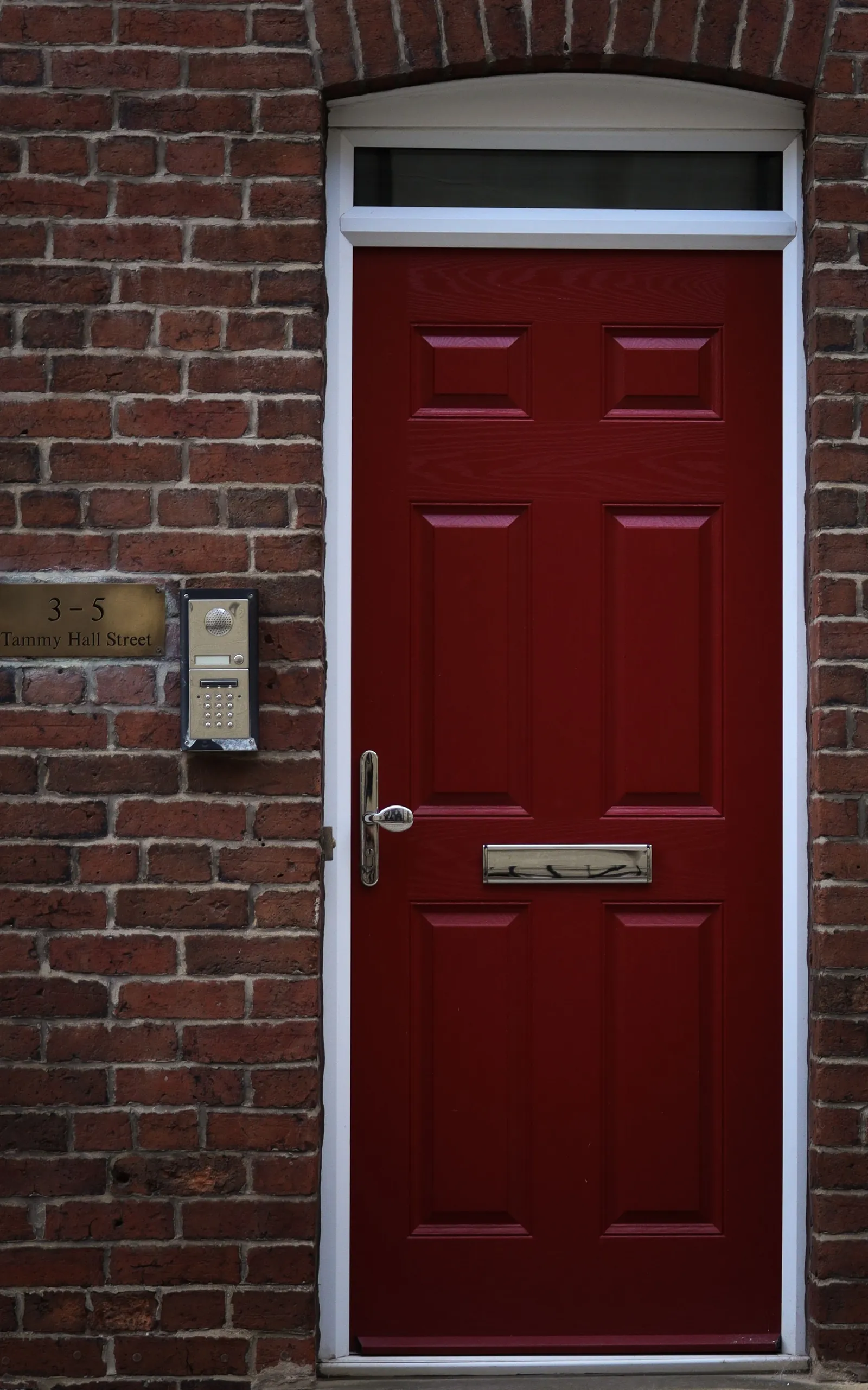
An old wood front door is often the most painted object on the house. Each panel has a recessed field and a molded edge where layers build up, drips harden along the bottom rails, and the edges have been coated so often that the door can bind in its frame.
The prep follows the panels: loose paint scraped back to a sound edge, the profiles sanded, bare spots primed, and the panels painted before the rails and stiles around them so the brush marks follow the grain. Original hardware is often worth keeping, and it's removed or covered before sanding starts. Our post on how to paint a front door walks through the order step by step.
Dry weather, decks included
Exterior work is booked around the forecast rather than a fixed date. Paint and stain need clean, dry wood and a dry stretch afterward, so a rainy week can move a start day, and a deck that's been soaked needs time to dry through, not only a clear sky.
Most of these jobs, whether a front door and its trim, a porch's railings or a deck behind the house, take one to three days. If the deck belongs to a house in a historic district, the city's alteration standards say all parts of a deck shall be painted or opaquely stained, which points to a solid stain rather than a clear or semi-transparent one.
The written quote is the price, no extra charge if the job takes longer than expected. Ask for a free estimate when you're ready, and for kitchens and interiors in older houses, see our Madison page.
Common questions
Do I need city approval to repaint a house in a Madison historic district?
Possibly, so ask before you start. The city says its Landmarks Commission reviews all exterior changes in the five local districts, and its ordinance leaves it to the Preservation Planner to decide when work goes beyond maintenance. A new color is the case most worth a call.
Why does paint peel on old window trim?
Usually because water is getting behind it. The National Park Service says peeling to bare wood is most often caused by moisture, so a leaking gutter, failed caulk or a sill that holds water has to be fixed before new paint will last.
Is lead a concern on the outside of an older house?
Yes, if it was built before 1978. The EPA says homes that age are more likely to have lead-based paint, and scraping and sanding outdoors disturb it just as they do inside. Mention the build year when you call.
Can you repaint the railings on an old porch?
Yes. Railings, balusters, columns and the trim around the entry are part of our exterior work, and on a covered porch they're washed first so the new paint bonds. Mention any floor or ceiling work on the call and George will tell you what fits.
Will you paint the whole outside of my house?
No. We don't paint whole-house siding. Our exterior work is doors, entries, trim, garage doors and deck staining, and we'll say on the first call if a project falls outside that.
More in Madison
Decks and exterior nearby
Helpful guides
Sources
- American Community Survey 2020-2024 5-year estimates, U.S. Census Bureau, via Census Reporter
- Local Historic Districts, City of Madison
- Historic Preservation, City of Madison
- Chapter 41: Historic Preservation (Madison General Ordinances), City of Madison
- Preservation Brief 10: Exterior Paint Problems on Historic Woodwork, National Park Service
- Lead Renovation, Repair and Painting Program, U.S. Environmental Protection Agency