
Monona decks, garage doors and front doors after a lake winter
Lake Monona is usually frozen about 107 days a year. Here's what that winter does to decks, garage doors and trim on the city's mid-century houses.
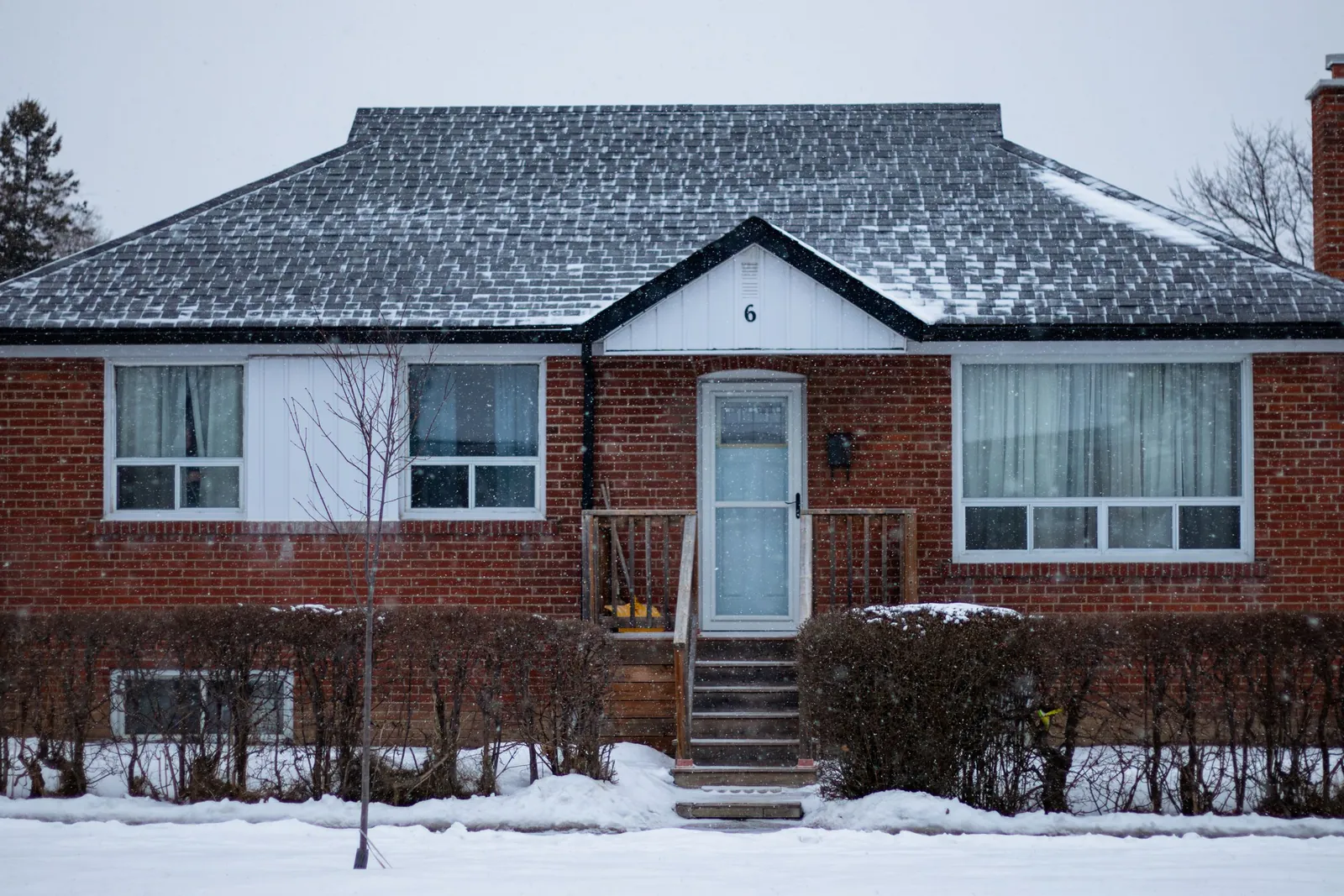
Lake Monona is typically frozen for around 107 days a year, and the city on its southeastern shore spends those weeks under snow, shovels and ice melt. Monona's median home was built in 1963, so many houses here have been through sixty or so of those winters.
This page covers the outside of those mid-century houses: wood garage doors, front doors, trim and stained decks, and how winter wears on each. We don't paint whole-house siding. For the service in general, see deck staining and exterior painting.
What's in scope on a mid-century house
A 1950s or 1960s ranch or split level has a fairly short list of wood we work on: the entry door and its trim, the garage door, the trim around the windows, and the deck out back. Those are the pieces that take the most weather, and they're small enough to finish in a few dry days.
The walls themselves are the one big surface we leave alone. We don't paint siding of any kind, so if the whole exterior needs paint, we'll say so on the first call and you can plan that part with a house painter.
When you call, mention which pieces you have in mind, roughly how big the deck is and what's on it now. A few phone photos of the worst spots help George see what winter left behind.
Wood garage doors on older houses
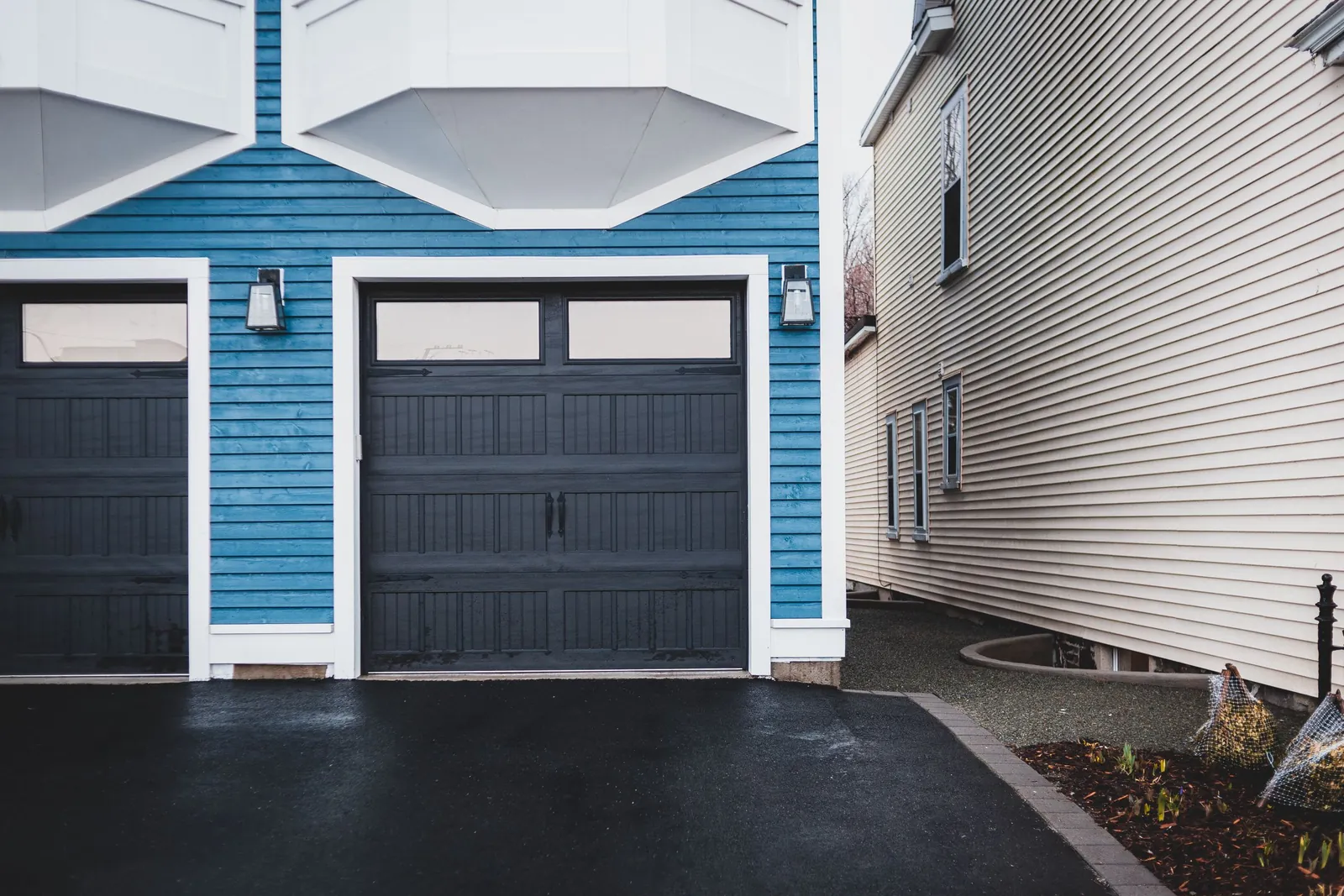
A wood garage door on a mid-century house has a hard life. It flexes every time it rolls up, and its bottom section spends the winter against snow and meltwater.
Purdue Extension's bulletin on paint failure says paint normally fails around the ends and edges of a board first, and a garage door is mostly edges: panel joints, section seams and the end grain along the bottom. Those spots are scraped back to sound paint, sanded and primed wherever the wood is bare before the color goes on.
A section that's soft or split needs a carpenter or a garage door company before any paint. Our post on freeze-thaw and exterior paint explains how water works into joints like these.
Why trim paint cracks after winter
Cracks that show up on trim each spring usually start small. The National Park Service explains that paint built up over many coats gets hard and brittle with age and can no longer move with the wood as temperature and humidity change, so fine cracks open in the top layers.
Winter widens them. Water gets into a crack, freezes, expands and pries it open, and the next thaw lets more water in. Purdue calls moisture the most common cause of premature paint failure on wood, and after a few seasons fine crazing turns into deep cracks that flake at joints and board ends.
Caught early, crazed trim can be sanded and repainted. Once the cracks reach bare wood and the paint is flaking, the old coating has to come off before new paint will hold, which is a much bigger job.
Shovels, salt and a stained deck
Snow can sit on a deck for weeks in a Monona winter. Viance, a maker of wood preservatives, says to use a plastic or rubber shovel and push it parallel to the boards, since a metal blade can scratch and dent the wood and catch the board edges.
Ice melt is the harder call. Viance says to choose a product labeled safe for wood decking and to rinse salt-based melts away once the ice is gone, to protect fasteners and hardware. The University of Wisconsin's Center for Limnology adds that below about 15 degrees Fahrenheit it's probably too cold for salt to work, so on the coldest days more of it only adds wear.
For a city on a lake, there's one more reason to go easy. Wisconsin Salt Wise, a group working to reduce salt pollution, says a single teaspoon of salt can pollute five gallons of water to a level toxic for freshwater ecosystems. Our post on winter deck care covers the fall checklist and the spring inspection.
Front door colors for a mid-century house
A long, low ranch front has few details to carry color, which puts a lot of weight on the door. Our guide to front door colors suggests warm red, teal, charcoal or a soft yellow for a ranch, on the idea that one bold color lifts a long, low facade, and it sorts more options by house style and by what surrounds the door.
If the house has brick across the front, let the brick lead. Dark greens and black tend to anchor red brick, while a pale blue or teal brightens it, and a large sample taped to the door shows which way your house leans.
Dark colors need more care in strong sun. The Park Service notes that blistering from trapped solvent shows up more often with dark paints, because darker colors absorb more heat, so a black or navy door facing afternoon sun is best painted in thin coats while it's out of direct light.
Planning around dry weeks
Outside work is booked around the forecast, not the calendar. Stain and paint go onto clean, dry wood, and a deck that took a week of rain needs time to dry through, not just a sunny morning. Smaller projects like a door, a garage door or a deck usually take one to three days.
Temperature comes from the product, not from us. Every stain and paint lists the conditions it needs on its label, and the work is timed to fit inside them. Heavy dew on a cool evening can also wet a fresh coat before it sets, so it gets weighed with the forecast.
The written quote is the price, no extra charge if the job takes longer than expected. When you're ready, ask for a free estimate, and for kitchens and interiors, visit our Monona page.
Common questions
Can an old wood garage door be repainted?
Yes, if the wood is sound. Loose paint is scraped back, edges and seams are sanded, bare wood is primed and the door is painted, with extra care at the bottom edge. Soft or split sections need repair first.
Does ice melt damage a stained deck?
Salt-based melts can, mostly by corroding fasteners and hardware. Viance recommends an ice melt labeled safe for wood decks and rinsing salt off after the ice melts, and a plastic shovel pushed along the boards does most of the work with no chemicals at all.
Why does the paint on my trim crack after winter?
Because old, thick paint can't flex with the wood, and winter water widens the cracks. Freezing water expands inside fine cracks and pushes them open, so crazing that's sanded and repainted early is far easier to fix than paint that has flaked to bare wood.
What front door colors suit a 1960s ranch?
Warm red, teal, charcoal and soft yellow all suit a long, low ranch front. If the house has brick, let the brick guide the choice, and test a large sample on the door before deciding.
How warm does it need to be to stain a deck?
Warm enough to meet the minimum on the stain's label, during drying as well as application. The label sets the range, and the boards also have to be dry, so we schedule around both.
More in Monona
Decks and exterior nearby
Helpful guides
Sources
- American Community Survey 2020-2024 5-year estimates, U.S. Census Bureau, via Census Reporter
- Lake Monona, Wikipedia
- Snow and ice removal tips for your deck, Viance
- 3 Ways to Salt Smarter During Winter Weather, Center for Limnology, University of Wisconsin-Madison
- Wisconsin Salt Wise, Wisconsin Salt Wise
- Paint Failure Problems and Their Cure (NCR-133), Purdue University Cooperative Extension Service
- Preservation Brief 10: Exterior Paint Problems on Historic Woodwork, National Park Service