
Old trim, stair rails and stubborn doors in Dane's older houses
For older houses in the village of Dane: finding out what's on the trim, priming over old oil paint, stair spindles, doors that stick, and keeping old floors safe.
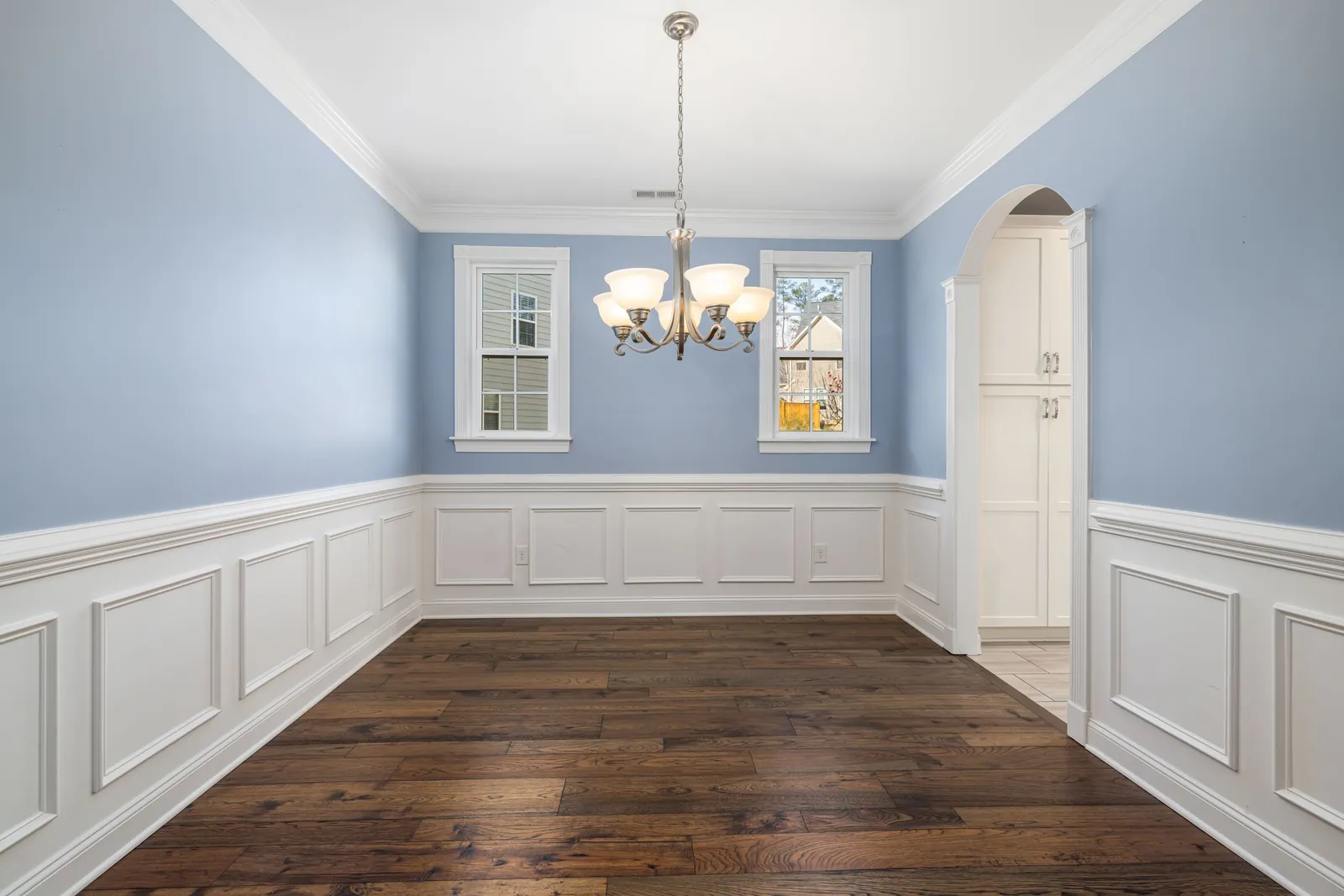
The walls are usually the easy part of painting an older house in the village of Dane. The trim, the doors and the stair railing have been painted again and again, often with oil-based paint somewhere in the stack, and that history decides how the next coat has to go on. About one in six homes here was built before 1940, and about 48% predate 1980.
Here's how we handle the woodwork in those houses: finding out what's on it, priming so new paint holds, working through spindles and sticking doors, and protecting old floors while it all happens.
Oil or latex: the cotton ball test
Before anything goes on old trim, it helps to know what's already there. Dunn-Edwards describes an easy test: soak a cotton ball in rubbing alcohol and rub it on the painted surface. If paint comes off on the cotton, the surface is latex. If nothing transfers, it's oil-based.
Test a few places, not one. A baseboard, a door casing and a window stool may each have been repainted in different years, and in an older house latex can sit on top of oil on one piece and not on the next. Pick spots nobody looks at, like the back edge of a casing or a baseboard behind the couch.
In a house built before 1978, rub gently and never sand just to find out. The EPA says homes of that age are more likely to have lead-based paint, and its renovation rule sets lead-safe practices for paid work that disturbs painted surfaces. Mention the year your house was built when you call.
Priming over old oil-based paint
Old oil-based enamel keeps hardening for as long as it's exposed to air. Dunn-Edwards compares repainting it to painting glass: water, which carries latex paint, doesn't wet that slick surface well, so a new coat beads up instead of bonding.
The fix is prep in a strict order. The trim is cleaned of grease and fingerprints, then sanded until the gloss is gone, which Dunn-Edwards says means an essentially flat surface rather than a quick scuff. The dust is wiped away, a bonding primer goes on, and only then the topcoat. Skip a step and the new paint tends to let go in strips.
The National Park Service, writing about historic woodwork, describes the same failure: latex applied over old, chalking oil paint can peel because it can't get through the chalky surface to adhere. Our posts on latex vs oil-based paint and whether you need primer go further into both.
Stair railings and spindles
An old staircase is mostly edges: a handrail, a newel post and a long row of spindles, each with four faces and two ends. Before any painting, shake the rail and a few of the spindles. A loose one needs fixing first, because paint hides movement and a railing has to be solid.
Spindles are brushwork. Each one is painted top to bottom with a small brush and checked again a few minutes later, since paint collects at the foot of a spindle and runs. The handrail comes last, and it needs the most patience afterward, because warm hands grip it every day. A varnished rail going to paint gets the same sanding and bonding primer as the trim.
If these are your only stairs, plan on keeping hands off the rail for the rest of the day it's painted. Our post on painting stair railings has the step-by-step version.
Doors that bind after decades of coats
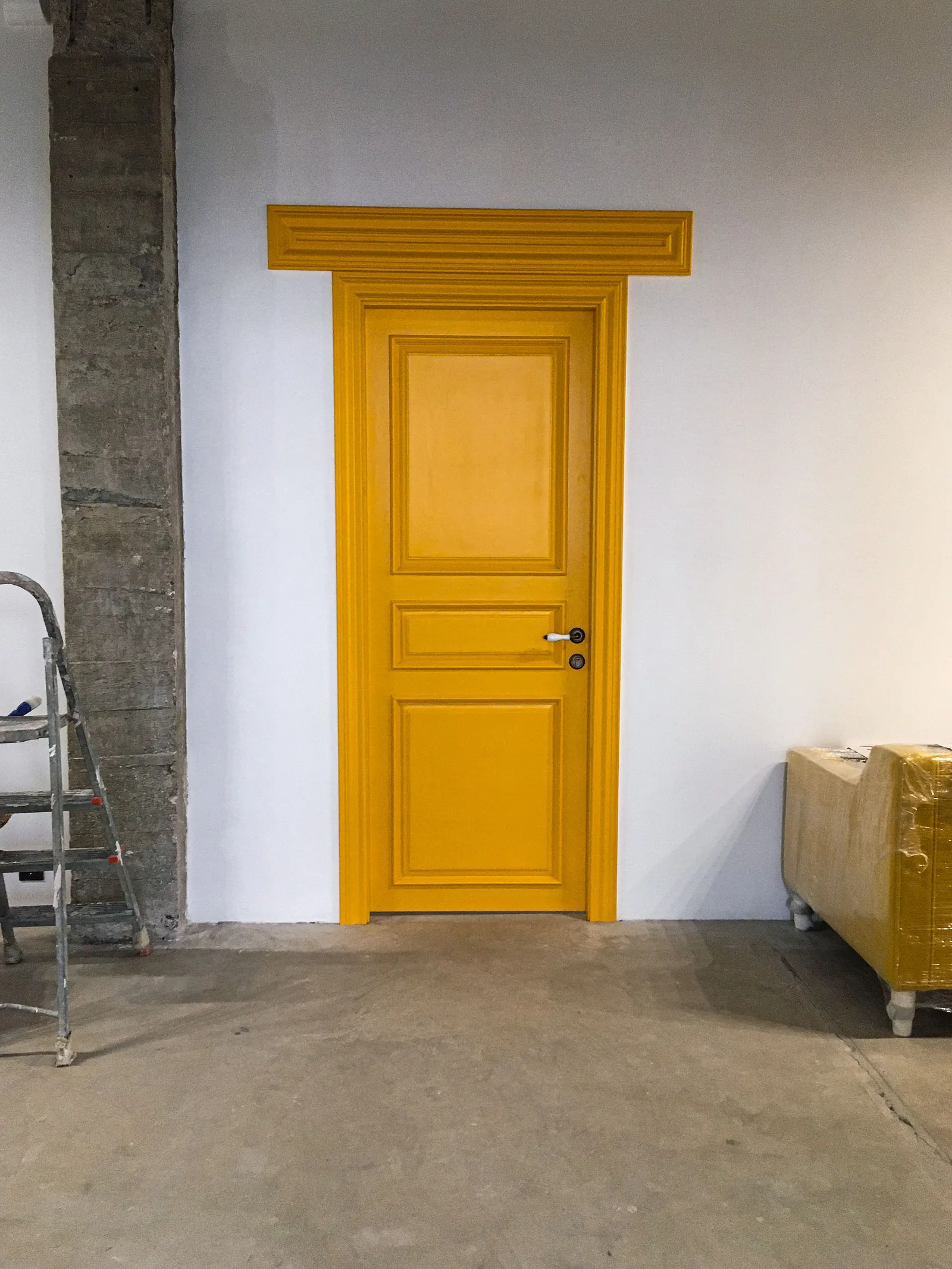
A door that rubs its frame in an old house is often carrying too much paint. Every repaint adds a layer to the edges, and the latch side and the top corner are usually where it starts to bind, especially in humid summer weather when the wood swells.
When built-up paint is the cause, the fix is to take it back before adding more. The edges are scraped and sanded down to a sound, thin layer, then primed and painted in thin coats, which usually gives the door back its clearance. Paint that has pooled in the hinge gap gets the same treatment.
If the door binds because the house has settled or the frame has shifted, that's carpentry rather than paint. It's better found before the door is painted than after.
Covering old floors before work starts
Old wood floors can be the best thing in an older house, and they mark easily. Floors and furniture are covered before any paint comes out, with the covering run tight to the baseboards, which is where most drips fall.
Trim work is the riskiest stretch for a floor, because baseboards are painted a few inches above the boards and sanding dust settles right onto them. Dust is wiped up as the sanding finishes, before primer goes on nearby.
If you have something delicate, like a freshly refinished floor or an old rug that can't easily be moved, say so when you call so George knows before the first morning.
Farmhouse colors, and what to have ready
Older houses carry color well. Warm whites on trim, soft greens, putty and muted blues on the walls, and a stronger color on a door, like the mustard shown above, suit wide casings and paneled doors. A trim white with a little warmth usually looks better beside old wood floors than a stark, bright white.
When you call, have a list of the rooms, doors and stairs you want done, and the year the house was built. George comes out to see the woodwork, since old trim is where a quote depends most on condition. Pricing is by the square footage of the space with paint included, and we use premium paint from Sherwin-Williams and Behr, or another brand you prefer, with the quote built around it.
See our main interior painting page, read about homes in the village of Dane, or ask for a free estimate.
Common questions
How can I tell whether my trim has oil-based paint?
Rub a hidden spot with a cotton ball soaked in rubbing alcohol. Paint that comes off on the cotton is latex, and if nothing transfers, it's oil-based. Test several pieces, since trim in an older house may have been painted in different years.
Can latex paint go over old oil-based paint?
Yes, once the surface is cleaned, sanded until the gloss is gone and primed with a bonding primer. Latex brushed straight over old oil paint is likely to peel.
Can old stair spindles be painted?
Yes. Spindles, newel posts and handrails are cleaned, sanded and primed, then painted by brush, with the handrail done last. Any loose spindle should be fixed before paint goes on.
Why do my painted doors stick?
Usually it's layers of paint on the edges, made worse when humid weather swells the wood. Sanding the edges back before repainting helps. A door that sticks because its frame has shifted needs a carpenter instead.
Will my old wood floors be covered while you work?
Yes. Floors and furniture are covered before any paint comes out, with extra care along the baseboards, where trim paint is most likely to drip.
More in Dane
Interior painting nearby
Helpful guides
Sources
- American Community Survey 2020-2024 5-year estimates, U.S. Census Bureau, via Census Reporter
- Refinishing Oil-based Surfaces Like a Pro, Dunn-Edwards
- Preservation Brief 10: Exterior Paint Problems on Historic Woodwork, National Park Service
- Protect Your Family from Sources of Lead, U.S. Environmental Protection Agency
- Lead Renovation, Repair and Painting Program, U.S. Environmental Protection Agency