
Painting the stained oak and maple woodwork in Waunakee homes
Honey oak casings and stained six-panel doors are common in Waunakee houses from the 1990s and 2000s. How we take that woodwork to white or a color.
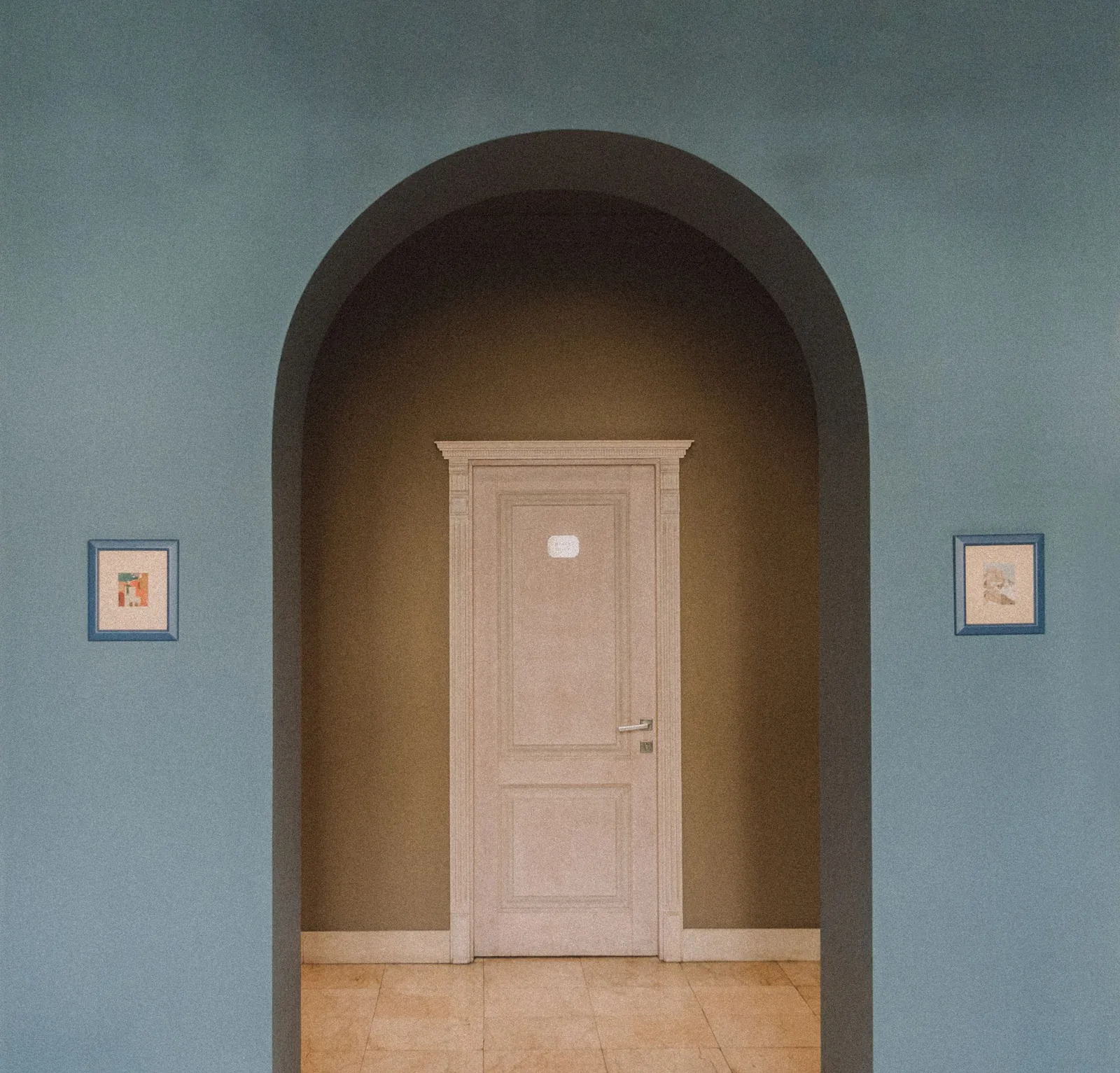
In plenty of Waunakee houses, the woodwork is the last thing still wearing its original look: honey oak casings, stained baseboards and six-panel doors under a clear coat from the 1990s or 2000s. About 36% of the village's homes were built between 1980 and 1999 and about 45% in 2000 or later, the decades when stained trim came standard in a lot of new houses.
Painting that woodwork white or a color is one of the biggest changes a room can get without touching the walls. This page covers the prep stained trim needs, how doors and baseboards are handled, and where it makes sense to keep a little wood. Our interior painting page covers the rest of what we paint.
Why stained trim dates a room
Clear-finished oak and maple don't stay the color they started. The Forest Service's Wood Handbook notes that wood changes color as it ages indoors, mostly from light, and older clear finishes often warm toward amber as well. The result is trim that reads orange beside today's cooler wall colors and floors.
Stained trim also outlines everything. Every casing, baseboard and door frame becomes a dark line drawn around the wall, which makes a room look busier and smaller than it is. Painting the woodwork quiets those lines and lets the walls and furniture carry the room.
Prep for clear-coated trim: clean, scuff, prime, caulk
Stained trim has the same problem as stained cabinets: a slick clear coat that paint can't grab by itself. So the prep runs in a fixed order. The woodwork is washed to remove hand oils and dust, scuff-sanded until the shine is gone, and primed with a bonding primer before any color goes on.
Oak adds one more concern. General Finishes, a finish maker, lists oak among the woods most prone to tannin bleed, the yellow or brown tint that can creep up into white paint, so oak trim gets a primer that blocks stains. Dunn-Edwards sums up a primer's jobs as sealing in stains, giving a smoother finish and helping the topcoat stick.
Caulk comes last. Gaps between casing and wall, or baseboard and wall, hid in the shadow of dark stain; under white paint they show as thin dark lines, so they're closed with paintable caulk and the nail holes are filled and sanded flush. Our post on how to paint trim walks through the full sequence.
Interior doors: six-panel and flat, both sides
Most doors from these decades are either six-panel, in stained oak or a molded wood-grain skin, or flat slab doors. Six-panel doors take the most time, because the recessed panels and their moldings are painted first and the rails and stiles after, so drips don't land on finished areas. Flat doors go faster but show every ripple in the finish.
A door gets painted on both faces and its edges, so it looks finished from the hall and from inside the room. Hinges and knobs are removed or protected rather than painted over, since paint on a hinge pin looks sloppy and can make a door bind. Our post on painting interior doors covers the details.
Fresh paint on a door stays soft for a while. Dunn-Edwards describes blocking as freshly painted surfaces sticking when pressed together, like a door against its jamb, so doors stay open while they dry and get gentle use for the first few weeks.
Baseboards and casings: the most-kicked surfaces in the house
Baseboards take vacuum heads, shoes, toys and chair legs, and casings take hands and shoulders in every doorway. That wear is why trim gets a harder, glossier finish than the walls. Dunn-Edwards calls semi-gloss a common choice for trim and doors because it resists stains and cleans easily, while warning that higher gloss shows dents and waves more. Our post on painting baseboards has more on the order of work and protecting floors.
On straight, newer baseboards, semi-gloss looks crisp. On trim with dings or uneven joints, satin hides more. Either way, give it time: Dunn-Edwards puts the full cure of latex paint at 14 to 30 days, so slide furniture back gently. Once it has cured, a damp cloth takes most scuffs off a semi-gloss baseboard, which is much of the reason to paint it.
Keeping some wood: a stained handrail or stair treads
Painting the trim doesn't mean painting every piece of wood in the house. A stained handrail or stair treads kept as they are, with white or colored trim around them, can look deliberate, and the wood becomes the accent instead of the background.
The trick is to choose. Keep one or two pieces in good shape that earn their place, such as a handrail with a nice profile, and paint the rest. If the treads stay, their tone sets the mood for the white beside them, so hold a few white samples against the wood before deciding.
Trim with or without the walls, from a painter in the village
Trim can be painted without repainting the walls. We cut a clean line where the trim meets the wall and leave the wall color alone; if the walls are due soon anyway, doing both in one visit means one round of drop cloths and one schedule.
Trim takes longer than its square footage suggests, because it's brushed by hand, every piece has two edges to keep clean, and a house's worth of doors adds up quickly. Interior work is priced by the square foot with paint included, and most rooms take one to two days.
We're based in Waunakee, so a visit to look at the woodwork and count the doors is a short drive for George. A list of the rooms, the number of doors and whether both sides get painted gives him most of what the quote needs. Ask for a free estimate, or read about painting and cabinet refinishing in Waunakee.
Common questions
Can stained oak trim be painted white?
Yes. It's cleaned, scuff-sanded and primed with a bonding, stain-blocking primer first, because oak's tannins can tint white paint yellow if the primer step is skipped.
Will the wood grain show through painted trim?
On oak, a little. Oak has large open pores that show as texture under paint, while maple has small pores and paints smooth. The old color won't come through once it's primed; only the texture remains.
Do interior doors get painted on both sides?
Yes, both faces and all the edges, so each door looks finished from the hall and from the room. If you want a different color on each side, mention it on the call, since the edge where the two meet needs a decision.
Can you paint the trim and leave the walls alone?
Yes. Trim can be its own job, with a clean line cut where it meets the wall. If the walls are due for paint soon, doing both in one visit is simpler.
How long does trim take compared with the walls?
Longer than its size suggests. Trim is brushed by hand, has two edges to keep straight and wraps around every door and window, so a room full of woodwork takes more time than its wall area alone would.
More in Waunakee
Interior painting nearby
Helpful guides
Sources
- American Community Survey 2020-2024 5-year estimates, U.S. Census Bureau, via Census Reporter
- Wood Handbook: Wood as an Engineering Material (FPL-GTR-282), USDA Forest Service, Forest Products Laboratory
- How Do I Prevent Water Based Topcoat or Light Colored Paint from Yellowing?, General Finishes
- The Importance of Priming (technical bulletin), Dunn-Edwards
- Selecting Paint Gloss, Dunn-Edwards
- Blocking: causes and fixes, Dunn-Edwards
- Dry Time versus Cure Time of Paint (technical bulletin), Dunn-Edwards