
Painting the rooms Windsor families wear out first
Nurseries, kids' bedrooms, back halls and mudroom walls in Windsor houses: when to paint, what a low-VOC label promises, and how to fit it around family life.
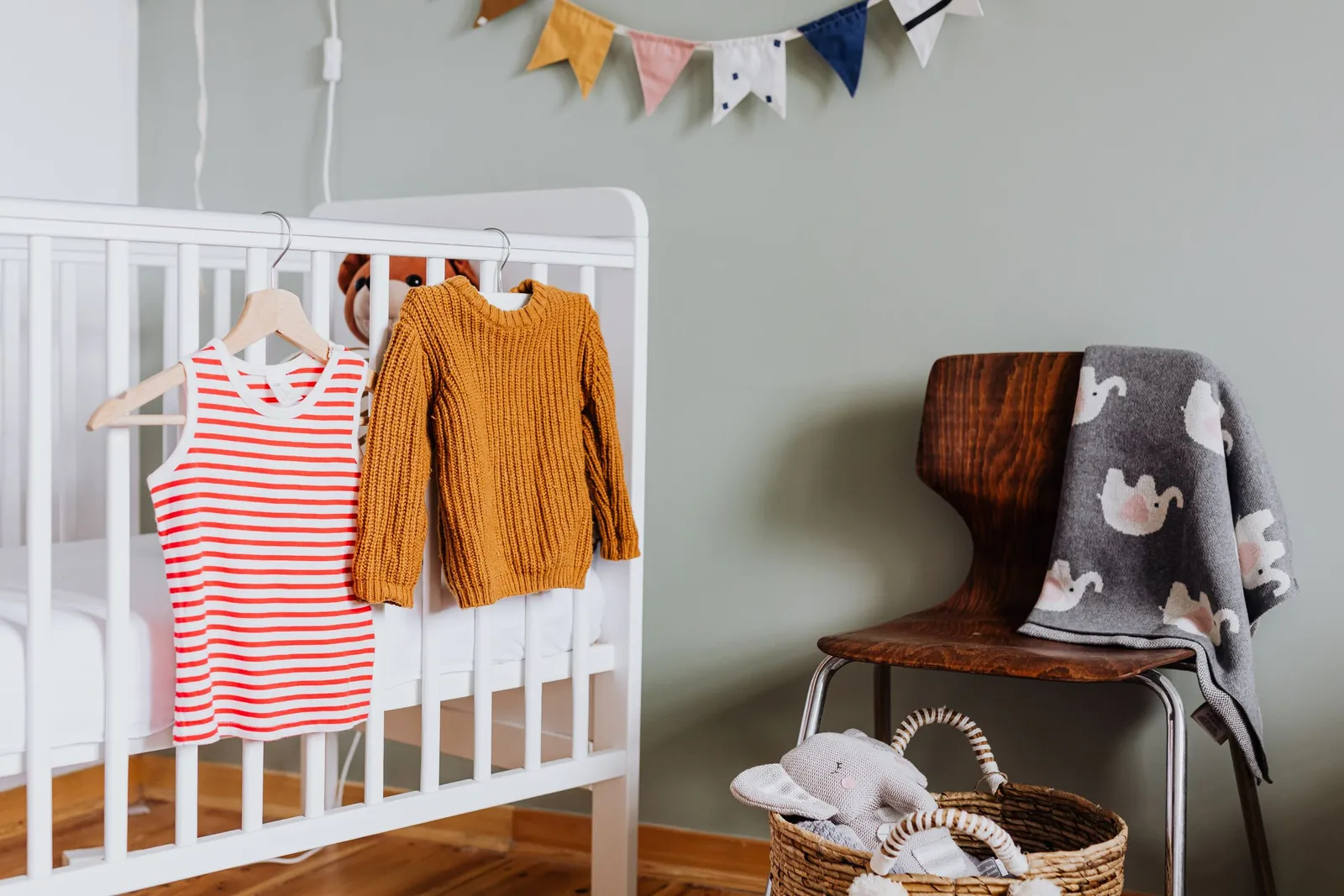
A nursery with a due date attached, a bedroom that changes with every birthday, a back hall where everyone drops their bags: those are the rooms that show family life first. In Windsor, where about 75% of homes are single-family houses and about 76% are owner occupied, a lot of families are raising kids in a house they mean to keep.
This page covers those rooms: how far ahead to paint a nursery, what a low-VOC label does and doesn't promise, what to do about crayon on the wall, and how to paint one room at a time without taking over the house.
Scuffs at backpack height
The hall from the garage takes more traffic than any room in the house, and the marks land in predictable places: a band at bag and stroller height, the corners where people turn, the patch behind the door where the knob swings in, and the casing around the doorway itself.
Color does more work here than people expect. Bright white shows every gray scuff, and very dark walls show dust and the pale film that dried road salt leaves behind. A mid-tone such as a warm greige or a muted green hides both. The trim and doors in a hall like this take the hardest knocks, so they usually get a tougher, wipeable paint than the walls.
Hand oils build up along a busy hall, and paint doesn't bond well to them, so these walls are washed before anything else happens. Our post on cleaning walls before painting explains what to use. A simple door stop behind the swinging door will protect the new paint better than any finish.
A bedroom that grows up with its owner
A child's room goes from nursery to big-kid room to teenager's room in about a decade, and the walls tend to change at each step. Planning for that saves repainting the whole room every few years.
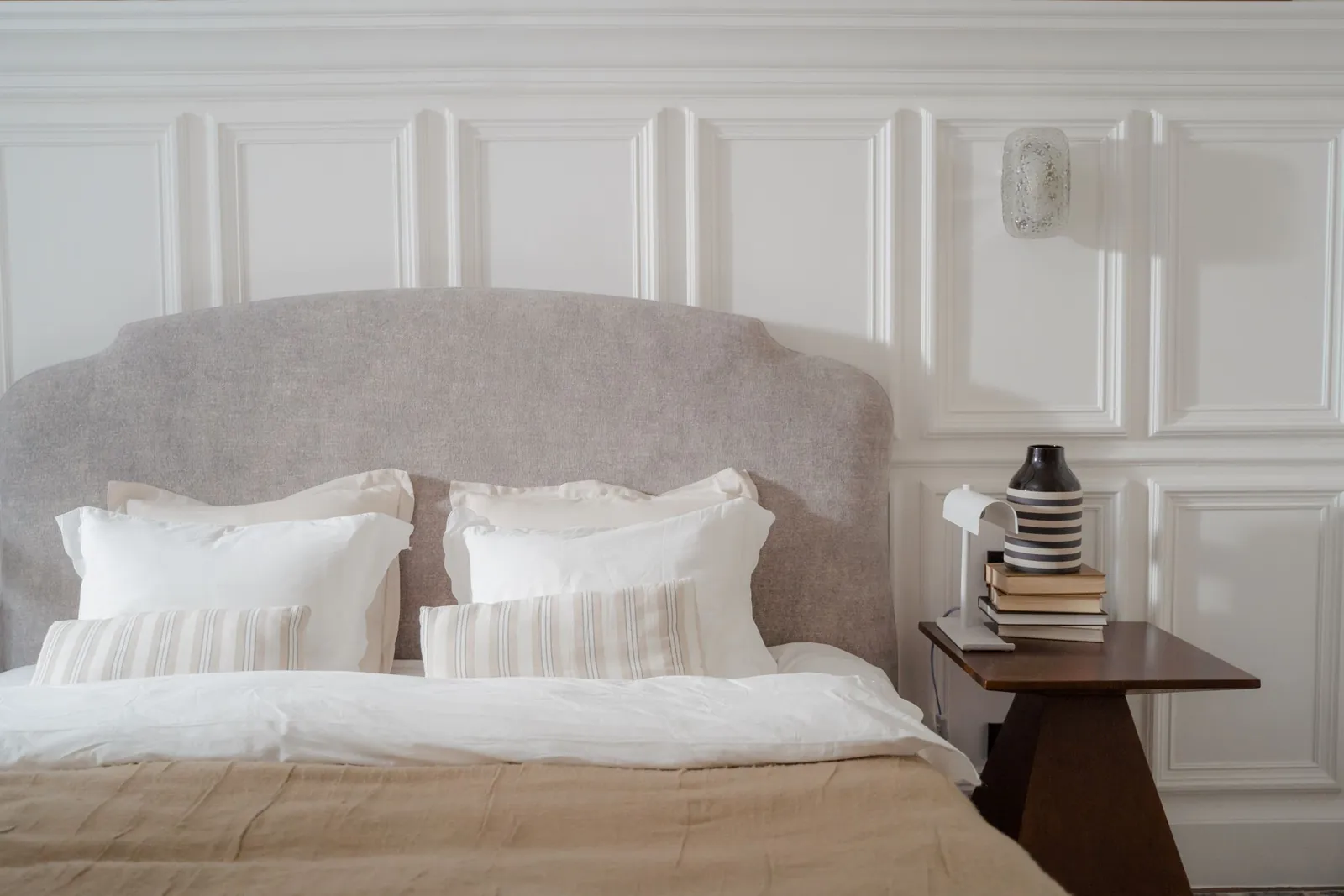
The approach that lasts: keep most of the walls in a color that suits any age, such as a soft white, a warm neutral or a pale green, and put the personality somewhere easy to swap. Bedding, art and a rug can go from dinosaurs to band posters without a painter. If a child wants a bold color, give it one wall, ideally the one behind the bed, so the next change is one wall rather than four.
A bedroom is one of the quicker jobs in a house. Most rooms take one to two days, with the floor and furniture covered first and the small holes from posters and shelf anchors repaired before color goes on.
Nurseries: finish early, then let the room breathe
Paint a nursery early, then leave it alone. The EPA's guidance on remodeling recommends running fans and ventilating as much as possible, around the clock, until two or three days after painting is finished. It also says pregnant women should avoid painting projects and limit their time in freshly painted rooms.
So the paint date isn't the due date. Aim to have the walls done a few weeks ahead, so the room has aired out before the crib and dresser arrive and the paint has had time to harden. Dunn-Edwards puts the full cure of latex coatings at 14 to 30 days, which matters once furniture is pushed against a fresh wall.
That remodeling guidance also notes that water-based paints generally give off fewer chemicals than oil-based ones. Our post on nursery paint colors covers calm colors and a fuller timeline.
Reading a low-VOC label
VOCs, or volatile organic compounds, are gases given off by certain solids and liquids. The EPA lists paints among the products that contain organic solvents, and it says indoor levels of many VOCs run consistently higher than outdoor levels, up to ten times higher.
A low-VOC label means less solvent, but it isn't one fixed standard. The EPA says the norms behind labels for indoor products aren't standardized, and that some count only the compounds regulated to control outdoor smog, so they may miss part of what a product releases. It singles out wet products, such as paint labeled low-VOC or zero VOC, as a case where that's especially true.
The practical takeaway is that low-VOC paint still needs fresh air. We use premium paint from Sherwin-Williams and Behr, and if you want a particular low-VOC paint for a nursery or bedroom, the quote is built around the paint you pick. Our post on low-VOC paint explains the numbers printed on the can.
Crayon, marker and sticker residue
Kids' walls come with artwork. Most of it washes off, or mostly off, with mild detergent and a soft sponge, and washing is the first step whether or not the wall is about to be painted.
What's left after washing decides the next move. Crayon is wax, and new paint can bead over a waxy film, so it has to be scrubbed off rather than covered. Ink is the opposite problem: it tends to bleed up through ordinary paint. Dunn-Edwards lists bleed-through from ink among the things a primer prevents, and a stain-blocking primer over the mark is the dependable cover.
Sticker and tape residue gets cleaned off, and holes from hooks and shelf anchors are filled. Point out the worst walls when you call, so the prep is part of the plan from the start.
One room at a time, around naps and school
You don't have to empty the house to repaint it. Since most rooms take one to two days, a family can clear one bedroom, send its occupant to a sibling's floor for a night, and have the room back by the weekend. We work Monday to Friday, 8am to 5pm, which lines up with the school day for a lot of families.
If several rooms are on the list, do the one with a deadline first, usually the nursery, then the ones that bother you most. Working in pieces takes a bit more setup each time, but the house stays livable. Interior work is priced by the square footage of the space, with paint included, so each room can be quoted on its own.
When you call, mention which rooms, any due date, and anyone in the house who is sensitive to paint smell. George comes out if he needs to see the rooms, and the written quote lists each room you've chosen. See our main interior painting page, more about painting in Windsor, or ask for a free estimate.
Common questions
How early should we paint the nursery?
A few weeks before the due date is a comfortable target. The EPA recommends ventilating until two or three days after painting ends, and latex keeps hardening for weeks after that, so finishing early lets the room air out and the furniture go in without a rush.
What does a low-VOC label actually tell me?
That the paint carries less solvent than ordinary paint, though the phrase has no single fixed standard. The EPA says labels for indoor products aren't standardized and may not cover every compound a paint gives off, so keep windows open and fans running even with low-VOC paint.
Can crayon or marker be painted over?
Marker can, once the wall is washed and the mark is sealed under a stain-blocking primer. Crayon should be scrubbed off first, because its waxy film can keep new paint from bonding to the wall.
Will you paint just one bedroom?
Yes. A single bedroom is a common job, and most rooms take one to two days. Interior painting is priced by square footage with paint included, so one room gets a quote of its own.
Which color will a kid's room grow into?
A soft neutral or a pale, slightly grayed color on most of the walls, with the bolder pick saved for one wall or for bedding and art. Then a change of taste means repainting one wall instead of the whole room.
More in Windsor
Interior painting nearby
Helpful guides
Sources
- American Community Survey 2020-2024 5-year estimates, U.S. Census Bureau, via Census Reporter
- Addressing Indoor Environmental Concerns During Remodeling, U.S. Environmental Protection Agency
- Volatile Organic Compounds' Impact on Indoor Air Quality, U.S. Environmental Protection Agency
- Technical Overview of Volatile Organic Compounds, U.S. Environmental Protection Agency
- Dry Time versus Cure Time of Paint (technical bulletin), Dunn-Edwards
- The Truth About Priming, Dunn-Edwards