Nursery paint colors that stay calm, and how far ahead to paint
· 6 min read · By GK Painting & Remodeling
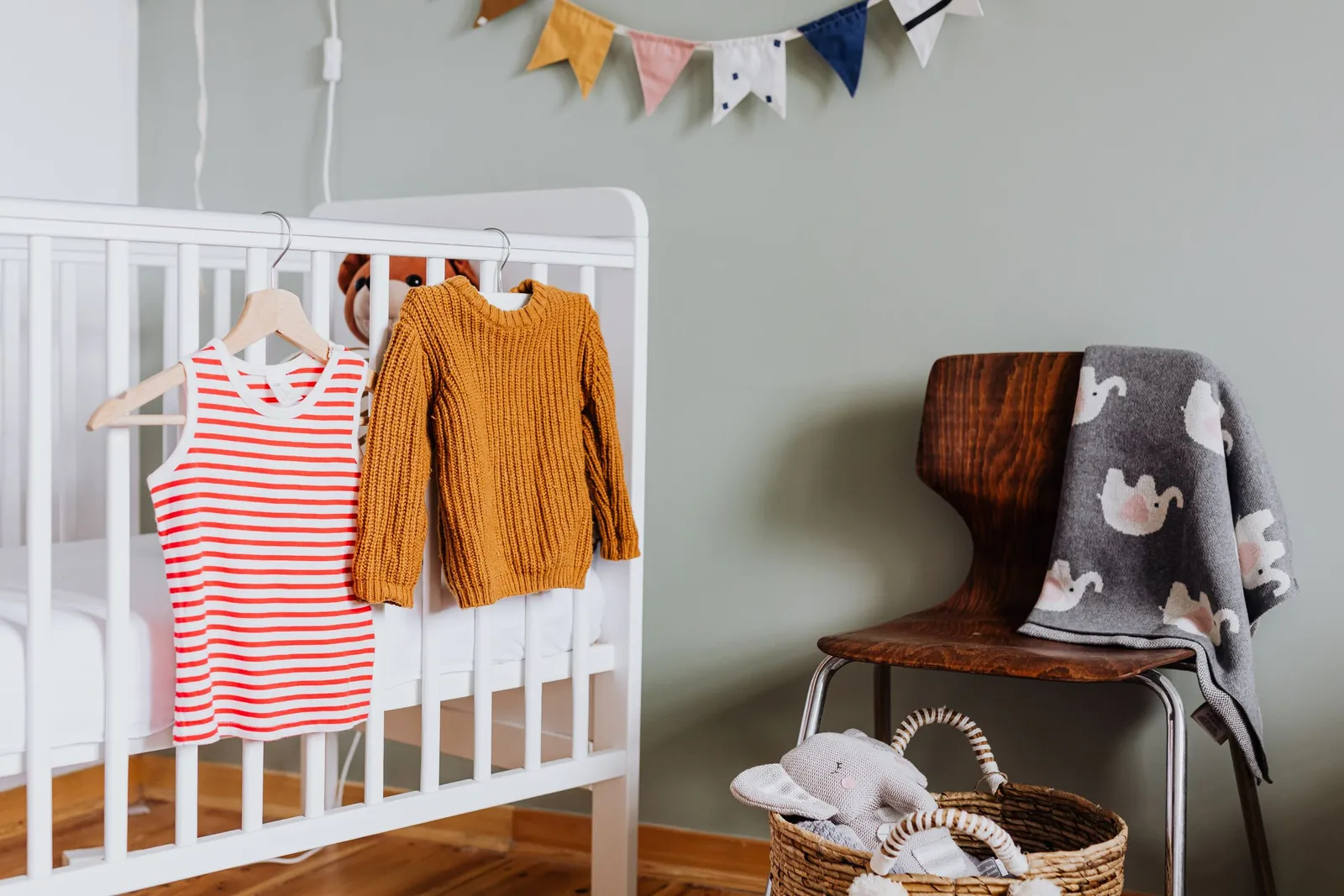
The easiest nursery paint colors are soft and low in contrast: warm whites, pale sage, dusty blue, gentle gray-beige and butter yellow. The choices that matter more are practical ones: use a low-VOC, water-based paint, and finish well before the baby arrives so the room can air out.
Here's what makes a nursery color hold up as a child grows, what to ask for when it comes to low-odor paint, and what EPA and CDC guidance says about timing and who should do the painting. If you'd rather hand the job off, that's what our interior painting service is for.
Colors that read as calm
Calm usually means low saturation and low contrast: colors with some gray or cream in them, and walls, ceiling and trim that sit close together in tone. These families work well:
- Warm whites and creams. They brighten the room without the starkness of a bright white.
- Pale sage and soft green. They pair easily with natural wood and white furniture.
- Dusty blue and blue-gray. Softer than baby blue, and less likely to feel dated in a few years.
- Greige and warm gray. A quiet backdrop for bedding, art and whatever the next phase brings.
- Butter and pale yellow. They add warmth to a room that doesn't get much sun.
- Blush and soft clay. Warm without being loud, and easy to live with.
None of this is science, and no color is the right one. Pick one you'll enjoy at three in the morning under a dim lamp, because that's the light you'll see it in most.
Colors to think twice about
- Bright primaries. Saturated red, yellow and blue can feel busy in a small room, especially on all four walls, and a baby's room already has plenty going on.
- Cool, institutional grays. A blue-leaning gray can turn chilly at night under a lamp, which is not what you want during a feeding.
- Very dark colors. A deep color can be lovely, but it usually takes more coats to cover, and Dunn-Edwards notes that dark, heavily pigmented colors take longer to dry and cure than light ones. That works against a tight schedule.
The same goes for heavy contrast between wall and trim. A white that's much brighter than the wall color pulls the eye to every edge, and a softer white keeps the whole room quiet.
Choose a color the room can grow with
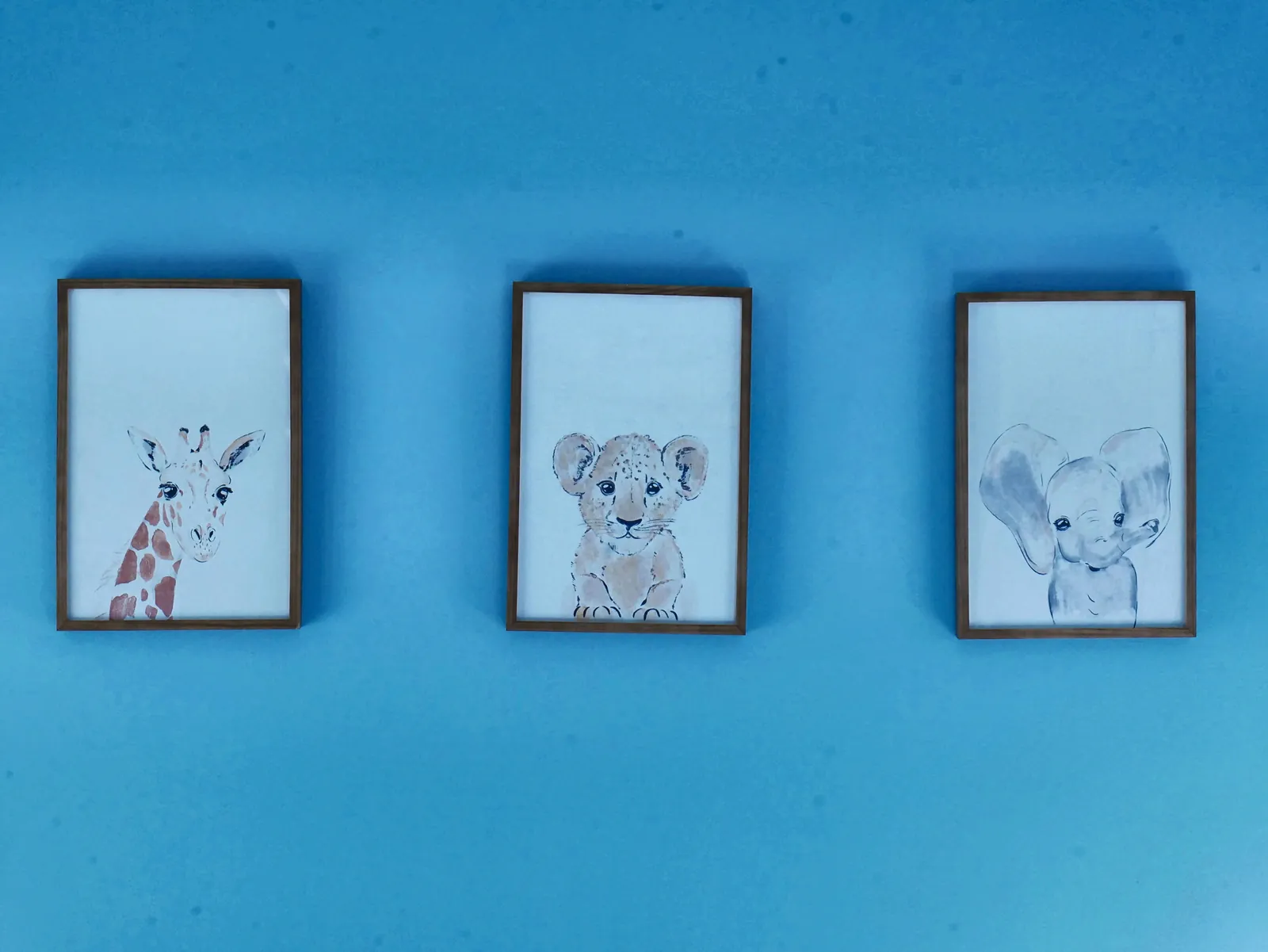
Babies become toddlers quickly, and a nursery rarely gets repainted at the same pace. Keep the walls simple and bring bold color in through things that are easy to change: bedding, rugs, art and curtains. If you want something stronger on the wall, one accent wall is a lower-commitment way to do it, and our post on accent wall ideas covers where it works.
Check the light, too. If the nursery faces north, it gets cool, indirect light, and a warm undertone helps. Our post on paint colors for north-facing rooms explains why.
Low odor and low VOC: what to ask for
VOCs, or volatile organic compounds, are chemicals that evaporate from paint as it dries, and they're behind much of the fresh-paint smell. The Agency for Toxic Substances and Disease Registry, part of the CDC, advises choosing paint labeled low-VOC, zero-VOC or water-based when you paint a baby's room, and improving ventilation by opening windows or running fans.
EPA's prenatal guidance gives the same direction: choose no-VOC or low-VOC paints, limit the use of oil-based paints, and keep the windows open. EPA's remodeling guidance adds that water-based paints generally release fewer chemicals than oil-based ones. Our guide to low-VOC paint explains the labels.
We use premium paint from Sherwin-Williams and Behr, and Behr is the more economical of the two. If this is a nursery and you want a specific low-VOC paint, tell us on the first call. Your written quote is built around the paint you pick.
How far ahead to paint
EPA's prenatal guidance says to prepare a nursery well before your baby arrives, so the room has time to air out, and notes that painting can lead to high VOC levels in the air for a few days after the work is done. For remodeling jobs, EPA recommends running fans and ventilating as much as possible until two or three days after the painting is complete. It also says that under normal temperature and humidity, most emissions occur during drying, in the first few days.
So treat the due date as the day you're finished, not the day you start. Babies don't keep to schedules, and you'll want time to set up the furniture without rushing. Paint also keeps hardening after it feels dry. Dunn-Edwards puts the full cure of latex coatings at 14 to 30 days, so keep the walls gentle for the first few weeks.
Who should do the painting
ATSDR suggests asking a trusted adult who isn't pregnant to handle painting and remodeling if possible, and staying away from the areas where they're working. EPA's remodeling guidance similarly advises pregnant women to avoid painting projects and to limit time in freshly painted rooms.
That's an easy job to hand off. We cover the floors and furniture, repair small holes, prep and prime, paint, and clean up, then walk the room with you. Plan to stay out of it while the paint dries and for a few days afterward. Most rooms take one to two days, and our post on how long it takes to paint a room explains the schedule.
Older homes and lead paint
If the house is old, the walls and trim deserve a second thought before anyone sands or scrapes. EPA says homes built before 1978 are more likely to have lead-based paint, and its prenatal guidance warns that preparing a nursery can release lead dust if old paint is scraped or sanded. EPA also advises against removing lead-based paint yourself.
Older houses often have plaster walls and thick layers of old paint on the trim, so mention your home's age when you call.
Sheen, ceiling and trim
A nursery gets wiped down more than most rooms, so a satin or eggshell finish on the walls will clean up better than flat. Semi-gloss suits trim and doors. A soft white on the ceiling keeps the room calm. Our guides to paint finish for each room and the best ceiling paint go through the choices.
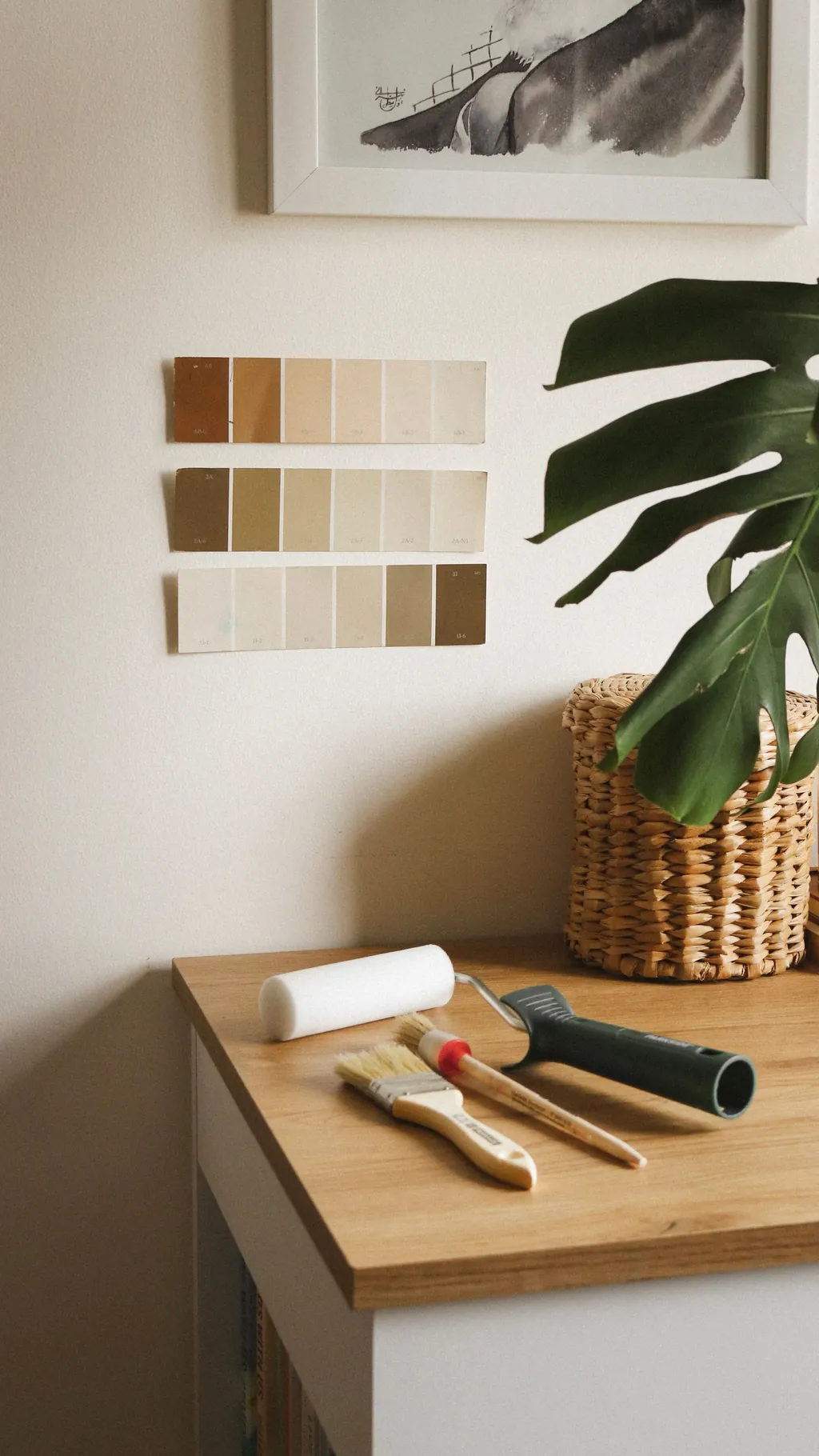
Before you commit, paint large samples and look at them at different times of day, including after dark with the lamp you'll actually use. Our guide to how to test paint colors shows how.
Getting the nursery painted
Empty the room as much as you can before the start date: clothes from the closet, books from the shelves, anything small. Whatever stays gets covered, but a clear room is easier to prep. EPA's prenatal guidance also points out that carpet removal releases dust, and suggests having someone else do it and clean up before you go in. If other work is planned in the same room, mention it on the first call so the order is part of the plan.
Interior painting is priced by the square footage of the space, with paint included. Floors and furniture are covered first, and small holes are repaired before any paint comes out. We start with a phone call, George visits if he needs to see the space, and you get a written quote with a start date.
If a baby is on the way and you'd like the room finished before then, ask for a free estimate and tell us your timeline.
Common questions
What is the best color for a nursery?
There isn't one right answer. Soft, low-contrast colors such as warm white, pale sage, dusty blue and greige are popular because they're calm and easy to decorate around. Choose one you like in the room's actual light, including at night.
How long before the baby arrives should I paint the nursery?
EPA's prenatal guidance says to do it well before the baby arrives so the room can air out. It doesn't give a number of weeks, so leave yourself a cushion, and keep fans running until two to three days after the painting is finished.
What does low-VOC paint mean?
VOCs are chemicals that evaporate from paint as it dries and cause much of the fresh-paint smell. The CDC's ATSDR advises choosing paint labeled low-VOC, zero-VOC or water-based for a baby's room. Even low-VOC paint needs ventilation while it dries.
Can a pregnant woman paint the nursery?
Agencies advise caution. ATSDR suggests asking a trusted adult who isn't pregnant to do the painting, and EPA says pregnant women should avoid painting projects and limit time in freshly painted rooms. Ask your doctor if you have questions about your own situation.
When can the baby sleep in a freshly painted room?
The guidance we read doesn't give a single waiting period. EPA says most emissions occur in the first few days after painting and recommends ventilating until two or three days after the work is done. Finishing weeks before the due date avoids the question.
Sources
- Preparing for the Nine Months that Last a Lifetime (Appendix A, prenatal exposure messages), U.S. Environmental Protection Agency
- In the Baby's Room (Prenatal Assessment of Environmental Risk), Agency for Toxic Substances and Disease Registry, CDC
- Addressing Indoor Environmental Concerns During Remodeling, U.S. Environmental Protection Agency
- Dry Time versus Cure Time of Paint (technical bulletin), Dunn-Edwards
- Reduce Lead Exposure in Your Home, U.S. Environmental Protection Agency
More on interior painting and every interior painting post.