A yearly deck maintenance routine for Wisconsin homes
· 6 min read · By GK Painting & Remodeling
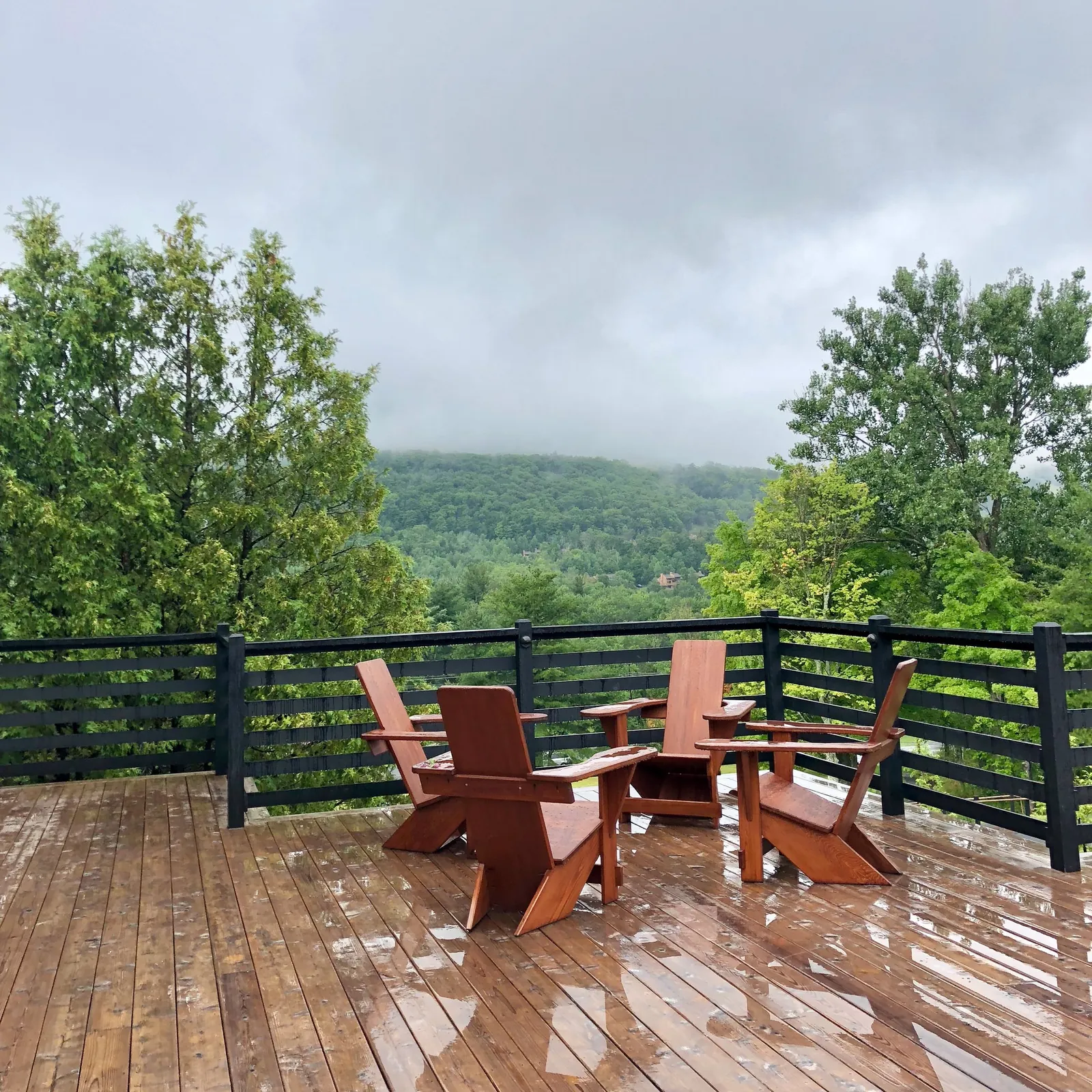
Good deck maintenance is a short list you repeat every year: clear the debris, inspect the structure, wash the wood, test the finish, and refinish before the wood is bare. In Wisconsin, where Madison averages 51.8 inches of snow a year, winter does most of the damage, so a yearly check matters more here than in a milder climate.
Here is the routine, what each step involves and where it goes wrong. Washing and refinishing are what we do on decks. Structural problems are different: stain won't fix a loose ledger or rotted joist, and those need a deck builder before anyone picks up a brush.
The routine at a glance
| Task | How often | What you're checking |
|---|---|---|
| Sweep and clear debris | Every few weeks | Leaves, grit, gaps between boards |
| Safety inspection | Once a year | Ledger, railings, fasteners, soft wood |
| Wash | Once a year | Dirt and mildew |
| Water test | Once a year | Whether water beads or soaks in |
| Refinish | When the test fails | Gray, dry or worn wood |
The order matters. Inspect before you wash, because a clean deck with a loose railing is still a loose railing. Wash before you refinish, because stain can't soak into a dirty surface.
If you'd rather do it all in one go, this is the order that works:
- Clear the deck of furniture, planters and the grill, and sweep it.
- Clean out the gaps between boards.
- Walk the deck for loose fasteners, soft wood and wobbly railings.
- Wash the boards, rinse and let them dry.
- Run the water test on a few boards, including the high-traffic ones.
- Decide whether it needs a fresh coat now or can wait another year.
Keep it clear
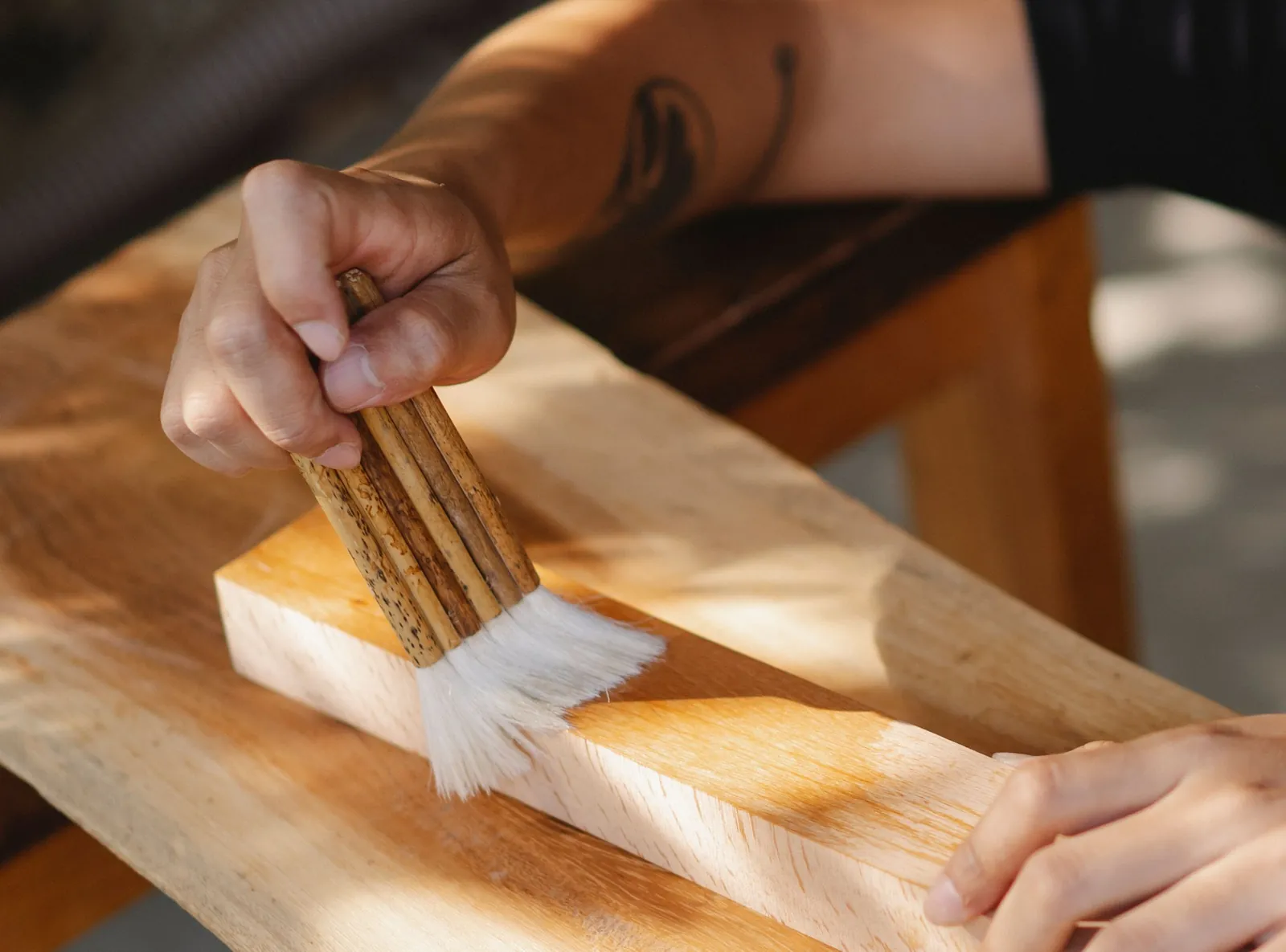
Debris is the easiest problem on a deck to fix and an easy one to ignore. The North American Deck and Railing Association says leaves and debris are slippery and promote mildew. Real Cedar, the western red cedar industry's consumer site, adds that you should clear the gaps between boards so water can drain.
A putty knife or a thin scraper run between the boards does the job. Grills, planters and furniture leave marks if they sit in one place all year, so move them around now and then. Real Cedar offers the same advice.
Inspect it once a year
The deck safety checklist from NADRA is the best short guide to this. It tells you to check several different areas to be sure the wood is sound, including the ledger board (where the deck attaches to the house and a common source of deck failure), the posts and joists underneath if you can reach them, the deck boards, the railings and the stairs.
- Probe damp or fastener-heavy spots with a screwdriver or ice pick. If you can easily push it in a quarter to a half inch, or the wood is soft and spongy, decay may be present.
- Push on the railings. They should be secure, and that matters more the higher the deck sits off the ground.
- Look for loose or corroded fasteners. Tighten what's loose and pound in any nails that have popped up, because a rusty fastener can damage the wood around it.
- Check that the flashing where the deck meets the house is sound and sheds water.
- Look at the stairs: railings firm, risers and stringers solid and not decayed.
- Look up. If trees overhang the deck, make sure no decaying limbs are about to come down on it.
If something fails the test, NADRA's advice is to bring in a professional such as a deck builder or home inspector. That's not a stain problem.
Wash it the right way
Most decks need a good scrub rather than a blast. Real Cedar recommends a brush and soapy water, with a diluted oxygen bleach solution where there's mildew, and flatly says never to power wash a cedar deck. Let the wood dry thoroughly before you do anything else to it.
Two cautions from Purdue Extension's guide to exterior finishes are worth repeating. Never mix bleach with ammonia or with cleaners that contain it, because the fumes can be deadly. And don't scrub with steel wool or a wire brush, which leave iron behind. On woods like cedar that iron can react with natural tannins to leave a dark blue-black stain.
Test the finish
The easiest test costs nothing. Splash some water on the boards. Purdue Extension describes this for water-repellent finishes: if the water beads up and runs off, the treatment is still working, and if it soaks in, the wood needs refinishing. The same guide says graying is another sign that it's time to refinish.
Check the high-traffic areas, the boards at the top of the stairs and the spots in full sun. Decks wear unevenly, and the Forest Service notes the finish takes abrasive wear, particularly in high-traffic areas. Our guide to preparing a deck for staining covers the steps between a tired deck and a freshly stained one.
Brightening a gray deck
A deck that has gone gray hasn't necessarily gone bad. Gray is what unfinished wood does in the sun and rain, and the Forest Service says the weathered gray surface usually develops within a year or two. The bright color can be brought back with commercial deck cleaners, which the Forest Service calls brighteners or restorers.
Use them with care. The same guidance warns that these products may remove the weathered wood surface, so take care not to strip off more wood than you need to. After rinsing, the Forest Service allows one or two days of drying before you apply a finish. Weathered boards also soak up more stain than fresh ones, because the checks and cracks have opened, so expect to use more product.
Refinishing before it fails
A deck is about as harsh an exposure as wood gets. The Forest Service notes that the boards are flat, catch the sun and hold moisture, so the weathering process is greatly accelerated. For fully exposed decks it says a water-repellent preservative or a semi-transparent penetrating stain may be the best choice, and that penetrating finishes need refinishing every 1 to 2 years.
The upside is how easy they are to renew. Purdue Extension says a penetrating stain only needs a stiff bristle brush to take off dirt, dust and loose fibers before a new coat. Paint and solid-color stains are the opposite. The Forest Service guidance, written in 1991, says they're likely to peel on decks and need laborious scraping and sanding before the next coat, and calls them not appropriate for fully exposed decks.
Staining needs a dry deck and temperatures that suit the product, so the label on the stain is your guide to when the weather is right. Our posts on the best time to stain a deck and how to stain a deck go through the steps.
What Wisconsin does to a deck
Madison gets 51.8 inches of snow in an average year, going by the University of Wisconsin's Nelson Institute and the 1991 to 2020 climate normals. Snow sits on the boards, melts, refreezes and works its way into every check and crack, where freezing water expands. By the time the snow is gone, a deck that went into winter with a tired finish has taken the worst of it.
Shoveling and de-icing matter too, and they're easy to get wrong. Our post on winter deck care covers plastic shovels, salt and fall prep. A good time to do the yearly inspection is once the snow has melted and the deck is dry, because that's when winter damage shows. If your deck is new, start with the water test for new treated boards.
Where we fit in
Deck staining and refinishing is part of our exterior painting work. Smaller exterior projects usually take one to three days and are scheduled around dry weather. The process starts with a phone call, George visits if he needs to see the deck, and you get a written quote with a start date. The written quote is the price, no extra charge if the job takes longer than expected.
We're based in Waunakee and work across Madison and Dane County; the page on deck and exterior work in Madison has the details. If your deck failed the water test, ask for a free estimate.
Common questions
How often should a wood deck be maintained?
Clear debris regularly and give the deck a structural check and a wash once a year. Refinish when the water test fails. For fully exposed decks, the Forest Service says penetrating finishes need refinishing every 1 to 2 years.
How do I know when my deck needs restaining?
Splash some water on the boards. If it beads and runs off, the finish is still working, and if it soaks in, it's time to refinish. Graying wood is another sign.
Can I power wash my deck?
Real Cedar says never to power wash a cedar deck. A brush and soapy water works for most decks, with a diluted oxygen bleach solution for mildew, and the deck should dry thoroughly afterward.
What should I look for in a yearly deck inspection?
NADRA's checklist covers the ledger board, posts and joists, deck boards, railings, stairs, fasteners and flashing. Press a screwdriver into suspect wood, and if it goes in a quarter to a half inch easily, decay may be present.
Who fixes a loose ledger or rotted boards?
A deck builder or home inspector, according to NADRA's advice. Staining and refinishing protect sound wood but can't repair a structural problem, and it's better to fix the structure before the deck is stained.
Sources
- Check Your Deck consumer checklist, North American Deck and Railing Association
- Selection and Application of Exterior Finishes for Wood (NCR-135), Purdue University Cooperative Extension Service and USDA Forest Products Laboratory
- Exterior Wood in the South: Selection, Applications, and Finishes (FPL-GTR-69), U.S. Forest Service, Forest Products Laboratory
- How to Finish and Maintain Your Cedar Deck, Real Cedar (Western Red Cedar Lumber Association)
- Historical Madison Snowfall Data, Nelson Institute Center for Climatic Research, University of Wisconsin-Madison
More on decks and exterior and every decks and exterior post.