First-time painter? The habits that matter most
· 6 min read · By GK Painting & Remodeling
The habits that matter most for a first-time painter are prepping the walls before opening a can, covering everything you don't want painted, using thin coats, and giving each coat time to dry. Fancy tools and perfect technique matter far less than those four.
Here are the habits in the order you'd use them, with the reasons behind each. A first room is a good project if you go in with a plan, and our guide to how to paint a room has the full step-by-step to go with this list.
Spend half your time on prep
Paint hides less than people think, and it sticks to what's under it. Dust, grease, fingerprints and crumbling spots all show through the finish or let it peel. Dunn-Edwards says a weak bond forms when paint goes over a dirty, mildewed, chalky, slick or glossy surface, and that the failure can show up right away or later, after more coats.
So wipe the walls with a damp cloth, fill holes and dents, sand the patches smooth and scuff any glossy trim. Our guides to prepping walls and cleaning walls before painting show how, and that's what a good prep job looks like when we do it: floors and furniture covered, small holes repaired, surfaces cleaned and sanded before any paint opens.
Cover more than you think you need to
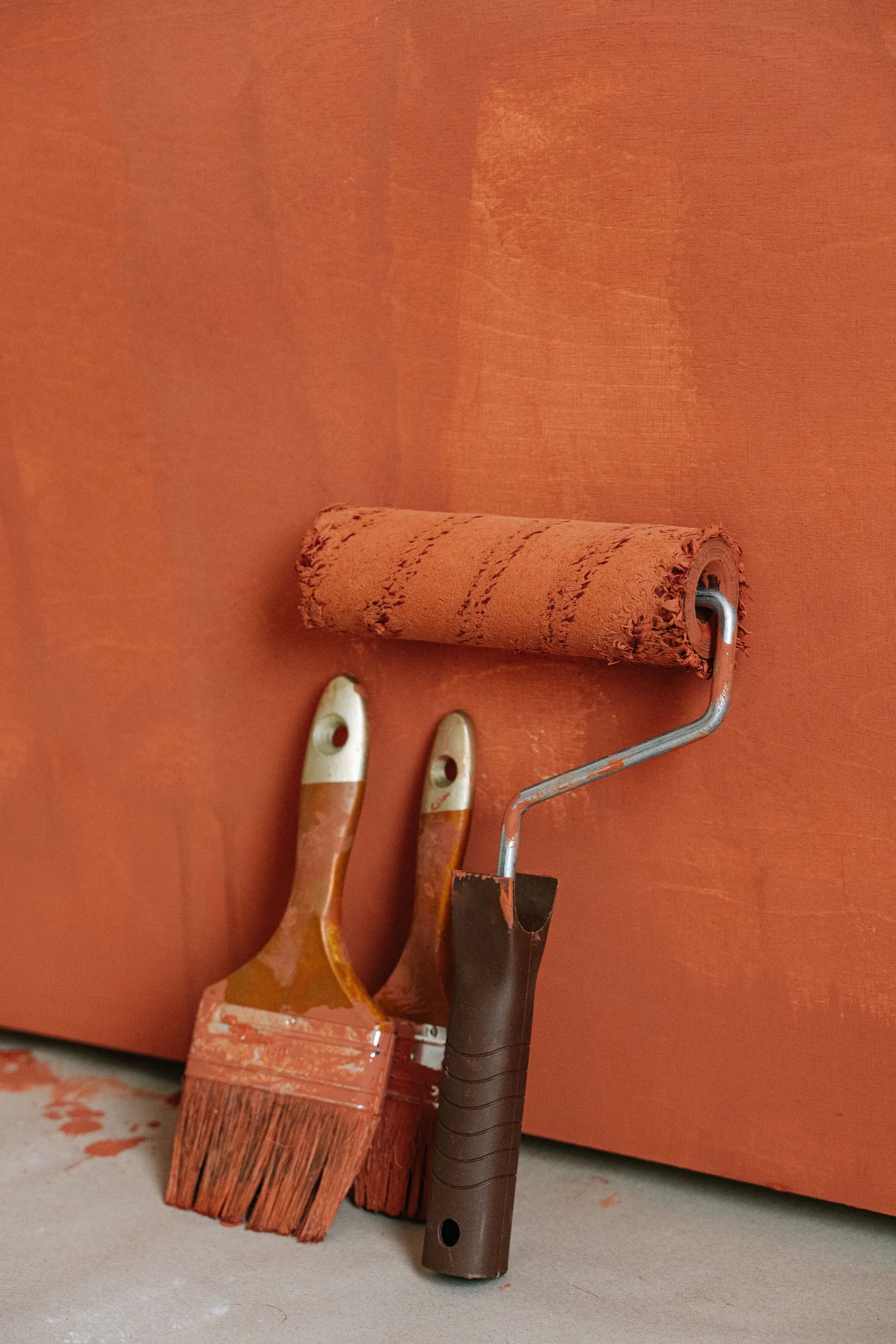
Roller spatter travels, and drips find the one rug you forgot. Cover the floor with a canvas drop cloth, which stays put and soaks up drips better than plastic. Plastic sheeting is fine over furniture you've pushed to the middle of the room. Remove switch plates and outlet covers, and take down curtain rods and wall hangings.
Open a window or two for air, too. The EPA recommends increasing ventilation when you use products that emit volatile organic compounds, and says paints are among them. Fresh air helps the paint dry as well.
Buy a few good tools, not a lot of cheap ones
- A 2-inch angled brush with synthetic bristles for cutting in
- A 9-inch roller frame, with a quality cover (a 3/8-inch nap suits most walls)
- An extension pole for the roller, which saves your back and your ladder time
- A tray with a liner, a bucket, and a few rags
- A drop cloth, painter's tape and a putty knife
Spend a little more on the roller cover, because cheap ones shed lint into the paint. Our posts on what nap roller to use and cleaning brushes will help you buy and care for the tools you need.
Work in the right order
Paint from the top down. Ceiling first, then the walls, then the trim, so drips and spatter fall on surfaces you haven't done yet. Cut in each wall with a brush, then roll it before the brushed band dries.
Cutting in and rolling are separate skills with their own tricks, and we've covered both: how to cut in paint and how to avoid roller marks. The short version is to keep a wet edge. Benjamin Moore describes lap marks as deeper color or increased gloss where wet and dry paint overlap, and its advice is to paint a short distance from the area you just finished and roll back into the wet paint.
Use thin coats, and plan on two
The common beginner mistake is piling paint on to cover in one go. A heavy coat runs, drips and dries unevenly. Rodda Paint lists applying too heavy a coat as a cause of sagging, and advises two coats at the recommended rate instead of one heavy coat.
Plan on two coats for a room that's changing color. Our guide to how many coats of paint covers when you can get away with one, and what to do about a big color change.
Respect dry time and cure time
Dry and cured are different. Dunn-Edwards says latex paint is typically dry to the touch within one to two hours and can be recoated within two to four, but takes 14 to 30 days to cure fully. Cold, humid air, dark colors and poor ventilation slow all of it.
In practice: wait for the first coat to be properly dry before the second, go easy on a new wall and don't scrub it while it hardens, and give painted doors and windows time before you close them, because glossy paint can stick to the frame.
Plan the room around those times instead of fighting them. A realistic first-timer schedule is prep and ceiling on the first day, first coat on the walls once the ceiling is dry, and the second coat after the first has dried properly, with trim last. That adds up to a weekend for most rooms, and rushing it into one afternoon is how people end up with lap marks and tacky walls. Professionals work the same sequence, and most rooms take us one to two days.
Small habits that save a room
- Stir the paint thoroughly before you start and again every so often. Pigment settles.
- Buy enough for the whole room at once. If you need more than one can, pour them together in a large bucket so any slight color difference averages out.
- Keep a damp rag in your back pocket for drips and smudges. Latex wipes up easily while it's wet and is hard to remove once it dries.
- Tap the excess off the brush against the inside of the can instead of wiping it across the rim.
- Stop and look at the wall from the side. A bright light held low against each wall shows thin spots, drips and missed corners that disappear when you look straight on.
- Fix what you find while the paint is wet or at the end of the day, before you clean up. It takes minutes then and a recoat later.
That side-light check is the habit that separates a good finish from a decent one. Almost every room has a window or a lamp that throws light across the wall at a low angle, and that's the light that will show a thin spot or a ridge for years. Find yours and check your work against it before you clean up.
Clean up properly and keep some paint
Wash latex brushes and rollers with soap and water before the paint dries, and don't pour rinse water down a storm drain. See our guide to cleaning paint brushes for the details. Then seal the leftover paint, label it with the color and sheen, and keep it indoors where it can't freeze, using the steps in how to store leftover paint.
A caution for older homes, and when to hire help
If your home was built before 1978, the EPA says it is more likely to contain lead-based paint, and its Renovation, Repair and Painting rule sets lead-safe work practices for paid work in older homes. Learn more at the EPA's page on reducing lead exposure at home and its lead renovation, repair and painting program. Mention your home's age when you call us.
Some jobs go better with help: stairwells, tall ceilings and anything with a lot of trim. For homes and businesses we paint walls, ceilings, trim, doors and garages as part of our interior painting, and most rooms take one to two days. The written quote is the price, no extra charge if the job takes longer than expected. Ask for a free estimate and George will talk through the space with you.
Common questions
What is the most important tip for painting a room?
Prep. Clean the walls, fill and sand holes, and cover everything you don't want painted before you open a can. Paint adheres to what's under it, so a clean, sound surface decides how long the finish lasts.
Should I paint the ceiling or walls first?
Ceiling first. Paint from the top down so any drips or spatter land on surfaces you haven't painted yet, then do the walls and finish with the trim.
How long should I wait between coats of paint?
Dunn-Edwards says latex can typically be recoated within two to four hours, but cool, humid conditions and dark colors can stretch that. Check the can and wait until the first coat is dry to the touch.
Do I need to use primer?
Sometimes. New drywall, patches, stains and big color changes benefit from it. Our guide to whether you need primer covers when to skip it and when to use it.
What are the biggest beginner mistakes?
Skipping prep, overloading the roller or brush, painting over a wet edge, and washing the wall too soon. Each of them is avoidable with a little patience.
Sources
- Multiple Coat Peeling (technical bulletin), Dunn-Edwards
- Volatile Organic Compounds' Impact on Indoor Air Quality, U.S. Environmental Protection Agency
- Prevent Paint Lapping (lap marks), Benjamin Moore
- Sagging (problem solver), Rodda Paint
- Dry Time versus Cure Time of Paint (technical bulletin), Dunn-Edwards
More on interior painting and every tips and tricks post.