Interior painting in a Madison winter: warmth, fresh air and drying time
· 5 min read · By GK Painting & Remodeling
You can paint indoors all winter, because the weather outside doesn't set the schedule the way it does for exterior work. What matters is keeping the room warm enough for the paint to dry properly and bringing in fresh air for the fumes without chilling the walls.
Madison's January normals are a 27.0°F high and an 11.8°F low, so your heating system is doing a lot of the work. Below is how that affects interior painting, from room temperature to ventilation to cure time, and which projects suit the season. It all applies to walls, ceilings, trim and doors, and most of it to cabinets too.
Why winter works for indoor jobs
Interior painting doesn't depend on rain, dew or a freeze warning. Madison's heating season is long, with 7,138 heating degree days in a normal year (a measure of how much heating a year takes), and January alone accounts for 1,413 of them, according to the Wisconsin State Climatology Office. Steady indoor temperatures are the rule here, not the exception.
That's the opposite of exterior work, which we schedule around dry weather. Our post on Madison's outdoor painting season explains the difference. Cabinet refinishing is an indoor job too, and most kitchens take one to two weeks. Ask on the estimate call how winter affects the schedule for your kitchen, and see how long cabinet painting takes for where that time goes.
Keep the room warm enough
Paint makers set temperature minimums for a reason. Dunn-Edwards says latex paint applied when the air or the surface is below 50°F can leave glossy, tan or brown streaks, because surfactants, the soap-like ingredients in the paint, stay on the film instead of leaving it. Darker colors contain more surfactant, so they're more prone to it.
In a heated living room that's rarely a problem. It becomes one in rooms that run cold: garages, enclosed porches, basements, a bedroom with the vent closed, and exterior walls that are colder than the room's air. Check the wall surface, not just the thermostat. A few habits help:
- Keep the thermostat at its normal daytime setting through the whole job, overnight included, since the paint is still drying.
- Open the vents in the room you're painting.
- Don't paint an unheated garage or porch on a freezing day. The surfaces will be well under 50°F.
- Check the label on your can for its minimum application temperature.
Fresh air without freezing the room
The U.S. Environmental Protection Agency says to increase ventilation when you use products that give off volatile organic compounds, and if a label calls for a well-ventilated area, to use an exhaust fan or open windows. It also notes that elevated concentrations can persist in the air long after the activity is over, so the fresh air shouldn't stop when the last brush is cleaned.
In January you can't hold a window wide open all day. This routine works in a cold house:
- Run a bathroom or kitchen exhaust fan while you work and afterward, with a window cracked in another room so the fan has air to pull.
- Open windows in short bursts a few times a day rather than all day, so the walls don't chill.
- Keep air moving through the painted room after the paint is dry to the touch, and for the following days.
- Keep pets and anyone sensitive to fumes out of the room until the smell fades.
Many paints now carry a low-VOC label. Our post on low-VOC paint explains what it means.
Dry air, dry times and cure
Indoor winter air is dry. The National Research Council of Canada notes that winter humidity levels of 20 to 30 percent are common in houses. That doesn't hurt latex paint, which dries as its water evaporates. Dunn-Edwards says high humidity slows drying, and that lower temperatures can thicken a coating and lengthen drying times. A cold wall, not dry air, is the winter risk.
Dunn-Edwards also separates drying from curing. Typical figures under good conditions look like this:
| Paint type | Dry to touch | Ready for a second coat | Full cure |
|---|---|---|---|
| Latex | 1 to 2 hours | 2 to 4 hours | 14 to 30 days |
| Oil-based | 4 to 8 hours | 8 to 10 hours or overnight | Initial cure in 7 to 10 days, then keeps hardening |
Cooler rooms, dark colors, glossier finishes and poor air circulation all push those numbers longer. In winter, plan for the long end of each range and don't rush the second coat. Our post on dry time versus cure time explains why a wall that feels dry still needs gentle treatment.
Choosing colors in low winter light
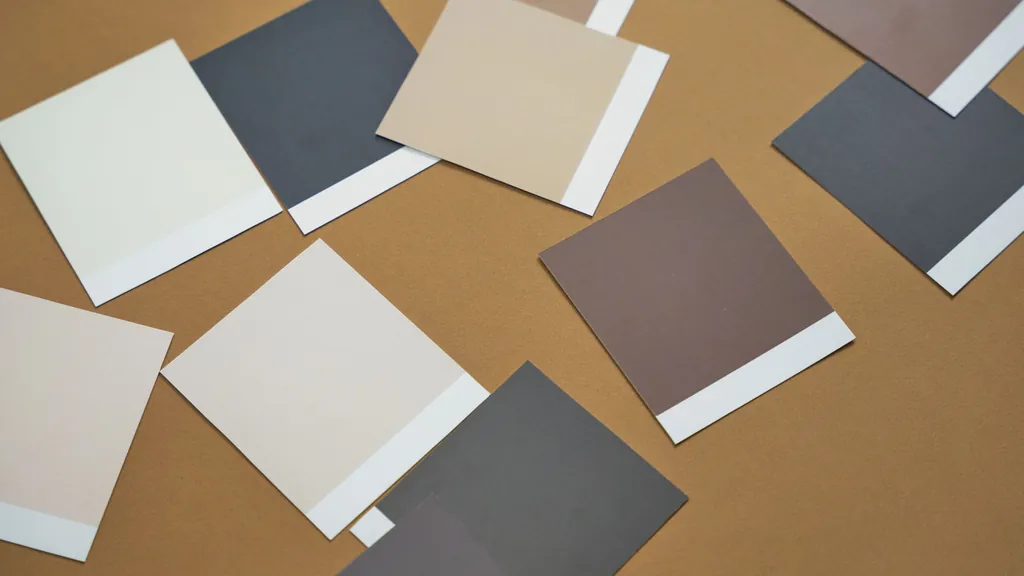
A color that looks warm and soft in June can look flat and gray in January. Winter daylight is lower, shorter and cooler, and a sample that seems right at noon can change by four in the afternoon. Put a large swatch on the wall, check it in the morning, at midday and under your evening lamps, and keep in mind that you'll live with the color through the spring too.
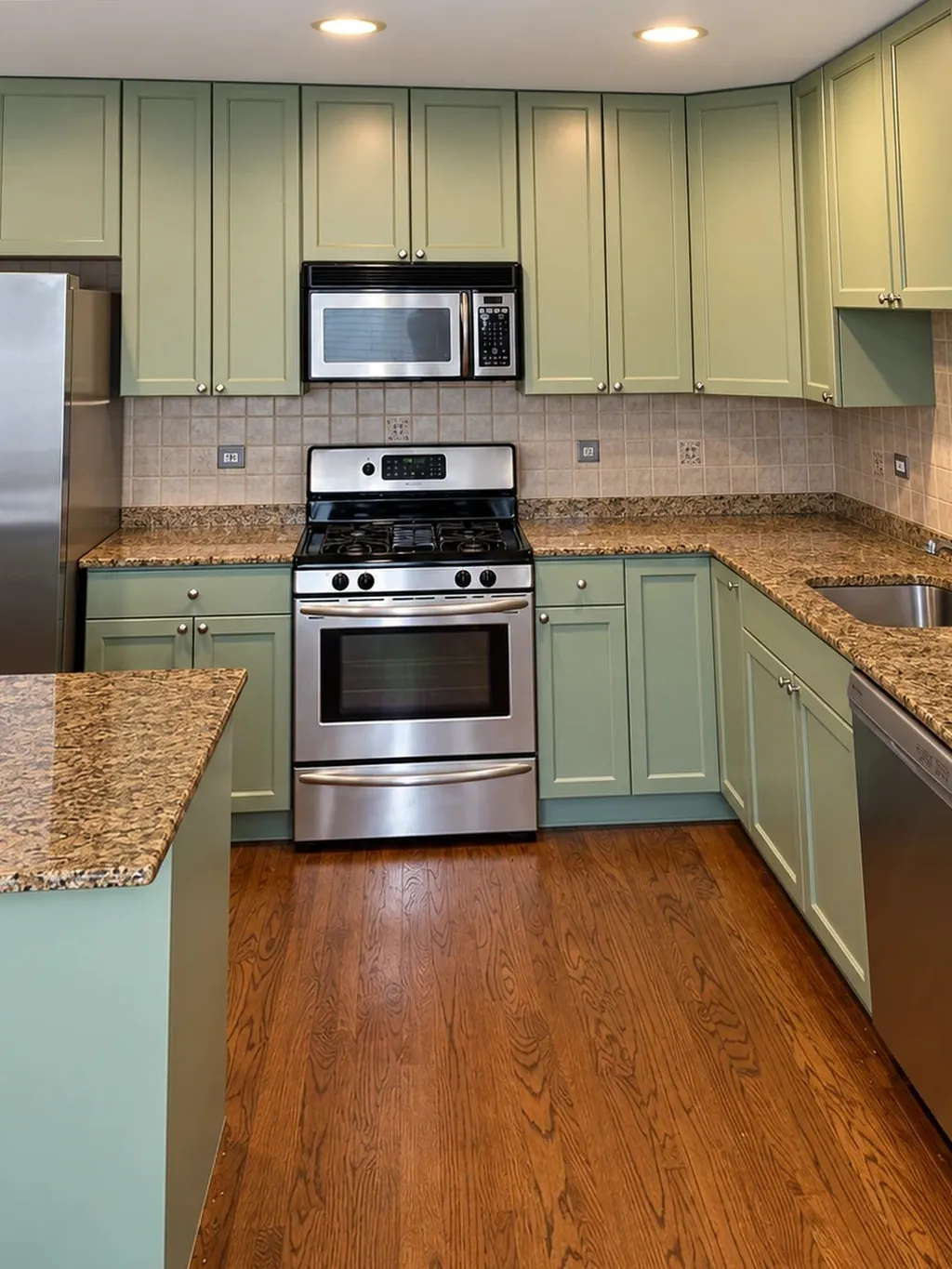
Our guides to testing paint colors and colors for north-facing rooms cover how to judge a color in dim light. For cabinets, our guide to choosing a cabinet color shows five real kitchens before and after.
The first few weeks after painting
Dunn-Edwards puts the full cure of latex paint at 14 to 30 days. Until then the finish is softer than it looks, even when it feels dry. In a house closed up for winter, with cool corners and little air movement, the longer end of that range is more likely.
- Keep furniture an inch or two off freshly painted walls for the first couple of weeks.
- Wait before scrubbing marks. Use a soft damp cloth for drips and spots.
- Hold off on taping up posters, hanging heavy frames or setting radiators and baskets against painted trim.
- Keep ventilating as the weather allows. The fumes fade slowly, and a little fresh air each day helps.
Projects that suit the season
Almost any indoor project works. These are the ones people often save for winter:
- Kitchen cabinets, bathroom vanities and built-ins. Our cabinet refinishing covers stained, painted, laminate and unfinished cabinets.
- Stairwells and hallways, which are easier to close off when you're not opening windows. See painting a stairwell.
- Interior doors and trim. Our guides to painting interior doors and painting baseboards cover both.
- Basements, once you've checked that the walls are warm and dry. See basement painting ideas.
- Garages only if they're heated and the walls meet the label's minimum, as in our post on painting garage walls.
Planning a winter job with us
Every job starts with a phone call, and George visits if he needs to see the space. Floors and furniture are covered first, small holes are repaired, and most rooms take one to two days. Interior painting is priced by the square footage of the space, paint included. The written quote is the price, no extra charge if the job takes longer than expected.
A few things help on the estimate call in winter:
- Tell George about cold spots, like a garage, an enclosed porch or a basement wall that feels cold or damp.
- Mention anything that gets turned down at night, like a room whose heat is usually off.
- Say whether you plan to be home, so the fresh-air plan fits how you live.
If you'd like to talk it through, ask for a free estimate. We serve Madison and the towns around it, and our interior painting page lists everything we do indoors.
Common questions
Can you paint inside when it's freezing outside?
Yes. Indoor painting depends on the temperature of the room and the walls, not the weather outside. Keep the room heated, keep the surfaces at or above the minimum on your paint's label, and ventilate in short bursts.
What temperature should a room be to paint?
Follow the minimum on your paint can. Dunn-Edwards ties streaking and discoloration to painting when the air or surface is below 50°F, so keep the room and the walls above that, including overnight while the paint dries.
How long should I ventilate after painting in winter?
Longer than you'd think. The EPA says elevated concentrations of fumes can persist long after the work is done. Keep an exhaust fan running and air moving for several days, and follow the label's directions for your paint.
Does dry winter air make paint dry faster?
Dry air isn't the problem. Dunn-Edwards says high humidity slows drying, and cool temperatures and poor air circulation lengthen it too. The paint still takes 14 to 30 days to fully cure, whatever the season.
Can I paint my garage in winter?
Only if the air and the wall surfaces stay at or above the minimum on your paint's label, which most unheated garages won't in a Madison January. Heated garages are a better candidate. Ask on the estimate call if you're not sure.
Sources
- Surfactant Leaching (technical bulletin), Dunn-Edwards
- Dry Time versus Cure Time of Paint (technical bulletin), Dunn-Edwards
- Volatile Organic Compounds' Impact on Indoor Air Quality, U.S. Environmental Protection Agency
- CBD-244. Effects of Wood Shrinkage in Buildings, National Research Council of Canada
- Madison Climate Data (1991 to 2020 climate normals), Wisconsin State Climatology Office, University of Wisconsin-Madison
More on interior painting and every madison living post.