How long paint lasts, on the wall and in the can
· 5 min read · By GK Painting & Remodeling
On walls, paint is usually good for about five to ten years before it needs a refresh, and sooner in hard-working rooms. In the can, opened paint generally keeps about two years if it's sealed and kept away from freezing.
Those are rules of thumb, not promises: the room, the sheen, the weather and the prep all move them. Here's what wears paint out, how to tell it's time, how to tell whether a can has gone bad, and what makes a paint job last. If you're ready for a fresh coat, ask for a free estimate.
On the wall: five to ten years as a working number
Dunn-Edwards tells homeowners to expect paint to withstand indoor and outdoor use for five to ten years, and says a premium paint keeps its durability longer, so a house doesn't need frequent repainting. The National Park Service, writing about exterior wood, says paint was never expected to be more than a temporary shield and needs to be re-applied every five to eight years.
Those two sources agree on the neighborhood, and that's about as precise as an honest answer gets. A bedroom ceiling and a south-facing front door are both "painted," but they're on very different clocks.
What wears paint out
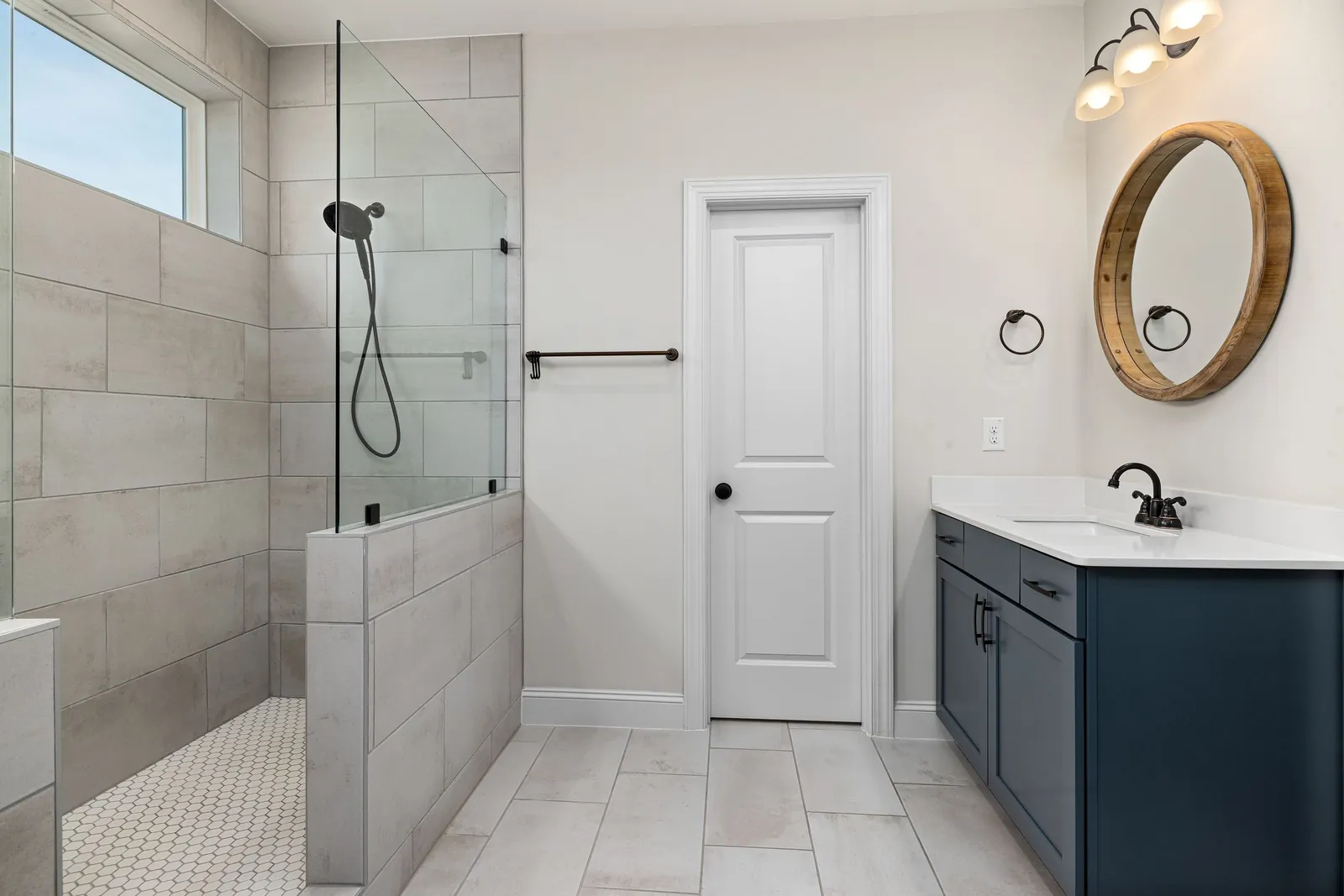
Dunn-Edwards says paint breaks down mainly because sunlight, moisture and freeze-thaw cycles damage the binder and some of the pigments in the film. Outdoors, that's most of the story, and Wisconsin supplies all three. Our post on freeze-thaw and exterior paint covers what that does to a finish.
Indoors, sun and moisture still count, in a bright south window or a steamy bathroom, but wear is mostly physical: scuffs, hand marks and cleaning. That's where the sheen you chose earns its keep, and our guide to paint sheens shows how it changes the way a wall takes wear.
Signs it's time to repaint
- Loss of gloss, faded color or a chalky surface. Dunn-Edwards names these as the first signs a coating is deteriorating.
- Peeling, blistering or cracking. The Park Service says peeling to bare wood is most often caused by excess moisture behind the paint, so find the moisture first.
- Stains and scuffs that careful washing will no longer remove.
- A color you've simply outgrown. That's a good reason too.
Dunn-Edwards puts the rule plainly: if the color or sheen of a painted surface starts to look different, it may be time to consider a repaint. Ignore it, and the damage can move to the surface underneath as the paint's protection wears away. Our post on why paint your home covers the protection side.
Why rooms wear at different rates
Hallways, stairwells and kids' rooms collect hand marks. Kitchens collect grease and splatter. Bathrooms collect steam. A spare bedroom ceiling can go a decade with little change. If one room looks tired while the rest of the house looks fine, that's normal, and it doesn't mean the whole house needs paint.
It also explains why a painter will ask how a room is used. A quick call about the room, and a visit from George if he needs to see the space, tells us more than the age of the paint does.
Why one paint outlasts another
Dunn-Edwards says the binder, the pigments and other formulation choices determine how long a paint lasts. Not every binder or pigment is equal in quality, it notes, so two cans that both say "100% acrylic" can wear differently.
Prep matters just as much as the paint. Even a premium paint over a greasy, glossy or flaking surface will fail early, because it never gets a grip on what's underneath. If you're hiring a painter, the questions in our guide to how to hire a painter will tell you how they handle the part you can't see.
In the can: about two years once it's opened
Benjamin Moore says that once opened, most paint products have a shelf life of about two years, with the environment and temperature swings affecting it. It recommends a dry place out of direct sunlight, storage between 60 and 80 degrees Fahrenheit, a lid put back on right away, and, for an air-tight seal, a piece of plastic wrap between the lid and the can.
Dunn-Edwards adds the limits at each end. Water-based paint stored below freezing can gel, especially after repeated freeze-thaw cycles, and above 110 degrees Fahrenheit it can form a skin, settle and eventually gel. In a Wisconsin winter, that rules out the unheated garage.
Unopened cans are a different question. Neither maker's storage guidance that we read gives a number for a sealed can, so check the can and its data sheet for yours. Our post on storing leftover paint covers the habits that keep a part-used can useful.
If you move leftover paint to a smaller container, Benjamin Moore suggests one that isn't much bigger than the paint that's left, to limit the air it touches. For a pause of a few days to a week in the middle of a project, reseal the can right away and keep it out of direct sun.
How to tell if paint has gone bad
Smell and consistency are the main signs. Benjamin Moore says paint past its shelf life can smell sour and strong, and that even after stirring it should be smooth, with no chunks and no jelly-like texture. Dunn-Edwards lists the other changes to look for:
- Thicker or thinner paint than you remember.
- A skin on top, or tiny lumps (seeding) through the paint.
- A layer of clearish liquid on top, with thicker paint underneath.
- Pigment packed at the bottom. Soft settling stirs back in. Hard settling doesn't, and Dunn-Edwards says the result is bad paint with a different gloss, viscosity and performance.
Making a paint job last
- Prep like it matters. Clean, sand, repair and prime before the paint goes on. That's the order we follow on every job.
- Prime where it's needed. Our guide to whether you need primer says where.
- Fix moisture first. New paint over a damp wall fails, however good it is.
- Let it cure before you scrub it. Our post on paint dry time versus cure time explains the wait.
- Pick a sheen that suits the room, and keep a labeled can of the leftover paint for touch-ups.
- Walk the outside once a year. Dunn-Edwards recommends inspecting exterior surfaces annually and touching up or repairing problem areas, which prolongs the life of the whole paint job.
On our interior painting jobs, floors and furniture are covered first, small holes are repaired, and surfaces are prepped before any paint comes out. If a problem comes from the quality of our work, like a finish that peels or didn't bond, tell us and we'll come back and make it right. Damage from everyday use or accidents after the job isn't covered, but we're happy to quote the repair.
Common questions
How often should you repaint interior walls?
Every five to ten years is typical: a paint maker tells homeowners to expect that from a paint job, and busy rooms may need attention sooner. Repaint when the paint loses its gloss, fades, or has stains and scuffs that won't wash off.
How long does paint last once it's opened?
Benjamin Moore says most paint has a shelf life of about two years once opened. Keep the lid sealed, store the can in a dry place out of the sun, and keep it from freezing.
How can you tell if paint has gone bad?
Smell it and stir it. Paint that smells sour and strong, or stays lumpy or jelly-like after stirring, is past its shelf life. Pigment that's packed at the bottom and won't stir back in is another sign.
Does paint go bad if it freezes?
It can. Dunn-Edwards says water-based paint stored below freezing can gel, especially after repeated freeze-thaw cycles. If your garage freezes in winter, store paint indoors.
Does exterior paint last as long as interior paint?
Usually not. Exterior paint faces sunlight, moisture and freeze-thaw cycles, and the National Park Service puts exterior wood on a five to eight year repaint clock. Interior paint wears mostly from scuffs and cleaning.
Sources
- How to Choose the Right Paint (video and transcript), Dunn-Edwards
- Preservation Brief 10: Exterior Paint Problems on Historic Woodwork, National Park Service
- What Causes Paint to Deteriorate? (technical bulletin), Dunn-Edwards
- 6 Tips for Storing Leftover Paint & Shelf Life, Benjamin Moore
- Paint Storage Best Practices (technical bulletin), Dunn-Edwards
More on interior painting and every paint basics post.