Why paint your home? Protection, light and a better sale
· 5 min read · By GK Painting & Remodeling
Paint protects surfaces from moisture and wear, changes how much light a room holds, and tells buyers a house has been looked after. It's one of the few home projects that does all three at once.
Here's the case for painting, with what we can back up and the places where we'd tell you to wait. It's written for the homeowner who's been looking at tired walls and wondering if the job is worth doing. If you're ready to talk, ask for a free estimate.
Protection comes first
The National Park Service, writing about historic wood buildings, calls exterior paint a temporary physical shield that needs re-applying every five to eight years. It says a primary purpose of painting wood is to keep moisture out, because moisture penetration is one of the main causes of wood deterioration. Paint slows that damage to the wood behind it.
Dunn-Edwards makes the same point from the maintenance side. As paint wears out, its protective properties erode, and if the wear is ignored, damage to the surface underneath can follow. Indoors the threats are smaller, mostly scuffs, grease and hand marks, but the logic holds: a sound coat of paint is what stands between those and the wall.
Dunn-Edwards says a paint film breaks down mainly from sunlight, moisture and freeze-thaw cycles, and Wisconsin supplies all three. The same maker's video reminds homeowners that we protect what's usually our biggest purchase with a coat of paint no thicker than a sheet of paper, and ask it to hold up for years. Our post on freeze-thaw and exterior paint covers what that does to a finish.
A word on scope. Our exterior work is smaller projects: deck staining and refinishing, entryways, exterior doors, garage doors and trim, usually one to three days and scheduled around dry weather. We don't paint whole-house siding. Our exterior painting page has the details.
Light
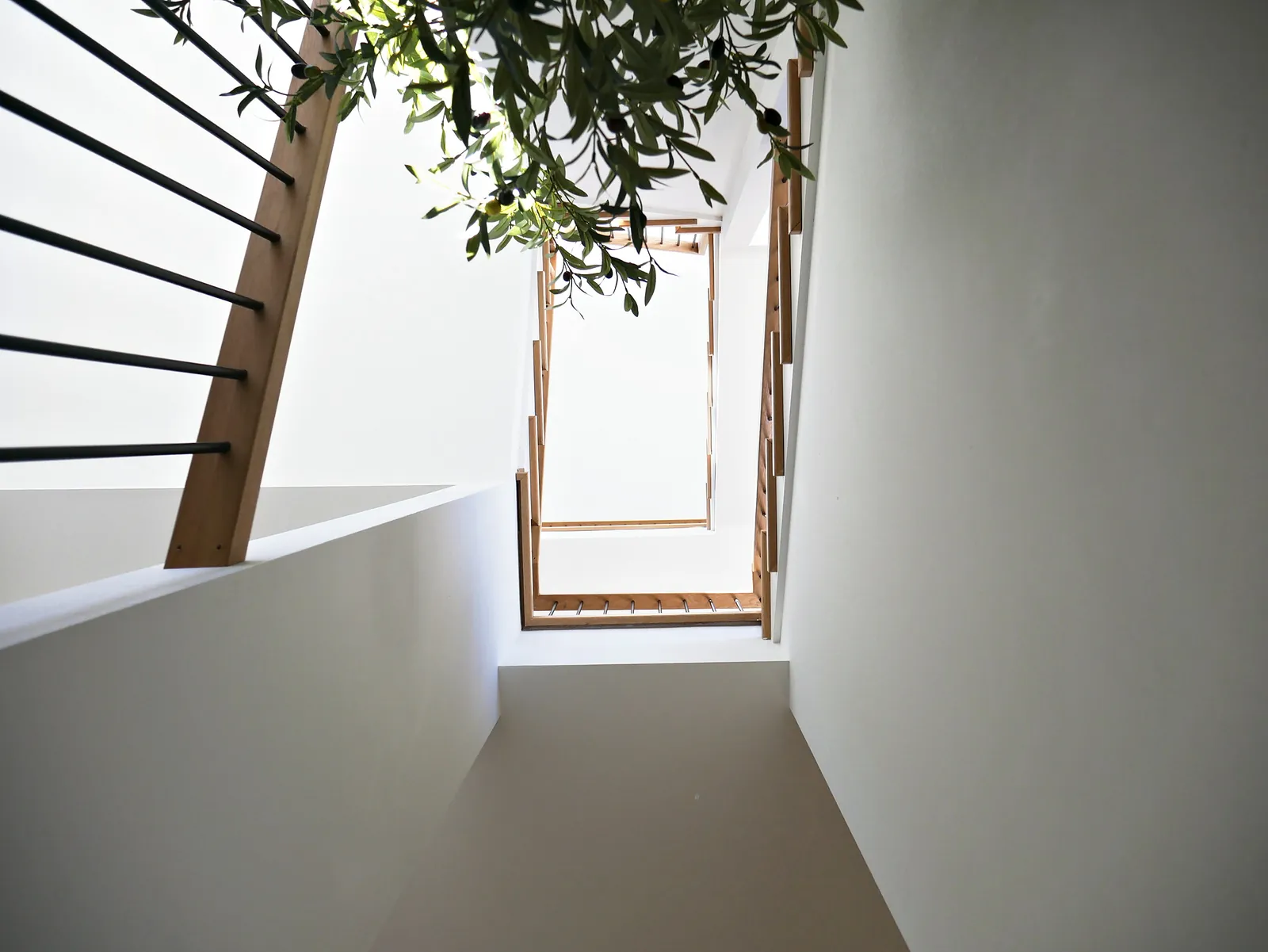
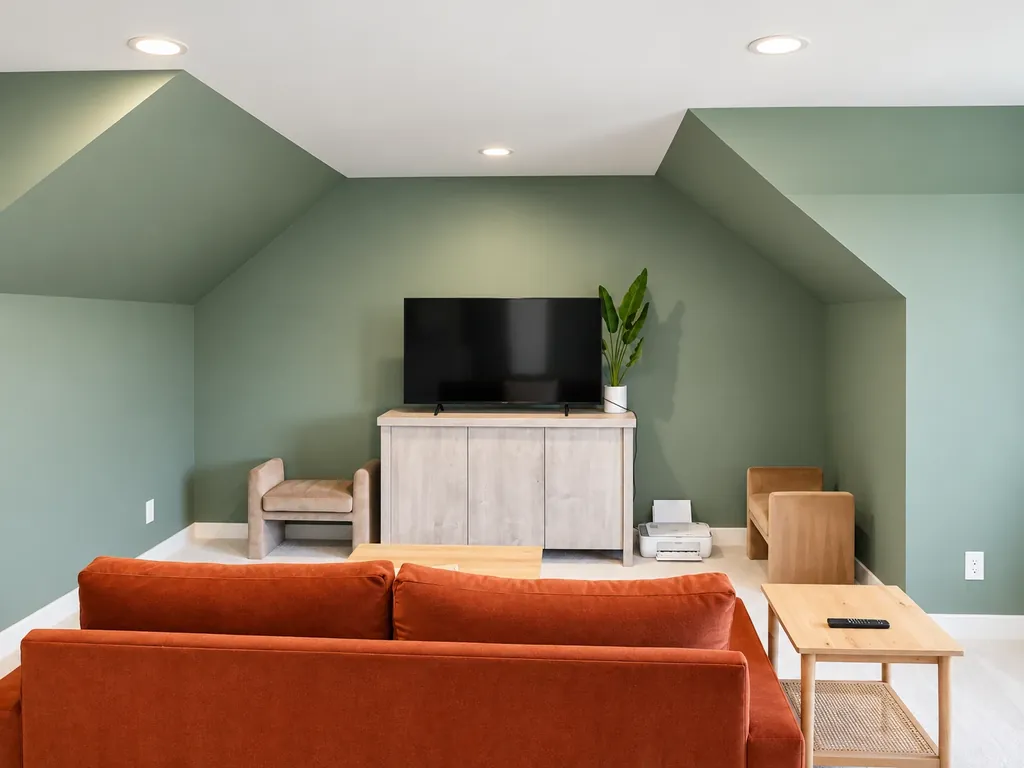
Color changes how much light a room holds. Light colors reflect more of the light that reaches them and dark colors absorb it, so the same window can make a room feel airy or closed in depending on the wall. In a study of six otherwise identical university residence halls, each painted a different color, room lightness was significantly affected by the interior color, and students preferred white ceilings.
It matters most in rooms with little sun. Our post on paint colors for north-facing rooms covers what holds up when the light is cool and weak.
Mood, with a caveat
The same residence hall study found that students preferred blue interiors, and that blue was linked with a calm mood and considered helpful for studying. It's an interesting result, and the researchers note that evidence-based work on how color affects people in buildings is still sparse. So don't treat a color chart as medicine.
Take it as permission to trust your own reaction instead. If a room feels heavy or cold, it probably is. Brush a few samples on the wall and live with them for several days before you commit, and our post on testing paint colors shows how.
Upkeep, before it becomes repair
Dunn-Edwards says the first signs a coating is wearing out are changes in appearance: loss of gloss, fading color and a chalky surface. Catch it then and a repaint is routine maintenance. Wait until paint is peeling and there's moisture behind it, and you're repairing a wall instead of painting one.
How long a coat lasts depends on the room and the surface. One paint maker tells homeowners to expect indoor and outdoor paint to hold up for five to ten years, and the Park Service puts exterior wood at five to eight. Our post on how long paint lasts goes through the factors. Small habits help too: keep a labeled can of leftover paint, and see how to touch up paint before a chip becomes a patch.
A fresh look, and a change of taste
Protection isn't the only job paint does. The Park Service lists a second purpose for painting wood: to define and accent a building's architectural features and improve its appearance. The same is true indoors. Trim, door casings and a staircase read as details only when paint sets them apart from the wall.
The Park Service also notes that the decision to repaint isn't always about failed paint. Where there's a new owner, or even where ownership hasn't changed in years, taste in colors often changes, and that's a perfectly good reason. Just plan for it: it adds that an extreme change of color may need more than one coat to get proper hiding power and full color. Our post on how many coats of paint explains when one isn't enough.
Getting a home ready to sell
When Realtors were asked which remodeling projects they recommend sellers do before listing, painting came out on top. In the National Association of Realtors' 2025 Remodeling Impact Report, 50 percent named painting the entire home and 41 percent named painting one room, ahead of new roofing, kitchen upgrades and bathroom renovations.
The report doesn't say why, but the likely reason is easy to guess: paint is one of the quickest ways to remove scuffs, worn spots and strong colors that pull a buyer's attention away from the house itself. That's advice about what helps a sale, not a promise about price. We take the question on directly in does painting increase home value, which looks at what the evidence does and doesn't say.
When painting isn't the answer yet
Paint doesn't fix water. The Park Service's advice for peeling paint is to find and remove the source of the moisture first, because moisture will undermine the new coat and, if it's left alone, can permanently damage the wood. A stain that keeps returning through fresh paint, or paint that peels in the same spot year after year, is a sign to look for the source before repainting.
The Park Service's list of causes to correct before repainting outside includes faulty flashing, leaking gutters, defective roof shingles, deteriorated caulking and shrubbery growing too close to painted wood. For excess moisture inside, it recommends exhaust fans and vents. Fix the cause, let the surface dry out thoroughly, and then paint. As the Park Service puts it, there's no sense in repainting before dealing with the moisture, because new paint will simply fail.
What a careful paint job includes
A careful job looks the same whether it's one room or five. It starts with a phone call, George visits if he needs to see the space, and you get a written quote with a start date. On our interior painting jobs, floors and furniture are covered before any paint comes out, small holes are repaired, surfaces are cleaned, sanded and primed, then painted, and George walks the finished room with you before it's called done. Most rooms take one to two days, and the work is priced by the square footage of the space, with paint included. The painting itself is the short part of the job; protection and prep are the long part.
The written quote is the price, no extra charge if the job takes longer than expected. If you're comparing painters, our guide to how to hire a painter lists what to ask, and our past work shows how finished jobs look.
Common questions
How often should you repaint your house?
Every five to ten years is typical: one paint maker tells homeowners to expect that from indoor and outdoor paint, and the National Park Service puts exterior wood at about five to eight. The surface and how much weather and wear it sees change it. Repaint when the paint loses its gloss, fades or turns chalky.
Does paint protect walls?
Yes. A sound coat is a barrier against moisture and everyday wear. As the paint deteriorates, that barrier weakens, and the surface behind it becomes the thing that takes the damage.
Is it worth painting before selling a house?
Realtors think so. In NAR's 2025 survey, painting the whole home and painting one room were the two projects Realtors recommended most that sellers do before listing. That says what helps a sale, not what price you'll get.
Does wall color affect mood?
Some research says it can. A university study linked blue interiors with a calm mood, for example. But the researchers note that the evidence is still sparse, so choose a color you enjoy living with and test it first.
Can fresh paint fix a damp or stained wall?
No. If moisture is the cause, it will come back through the new paint. Find and fix the source of the water first, let the surface dry, and then repaint.
Sources
- Preservation Brief 10: Exterior Paint Problems on Historic Woodwork, National Park Service
- What Causes Paint to Deteriorate? (technical bulletin), Dunn-Edwards
- Interior Color and Psychological Functioning in a University Residence Hall, Frontiers in Psychology (via PubMed Central)
- 2025 Remodeling Impact Report, National Association of Realtors
- How to Choose the Right Paint (video and transcript), Dunn-Edwards
More on interior painting and every paint basics post.