Cleaning painted walls without shiny spots or bare patches
· 7 min read · By GK Painting & Remodeling
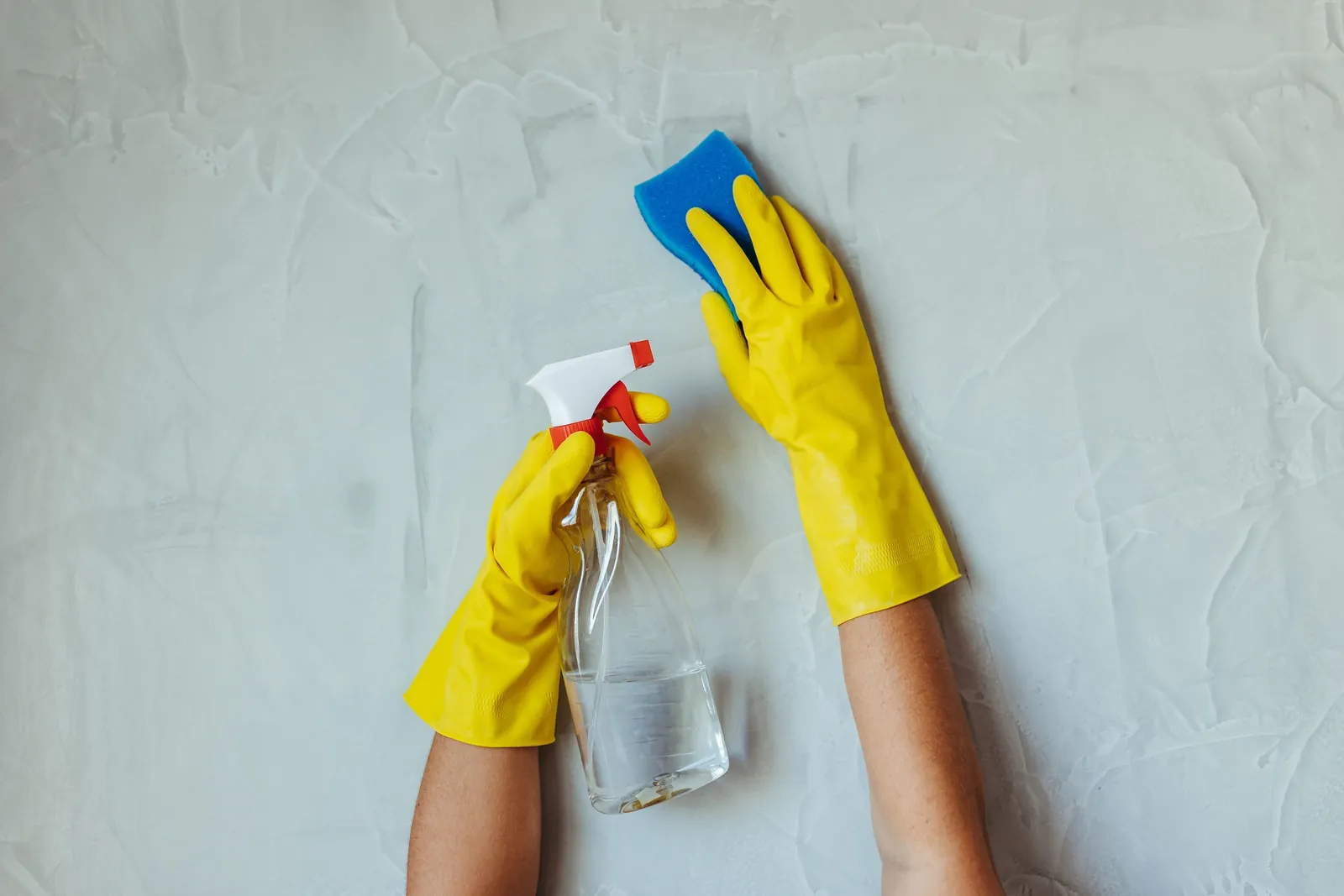
The short answer to how to clean painted walls: dust them first, then wipe marks with a soft sponge and warm water, and step up to a little mild dish soap only if water doesn't work. Wash from the bottom up, rinse as you go and dry the wall. How hard you can rub depends on the sheen: satin and glossier paints take washing well, while flat, matte and eggshell need a lighter touch.
This guide is for walls that are already painted and staying that way. If you're getting walls ready for new paint, see how to clean walls before painting. Below: the routine, a sheen-by-sheen ladder, what a scrub rating on a data sheet means, and the signs a wall needs paint, not soap.
How to clean painted walls, step by step
Benjamin Moore's cleaning guide starts with the gentlest method and only climbs when it has to. Here's the routine in order:
- Check the sheen. Look at the wall in window light, or read the label on the leftover can.
- Dust the wall with a vacuum brush attachment or a dry microfiber cloth.
- Test your cleaner and your pressure on a hidden spot, like behind a door.
- Wipe marks with a non-abrasive sponge dampened with warm water.
- If water doesn't lift them, use warm water with a little mild dish soap.
- Wash from the bottom up in small sections, rubbing gently in circles, and rinse each section from a second bucket of clean water.
- Dry the wall with a soft, absorbent cloth.
Washing from the bottom up sounds backward, but it keeps cleaning solution from running down the wall and leaving streaks that are hard to remove, Benjamin Moore explains. It also says never to use glass cleaner or a heavy-duty household spray cleaner on a painted wall, because their strong solvents can damage the finish.
Its guide to freshly painted walls adds what to skip: abrasive sponges, including melamine foam erasers, and scouring pads, plus harsh cleaners such as bleach, ammonia or alcohol. Use a gentle touch, it says, because scrubbing can remove paint. Cabinets have their own routine in cleaning painted kitchen cabinets.
Give new paint a month
Benjamin Moore's cleaning guide says to wait at least two weeks after painting before you clean. Its guide to freshly painted walls says wall paint isn't fully cured for about 30 days and to allow at least that long. Blot spills right away with a damp microfiber cloth and mild soap, and save real washing for after the month. Dry time and cure time are two different clocks.
The Lightest-Touch Ladder: cleaning by sheen
Sheen decides how far you can go. Benjamin Moore's rule: the higher the gloss or sheen, the easier the wall is to clean, and the lower the sheen, the gentler you should be. We turn that into four rungs. It's our editorial framework, not a lab standard: climb only as high as the mark needs, and stop lower on flatter paint.
- Dust: a dry microfiber cloth or a vacuum brush.
- Water: a soft sponge and warm water, wrung out well.
- Mild soap: a little dish soap in warm water, then a clean rinse.
- Spot cleaner: a gentler household cleaner used as its label says, tested first and kept to the mark.
| Sheen | Top rung for routine cleaning | Pressure | Watch for |
|---|---|---|---|
| Flat and matte | Water; mild soap on one spot | Feather light | Shiny patches, color on the sponge |
| Eggshell | Mild soap | Light | Shine on dark colors |
| Satin | Mild soap; spot cleaner on a mark | Gentle | Streaks from runs |
| Semi-gloss and gloss | Spot cleaner | Gentle to firm | Scratches from anything abrasive |
The table is our editorial guide, not a measurement. Benjamin Moore groups eggshell with flat and matte as sheens that need a gentler touch, and satin with the easier ones. Our paint sheen guide explains each finish.
Why flat paint turns shiny
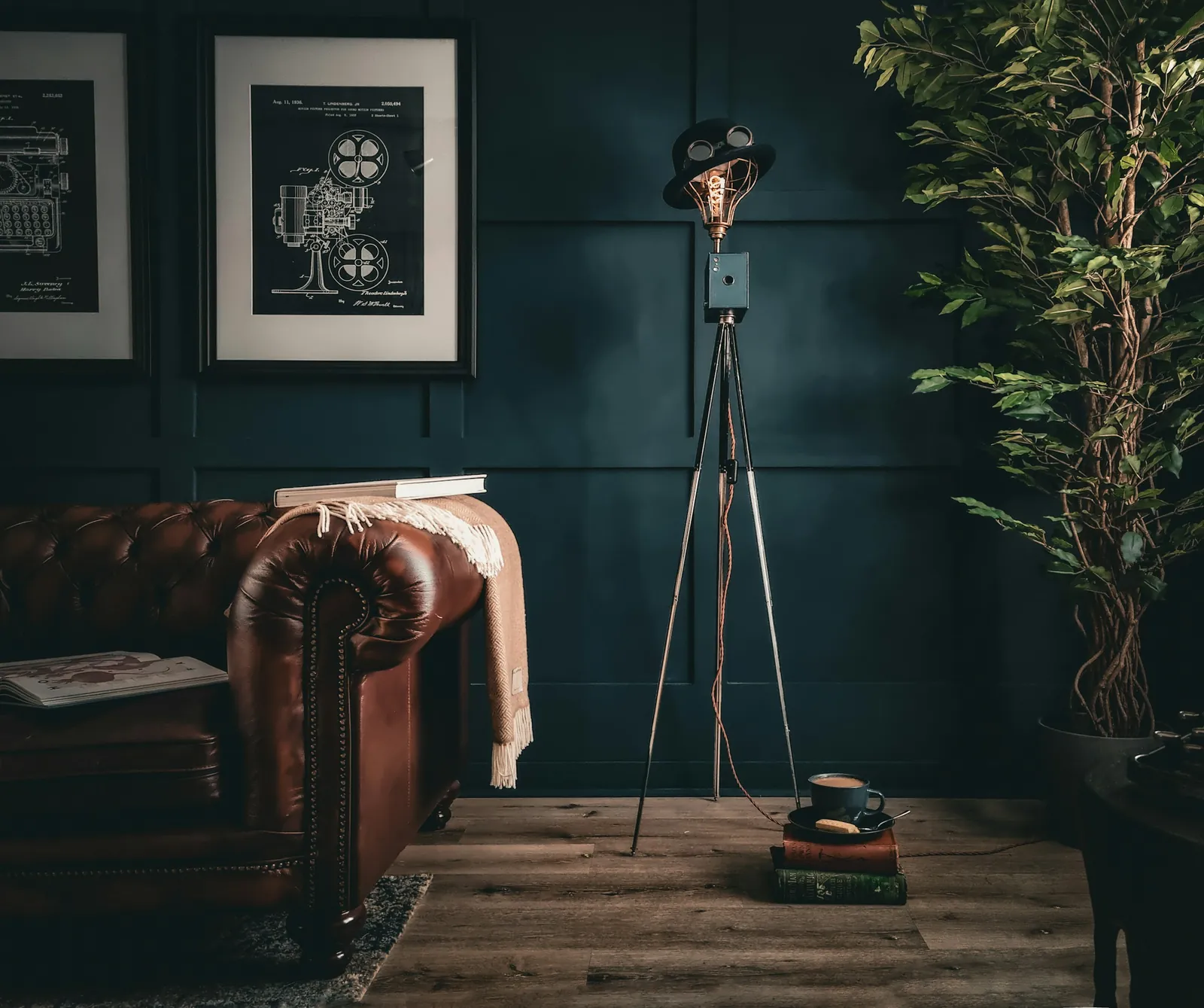
Dunn-Edwards' bulletin on burnishing explains it. Flat and low-sheen paints get their dull look from extender pigments that stick up from the film and scatter light. Rubbing breaks those tiny nodes off and leaves a smoother, glossier patch, and it shows more in darker, more heavily pigmented colors. Fixing a patch once it's there is covered in how to touch up paint.
Scrubbable isn't the same as safe to scrub
When you shop for washable paint for walls, a scrub rating tells you how much scrubbing the paint film survives in a lab test. It doesn't measure the shine that rubbing can leave, and on a flat wall that shine is what you'll see.
Dunn-Edwards' data sheet for one interior flat shows the split. It lists a scrubbability result of more than 1,000 cycles under ASTM D2486, and on a separate line a burnish resistance result under a different test, ASTM D6736. Two lines, because wearing through and turning shiny are different kinds of damage.
So a high scrub figure is a promise about survival, not looks, and the gentle routine above still applies.
Choosing washable paint for high traffic areas
When a hallway, mudroom or kid's room is due for paint, three choices make the next round of cleaning easier:
- Go up a sheen. Dunn-Edwards says burnishing can be minimized with a higher-sheen paint, since it's most noticeable on flat and lower sheens.
- Read the data sheet. Look for a scrub result and, where it's listed, a burnish resistance result.
- Treat scuff resistant as a claim to check, and look for numbers behind it on the data sheet.
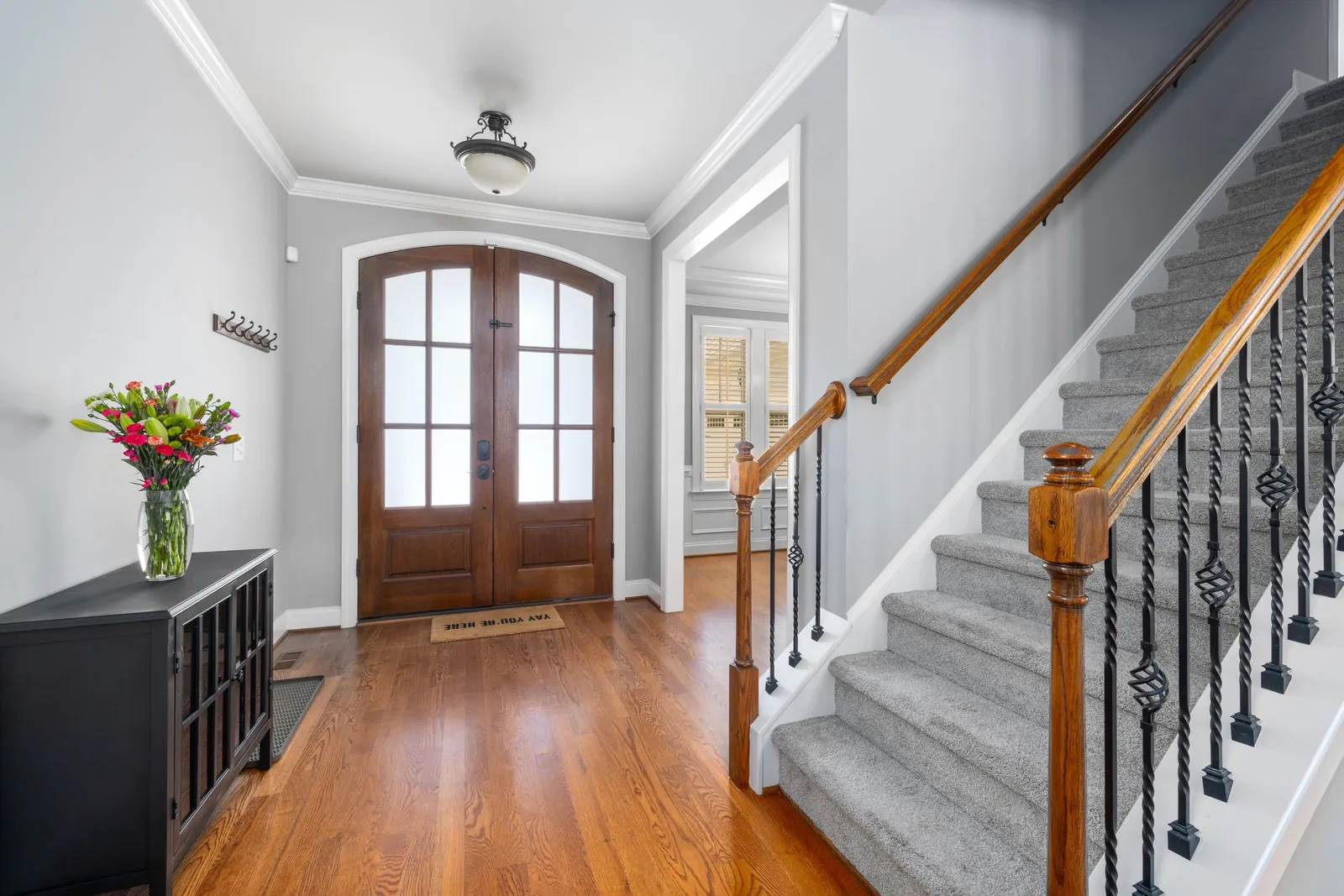
For the sheen that suits each room, see what paint finish to use in each room.
What to use on scuffs, grease and mildew
| Mark | Start with | Step up to | Skip |
|---|---|---|---|
| Dust and cobwebs | Vacuum brush or dry cloth | A damp cloth | Wetting a dusty wall first |
| Fingerprints by switches | Warm water | Mild dish soap | Glass cleaner |
| Scuffs from shoes and bags | Warm water and a soft sponge | Mild dish soap | Melamine erasers, scouring pads |
| Kitchen grease near the range | Mild dish soap | A gentler household cleaner, tested first | Heavy-duty spray cleaners |
| Mildew in a bathroom | Detergent and water | Drying it and fixing the moisture | Mixing bleach with ammonia |
The table is our editorial summary of the maker and EPA guidance here, not a lab result.
Bathroom walls and mildew
EPA's mold guide says to scrub mold off hard surfaces with detergent and water and dry completely, and it doesn't recommend bleach as a routine part of mold cleanup. If you do use bleach, it says never to mix it with cleaners that contain ammonia, because toxic fumes could be produced.
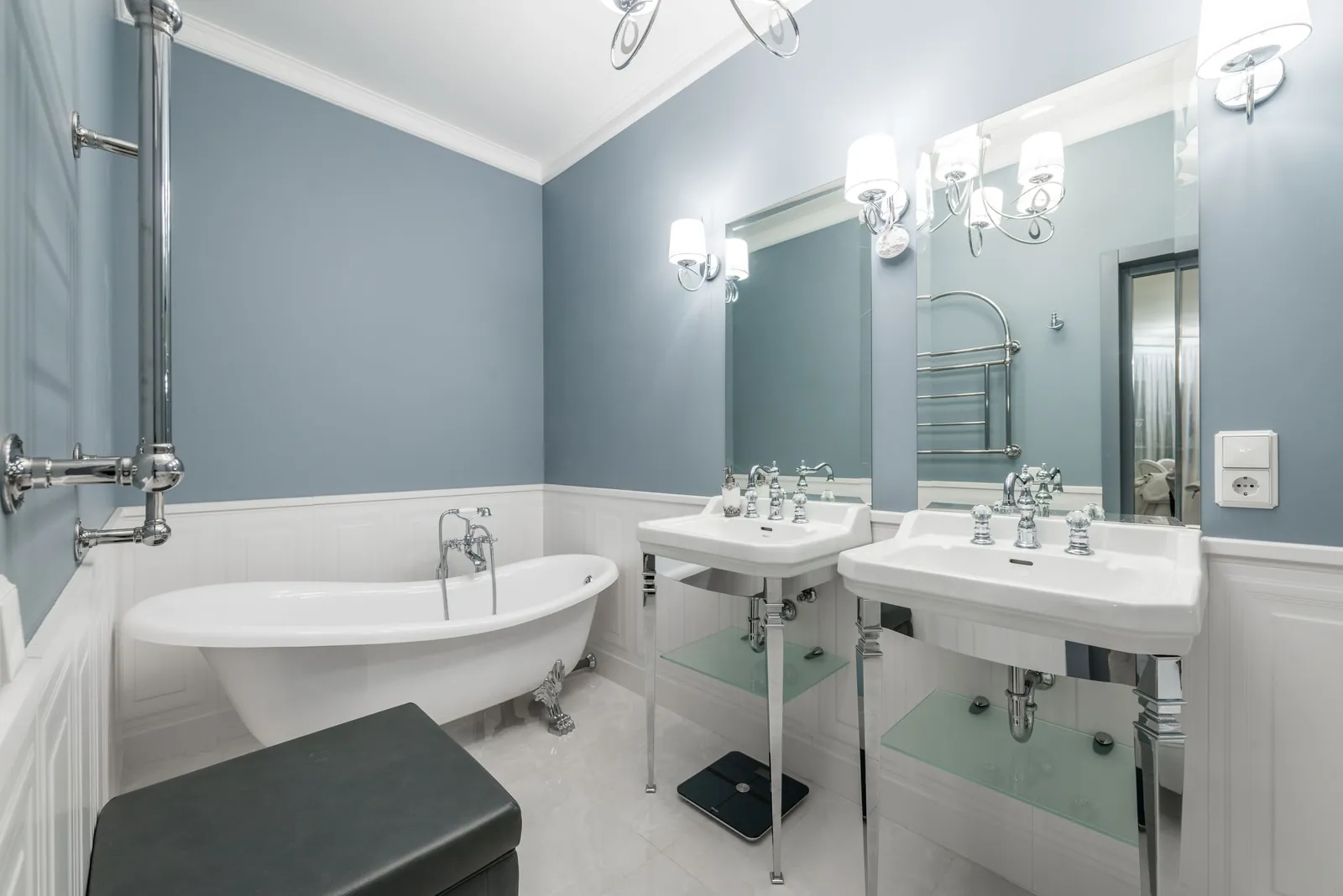
Mildew that keeps coming back is a moisture problem. Where mold reappears in a damp room, EPA says more ventilation, from a fan or an open window, plus more frequent cleaning will usually prevent it or keep it to a minimum. It suggests keeping indoor humidity below 60 percent, ideally between 30 and 50. More on damp rooms in how to paint a bathroom.
When cleaning can't fix it and a repaint is due
Knowing how to clean painted walls only goes so far. These are the signs a wall needs paint instead of another wash:
- Color comes off on the sponge with water alone. More washing only takes more paint with it.
- Shiny patches stay after the wall dries. Dunn-Edwards says touching up is the first option, but fully fixing burnishing may take a new finish coat.
- A stain won't lift at the top rung. That's a job for primer and paint; see cleaning walls before painting for the prep.
- Mildew returns after every cleaning. EPA says to fix the water problem first and not to paint over mold, because paint applied over moldy surfaces is likely to peel.
- Touch-ups have started to show as patches, and a full wall would look better.
For how long a wall's paint usually holds up, see how long paint lasts.
When to stop and call a professional
- Call 911 if anyone has serious trouble breathing after using a cleaner.
- Stop and air the room out if cleaner fumes bring on a headache or dizziness, and never mix products.
- Get help if mold covers more than about 10 square feet or follows a lot of water damage. EPA points to its larger remediation guidance for that.
- Stop if paint is peeling or chipping in a home built before 1978. Don't scrub or scrape it until you know what's in it; see how to fix peeling paint.
How we handle walls at GK Painting
On an interior painting job, we talk through the rooms, colors and sheens before you get a written quote. We use premium paint from Sherwin-Williams and Behr, and Behr is the more economical of the two. If you'd rather use a brand you already like, tell us; your written quote is built around the paint you pick.
Floors and furniture are covered first, and small holes are repaired before paint. The written quote is the price, no extra charge if the job takes longer than expected. If a problem comes from the quality of our work, like a finish that peels or didn't bond, we'll come back and make it right. Damage from everyday use, like scuffs, isn't covered, but we're happy to quote the repair.
We're based in Waunakee and work across Madison and Dane County. Read our promises, or ask for a free estimate.
Common questions
What is the best way to clean painted walls?
Gently, and in order. Dust the wall, wipe marks with a soft sponge and warm water, and use a little mild dish soap only if water doesn't work. Wash from the bottom up, rinse as you go and dry with a soft cloth. Test anything stronger on a hidden spot first.
Can you wash walls painted with flat paint?
Yes, with a light touch. Flat and matte paints get their low sheen from a rough surface, and rubbing can polish it into shiny patches, especially on dark colors. Dust first, dab marks with a damp sponge and warm water, and stop before you scrub. Spot clean rather than washing whole walls.
How do you get scuff marks off painted walls?
Start with warm water and a soft, non-abrasive sponge, rubbing gently in small circles. If that doesn't work, add a little mild dish soap and rinse. Skip melamine foam erasers and scouring pads, which Benjamin Moore lists as abrasive. If a scuff leaves a shiny spot behind, touch up the area.
Should you wash walls from the top or the bottom?
From the bottom up. Benjamin Moore explains that washing upward keeps cleaning solution from running down the wall and leaving streaks that are hard to remove. Work in small sections, rinse each one with clean water from a second bucket, then dry it with a soft cloth.
How long after painting can you wash walls?
Wait at least two weeks, and about a month for real washing. Benjamin Moore's cleaning guide says two weeks, and its guide to fresh paint says walls take about 30 days to fully cure. Before then, blot spills right away with a damp microfiber cloth and mild soap, and keep it gentle.
What is the best paint for high traffic areas?
A washable paint in a higher sheen. Benjamin Moore says satin, semi-gloss and gloss are easier to clean than flat, matte and eggshell, and Dunn-Edwards says a higher sheen makes burnishing less noticeable. On the data sheet, look for a scrub result under ASTM D2486 and, where listed, a burnish resistance result.
Sources
- How to Clean Walls Without Damaging Paint, Benjamin Moore
- How to Clean and Maintain Freshly Painted Walls and Cabinets, Benjamin Moore
- Burnishing (technical bulletin), Dunn-Edwards
- Interior flat wall paint, product data sheet, Dunn-Edwards
- A Brief Guide to Mold, Moisture and Your Home, U.S. Environmental Protection Agency
More on interior painting and every tips and tricks post.