Accent walls: which wall, which color, and when to leave it plain
· 6 min read · By GK Painting & Remodeling
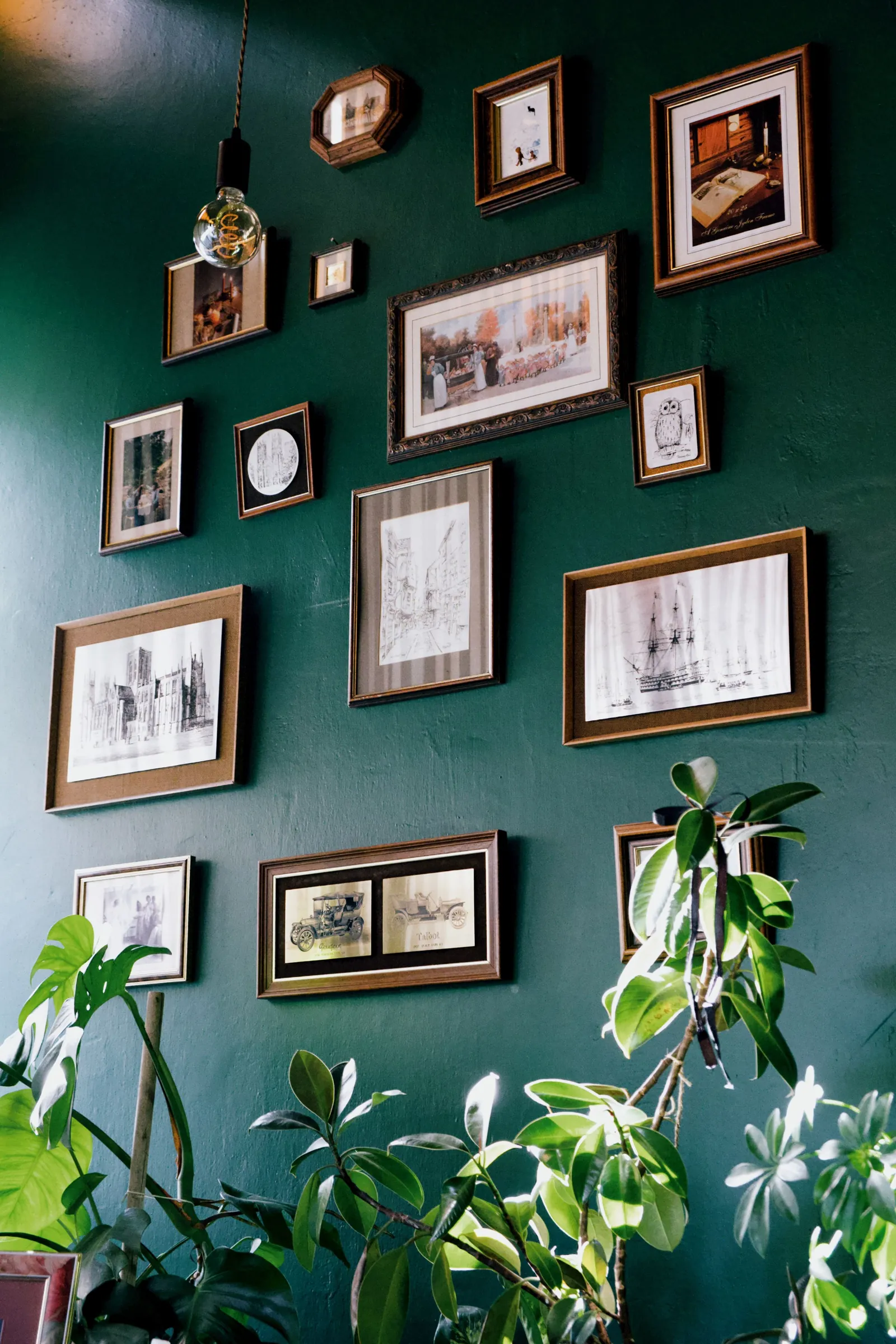
A good accent wall is one solid wall, usually the one you see first or the one behind your main piece of furniture, painted a deeper or bolder version of your room's colors. It works when it has a reason to be there, and it falls flat when it's just the wall that happened to be free.
Here's how to pick the wall, choose the color, consider painted treatments beyond a solid, and tell when to leave a room alone. For the painting itself, our interior painting covers feature walls along with the rest of the room.
Picking the wall
The best accent wall is the one your eye lands on when you walk in. That's often the wall opposite the doorway, the wall behind a bed, or the wall a fireplace sits on. A strong color there pulls the room together.
The worst choice is a wall chopped up by doors, windows, vents and built-ins. Color needs a clear, unbroken surface to read as a decision. A wall with three openings looks patchy in a deep color, because every opening gets its own trim and shadow. If you're torn, pick the wall with the fewest interruptions.
In an open plan, choose a wall that ends at an inside corner. A color change that stops at a corner looks planned. One that stops in the middle of a long wall looks like the roller ran out of paint.
Colors that work
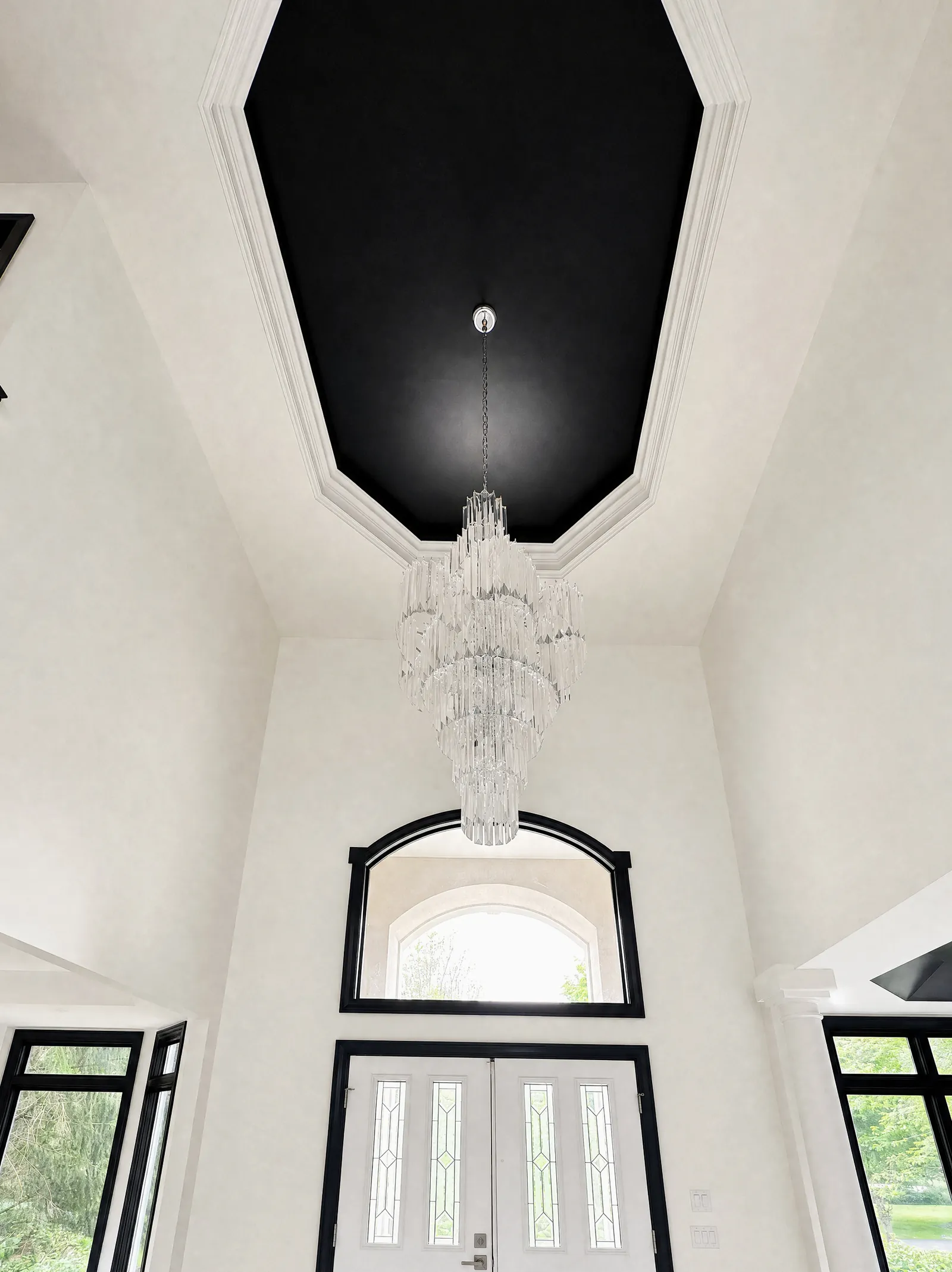
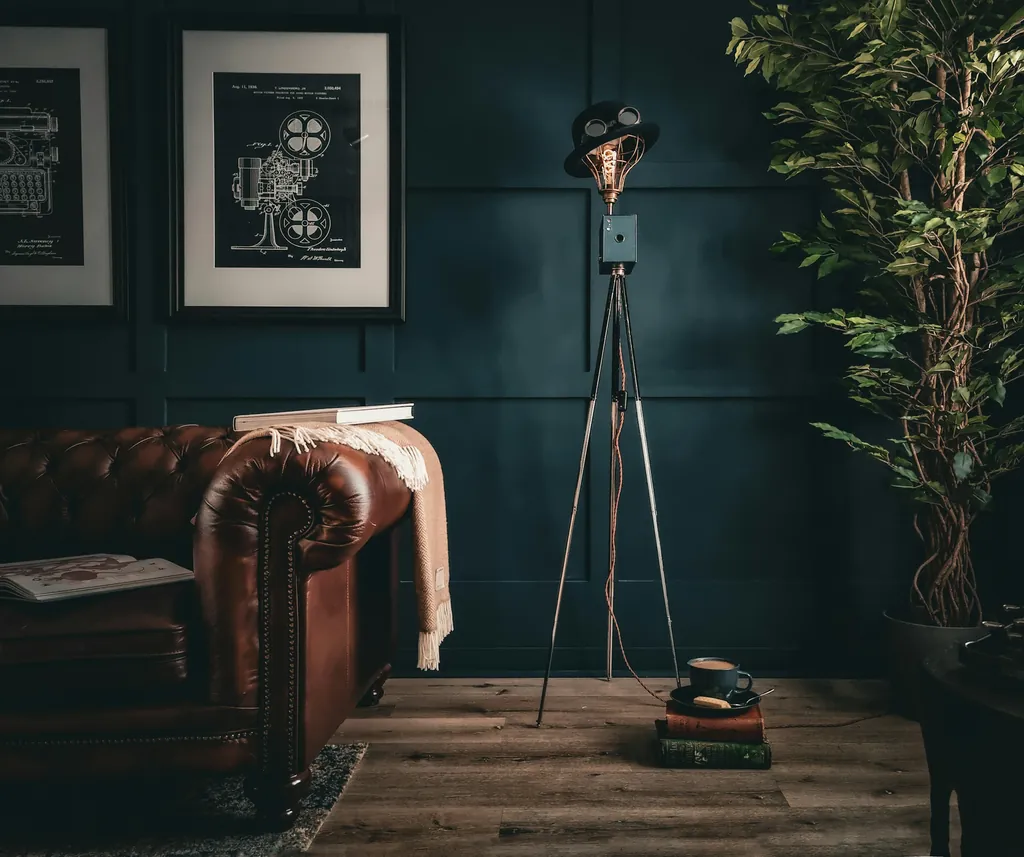
Three approaches cover most rooms. The safest is a deeper version of the wall color you already have, which gives you depth without introducing a new hue. The second is a contrasting neutral, like charcoal against warm white or a rich brown against cream. The third is a true color, like deep green, navy or terracotta, that picks up something already in the room.
Benjamin Moore points out that in a room that mixes warm and cool colors, the dominant color decides the room's character, so the accent shouldn't compete with it. For a bolder contrast, the same page pairs complementary colors from the color wheel: red with green, purple with yellow, and blue with orange. In practice a muted version of the complement, like sage with a dusty rose, is easier to live with than the full-strength pair.
Warm and cool colors also change how the room feels in size. A University of Georgia Extension publication on color theory notes that cool colors tend to recede and warm colors advance, and that designers use the same technique indoors. So a warm color on the short end wall of a long, narrow room can make it feel less like a hallway, and a cool, deep color can push a wall back.
Ideas by room
- Bedroom: the wall behind the bed, in a deeper, quieter color than the rest. It frames the bed without making the room feel busy.
- Living room: the fireplace wall or the wall your sofa faces. If a television hangs there, a deeper color helps it blend in.
- Dining room: the wall behind the buffet or the longest unbroken wall, in a color that makes the table the center of the room.
- Entry or hallway: the wall you face as you come in. A color block here works well because the space is small and passed through quickly.
- Home office: the wall behind your desk, which also becomes the backdrop on video calls.
- Kids' room: stripes, a color block or a big circle behind the bed, since a pattern is easy to repaint when tastes change.
Painted treatments beyond a solid wall
A single color isn't the only way to build a feature wall. Painted treatments add interest without any carpentry, but they ask for more precision than a solid. If your feature wall is already boards, see our guide to painting a shiplap wall.
| Treatment | Where it works | What it takes |
|---|---|---|
| Solid deeper color | Bedrooms, living rooms, dining rooms | Primer and extra coats for dark colors |
| Color block (lower third or half) | Hallways, entries, kids' rooms | A level line and sharp tape work |
| Stripes | Offices, nurseries, playrooms | Careful measuring, taping and patience |
| Arch or circle | Behind a bed, desk or sofa | A template and a steady hand |
| Ombre fade | Large, plain walls | Blending by hand, which is hard to repeat |
The sharper the pattern, the more it depends on tape and timing. Our post on using painter's tape covers how to keep a line crisp. Patterns also show every mistake, so they're the treatments most often worth hiring out. A horizontal split is the classic painted treatment; our post on two tone walls covers where to put the line and which color goes down.
Sheen on a single wall
Keep the sheen the same as the neighboring walls unless you have a reason not to. A different sheen on one wall is visible from the side and can look like a mistake. The exception is a deep color in a high-traffic spot, where a more washable finish helps.
Dunn-Edwards notes that higher gloss levels tend to highlight defects and imperfections, and that flat paint conceals them better. So a deep color on a wall with patches or texture does better in a lower sheen. Our guide to paint sheens covers the trade-offs.
What dark accent walls need
Deep colors take more work. Dunn-Edwards says dark colors with a high pigment load take longer to dry and cure than light ones, so each coat needs more time before the next. Plan on primer, plus extra coats, to get a deep color even and rich.
If you're covering a dark wall with a lighter accent, or the other way around, the rules change. Our post on painting over dark paint explains what to expect. And before you commit to any color, test it. Our post on how to test paint colors walks through it, and our guide to choosing paint colors for your home shows how to fit an accent into the whole palette.
Where the color should stop
Plan the edges before anything gets taped. Color should meet the ceiling at a clean line, and it should stop at an inside corner, where two walls meet, so the paint edge hides in the shadow. Outside corners, the ones that stick out into a room, are trickier. The edge is exposed, so any wobble in the line shows.
Think about the trim, too. Baseboards and window casings on an accent wall usually stay the trim color, which frames the deep color and keeps the room from feeling heavy. That's one reason to keep your baseboards in good shape before the accent goes on. To carry the color onto the ceiling too, see painting the ceiling and walls one color.
When to skip the accent wall
- The room is small, dim or full of openings, and a dark wall would shrink it further.
- The wall is mostly covered by furniture or art, so the color would barely show.
- You're about to sell, in which case a bold wall is one more thing for the next owner to repaint.
- You can't point to a reason the wall deserves attention. If you can't say why, the color won't either.
- Two walls compete for attention. Picking a second accent usually means neither one works.
If you're unsure, paint a large sample on the wall and live with it for a few days. A plain wall that looks good is a better result than a bold wall that looks forced.
Having it painted
Floors and furniture are covered first, small holes are repaired, and most rooms take one to two days. An accent wall usually goes in alongside the rest of the room. Tell us on the call which wall gets the color, and whether you want a solid, stripes or a block, so the written quote covers it.
We use premium paint from Sherwin-Williams and Behr, and Behr is the more economical of the two. When you're ready, ask for a free estimate and George will talk through the room and the color you have in mind.
Common questions
Which wall should be the accent wall?
Choose the wall you see first when you enter the room, or the one behind your focal point, like a bed or fireplace. It should be a clear, unbroken surface with few doors, windows or vents.
Should an accent wall be darker or lighter?
Most are darker, because depth is what gives a wall presence. A lighter accent in a room of deep colors can work too. The point is contrast with the other walls.
Are accent walls still a good idea?
Sometimes. A deliberate one, chosen for the right wall and tied to a color already in the room, works well. A random wall in a bright color usually looks like an afterthought. Painted treatments like a color block or an arch are another way to get the effect.
Can I paint an accent wall in a rental or a house I'm selling?
You can, but a bold color is one more thing to repaint. If you're selling, a quiet neutral is easier for the next owner to accept. In a rental, check your lease first.
Do accent walls take more coats?
Deep colors often do. Dark colors with a high pigment load take longer to dry and cure than light ones, so each coat needs more time, and a primer under a deep color helps it look even.
Sources
- Guide to Warm and Cool Paint Colors, Benjamin Moore
- Landscape Basics: Color Theory, University of Georgia Extension
- Selecting Paint Gloss, Dunn-Edwards
- Dry Time versus Cure Time of Paint (technical bulletin), Dunn-Edwards
More on interior painting and every interior painting post.