
Interior painting, room by room
Walls, ceilings, trim and doors, one room at a time. What changes the result, what a good job looks like up close, and how to plan around it.
22 posts on interior painting
 Interior painting
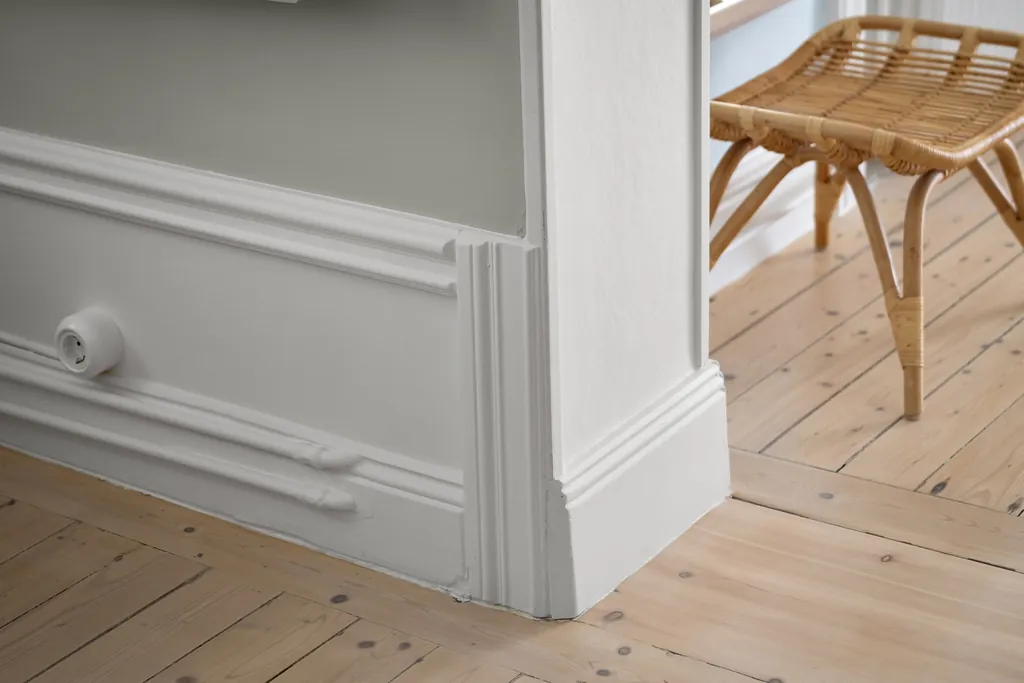
The best paint for trim levels smooth, lets go and stays white
Waterborne alkyd, acrylic enamel or oil-based? How each trim paint levels, sticks, cures and holds its white, plus how to choose a white for baseboards and casings.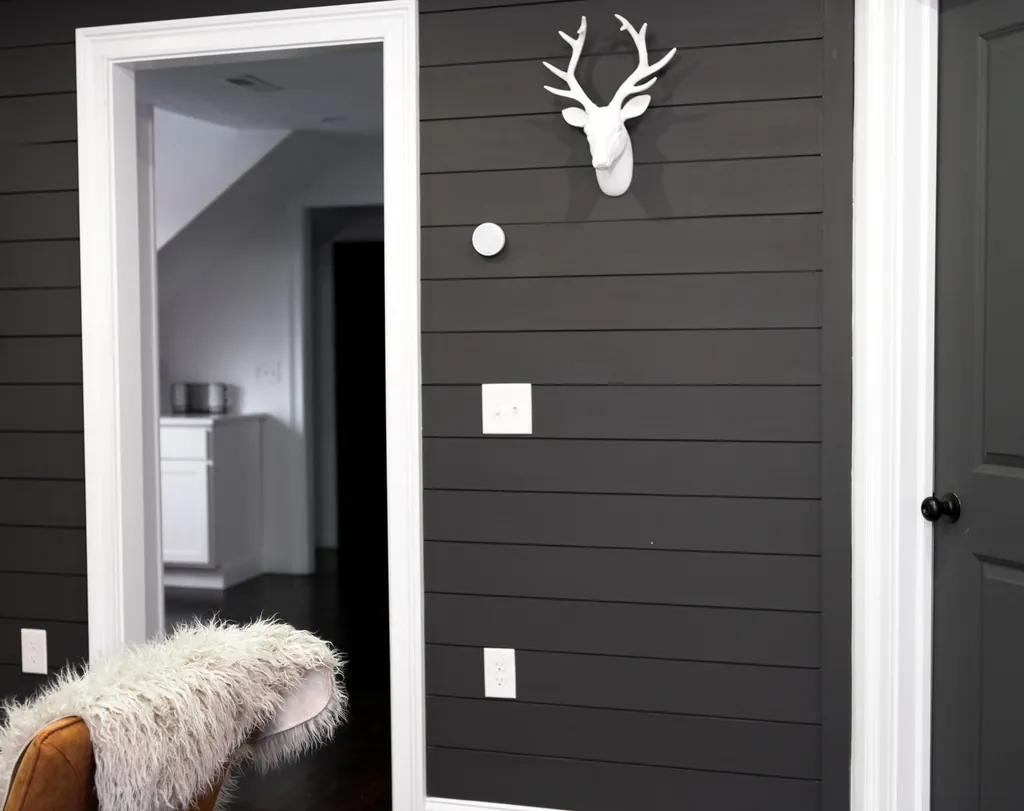 Interior painting
How to paint shiplap so the gaps, knots and seams look right
Gaps first, knots sealed, no caulk in the reveal. How to paint real wood and MDF shiplap, pick a sheen, and plan for boards that move with the seasons. Interior painting
Painting the ceiling the same color as the walls: when it works, when it doesn't
Color drenching a room: what research says about ceilings and room height, how a color's LRV decides it, and a checklist to run before you commit. Interior painting
Painting crown molding: the color, the order and the ladder
Match the ceiling, match the walls, or make it the accent? A color decision table for crown molding, the order of work, an oil or latex test, and ladder and lead safety at ceiling height.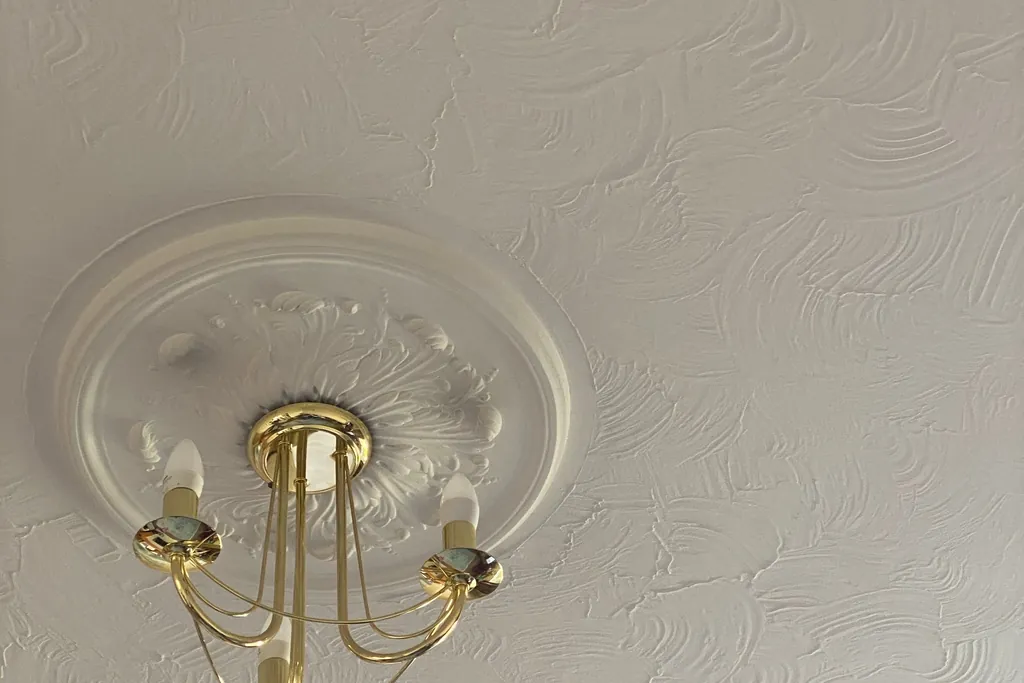 Interior painting
Painting a popcorn ceiling: test it first, then paint it gently
Can you paint a popcorn ceiling? Yes, after an asbestos test. What EPA advises, why no build year makes texture safe, Wisconsin's rules and the painting method.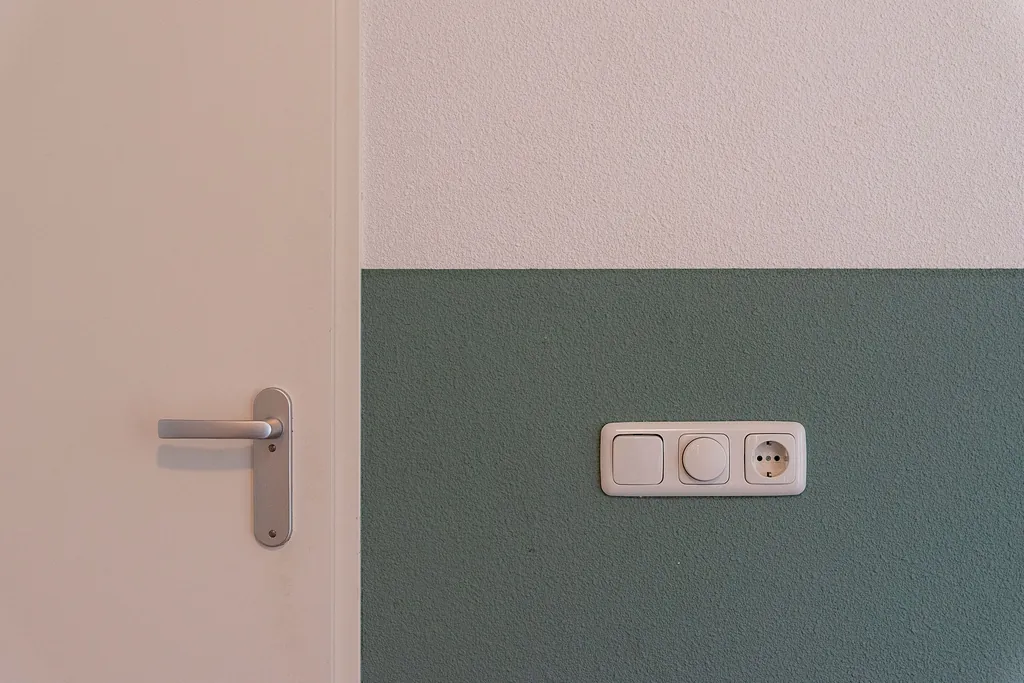 Interior painting
Two tone walls: where to split, which color goes down, how to paint the line
Where to split a two tone wall, which color goes down, how to pick the pair by LRV and how to paint a level, sealed line, plus colour capping and older walls. Interior painting
Accent walls: which wall, which color, and when to leave it plain
Pick the right wall, the right color and the right finish, or skip the accent wall altogether. Here's how to tell which room wants one.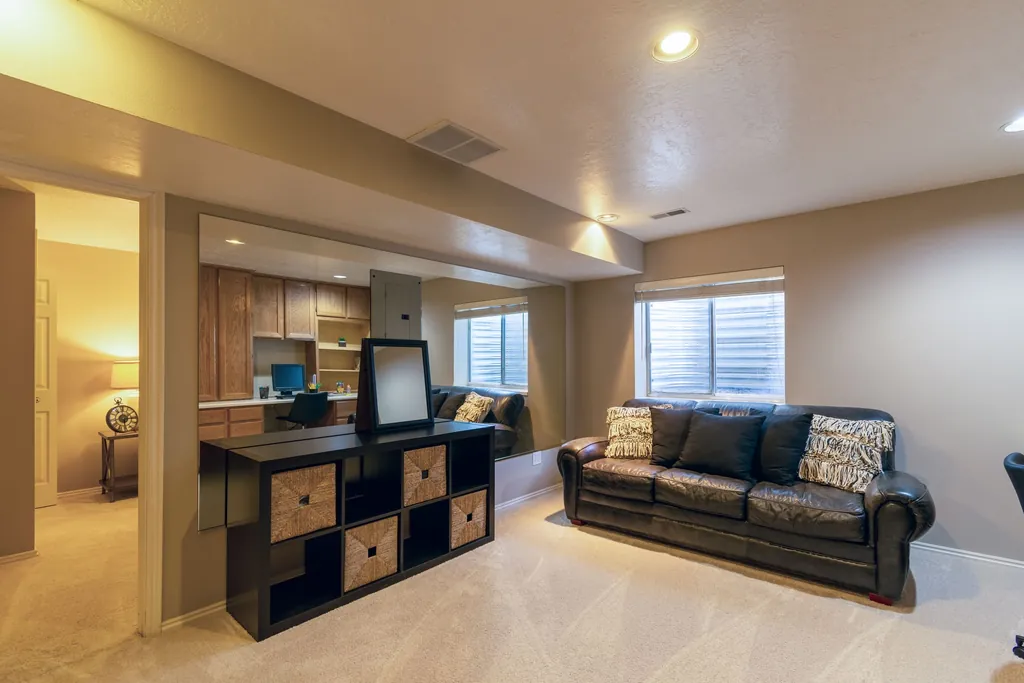 Interior painting
Painting a finished basement: color, light and the moisture question
A good basement paint job starts with a dry wall, then works around low light. Colors, ceilings, sheen and timing for a finished basement.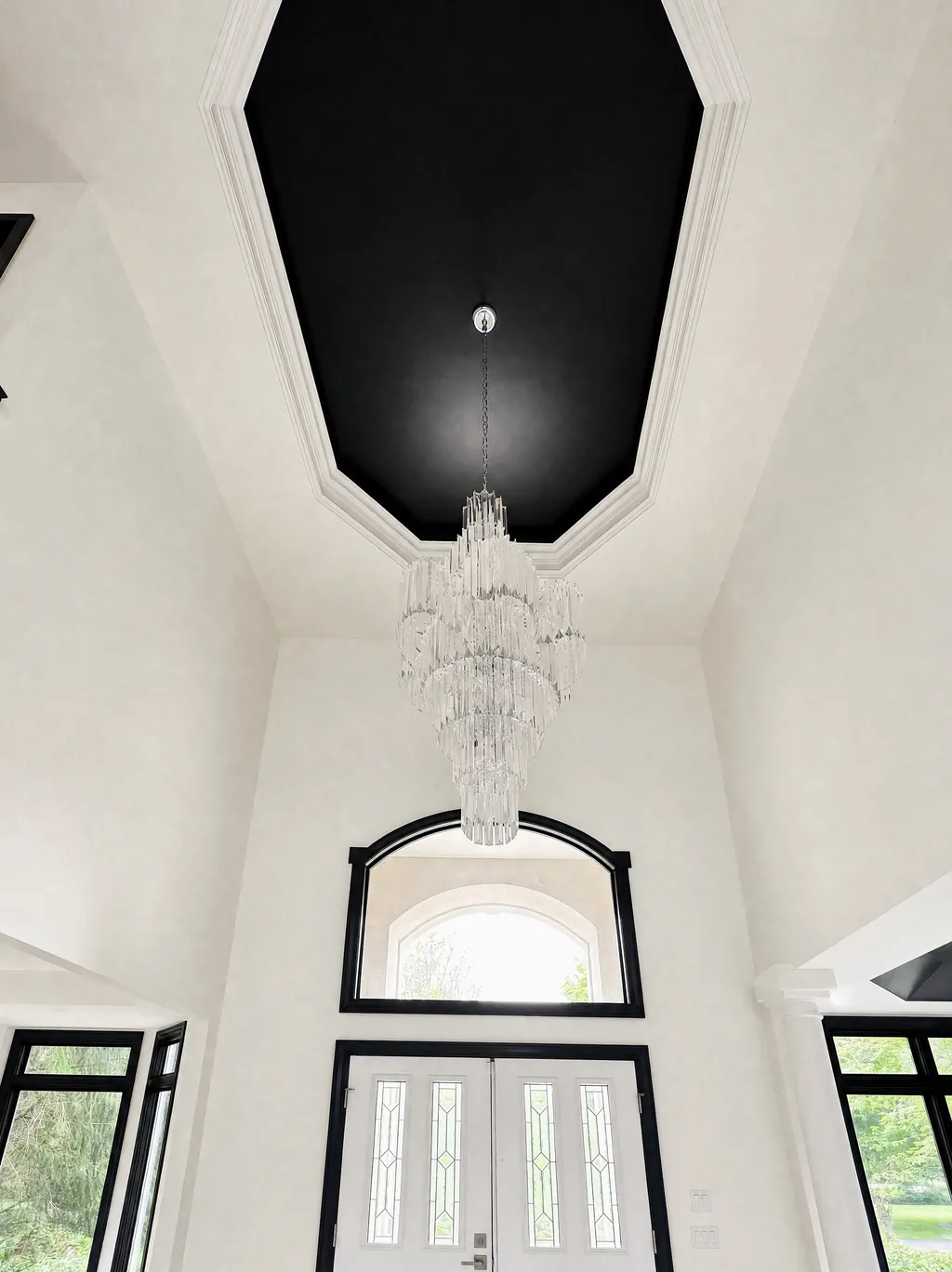 Interior painting
Choosing ceiling paint: sheen, color and the trouble spots
Flat white is the right call for most ceilings. Here's why, and how bathrooms, kitchens, stains and textured ceilings change the answer. Interior painting
What to plan for when you paint an office, shop or small business
Painting a space that has to keep working means planning the schedule, the fumes and the equipment. Here's what to settle before the first can is opened.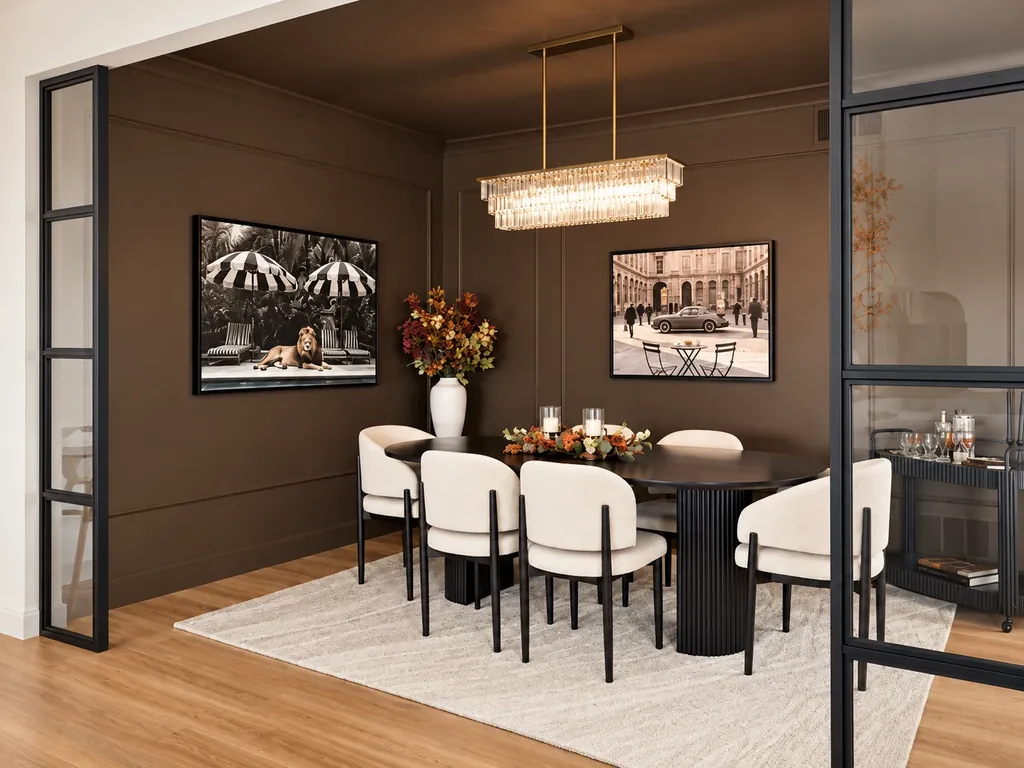 Interior painting
Dining room paint colors, from deep and moody to warm and light
Most dining rooms are used by lamplight, which changes how a color looks. Here's how to choose, from deep brown to warm white.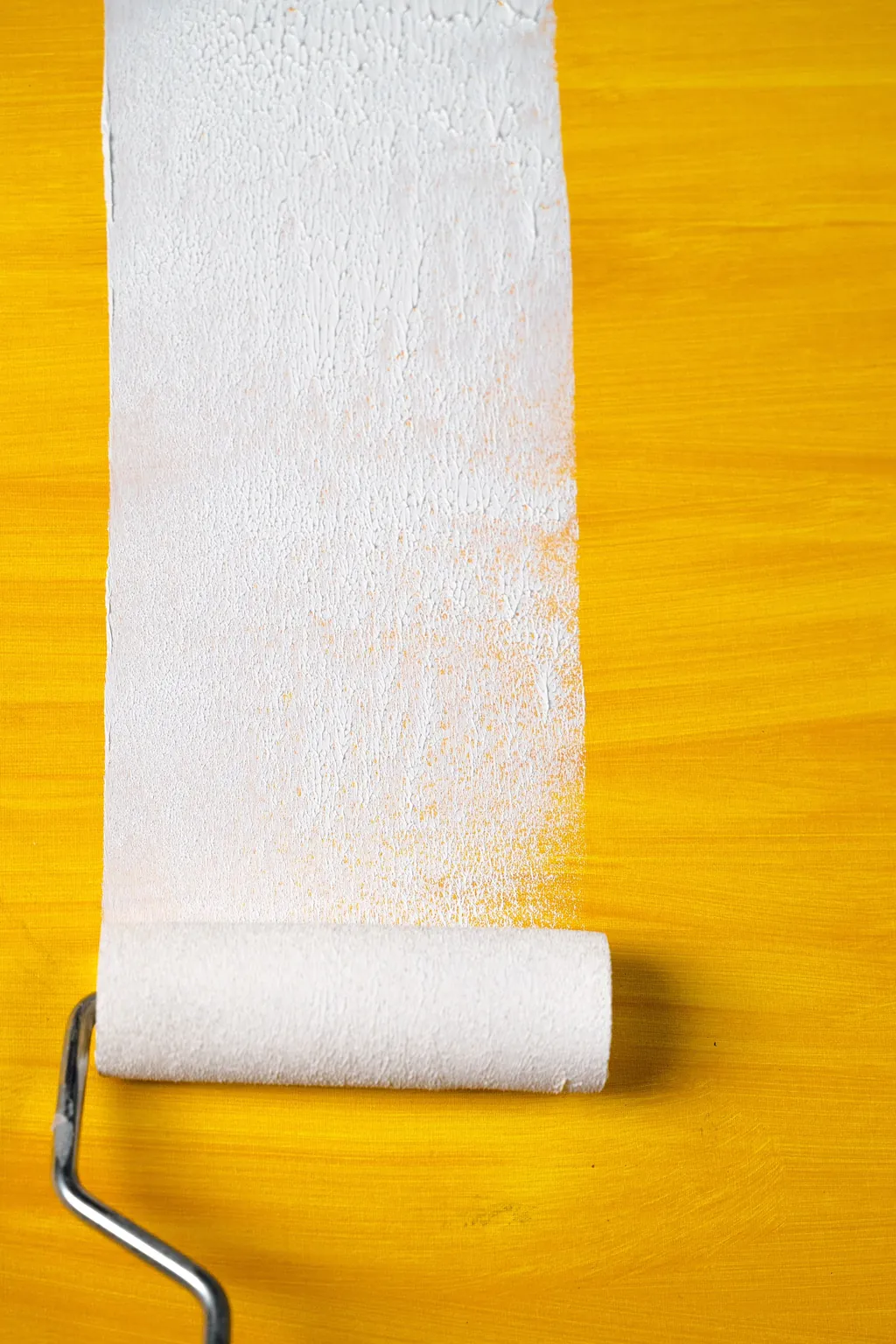 Interior painting
How long painting a room takes, and what changes the answer
Most rooms take one to two days. Here's where the time goes, what slows a room down, and why the paint needs weeks to fully harden.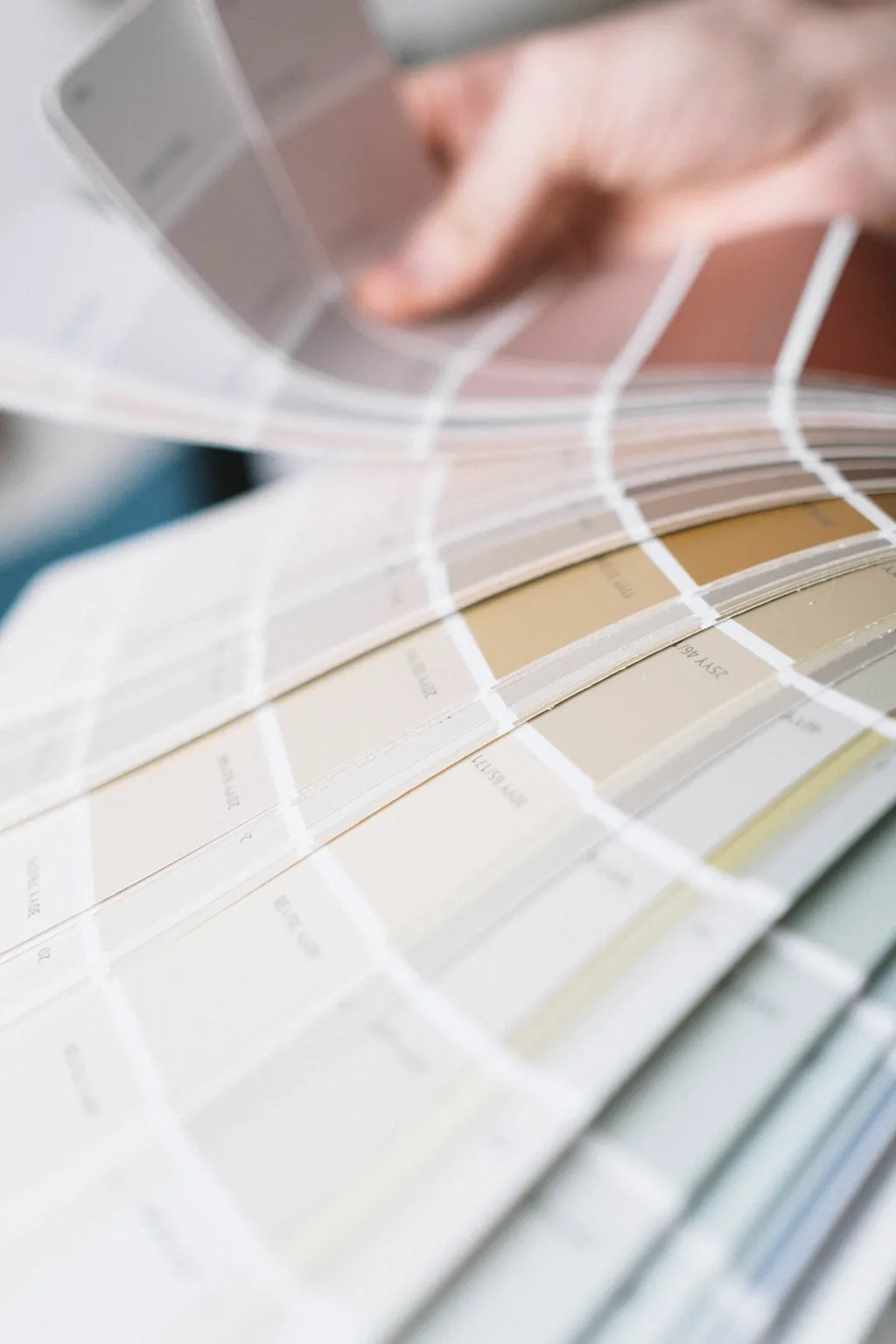 Interior painting
A simple process for picking paint colors, room by room
Start with the things you aren't changing, learn to read undertones, test on the wall in your own light, and pick colors that carry from room to room. Interior painting
Nursery paint colors that stay calm, and how far ahead to paint
Soft colors are the easy part. The decisions that matter more are the type of paint and finishing the job well before the baby arrives.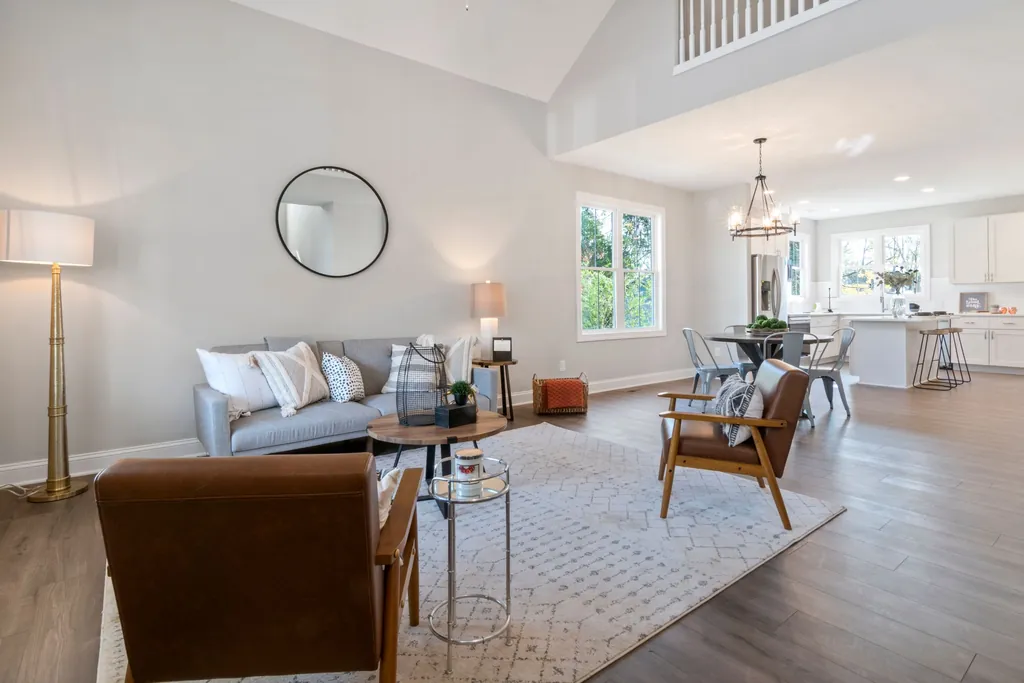 Interior painting
Choosing a paint color for a room that faces north
A north-facing room gets cool, indirect light, and it changes every color you put on the wall. Here's how to work with it instead of against it.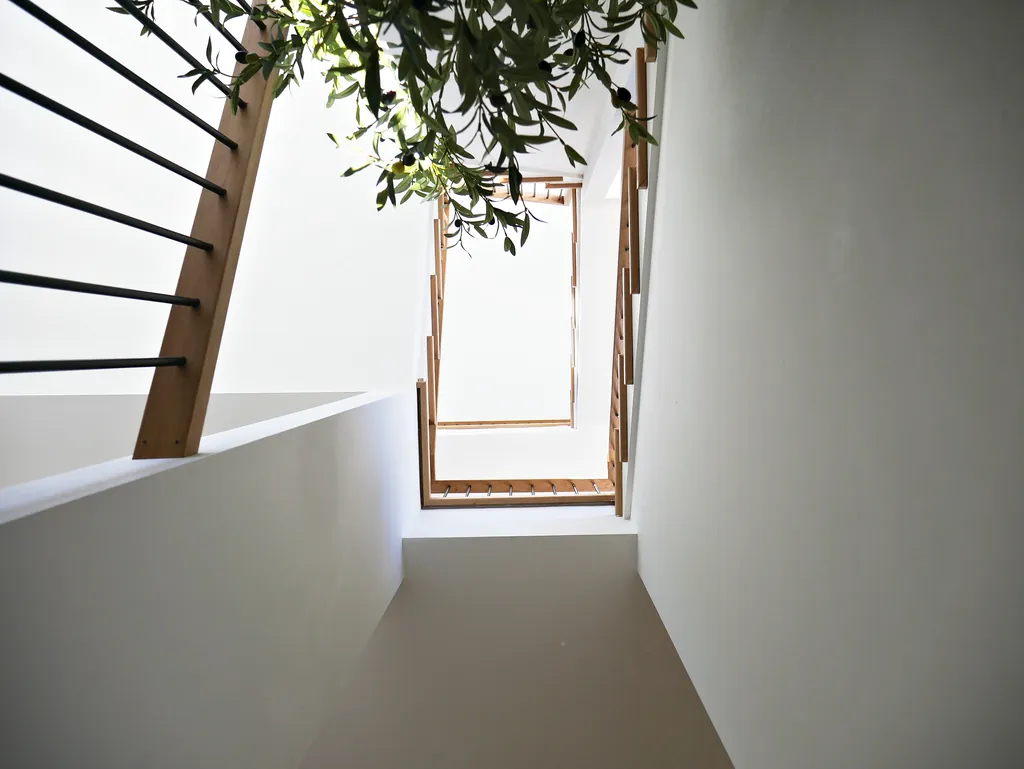 Interior painting
Why stairwells take longer to paint, and what to ask before you start
Tall walls, no flat floor and a lot of hands: here's what makes a stairwell harder than a room, and how the job should be approached.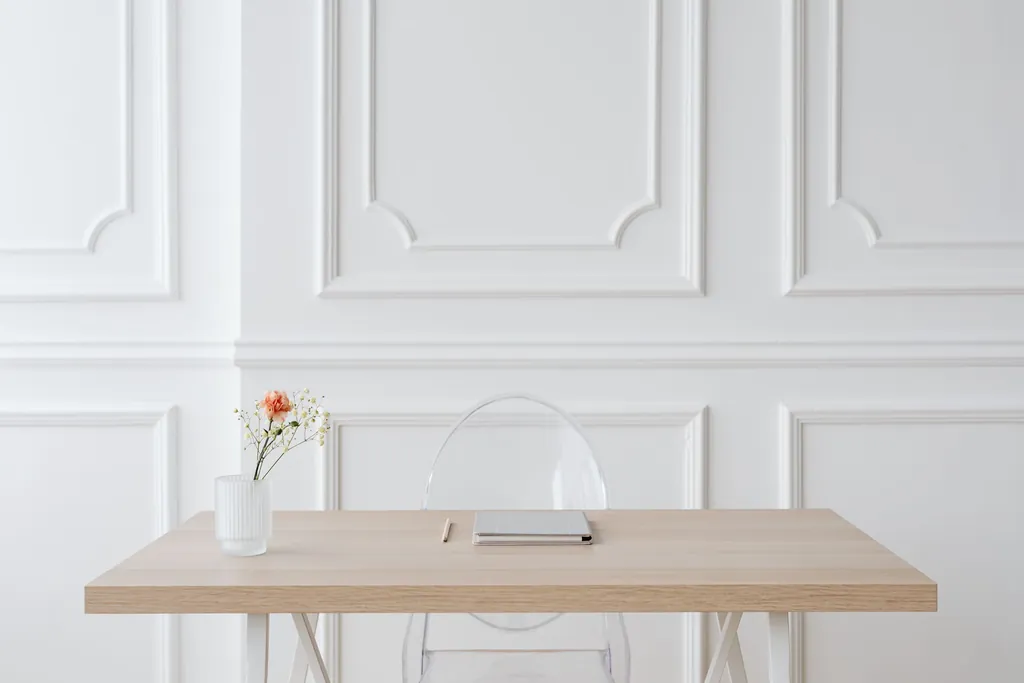 Interior painting
Baseboards that look finished: prep, caulk, sheen and floor protection
Clean baseboards come from prep, a tight bead of caulk, the right sheen and a floor that's protected. Here's what matters at each step.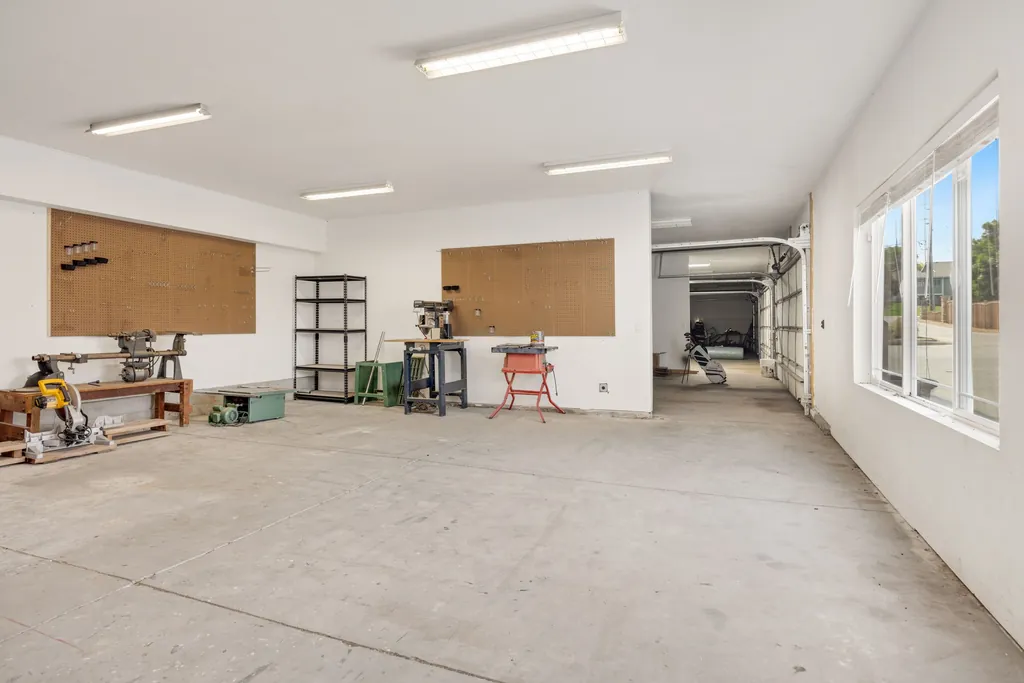 Interior painting
Garage walls: prep, paint choice and what a Wisconsin winter changes
Clean, prime, choose a washable sheen and watch the temperature. How to paint garage walls so the finish lasts through a Wisconsin winter.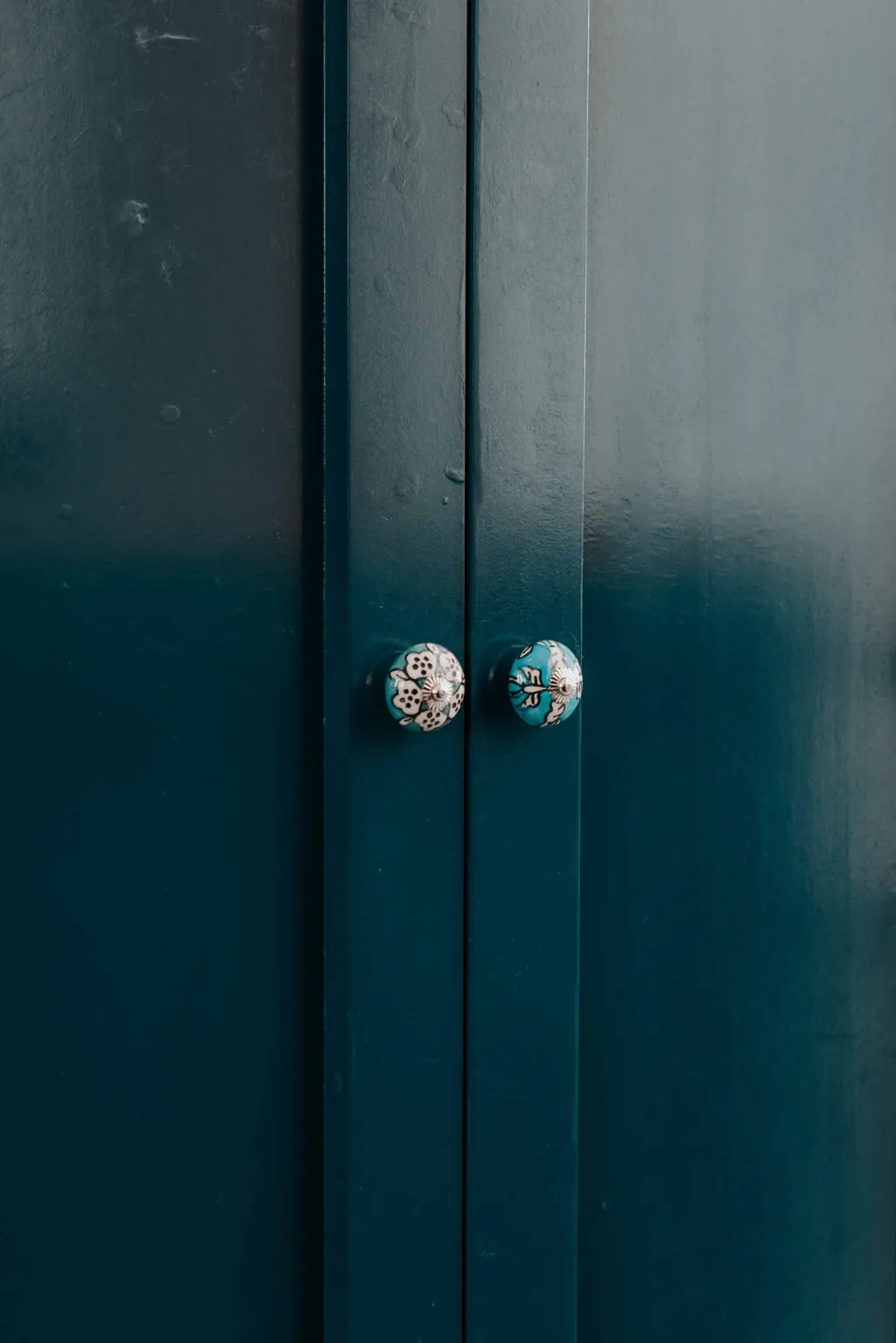 Interior painting
Interior doors: color, sheen and the choices worth making first
Doors are some of the most-touched surfaces you can paint. Here's how to choose color and sheen, what to know about panel doors and hinges, and how to avoid sticking.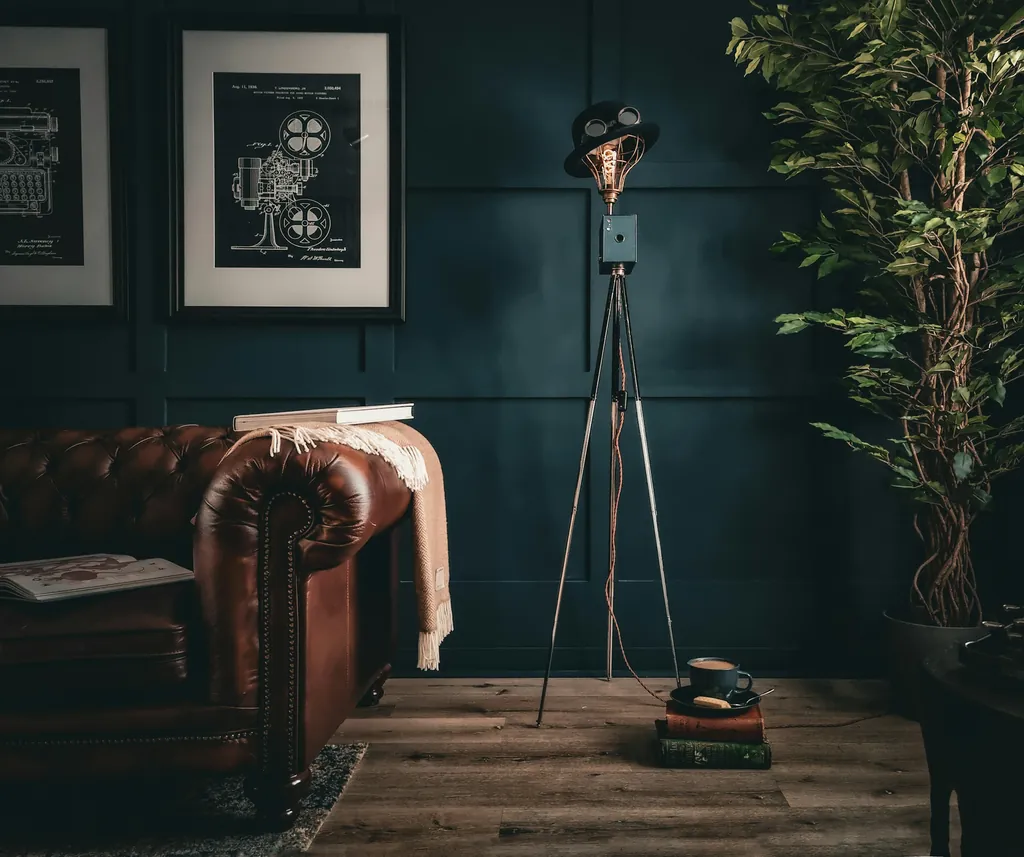 Interior painting
Going light over a dark wall color: primer, coats and what to expect
Light over dark takes primer first and then two finish coats. Here's how a tinted primer helps and what to prep before you start.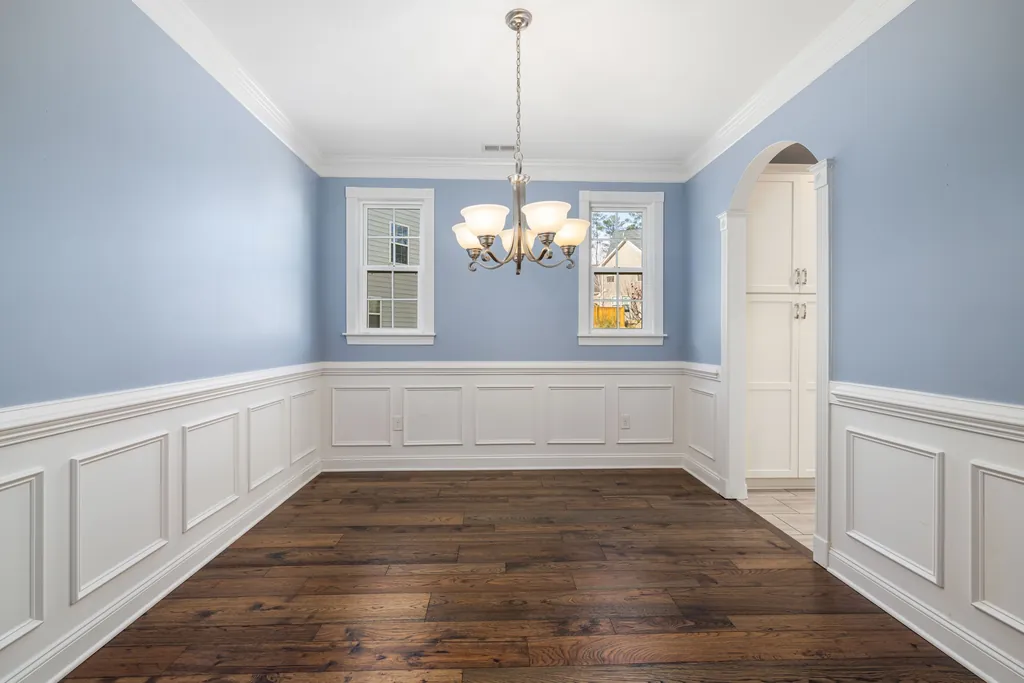 Interior painting
How to approach painting wood paneling so the finish lasts
Dated paneling can be painted. The cleaning, the primer and what you do about the grooves separate a smooth finish from one that peels or bleeds.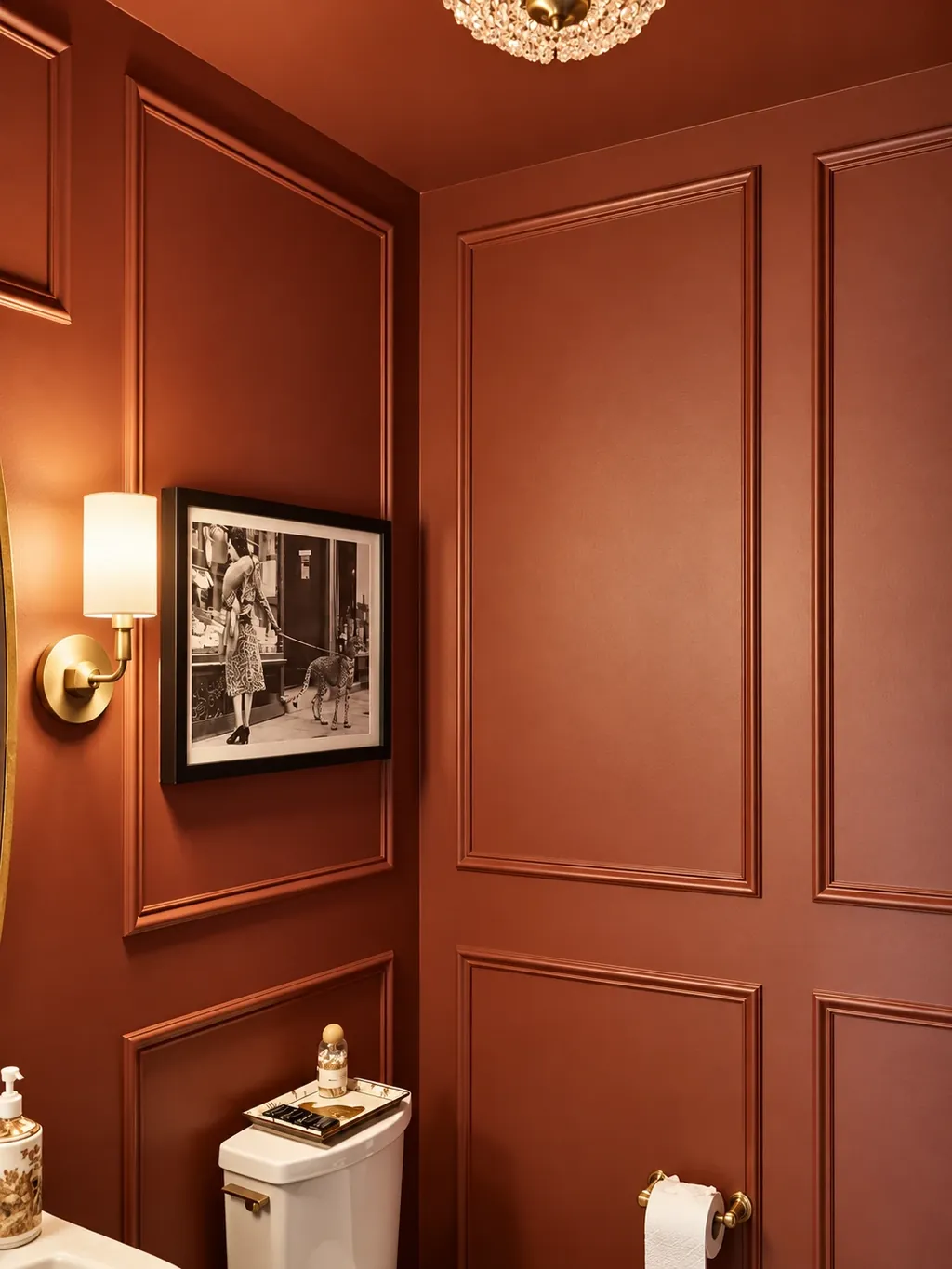 Interior painting
Powder room paint colors for a small room that can take a risk
A powder room is small, short-stay and easy on paint, which makes it the place for deep, saturated color. Here's what works and what to watch.
Quick answers
What is the best paint for interior trim?
An enamel made for trim and doors, usually a waterborne alkyd or an acrylic enamel in satin or semi-gloss. Waterborne alkyd levels most like oil and cleans up with water. Acrylic enamel resists sticking on doors and windows and doesn't tend to yellow. Plain wall paint isn't built for trim that gets kicked and closed. More in the best paint for trim levels smooth, lets go and stays white
Do you paint the gaps in shiplap first?
Yes. Brush or spray paint into the gaps first, then roll or spray the faces while the gaps are still wet so the marks blend. A roller can't reach into the reveal, so rolling first leaves bare edges and ridges of paint that you then have to chase with a brush. More in how to paint shiplap so the gaps, knots and seams look right
Should I paint my ceiling the same color as my walls?
Match it when the color is light, the ceiling is sloped or has no crown, and the room gets decent light. Keep the ceiling white when the wall color is deep, the room is dim, or you want a bold wall or crown molding to stand out against a clean ceiling. More in painting the ceiling the same color as the walls: when it works, when it doesn't
Should crown molding be the same color as the walls?
It can be, and that suits a plain crown in a simple room. Benjamin Moore calls it a modern, monochromatic look but warns it may hide the molding's details. One white for the crown, ceiling and trim is the most popular choice, and an accent color shows off an ornate profile. More in painting crown molding: the color, the order and the ladder
Can I just paint over a popcorn ceiling?
Yes, once it has tested negative for asbestos and the texture is firmly attached. Untested texture shouldn't be scraped, sanded or drilled, and Wisconsin's rule treats it as asbestos-containing. On a tested ceiling, use light pressure and don't overwork one spot, because wet texture can soften and fall. More in painting a popcorn ceiling: test it first, then paint it gently
How high should you paint a two tone wall?
About a third of the way up is the classic split. Benjamin Moore says wainscoting is traditionally sized using the rule of thirds, which works out to 32 inches on an 8 foot wall and 36 inches on a 9 foot wall. Higher splits, up to about two thirds, are common too. More in two tone walls: where to split, which color goes down, how to paint the line
Which wall should be the accent wall?
Choose the wall you see first when you enter the room, or the one behind your focal point, like a bed or fireplace. It should be a clear, unbroken surface with few doors, windows or vents. More in accent walls: which wall, which color, and when to leave it plain
What color should I paint a basement?
A warm white or soft neutral is the safest choice, because it reflects the most light in a room that has little daylight. Test every color under the basement's own bulbs, since bulbs rated above 3500 Kelvin cast a cooler light. More in painting a finished basement: color, light and the moisture question
Can I use wall paint on a ceiling?
You can, and in a bathroom you may want a wall paint with some sheen. In living areas, most wall paints reflect more light than flat, so roller laps and flaws show overhead. A flat ceiling paint is the safer pick there. More in choosing ceiling paint: sheen, color and the trouble spots
Can you paint our office while we're working?
Sometimes, depending on the space and how many people are in it. EPA and NIOSH guidance recommends scheduling painting for when a building is unoccupied, so tell George how your space is used and he'll tell you what the quote assumes. More in what to plan for when you paint an office, shop or small business
What color should I paint a dining room?
Choose for the light you use the room in, which is mostly evening lamplight. Deep brown, green, navy and wine look rich by lamplight, and warm whites, clays and muted greens are the lighter options. Test a large sample at dinner time before you decide. More in dining room paint colors, from deep and moody to warm and light
How long does it take to paint a bedroom?
Most rooms, bedrooms included, take us one to two days. The size of the room, the condition of the walls and how much the color is changing decide where yours lands in that range. More in how long painting a room takes, and what changes the answer
How many paint colors should a house have?
Usually one trim white, two or three wall colors for the main living areas in the same warm or cool family, and a few bolder choices for bedrooms or bathrooms. What matters is that rooms you see together share an undertone. More in a simple process for picking paint colors, room by room
What is the best color for a nursery?
There isn't one right answer. Soft, low-contrast colors such as warm white, pale sage, dusty blue and greige are popular because they're calm and easy to decorate around. Choose one you like in the room's actual light, including at night. More in nursery paint colors that stay calm, and how far ahead to paint
What color should I paint a north-facing bedroom?
Start with a warm undertone: a creamy white, a warm greige or a soft clay. Or go deep with a dark green, navy or brown, which look rich in soft light. Test two or three in the room first, because north light changes every color. More in choosing a paint color for a room that faces north
How long does it take to paint a stairwell?
Most rooms take one to two days, and a stairwell with tall walls, a railing and a lot of trim can take longer than a room of the same size. The exact time depends on the height, the number of surfaces and the prep, so George quotes it after hearing about the space or seeing it. More in why stairwells take longer to paint, and what to ask before you start
Do I need to sand baseboards before painting?
Yes, a light scuff sanding is enough. It dulls the old gloss so the new coat can grip. Without it, paint on glossy trim is more likely to peel or chip, especially along the top edge and near the floor. More in baseboards that look finished: prep, caulk, sheen and floor protection
Can you paint garage walls in the winter?
Only if the walls and air stay above the paint's minimum temperature for the first couple of days. Dunn-Edwards says low temperatures can keep latex paint from forming a proper film, and that the first 48 hours are the most critical. An unheated Wisconsin garage in January usually isn't a good bet. More in garage walls: prep, paint choice and what a Wisconsin winter changes
What color should I paint my interior doors?
White is the classic choice, and matching your trim keeps things clean. A color the same as your walls feels calm, and a deeper color makes a statement. Test it on the door in your own light, and keep doors consistent from room to room. More in interior doors: color, sheen and the choices worth making first
Do I need primer to paint over dark paint?
For a big jump to a light color, yes. Dunn-Edwards recommends priming when covering a dark surface with a light paint. Some premium paints can handle most color changes in two coats without primer, but a dedicated primer is the safer plan. More in going light over a dark wall color: primer, coats and what to expect
Can you paint over wood paneling without sanding?
Sometimes, if it's cleaned well and primed with a primer that bonds to glossy surfaces. A light scuff-sanding or a liquid deglosser is still the safer route, because paint grips better on a dulled surface. Cleaning is the step you can't skip. More in how to approach painting wood paneling so the finish lasts
What color should I paint a powder room?
Take a risk. Deep terracotta, forest green, navy and plum all work well in a small room. Choose by mood and test a large sample with the door closed and the vanity light on. More in powder room paint colors for a small room that can take a risk
Interior painting: what to know
Interior painting is mostly preparation. The paint is the part everyone sees, but the result depends on what happens before the first coat: how clean the surface is, whether the holes are filled, whether the primer matches the problem, and whether the sheen suits the room. The guides below follow that order, from choosing a color to the rooms that need extra thought. If you'd rather hand the whole thing off, our interior painting page explains what we cover.
Color comes first for most people, and it's the decision that benefits most from slowing down. Start with the things you aren't changing, learn to read undertones, and test samples on your own wall in your own light. Our guide to how to choose paint colors for your home lays out the process, our post on paint colors for north-facing rooms covers the coolest light a house gets, and our accent wall ideas show where a bolder color earns its place.
Walls and ceilings take the most paint and the least thought, and both repay a little care. A flat white ceiling paint hides flaws better than any other finish, which is why it's the usual choice overhead, and our guide to the best ceiling paint covers the exceptions for bathrooms, stains and older ceilings. Going light over a dark wall is the hardest color change there is, and painting over dark paint explains why primer and two even coats do the work that three or four rushed ones can't.
Trim and doors are where a room looks finished or doesn't. They get touched, bumped and scuffed, so they need a washable sheen and a tidy edge. Our posts on painting baseboards and painting interior doors cover prep, caulk, sheen and the difference between paint that feels dry and paint that has cured. That difference matters more than people expect: a finish can feel dry in hours and still take weeks to harden fully.
Some rooms have rules of their own. A finished basement needs a dry wall before anything else, and our basement painting ideas start there. A garage is cold much of the year, and painting garage walls explains why temperature changes the plan. Stairwells, dining rooms, nurseries and powder rooms each bring their own questions, and we've written about painting a stairwell, dining room paint colors, nursery paint colors and powder room paint colors. Dated wood paneling has its own post too: painting wood paneling.
Businesses are covered as well as homes, and our post on commercial interior painting explains how that differs. For timing, most rooms take one to two days, and our guide to how long it takes to paint a room breaks down where the time goes. Floors and furniture are covered first, small holes are repaired, and the price is based on the square footage of the space, paint included.
When you're ready, the first step is a phone call. George will ask about the room, visit if he needs to see it, and send a written quote with a start date. Ask for a free estimate and tell us what you're planning.
Find out what your project would cost
Send a few details. George will call to talk it through, visit if he needs to see the space, and send a free written quote.
Fully insured. George on every job. Thumbtack Top Pro 2023 to 2025.