Baseboards that look finished: prep, caulk, sheen and floor protection
· 6 min read · By GK Painting & Remodeling
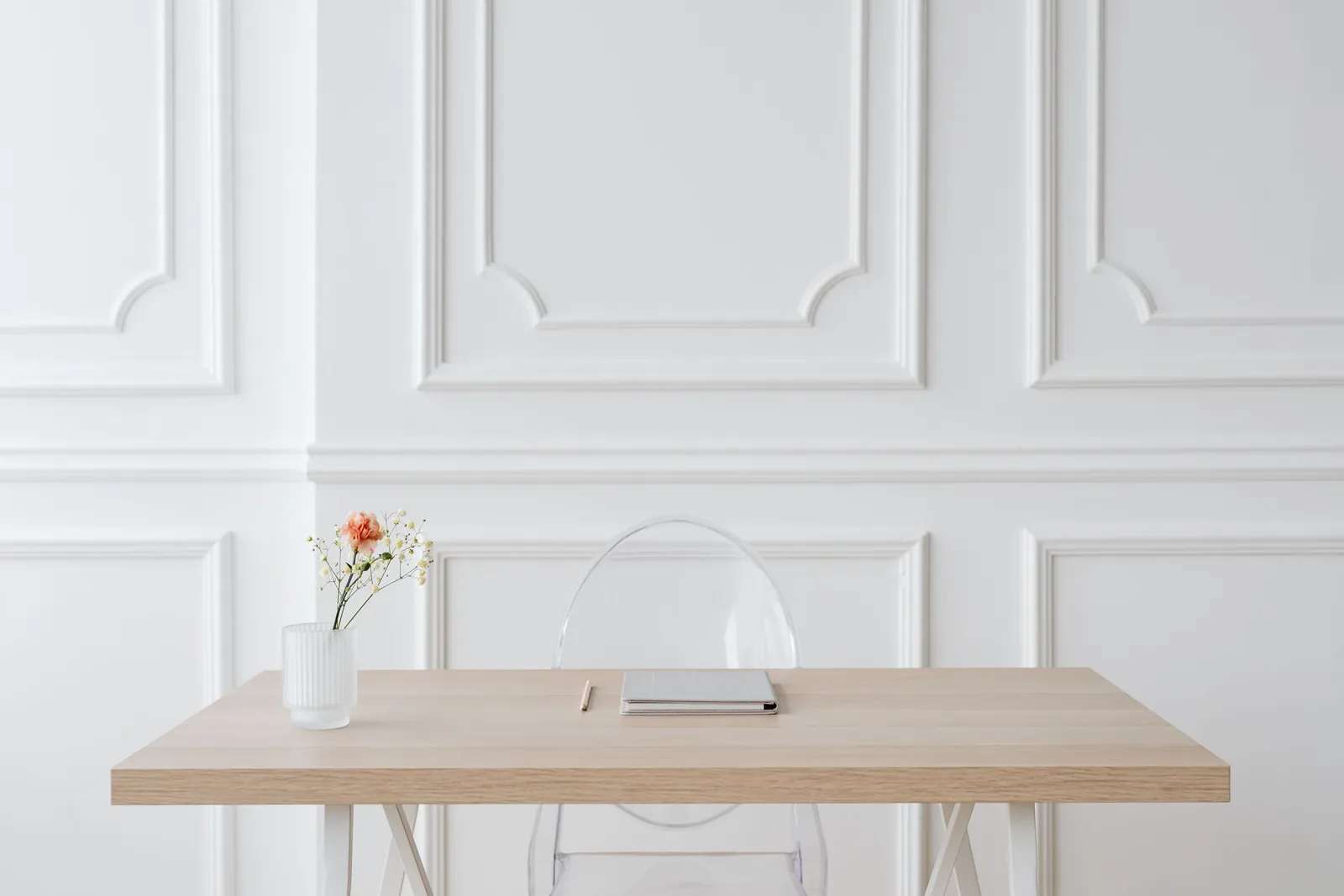
Painting baseboards well comes down to four things: clean, scuffed surfaces, caulk along the top seam, a durable semi-gloss or satin paint, and a floor that's protected the whole time. The paint is the small part. The prep and the edges decide whether the trim looks finished.
Baseboards take more kicks, vacuum bumps and scuffs than any other part of a room, so they reward careful work. Here's what matters at each step, and when it makes sense to hand the job to a painter. Baseboards are part of our interior painting, along with walls, ceilings and doors.
Why baseboards are slower than they look
A room has a lot of baseboard once you add it up, and every foot of it has two edges that need to be clean: one against the wall and one against the floor. Add outside corners, door casings and nail holes, and it's detailed work.
It's also the work where mistakes are easiest to see. A wavy line at the top, a drip near the floor or fuzz from a carpet fiber is at eye level for anyone sitting down. That's why the order of work matters more here than on a wall.
Prep decides the result
Dunn-Edwards says priming helps seal in stains, creates a smoother finish and ensures strong adhesion between the top coat and the surface. On baseboards, that starts with getting the surface ready. Here's the sequence:
- Vacuum the tops and clean the face of the trim. Dust, pet hair and scuff marks stop paint from bonding.
- Scuff-sand the glossy old paint so the new coat has something to grip. A light sanding is enough.
- Fill nail holes, dents and gaps in the trim, then sand them flush once they're dry.
- Caulk the seam where the baseboard meets the wall, and any gaps at the corners.
- Spot-prime the patches and any bare wood.
- Paint two coats, with the paint fully dry between them.
Skipping any of those usually shows. Dust leaves a gritty finish, glossy old paint lets the new coat peel in strips, and unfilled holes catch the light like tiny craters.
Caulk is the cheap upgrade
The biggest visible improvement on old trim often has nothing to do with paint. Over the years, the seam between the baseboard and the wall opens into a thin dark line. A neat bead of paintable caulk closes it, and the trim suddenly looks built in rather than stuck on.
A thin bead pressed in and wiped smooth beats a thick one every time. Let the caulk set according to its label before you paint over it, and wipe the dust away first. If you'd like the full technique, our post on how to caulk baseboards walks through it. Prep on our interior jobs includes repairs, starting with small holes.
Choosing the sheen and the color
Baseboards are touched, bumped and wiped, so they need a finish that wipes clean. Dunn-Edwards calls semi-gloss a common choice for windows, trim, cabinets and doors, with good stain resistance and easy cleaning. It also warns that higher gloss highlights surface flaws.
| Sheen | Look | Best for |
|---|---|---|
| Satin | Soft glow, cleans well | Trim with dents, dings or uneven old surfaces |
| Semi-gloss | Crisp, clean, more reflective | Smooth, well-prepped trim that gets scuffed often |
| Gloss | Mirror-like, shows every flaw | Rarely worth it on baseboards |
If your baseboards are old and wavy, satin often looks better than semi-gloss, because it shows the unevenness less. Our guide to paint sheens has more on how to pick.
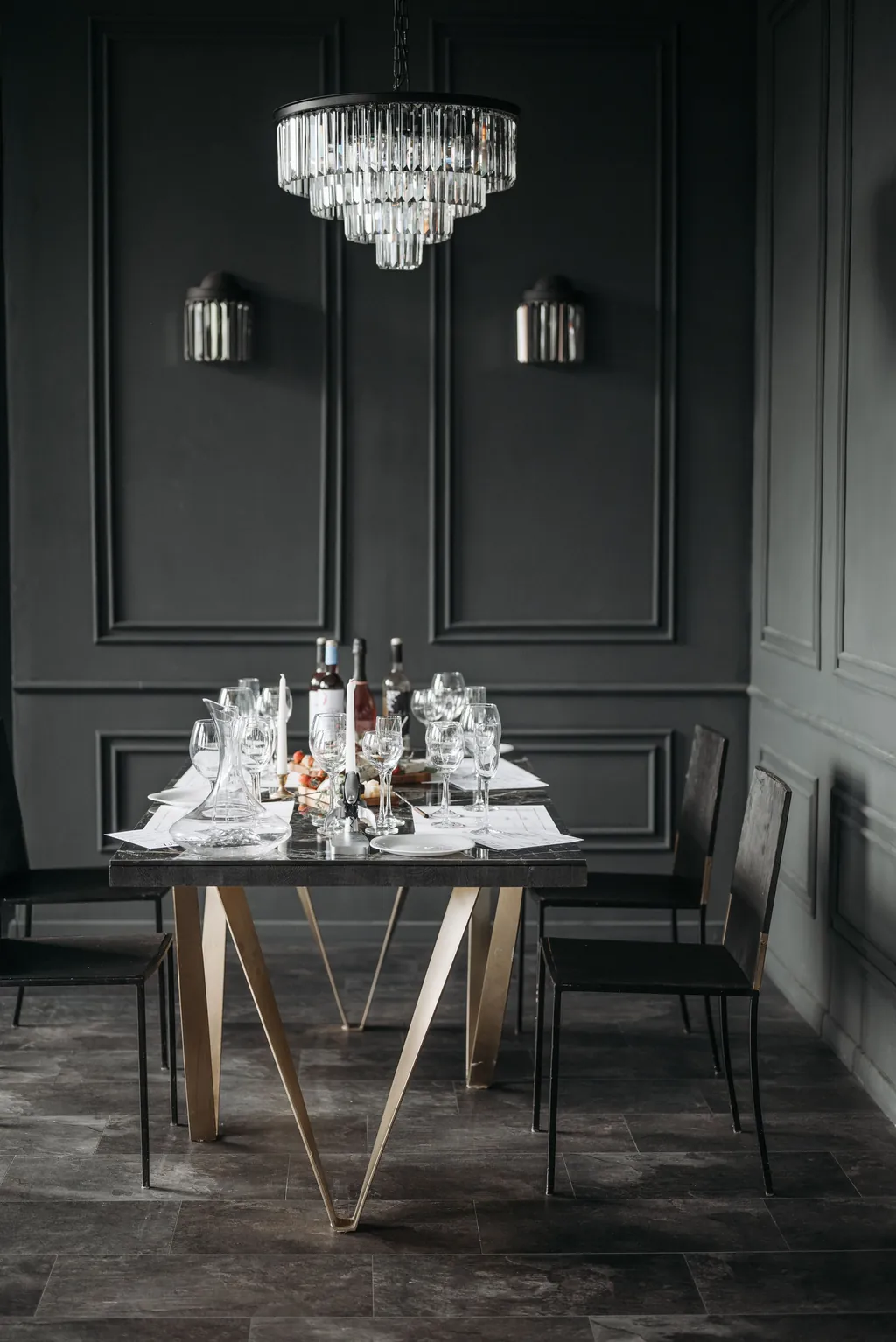
Most baseboards are white, and a white that matches the door casings and window trim keeps a room looking tidy. But white trim isn't a rule. Painting baseboards the same color as the walls, in a higher sheen, lets the trim blend in and keeps a room calm. Painting them a deeper color than the walls gives a room a more graphic, finished edge.
Whatever you pick, make it consistent. Baseboards, casings and doors in three different whites look like a mistake. If you're deciding the wall colors at the same time, our guide to choosing paint colors for your home shows how to pick a trim white that works with them. The same decision comes up at the top of the wall; see crown molding color routes for four options.
The order of work in a room
Order matters because paint drips, and tape and cutting lines are easier on a clean surface. Most painters do the ceiling first, then the walls, then the trim, so drips and spatter land on surfaces that haven't been finished yet. Trim comes last, with the floor already protected and the wall paint dry enough to tape against.
Some prefer to paint the trim first and cut the walls to it. Either order works if the lines are straight and the paint has dried between steps. What doesn't work is rushing, because a fresh coat that gets taped too soon can pull up with the tape.
Protecting the floor
The floor is where baseboard jobs go wrong. On hard floors, tape the floor edge and cover the rest with drop cloths. On carpet, slide a stiff shield or a wide putty knife along the bottom edge as you work, so fibers stay out of the paint.
Painter's tape needs care on wood floors, because a bad pull can lift finish. Use a gentle tape, press only the edge and remove it carefully once the paint is set but not fully hard. Our post on using painter's tape covers timing. Before any paint comes out, we cover floors and furniture on every interior job.
Dry is not cured
Trim paint feels dry quickly and stays tender for weeks. Dunn-Edwards says latex paint is typically dry to the touch within one to two hours and ready to recoat within two to four, but full cure takes 14 to 30 days. It adds that higher gloss coatings generally take longer to cure than lower sheens.
So be gentle for the first few weeks. Don't push furniture hard against fresh baseboards, and run the vacuum carefully along them. Freshly painted surfaces pressed together can stick, and tearing them apart takes paint with them.
Older homes and old trim
Baseboards in older houses are often thick with decades of paint, and some of it is oil-based and very hard. That surface needs more sanding and a primer built to bond to it, or the new paint will chip off in sheets. Older trim can also be taller and more detailed, with more profile to clean and cut in.
The EPA says homes built before 1978 are more likely to have lead-based paint, and its Renovation, Repair and Painting rule sets lead-safe work practices for paid work in those homes. Mention your home's age when you call. If you live in an older Madison home, our page on interior painting for older Madison homes covers what that prep involves.
Doing it yourself or hiring it out
One room of baseboards is a reasonable weekend project if you're patient. A whole floor of them, with corners, door casings and a hard floor to protect, is where the hours add up quickly. Baseboards also look best when they're painted in the same visit as the walls, so the cut line and the trim finish match.
Most rooms take one to two days, and interior work is priced by the square footage of the space, paint included. You can also pair baseboards with painting interior doors, since trim and doors are often painted in the same color and sheen. When you're ready, ask for a free estimate.
Common questions
Do I need to sand baseboards before painting?
Yes, a light scuff sanding is enough. It dulls the old gloss so the new coat can grip. Without it, paint on glossy trim is more likely to peel or chip, especially along the top edge and near the floor.
Should I paint baseboards before or after the walls?
Either order works if the cut lines are clean. Many painters do ceilings and walls first, then trim, so there's no risk of wall drips on finished baseboards. If the walls and trim are the same job, the sequence is a matter of preference.
What sheen is best for baseboards?
Semi-gloss is the usual answer because it wipes clean. If your baseboards are old and uneven, satin shows the unevenness less. Higher gloss levels highlight imperfections.
Can I paint baseboards without taking them off?
Yes. Baseboards are almost always painted in place. The key is protecting the floor along the bottom edge and caulking the top seam so the line against the wall looks sharp.
How long should I wait before putting furniture back against fresh baseboards?
Latex paint dries to the touch in an hour or two, but it takes 14 to 30 days to fully cure. Keep furniture off the trim for as long as you can, and be gentle for the first few weeks.
Sources
- Selecting Paint Gloss, Dunn-Edwards
- Dry Time versus Cure Time of Paint (technical bulletin), Dunn-Edwards
- The Importance of Priming (technical bulletin), Dunn-Edwards
- Reduce the Risk of Lead Exposure at Home, U.S. Environmental Protection Agency
- Lead Renovation, Repair and Painting Program, U.S. Environmental Protection Agency
More on interior painting and every interior painting post.