How to paint cabinets without sanding, and when you shouldn't
· 7 min read · By GK Painting & Remodeling
You can paint cabinets without sanding only when the old finish is sound, degreased, and either deglossed or covered with a bonding primer. Paint put straight onto a greasy or glossy finish has little to hold, and that's where peeling starts.
Here's how to paint cabinets without sanding when it can work, a grid for deciding, a quick test for the bond and what a Wisconsin winter changes. For every step of a full repaint, see how to paint kitchen cabinets.
What sanding does, and what skipping it leaves out
Sanding before paint has two jobs. It dulls the shine so primer has something to grip, and it takes off anything loose, like flaking paint or old drips. It isn't meant to strip cabinets to bare wood.
Benjamin Moore's cabinet guide explains the first job. It says most cabinet finishes are too smooth or glossy to reprime and repaint, and tells you to sand just enough to give the primer a little more grit to stick to, not enough to sand away the current finish.
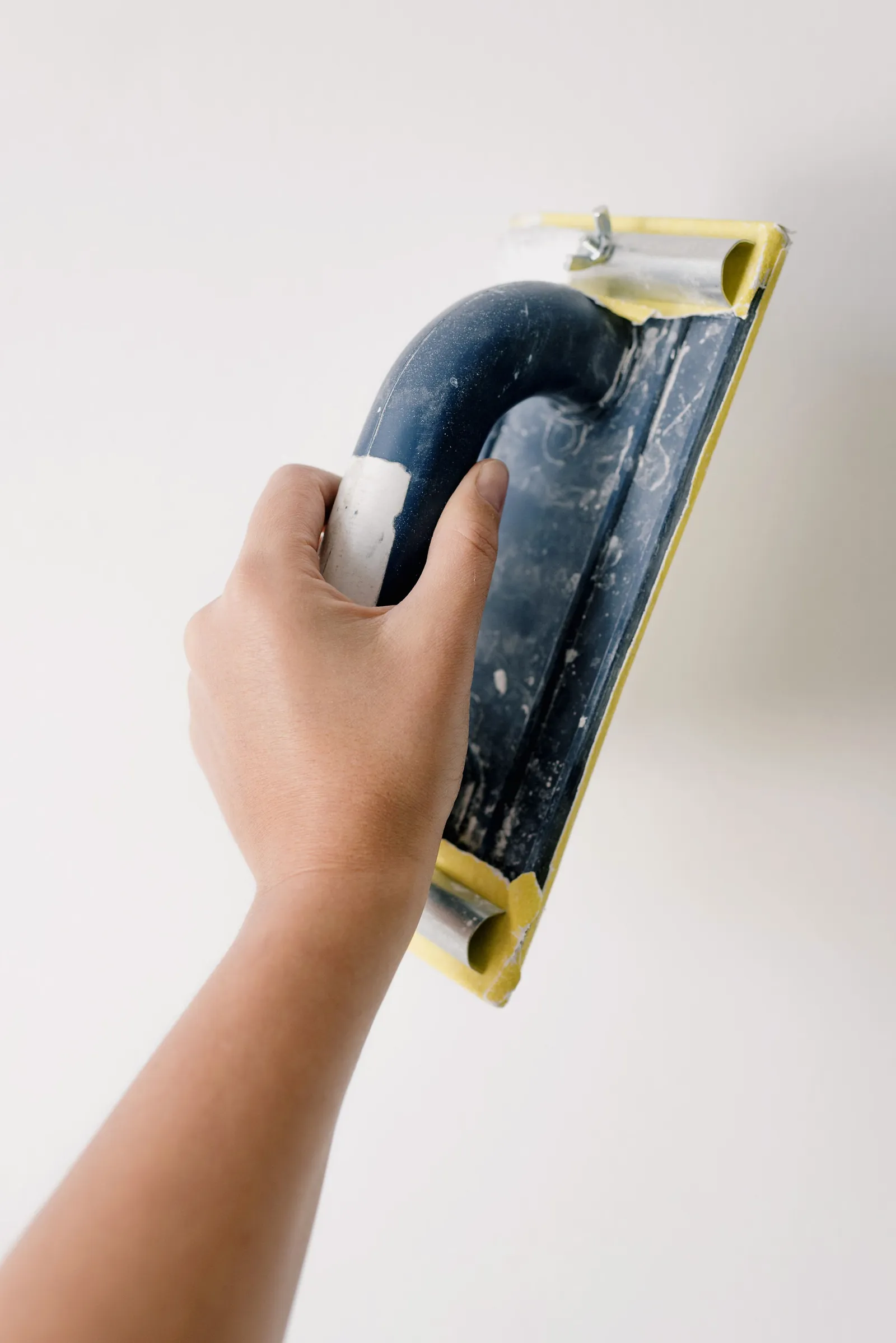
Skip sanding and both jobs still need doing another way. A liquid deglosser dulls the shine chemically, and a bonding primer for cabinets is made to grip slick surfaces. Neither fixes paint that's already letting go, and neither works through grease.
So no, you can't paint directly over cabinets with no prep. Grease is the reason. The Forest Products Laboratory's Wood Handbook calls the failure intercoat peeling, new paint coming off old paint, and says it usually occurs within a year of repainting. Its prevention is to make sure the old paint is clean before you repaint. The handbook is writing about exterior paint, but the logic holds on a cabinet door.
The No-Sand Decision Grid
Sort your cabinets with this before you buy anything. It's our editorial guide, not a measurement, and the bandage test further down is how you check it.
| What's on the cabinets now | Condition | Our call |
|---|---|---|
| Satin or flat paint | Tight, no chips or peeling | No-sand can work: degrease, bonding primer, test |
| Glossy paint, varnish or polyurethane | Tight, no peeling | Degloss or scuff sand, bonding primer, test |
| Oil-based paint | Tight | Sand it dull, then prime |
| Any finish | Peeling, flaking or fails the test | Full prep: loose finish comes off first |
| Laminate or thermofoil | Film lifting or bubbled | Paint can't hold it down |
| Unfinished wood | Clean and dry | Prime; sand only to smooth raised grain |
| Any finish, home built before 1978 | Paint of unknown age | Find out about lead before any sanding |
Oil-based paint gets its own row because new coatings bond to it differently. Our post on repainting painted cabinets shows the rubbing alcohol test, and our primer guide covers glossy and oil-based surfaces. Laminate and thermofoil have their own steps in our guide to painting laminate cabinets.
How to paint cabinets without sanding, step by step
If your cabinets landed in the first two rows, here's the short version of the order.
- Take off the doors, drawer fronts and hardware, and label every piece so it goes back where it came from.
- Degrease every surface you'll paint, with extra attention near the stove and around the pulls. Wipe with clean water and let it dry.
- Fill unused hardware holes. Filler needs a light sanding once it's dry, the one spot no method skips.
- Wipe on a liquid deglosser if the finish is glossy, following its label for how long it sits and how it comes off.
- Prime with one thin coat of a bonding primer made for slick surfaces.
- Run the bandage test on the back of a door before going further.
- Paint in thin coats of a cabinet enamel. Our post on the best paint for kitchen cabinets compares the types.
Over varnished or polyurethaned wood
This is the most common no-sand question. A clear coat is usually glossy and hard, the second row of the grid: degloss it, use a bonding primer and test before you paint the whole kitchen. Where the clear coat has worn through to bare wood, often around the pulls, those spots need smoothing and priming anyway.
Is there a best paint for cabinets without sanding?
The paint matters less than what's under it. If you try a paint sold as no-sand or all-in-one, treat that as the maker's claim: clean the same way and test a door first. A cabinet enamel over a primer that passed the test beats any specialty paint over grease.
The bandage test: check the bond before you commit
The Wood Handbook describes a simple adhesion test. It's written for exterior paint, and it's easy to run on the back of a cabinet door:
- Prep and prime a test area exactly the way you plan to do the whole job.
- Let the primer dry at least overnight.
- Press one end of an adhesive bandage firmly onto the primer, then pull it off with a snap.
Read it the way the handbook does. If the bandage comes away clean, the new primer is holding fairly well. If primer sticks to it, the bond is poor and early peeling is likely. If old paint comes off along with the new, the old paint isn't stuck well to the wood and has to be removed before repainting.
The handbook recommends testing several areas; on cabinets, include a door from near the stove.
Wisconsin winter: fumes, cold garages and dry air
Fumes with the windows shut
EPA notes that paints, varnishes and many degreasing products contain organic solvents, and it advises plenty of fresh air when you use them. When a label says to use a product in a well-ventilated area, EPA says to go outdoors or use an exhaust fan, or else open windows for as much outdoor air as you can get.
In January that takes planning: a window cracked with a fan blowing out, short deglossing sessions and the rest of the house closed off. Our post on painting in winter covers fresh air without freezing the room.
Cold garages
The garage looks like the obvious place to lay out doors. Benjamin Moore says it's best to paint cabinets at room temperature and to check each product's label for its application range. The Wisconsin State Climatology Office's 1991 to 2020 normals put the statewide January high at 23.8°F, and average highs stay under 55°F from November through April. For half the year, an unheated garage isn't a room temperature space.
Dry heated air
Winter dries the wood, too. The Wood Handbook says indoor heating in northern states lowers humidity enough that wood's moisture content drops to around 4%, and that wood shrinks as it loses moisture, which can lead to warping, checking and splitting. On painted cabinets, that movement tends to show first where two pieces of wood meet, like a door's panel and its frame.
Next-step hurdle: getting your kitchen back
Painted isn't the same as ready. Benjamin Moore recommends waiting at least 24 hours before putting painted cabinets back in use and says full hardness and adhesion take time to develop. It advises against heavy abrasion or cleaning for at least five to seven days.
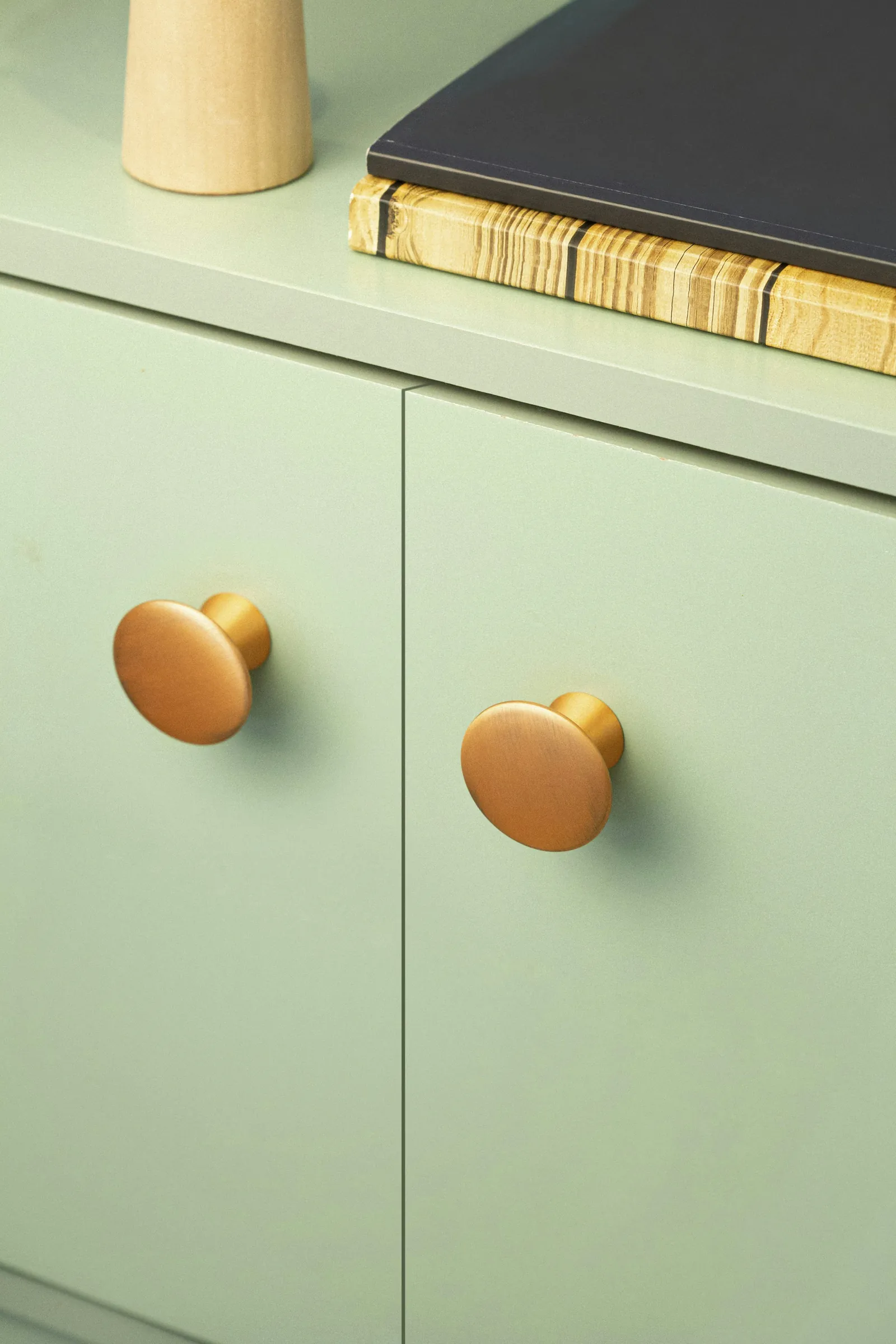
On a no-sand job the primer is carrying the whole bond, so give it the full wait. For the first week:
- Open doors by the pulls, not by the painted edges.
- Wipe spills with a soft damp cloth and skip the scrubbers.
- Keep dish racks, stacked pans and towels off fresh paint.
Our post on how durable painted cabinets are covers sticking doors and what wears first.
When to stop and call a professional
- Call 911 if anyone has serious trouble breathing while you're using deglosser, primer or paint.
- Today: if a solvent product gets in your eyes or on your skin, follow the first aid directions on its label.
- Stop: if your home was built before 1978 and you don't know what's in the old paint, don't sand, scrape or fill until you find out.
- Call a pro when the bandage test pulls off old paint, paint is peeling in sheets, laminate is lifting, or you'd rather not lose your kitchen for a week.
If your home was built before 1978
Skipping sanding sounds safer here, and on intact paint it does make less dust. But filling holes, scraping drips and fixing chips still disturb old paint. EPA says about three quarters of U.S. homes built before 1978 still contain some lead-based paint, and that any renovation, repair or painting project in one that has it can easily create dangerous lead dust. The Wood Handbook is blunter: do not sand lead-based paint.
EPA's Renovation, Repair and Painting rule sets lead-safe work practices for anyone paid to disturb paint in those homes, and EPA asks homeowners doing their own work to use do-it-yourself lead-safe practices. If your house is that old, mention it when you ask for a quote, and ask any painter how they handle lead-safe work. See painting older Madison homes for more.
Why we still sand: cabinets at GK Painting
We don't skip it. Cabinet refinishing is the work George cares about most, and he's on every job himself. Doors and drawer fronts come off and are labeled, cleaned, degreased, sanded, primed and sprayed. The frames are finished in your kitchen with a fine-finish roller or spray, depending on the space.
Sanding is a small part of the time and a big part of the bond. Every surface is cleaned, degreased, sanded and primed so the coating bonds instead of sitting on top of old grease. The finish cures before the doors go back on, and most kitchens take one to two weeks.
We refinish stained, painted, laminate and unfinished cabinets, priced per cabinet with paint included. If yours might be MDF or particleboard, read painting MDF cabinets; if you're still weighing the look, see painted vs stained cabinets. We're based in Waunakee and work across Madison and the surrounding Dane County communities. Read about our cabinet refinishing service or ask for a free estimate.
Common questions
Can I paint directly over my cabinets with no prep?
No. Kitchen cabinets carry grease, and paint only bonds to what it touches. At minimum the cabinets need degreasing, then either deglossing or a bonding primer, then a test. Paint brushed straight over a greasy or glossy finish has little to hold, and the Wood Handbook says peeling between coats usually shows up within a year.
Can I paint over varnished wood without sanding?
Sometimes, if the varnish is tight and you degrease it, degloss it and use a bonding primer. Varnish and polyurethane are usually glossy and hard, so they give paint very little grip on their own. Test the bond on a door back first, and sand any spots where the clear coat has worn through.
What's the best paint for kitchen cabinets without sanding?
A cabinet enamel over a bonding primer that passed an adhesion test. The paint matters less than what's under it. Paints sold as no-sand or all-in-one are making the maker's claim, so clean the same way and try a door first before committing the whole kitchen to one.
Does liquid deglosser replace sanding?
It replaces the dulling part, not the rest. A deglosser takes the shine off chemically so primer can grip, but it won't remove peeling paint, smooth filled holes or cut through grease left behind. Use it on a clean, sound finish, follow the label for ventilation and wipe-off, then prime and test.
How long before I can use cabinets painted without sanding?
Give them at least 24 hours before normal use. Benjamin Moore says full hardness and adhesion take time to develop and advises against heavy abrasion or cleaning for at least five to seven days. On a no-sand job the primer carries the whole bond, so the full wait matters even more.
Is skipping sanding safer in an older home?
It makes less dust, but it isn't a lead plan. Filling holes, scraping drips and fixing chips still disturb old paint. EPA says many homes built before 1978 still contain lead-based paint, and that painting work in one that has it can create dangerous lead dust. Find out what's there before starting.
Sources
- How to Paint Kitchen Cabinets Like an Expert in 9 Steps, Benjamin Moore
- Wood Handbook: Wood as an Engineering Material (FPL-GTR-282), USDA Forest Service, Forest Products Laboratory
- Volatile Organic Compounds' Impact on Indoor Air Quality, U.S. Environmental Protection Agency
- Statewide Climate Normals, Wisconsin State Climatology Office
- Lead Renovation, Repair and Painting Program, U.S. Environmental Protection Agency
More on cabinet refinishing and every cabinets post.