The best primer for cabinets depends on what's on them now
· 7 min read · By GK Painting & Remodeling
The best primer for cabinets is the type that fits what's on your doors now. Slick or already-painted finishes need a bonding primer. Stained wood going to a light color needs a stain-blocking primer. Knots and heavy bleed call for an oil-based or shellac-based one. That match matters more than the brand.
Below: what a cabinet primer has to do, the four types side by side, a three-question test for your kitchen, and two checks to run on one door first. For the coat that goes on top, see the best paint for kitchen cabinets.
What a cabinet primer has to do
A cabinet primer bonds to the old finish, seals in stain and wood color, and leaves an even base for the paint. Paint is made to be hard and washable. Primer is made to stick.
The USDA's Wood Handbook draws the same line: a primer is designed to be sticky and flexible so it holds on, while topcoats are designed to be hard, easy to clean and scratch resistant. Primer links the wood to every coat that follows.
It's also cool on shortcuts: paint and primer in one can be bought, it says, but its properties aren't optimal for either job. On a wall that trade can be fine, as our primer guide explains. On a door that's handled every day, the bond is the point.
Cabinet primer types compared
| Primer type | Carried in | Strongest at | Watch for |
|---|---|---|---|
| Bonding primer | Water | Gripping slick, glossy or painted finishes | Check the label for stain blocking |
| Waterborne stain blocker | Water | Sealing stain while covering color | Heavy tannin can still get through |
| Oil-based primer | Solvent | Blocking bleed, the traditional choice | Fumes and a slower dry |
| Shellac-based primer | Alcohol | Knots and the worst stains | Strong fumes and a fast set |
The last two columns are our editorial guide, not a measurement.
Oil or water for blocking stain?
A 2010 paper from a joint committee of coatings and forest products scientists, published by the American Coatings Association, says oil-based stain blockers had proven best at stopping bleed as a first coat, and that waterborne ones didn't work as well yet. The 2021 Wood Handbook adds that makers keep improving latex primers.
Our read on the best primer for kitchen cabinets in stained wood: start with a waterborne stain blocker, and step up to oil-based when a test shows color coming through. Latex primers also stay more flexible than older oil-based ones, the handbook says, so they're less likely to crack with age. See latex vs oil-based paint for the two families.
Where shellac earns its place
The same paper says neither oil nor waterborne finishes can hold back what a knot pushes out, and that knots need a sealer or an alcohol-borne coating such as shellac, which it calls most effective indoors. The Wood Handbook adds that modern stain-blocking primers usually handle knots without special treatment. Oil-based and shellac primers both mean solvent fumes, so follow the label's ventilation steps.
The Grip, Block, Build test: the best primer for your kitchen cabinets
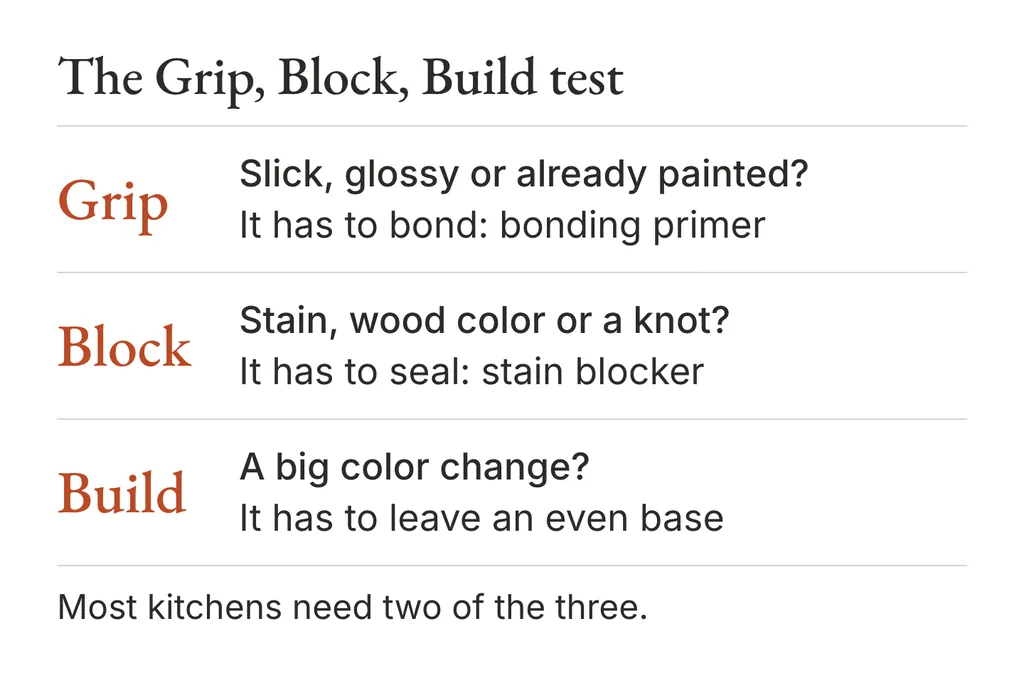
Roundups of the best primer for cabinets skip the deciding question: what does the primer have to do on your doors? We sort it into three jobs. It's our editorial framework, not a lab standard.
- Grip: is the surface slick, glossy or already painted? The bond comes first.
- Block: is there stain, red or yellow wood color, a knot or an old grease stain? The primer has to seal it.
- Build: is the color changing a lot? The primer has to leave an even, sandable base.
| What's on your cabinets | Jobs | Primer type to start with |
|---|---|---|
| Stained oak, going light | Grip, Block, Build | Stain blocker; oil-based if the test bleeds |
| Stained cherry or maple, going light | Grip, Block | Stain blocker |
| Painted before, paint still sound | Grip | Bonding primer |
| Laminate or thermofoil in good shape | Grip | Bonding primer made for slick surfaces |
| Knots or stubborn stains | Block | Shellac or oil-based on the spot, then prime the whole door |
It's a starting point built on the sources below, not a measurement, and the label has the last word. Each surface has its own guide: painting oak cabinets, painting cherry cabinets, repainting painted cabinets, painting laminate cabinets and painting MDF cabinets, where raw edges need sealing first.
The next problem: three ways a good cabinet primer still lets you down
It won't fill oak grain
Don't count on primer to flatten open grain. The Wood Handbook says the large vessels in woods like oak need to be filled to get a smooth surface, and it describes filler as its own paste or liquid, sanded before finishing. If you want oak to read as a flat painted door, ask about grain filling as a separate step.
A water-based primer can pull stain up while it's wet
The coatings paper explains an odd one: the water that carries a waterborne finish can itself draw color out of the wood, and the discoloration shows before the coat has dried. Oak is a common culprit: the paper lists it among woods high in tannins. If your primer turns pink or yellow as it goes on, the Wood Handbook is blunt: another coat of the same finish won't stop it. Stop, switch to a stronger stain blocker and prime again.
Every primer runs on a clock
Dry isn't ready, and ready doesn't last forever. Dunn-Edwards' data sheet for a waterborne stain-blocking primer lists two to four hours before recoating, overnight over water-sensitive stains, and a limit of 14 days before it must be topcoated. It also says not to apply it below 50 degrees, which rules out an unheated garage in a Wisconsin winter.
Read both labels: the primer's says what can go over it and when, and the paint's says which primer it wants underneath. Dry time and cure time are separate numbers.
Test one door before you prime the whole kitchen
Two small tests on the back of one door catch most primer mistakes while they're still easy to fix.
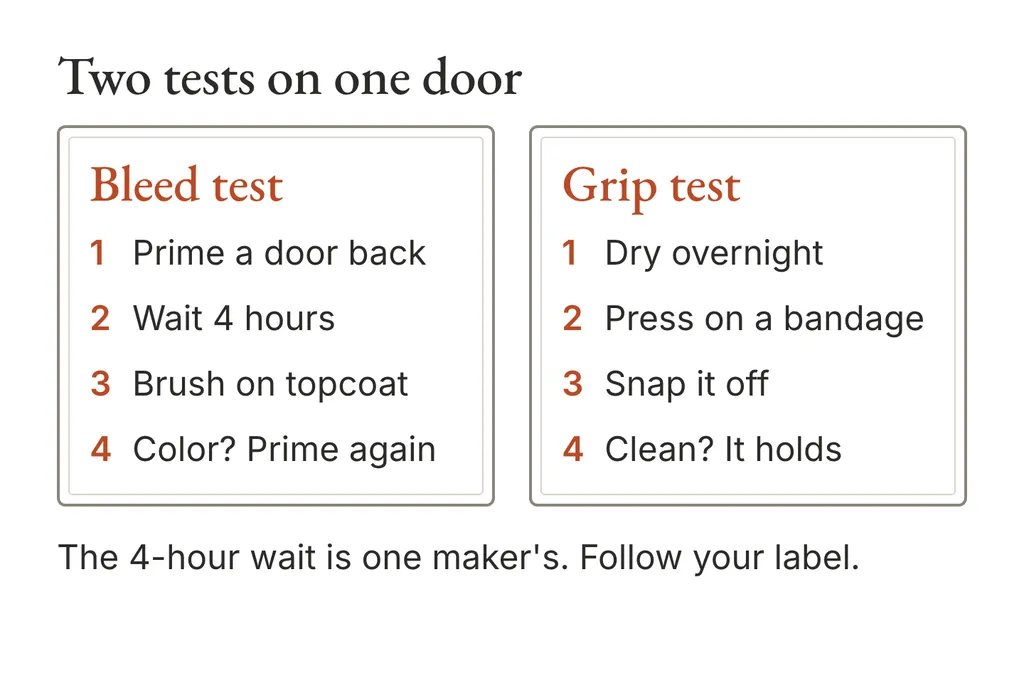
- Clean, degrease and scuff sand the back of one door, then prime it.
- Bleed test: after the primer's dry time, brush your topcoat over a small patch. The data sheet above says to wait four hours first.
- If color comes through, add a second coat of primer, let it dry overnight and test again.
- Grip test: once the primer has dried at least overnight, press an adhesive bandage on firmly and snap it off.
- A clean bandage means the primer is holding. Primer on the bandage means a poor bond, and early peeling is likely.
The grip test comes from the Wood Handbook, and our post on painting cabinets without sanding walks through it. One limit: a test door can't catch bleed that waits for a humid season, so the right primer is still the real protection.
Do painted cabinets peel?
Some do, and the cause sits under the paint. The Wood Handbook describes peeling between coats as new paint letting go of the old surface. It usually shows up within a year of repainting, the handbook says, and the prevention is a clean surface before any new coat goes on.
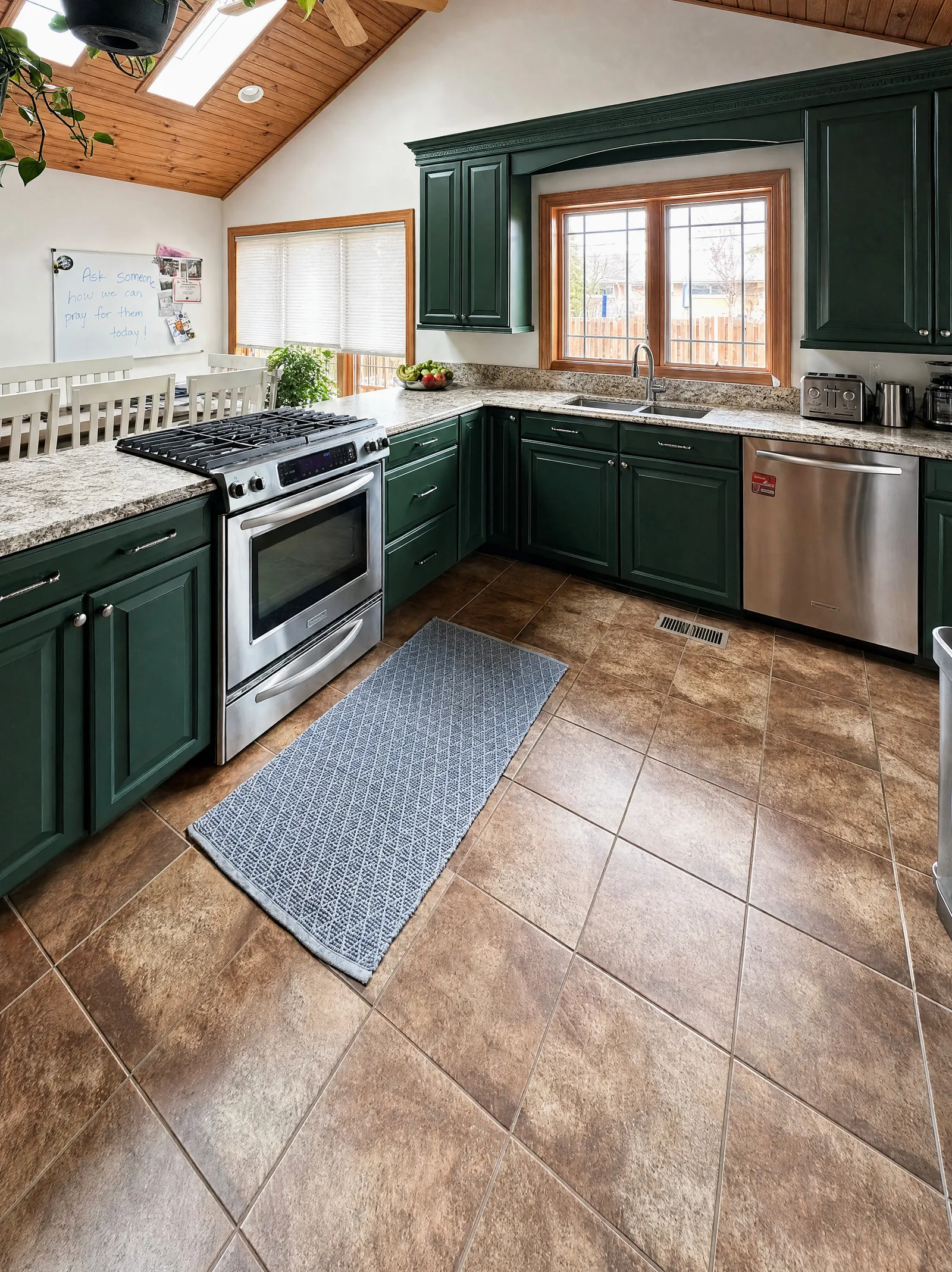
You'll hear that painted cabinets peel as a reason to buy new doors instead. The fair version is narrower: a finish put over grease or gloss, with the wrong primer or none, can peel. A door that was cleaned, sanded and primed for its surface starts with the bond the handbook describes. More in how durable painted cabinets are and refinishing vs refacing.
When to stop and call a professional
- Call 911 if anyone has serious trouble breathing while you're using a solvent-based primer.
- Stop and air out the room if fumes bring on a headache or dizziness.
- Stop sanding if your home was built before 1978 and you don't know what's in the old finish.
- Call a pro when bleed keeps coming back through primer, old paint lifts in the grip test, or you'd rather not lose your kitchen for weeks.
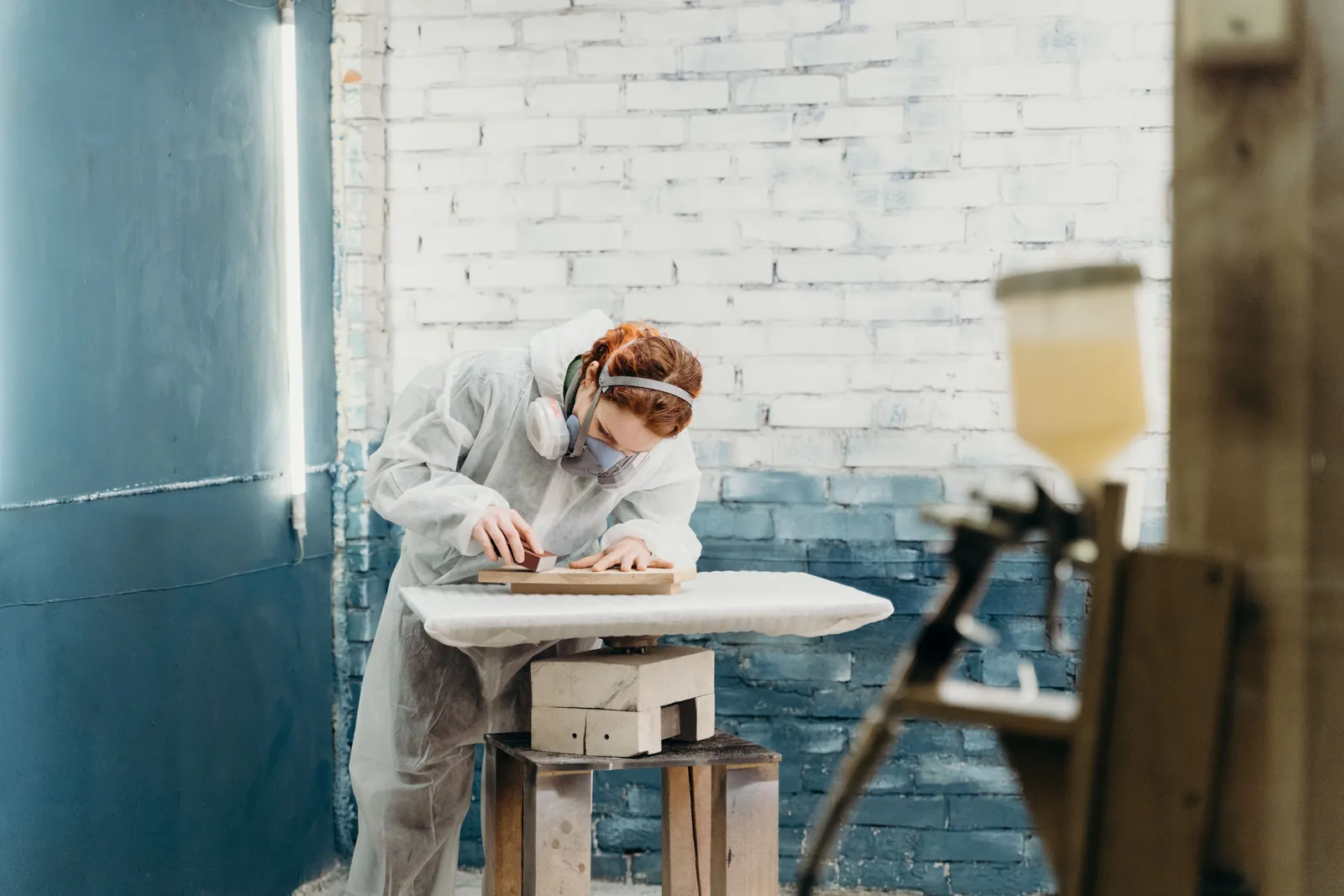
The third one matters in older Madison houses. EPA says about three quarters of U.S. homes built before 1978 still contain some lead-based paint, and that painting work in a home that has it can easily create dangerous lead dust. Tell any painter the age of the house and ask how they handle lead-safe work. See painting older Madison homes.
What to ask a cabinet painter about primer
Wisconsin's home improvement rule, ATCP 110.05, says a written contract has to describe the work and the principal products and materials to be used. So it's fair to ask for the primer to be named on the quote, not just the paint.
- Which primer type is going on, and which job is it there for?
- Is every surface cleaned, degreased and sanded first?
- What happens if stain bleeds through on the first door?
- How long between primer and color?
How we handle it at GK Painting
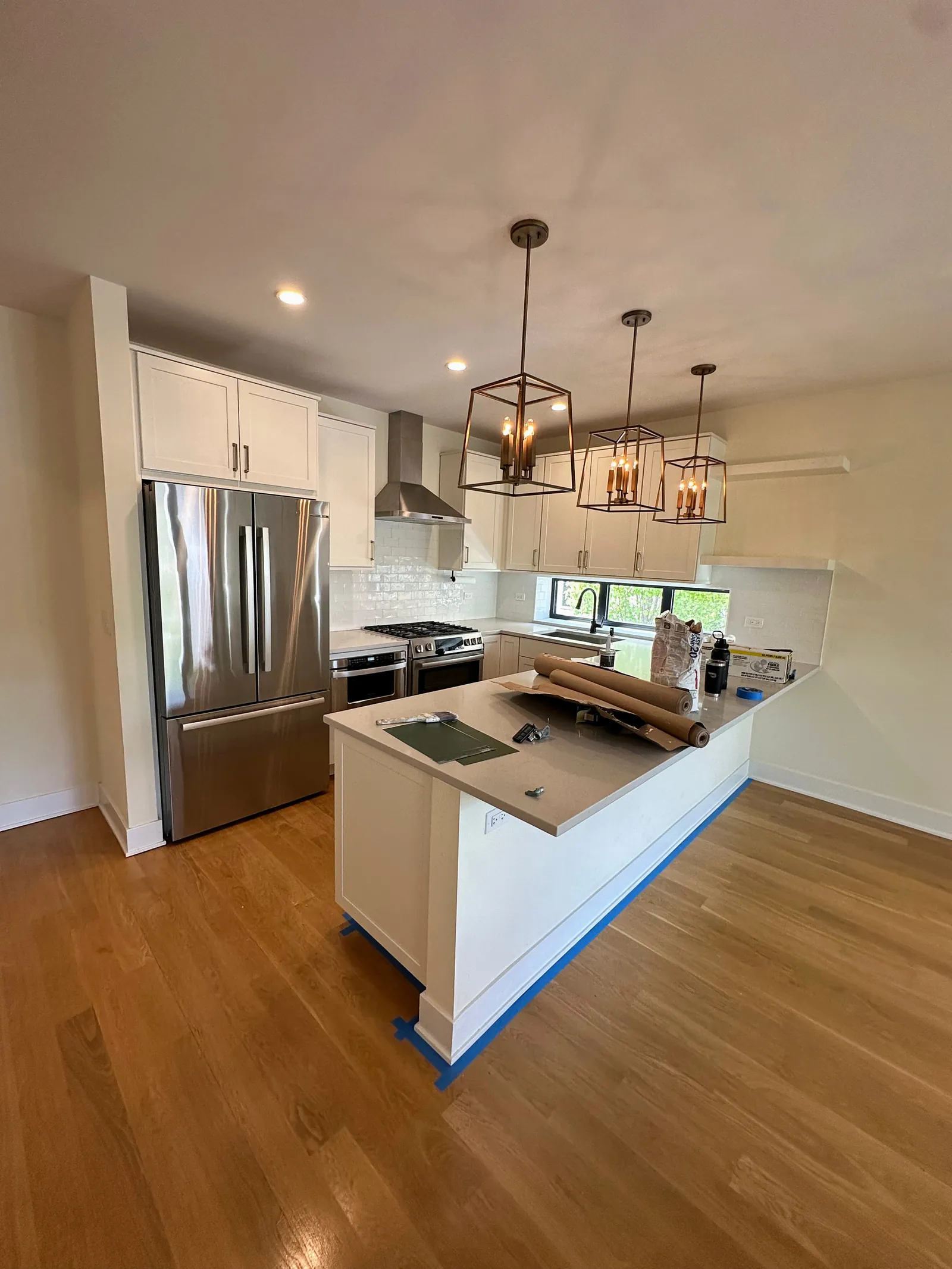
Every cabinet we refinish is cleaned and degreased, then sanded and primed, before any color goes on. Doors and drawer fronts come off, get labeled and are sprayed; the frames are finished in your kitchen. George is on every job himself.
Cabinet work is priced per cabinet with paint included. The written quote is the price, no extra charge if the job takes longer than expected. And if a problem comes from the quality of our work, like a finish that peels or didn't bond, tell us and we'll come back and make it right.
We're based in Waunakee and work across Madison and Dane County. Read about our cabinet refinishing service, see what a professional cabinet painting quote should list, or ask for a free estimate.
Common questions
What is the best primer for kitchen cabinets?
The type that fits the surface. Use a bonding primer over slick, glossy or already-painted cabinets, a stain-blocking primer over stained wood going to a light color, and an oil-based or shellac-based primer where knots or heavy stains bleed through. Check the paint's label too, since it names the primer it's made to go over.
Do I have to prime cabinets before painting them?
Yes. Primer is made to stick and paint is made to be hard, and the USDA's Wood Handbook says paint and primer in one isn't optimal at either job. Cabinet finishes are slick and often stained, so a separate primer is what gives the color coats a bond and keeps wood color out of them.
Is oil-based or water-based primer better for cabinets?
For blocking stain, oil-based has the longer record: coatings researchers found it best at stopping bleed, with waterborne stain blockers improving behind it. Water-based primers clean up with soap and water and stay more flexible as they age. Start with a waterborne stain blocker, test one door, and step up to oil if color shows.
What is the best primer for laminate cabinets?
A bonding primer made for slick surfaces. Laminate is a smooth, hard plastic layer, so paint put straight onto it won't hold and the primer carries the bond. Clean and degrease first, dull the shine lightly, and test one door. Laminate that's peeling, bubbling or swollen has to be fixed first, because paint can't repair it.
How many coats of primer do cabinets need?
Usually one even coat. Add a second when a bleed test shows stain coming through: one maker's data sheet says to apply a second coat, let it dry overnight and test again before the topcoat. More primer isn't better by itself. If the same primer keeps bleeding, switch to a stronger stain blocker instead.
How long should primer dry before painting cabinets?
As long as its label says, and the numbers vary by product. One waterborne stain-blocking primer lists two to four hours before recoating, overnight over water-sensitive stains, and a limit of 14 days before it must be topcoated. Temperature and humidity change dry times, so give primer extra time in a cool room.
Sources
- Wood Handbook: Wood as an Engineering Material (Chapter 16, Finishing Wood), USDA Forest Service, Forest Products Laboratory
- Extractive Bleed (Joint Coatings/Forest Products Committee, March 2010), CoatingsTech, American Coatings Association
- Interior/exterior stain-blocking primer, product data sheet, Dunn-Edwards
- Lead Renovation, Repair and Painting Program, U.S. Environmental Protection Agency
- ATCP 110.05, Home improvement contract requirements, Wisconsin Legislature
More on cabinet refinishing and every cabinets post.