
Painting tips and tricks that save the finish
The small habits that make a paint job look professional. Most of them cost nothing but a little patience.
13 posts on tips and tricks
 Tips and tricks
Cleaning painted walls without shiny spots or bare patches
Flat, satin or semi-gloss: how hard you can clean depends on the sheen. The gentle routine, the cleaners to skip and when a wall needs paint instead. Tips and tricks
Rolling paint without lap marks, streaks or ridges
Most roller marks are timing problems. Keep a wet edge, load the roller evenly, and finish every pass in the same direction. Tips and tricks
Cleaning paint brushes, and where the rinse water goes
Soap and water for latex, thinner for oil, and neither goes down a storm drain. Here's the routine, step by step. Tips and tricks
Cutting in paint: a steady line at the ceiling, trim and corners
A clean cut-in line comes from the right brush, a light load of paint and a braced hand. Here's the routine, step by step. Tips and tricks
Paint drips and runs: fix them wet, fix them dry
A wet drip takes ten seconds to fix. A dry one needs sanding and a thin recoat. Here's both, plus how to stop making them.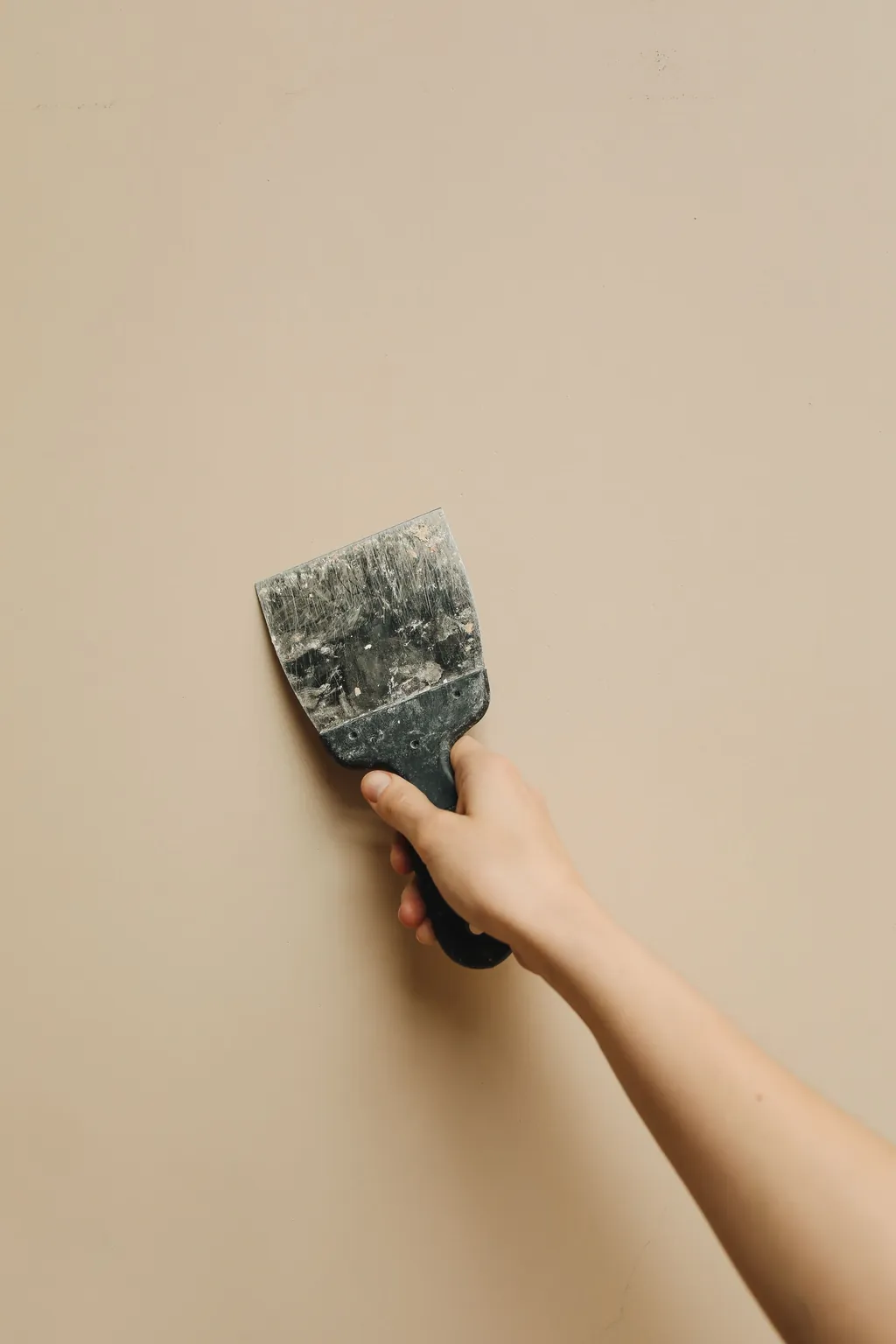 Tips and tricks
Peeling paint: find the cause, then repair it so it stays put
Paint that peels once will peel again unless you fix the reason. Here's how to read the chip, fix the cause and repair the surface.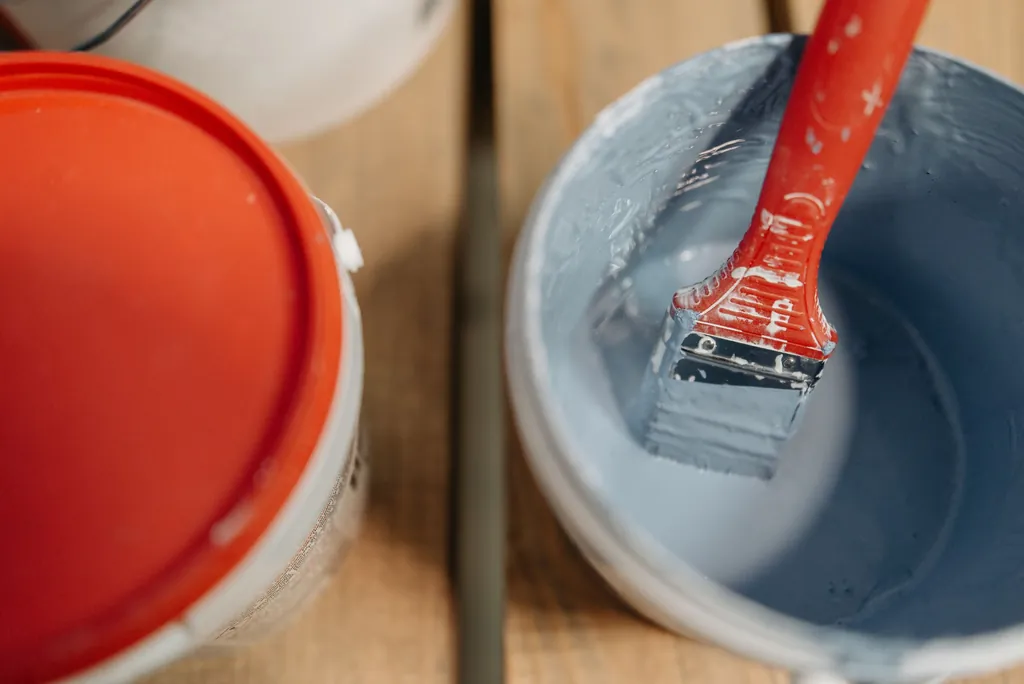 Tips and tricks
Storing leftover paint so it's still good for touch-ups
Leftover paint lasts for years if the lid is tight and the temperature stays steady. A Wisconsin garage in January is not that place.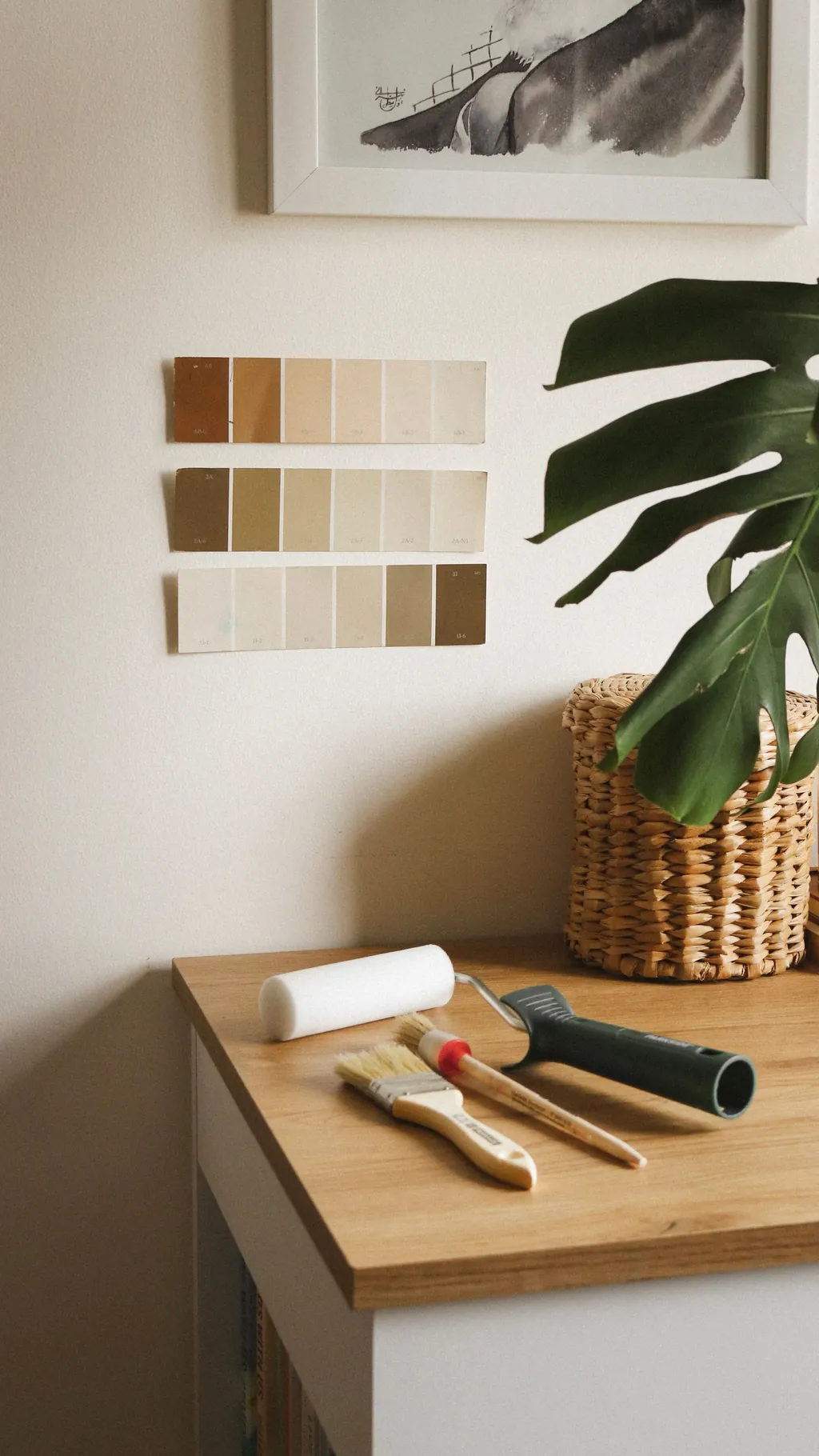 Tips and tricks
Testing paint colors on your own walls before you commit
A tiny swatch tells you very little. Big samples, on several walls, checked at different times of day, tell you what you'll live with.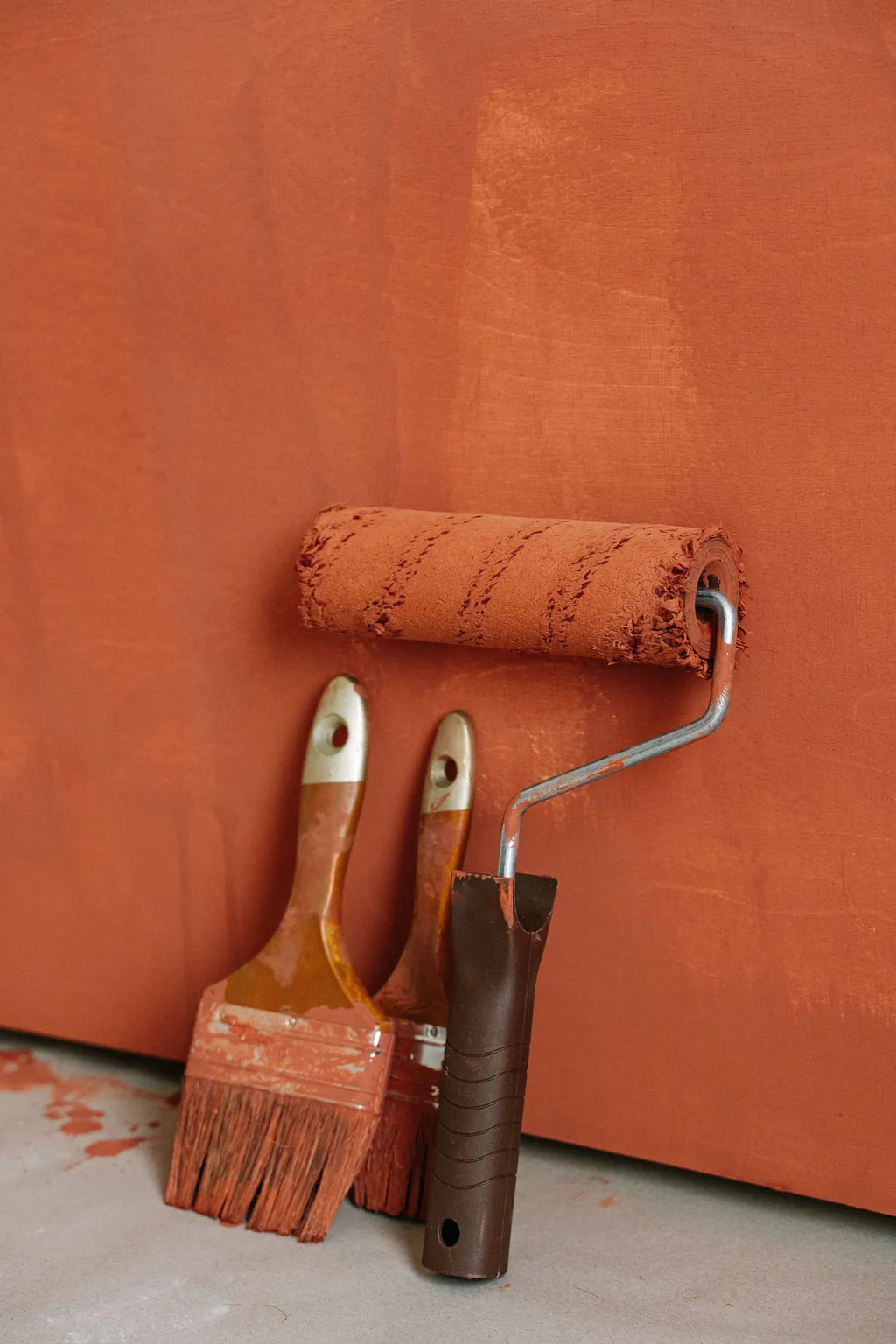 Tips and tricks
Touch-up paint that disappears instead of showing a patch
A touch-up that shows is usually a sheen or texture problem, not a color problem. Here's how to blend one in, and when to give up and repaint the wall.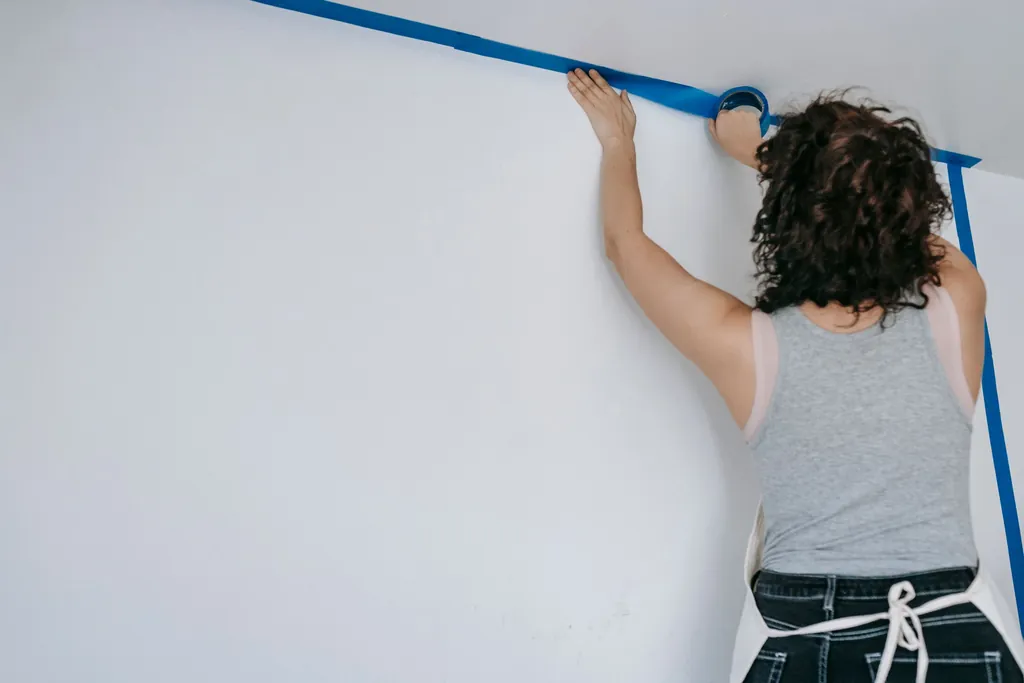 Tips and tricks
Painter's tape: when it earns its keep and when to pull it
Tape makes a sharp line when it's pressed down and pulled at the right moment, and a mess when it isn't. Here's how to get the first result. Tips and tricks
Choosing a paint finish, room by room
Pick the finish by what the room goes through: flat for ceilings, soft for bedrooms, tougher for kitchens, baths, hallways and trim.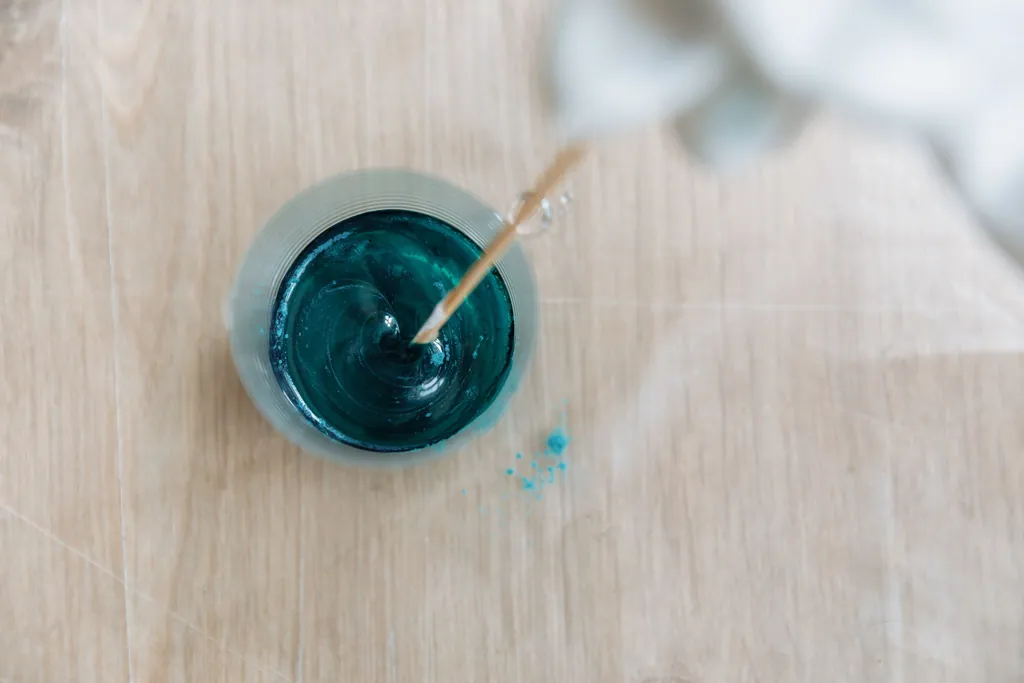 Tips and tricks
First-time painter? The habits that matter most
Most first-time mistakes come from rushing prep and loading too much paint. Here are the habits that keep a first room from going wrong.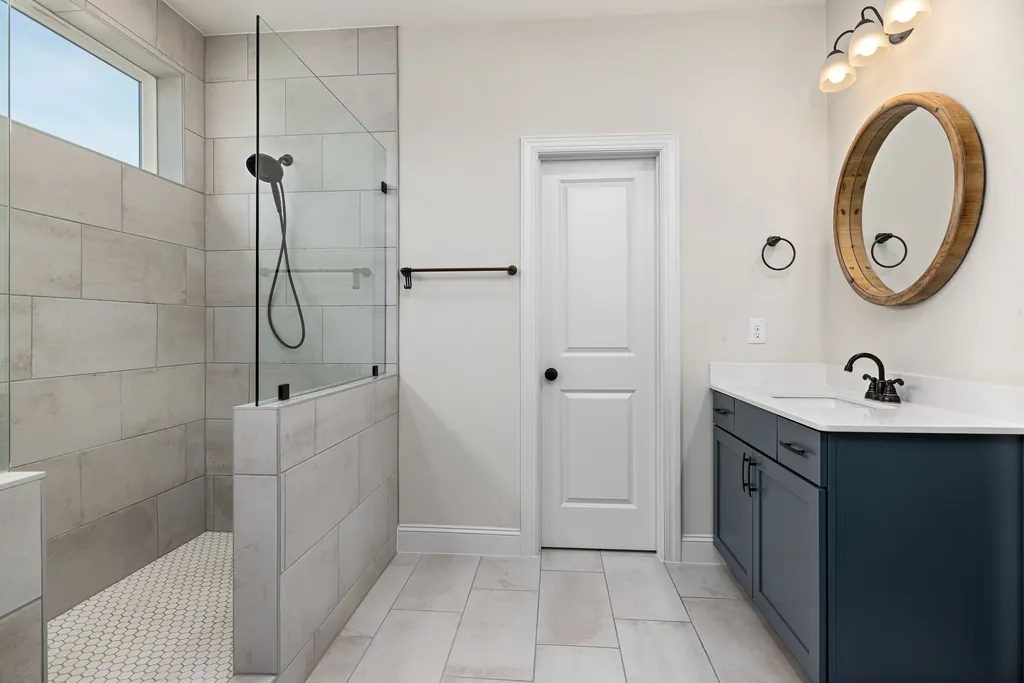 Tips and tricks
Choosing a roller nap for walls, ceilings and trim
A 3/8-inch nap suits most interior walls. Go shorter for smooth trim and doors, and longer for texture. Here's how to choose.
Quick answers
What is the best way to clean painted walls?
Gently, and in order. Dust the wall, wipe marks with a soft sponge and warm water, and use a little mild dish soap only if water doesn't work. Wash from the bottom up, rinse as you go and dry with a soft cloth. Test anything stronger on a hidden spot first. More in cleaning painted walls without shiny spots or bare patches
Why do I get roller marks even when I use good paint?
Usually it's technique, not paint. Rolling into paint that has already started to set, using a roller that is overloaded or dry, or letting sun and drafts dry the wall too fast will mark any paint. More in rolling paint without lap marks, streaks or ridges
Can I wash paint brushes in the kitchen sink?
For latex paint, Clemson Extension says it can go down a sink with minimal impact on the sewer system, but that it wastes a lot of water, and septic systems aren't designed for it. Never do it with oil-based paint or thinner. More in cleaning paint brushes, and where the rinse water goes
Do I cut in before or after I roll?
Cut in first, then roll, one wall at a time. That way the brushed band and the rolled paint are both still wet where they meet, which is what keeps the edge from showing later. More in cutting in paint: a steady line at the ceiling, trim and corners
Can I just paint over a dried paint drip?
Not if you want it to disappear. A second coat follows the shape of the drip, so a ridge still shows in angled light. Sand the drip flat first, then recoat the area. More in paint drips and runs: fix them wet, fix them dry
Why is my paint peeling off the wall in sheets?
Usually a weak bond or moisture. Dunn-Edwards says to look at the back of the peeled paint: stained means moisture, brittle means build-up, and dirty, chalky or glossy means the previous coat went over a poorly prepared surface. More in peeling paint: find the cause, then repair it so it stays put
Can I store paint in the garage in Wisconsin?
An unheated garage is risky because latex paint can gel when it freezes, and repeated freezing and thawing makes it worse. An attached garage that never freezes may be fine, but a heated indoor space such as a basement utility area is safer. More in storing leftover paint so it's still good for touch-ups
How big should a paint sample be?
Make it at least two feet by two feet. A patch that size lets you see the color as a section of wall rather than a swatch, and it's large enough to judge against the light and the room around it. More in testing paint colors on your own walls before you commit
Why does my touch-up paint look different from the rest of the wall?
Usually it's sheen, not color. A touch-up can come out glossier or flatter than the surrounding paint, especially when the wall had a different porosity, was applied a different way or was painted at a different temperature. Higher-sheen paints show the difference the most. More in touch-up paint that disappears instead of showing a patch
How long can painter's tape stay on?
As long as its label says. One blue tape's spec sheet lists clean removal for up to 14 days, and some tapes are rated longer, but others are rated for less. Read the label on your roll and take the tape off as soon as the paint no longer needs it. More in painter's tape: when it earns its keep and when to pull it
What paint finish is best for a bedroom?
Matte or eggshell. This Old House calls matte best for bedrooms and low-traffic areas, and both hide wall flaws well. If the room belongs to a child, eggshell or satin takes scrubbing better. More in choosing a paint finish, room by room
What is the most important tip for painting a room?
Prep. Clean the walls, fill and sand holes, and cover everything you don't want painted before you open a can. Paint adheres to what's under it, so a clean, sound surface decides how long the finish lasts. More in first-time painter? The habits that matter most
What is the best nap roller for smooth interior walls?
A 3/8-inch nap is the standard for most interior walls and ceilings. Use 1/4 inch if the wall is glass-smooth or you want the finest finish, which is also the right size for doors and trim. More in choosing a roller nap for walls, ceilings and trim
Tips and tricks: what to know
Most of what separates a clean paint job from a sloppy one happens around the painting itself: how the surface is prepared, how much paint is on the brush, whether the edge stays wet. These guides cover those small habits, and almost none of them cost more than patience. If you only read one, make it painting tips for beginners, which puts the order of work in one place.
Start before the can is open. Samples tell you far more than chips do, so test paint colors on large boards, on more than one wall, at different times of day and under your own lamps. Then pick the sheen with the room in mind. Our room-by-room finish guide explains why ceilings want flat paint and why hallways, kitchens and bathrooms want something tougher.
The right tools matter more than expensive ones. A roller cover with the wrong nap leaves a texture you can't unsee, so read up on what nap roller to use on walls before you buy. A 3/8-inch cover is the usual choice for walls, and shorter naps suit smooth trim and doors. A good angled brush and a cover that doesn't shed lint do most of the work for you.
Technique is mostly about keeping a wet edge. Cutting in well means loading the brush lightly and rolling the wall before the brushed band dries, and avoiding roller marks comes down to the same rule on a bigger scale. Tape is the helper for edges you don't trust a freehand line on, and using painter's tape correctly means sealing the edge and pulling it at the right moment.
Everyone makes mistakes, and most can be fixed if you catch them at the right stage. A wet run is a ten-second job with a brush, while a dry one needs sanding, as we explain in how to fix paint drips. Scuffs and nicks need a method too: our touch-up guide covers why a patch flashes and how to blend it in. And if paint is flaking off a wall, how to fix peeling paint starts with the question that matters most, which is why it's peeling.
Cleaning up is part of the job. Cleaning paint brushes properly keeps good tools working for years, and it covers where rinse water can and can't go. Labeling the can and storing leftover paint where it won't freeze means you'll have a match when the first scuff shows up. In Wisconsin, that rules out an unheated garage for much of the year.
Some jobs are quicker to hand off. We paint walls, ceilings, trim, doors and garages for homes and businesses as part of our interior painting, with floors and furniture covered first and small holes repaired. Most rooms take one to two days, and the price is based on the square footage of the space, with paint included. If you'd like a professional to look at a room before you decide, you can ask for a free estimate.
Find out what your project would cost
Send a few details. George will call to talk it through, visit if he needs to see the space, and send a free written quote.
Fully insured. George on every job. Thumbtack Top Pro 2023 to 2025.