Painter's tape: when it earns its keep and when to pull it
· 6 min read · By GK Painting & Remodeling
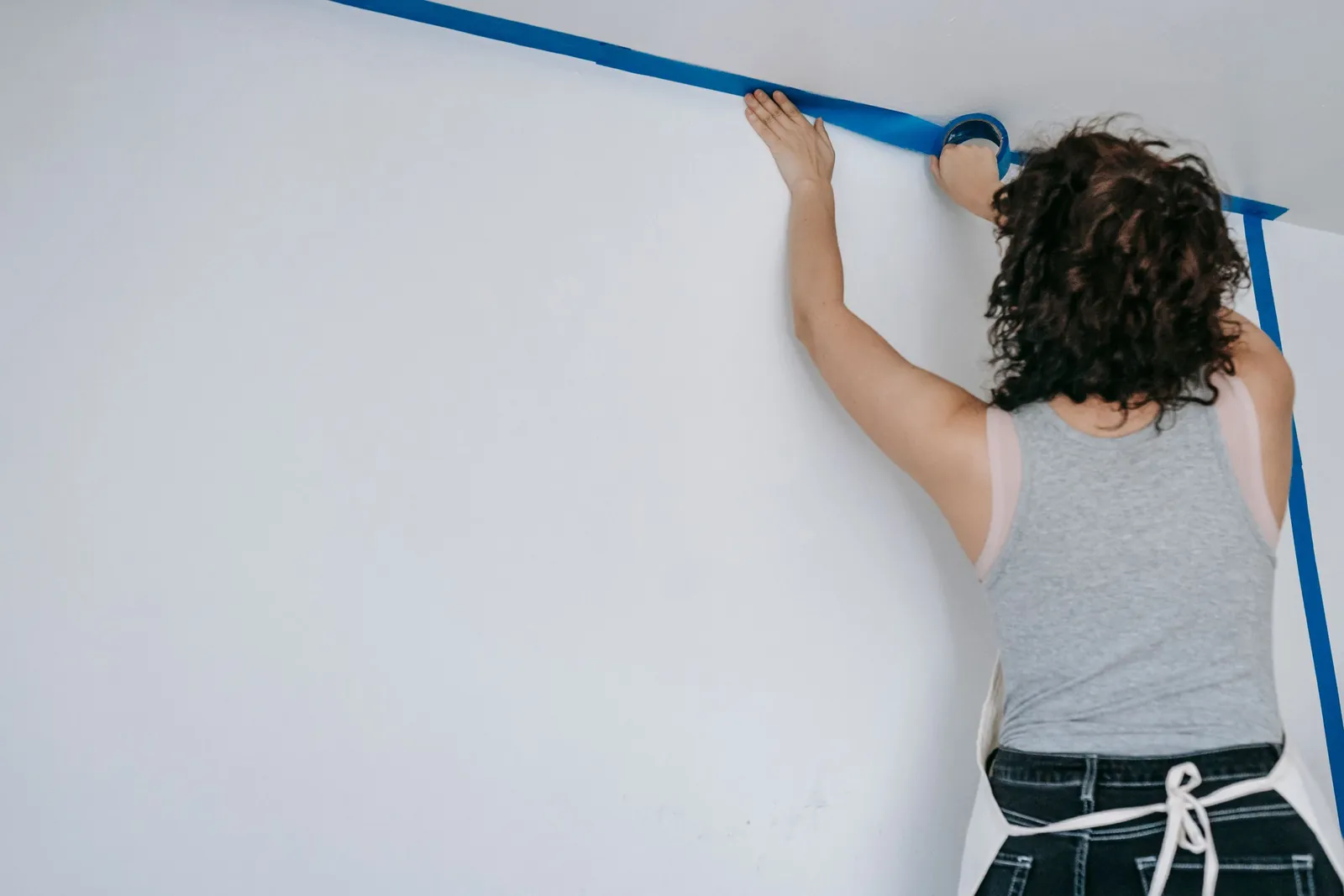
Painter's tape gives you a crisp line when the surface is clean and dry, the edge is pressed down tight and you pull the tape at a slow, low angle. It makes a mess when it goes over dusty walls, over fresh paint, or when it's left on until the paint has stiffened around it.
Here's how to apply it, the timing question that tape makers disagree about, and the places where we'd skip it. For a freehand alternative, see our guide to cutting in paint.
When tape helps and when it hurts
Tape is at its best where a slip is hard to fix: against glass, hardware and new glossy trim, along a stripe or a hard color change, and on the first room you ever paint. It trades a few minutes of masking for a lot of confidence.
It does the least good, and sometimes harm, in a few places. On heavily textured walls the paint creeps into the bumps under the tape. On flaking paint, or paint that never stuck well, it lifts the very layer you're trying to protect. And on a surface that hasn't cured, it can pull the new coat right off the wall. One tape maker's spec sheet says not to apply its tape to lacquer, wallpaper, unpainted wallboard or uncured coatings, and to test before you use it.
Pick the right tape
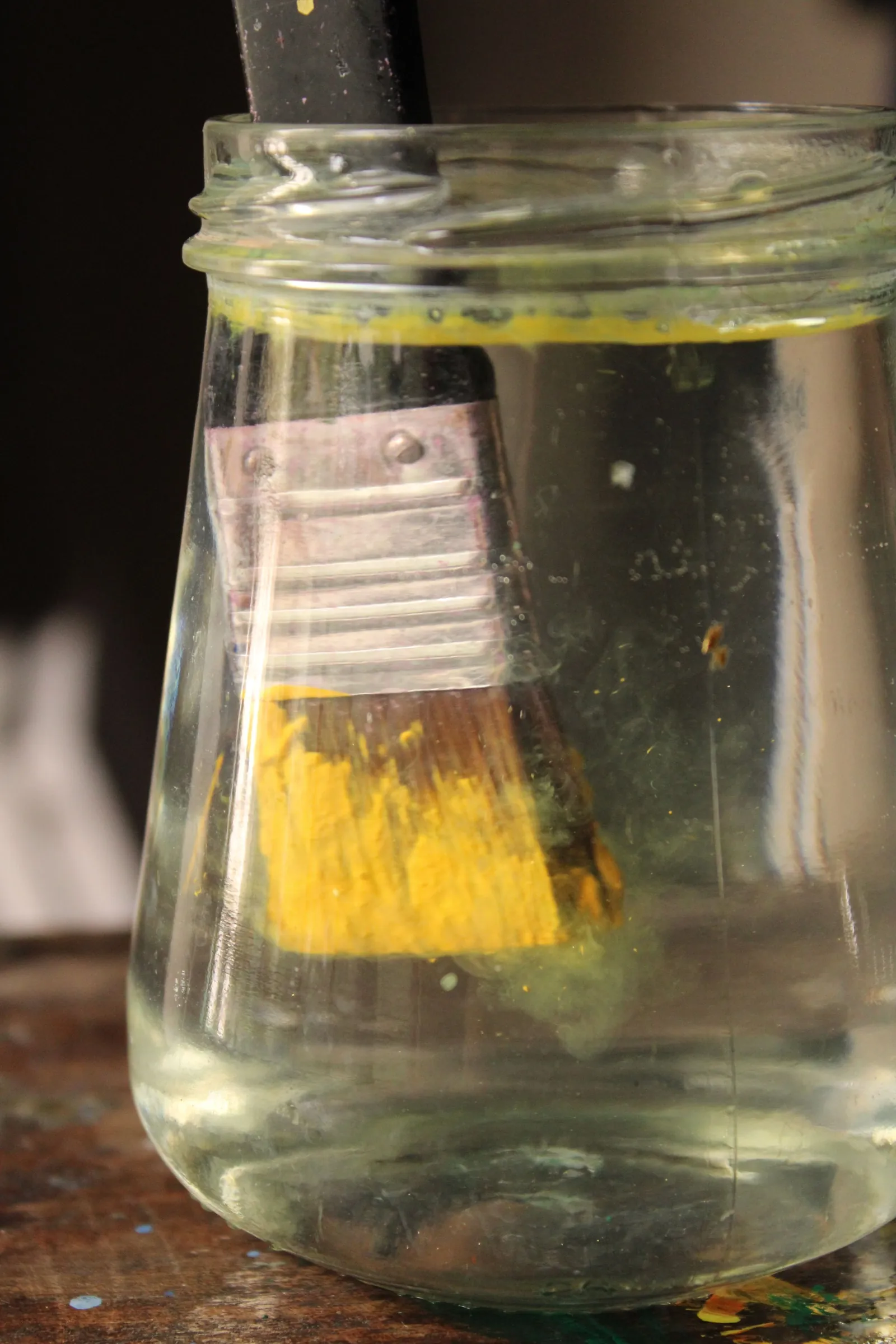
Painter's tape isn't the same as the beige masking tape in a junk drawer, which can grip a surface hard and leave residue. Painter's tape is made to come away cleanly, and the label tells you how long that stays true. The spec sheet we read for one blue tape lists clean removal for up to 14 days and says to remove it within that window. Other makers sell tapes rated for longer, and some sell lower-tack versions for delicate or recently painted surfaces.
Match the tape to the surface. A medium-tack blue tape is a sound default for walls and trim that were painted long ago. For recently painted or delicate surfaces, choose a low-tack tape made for them, and read the clean-removal time on the roll rather than assuming.
Prep the surface before you tape
Tape sticks to what's on the wall, not to the wall. FrogTape's instructions start with a clean, dust-free surface, and that's the step people skip. Dust, kitchen grease and soap residue all keep the edge from sealing, and paint seeps through every gap.
Wipe the edge you're taping with a damp cloth and let it dry. Fill or sand any chips along the trim line first. If you're repairing the wall, finish the repair and let it dry before you tape over it.
Applying tape so it seals
- Pull a length of tape and lay it along the line. FrogTape suggests experienced painters unroll a long section and keep the roll flat against the wall, while less experienced painters use shorter lengths so they don't stretch the tape.
- Place it straight along the line, and don't pull it tight. Stretched tape shrinks back and leaves a gap.
- Press down the edge that faces the paint with a firm plastic tool such as a putty knife or an old plastic card. FrogTape recommends this to close gaps and seal the edge.
- At corners, overlap the strips instead of bending one around.
- Cover anything the tape doesn't, like outlet covers and hinges, with strips or remove them.
On a textured wall or rough trim, some painters brush a thin first coat of the existing color along the tape edge. If any paint creeps under, it's the old color, and the new color goes on top once that dries.
Painting along the tape
Paint away from the tape or along it, rather than pushing the brush into the edge, and use light coats. A heavy, wet coat floods the edge and runs under, even when the tape sealed. Two thin coats look better than one thick one anyway.
Don't tape over paint that's only dry to the touch if you can help it. Dunn-Edwards says latex typically feels dry in one to two hours but takes 14 to 30 days to cure. Fresh paint is soft, and tape pulls on it. If you must tape over new paint, use a low-tack tape, wait as long as the schedule allows and test in a closet first.
When to pull the tape
This is where the instructions disagree, so here's what the makers say. FrogTape says to remove the tape while the paint is still wet, and says that gives the best results. The spec sheet we read from another tape maker says to remove it slowly before the paint dries. Bob Vila's guide says to wait until the paint is dry to the touch, and to check the can for its dry time.
The practical upshot: pulling while the paint is wet avoids tearing a dried film, as long as you're careful about drips. If you wait until the paint has dried, score the edge first. Run a sharp blade lightly along the tape's edge to break the film so it can't pull away in a strip. Bob Vila points out that tape left on longer lets the paint harden, which raises the chance of cracking along the line when you finally pull it.
Don't leave tape up for weeks. The 14-day window above is a maximum, not a target. For two-coat jobs, Bob Vila suggests leaving the tape up until the second coat is dry rather than retaping between coats, because lining it up again precisely is hard.
How to pull it off
- Start at a corner or the end of a strip and lift an inch or two.
- Pull the tape back on itself, slowly, at about 45 degrees. FrogTape's instructions describe exactly this, and say that if you hear ripping, you're pulling too fast.
- Work in short lengths and keep your hand close to the wall so you can see the line as it appears.
- If a strip of paint starts to lift, stop, score the edge with a blade and continue.
Bleed under the tape happens even to careful painters. Let the paint dry, then clean up the stray bit with a small brush and a tiny amount of the right color. Don't scrub at it while it's wet, because that spreads it into the grain.
Taping the usual trouble spots
- Baseboards: tape the top edge of the board if you're painting the wall, and use a shield or drop cloth for the floor side.
- Window glass: a strip along the edge of the glass, pressed firmly into the corner where glass meets the frame.
- Outlets and switches: remove the cover plates rather than taping around them, and tape over the device itself if the room has to stay powered.
- A fresh ceiling: wait until it has dried thoroughly before you tape against it, and use a low-tack tape.
- Hard color changes between two walls: tape the line, seal it with a thin coat of the old color, then paint the new color.
Where taping fits in a whole room
Tape is one tool among several. A good room job starts with protecting the floors and furniture, repairing small holes and wiping the walls, and then it uses tape where it saves time. If you'd like to see the order of work, our guide on how to paint a room covers it from the first drop cloth to the last coat, and the one on painting baseboards deals with the floor edge.
We handle the walls, ceilings, trim and doors in interior painting projects for homes across Madison and Dane County, from Verona to Sun Prairie. If you want a sharp line without spending your weekend on it, ask for a free estimate. A long level line across a wall is the hardest tape job of all; see painting two tone walls for marking and sealing it.
Common questions
How long can painter's tape stay on?
As long as its label says. One blue tape's spec sheet lists clean removal for up to 14 days, and some tapes are rated longer, but others are rated for less. Read the label on your roll and take the tape off as soon as the paint no longer needs it.
Should I remove painter's tape when the paint is wet or dry?
Tape makers differ. FrogTape recommends removing it while the paint is wet, while others say to wait until it's dry to the touch. If you wait, score the edge with a sharp blade first so the dry film doesn't tear.
Can I put painter's tape on freshly painted walls?
You can, but be careful. Latex paint is dry to the touch within hours but takes 14 to 30 days to cure fully, and tape can pull soft paint off. Use a low-tack tape made for delicate surfaces and test a small spot first.
Why did paint bleed under my tape?
Usually the edge didn't seal. Dust or grease on the surface, a textured wall, or a heavy wet coat will all let paint creep under. Press the edge down firmly with a putty knife or card, and use thin coats.
Is painter's tape better than cutting in freehand?
Neither is better everywhere. Tape helps on glass, new trim, stripes and a first-time job, while freehand cutting in is faster on ordinary walls once you've practiced. Our guide to cutting in paint covers the freehand technique.
Sources
- How to Apply and Remove FrogTape, FrogTape
- Painters' Grade Blue Tape spec sheet, Surface Shields
- When to Remove Painter's Tape, Bob Vila
- Dry Time versus Cure Time of Paint (technical bulletin), Dunn-Edwards
More on interior painting and every tips and tricks post.