Repainting a new build: when to do it and what to expect
· 5 min read · By GK Painting & Remodeling
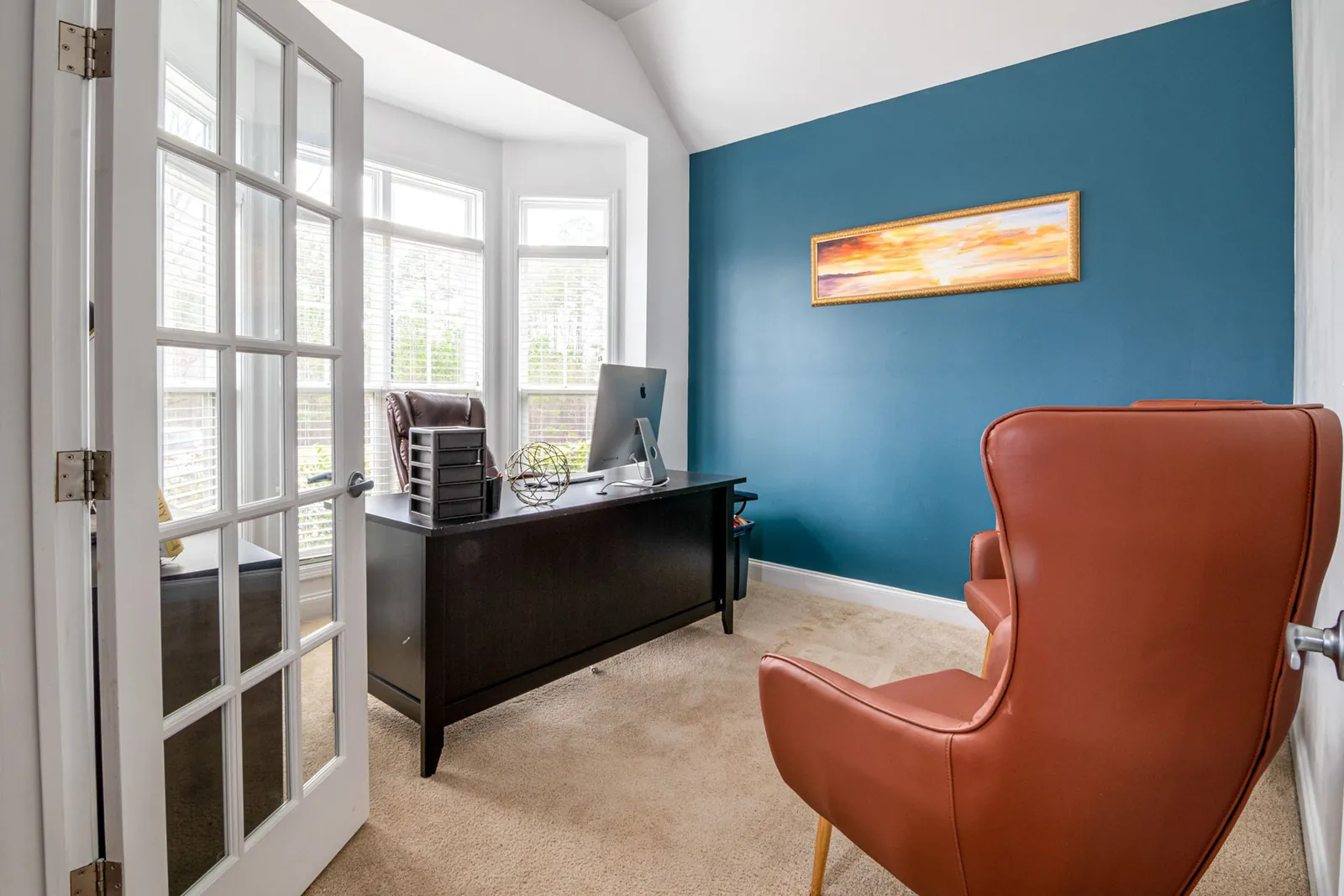
Builder-grade paint is the basic, economical paint a builder uses to get a new home ready to sell, and many owners repaint once they know the colors they want and the house has settled. A sensible plan is to wait through at least one heating season, so nail pops and small seam cracks have shown up, fix them, then paint.
Census Bureau estimates put about 57% of Verona's homes, 49% of Sun Prairie's and 44% of Fitchburg's at 2000 or later, so there are a lot of new builds around Dane County. Here is what builder-grade paint is, why the walls look worn so quickly, why new houses move, and how to plan the first repaint.
What builder-grade paint is
Builder-grade paint is chosen to keep costs down and the house on schedule, not to last. In many new homes that means a flat or matte finish in one neutral color throughout, with the same white on the ceilings. It isn't bad paint so much as the minimum that gets the walls covered.
The difference you'll notice is how it handles daily life. Flat paint tends to mark and burnish when you scrub it, and touch-ups tend to show up as patches. That is usually what drives the first repaint, along with the plain fact that the colors weren't your choice.
Where the newer homes are
The U.S. Census Bureau's American Community Survey estimates for 2020 to 2024 show how new these places are. They are survey estimates, so treat them as approximate.
| Town | Built 2000 or later | Median year built |
|---|---|---|
| Verona | 56.7% | 2002 |
| Sun Prairie | 49.1% | 1999 |
| Waunakee | 44.5% | 1998 |
| Fitchburg | 43.5% | 1996 |
| Madison | 28.8% | 1980 |
Madison, with its older housing, sits well behind the newer suburbs. If you're in Verona, Sun Prairie, Waunakee or Fitchburg, the odds are good that your walls are still wearing their original builder coat. If your house is older, our post on painting older Madison homes covers a very different set of problems.
Why new walls look worn so soon
- Scuffs in halls, stairwells and around switches, where hands and bags touch the wall.
- Marks that don't wash off, because flat paint absorbs stains and shines when rubbed.
- Touch-up patches that look different from the wall around them.
- A single color everywhere, so changing one room means repainting several.
- Ceilings and trim in the same basic white, even when the walls don't match it.
Our guides to touching up paint and paint sheens explain why touch-ups flash and how to choose a finish that wipes clean.
Why new houses move
A new house is built from wood that's still adjusting. The National Research Council of Canada explains that wood shrinks as it dries, and that lumber installed before it reaches equilibrium with the indoor air shrinks more once the house is closed up and heated. Winter humidity of 20 to 30 percent is common in houses, which pulls moisture from the framing.
That shrinkage has visible effects. As wood shrinks around a fastener, the head can rise above the surface and push through the joint compound, which is how a nail pop forms. The Council also describes wood trusses bowing upward in winter, which can open cracks between the ceiling and the partition walls below.
Why to wait before repainting
Because the house keeps moving through its first winters, a repaint right after move-in can freeze a wall that is about to get a nail pop. We'd rather you paint once and fix the pops first. A good rule of thumb is to wait through at least one heating season, then repaint.
If you can't wait, whether it's a color you can't live with or a nursery you need ready, go ahead. Just plan on touch-ups after the first winter. Tell us about any nail pops and cracks on the estimate call. George can tell you which repairs are part of prep and which, like major drywall work, need another trade first.
Choosing a finish that holds up
Most builder paint is flat, which hides flaws but marks easily. For a repaint, a slightly higher sheen on busy walls helps. Satin or eggshell suits hallways, kitchens and kids' rooms, flat or matte still works on ceilings, and semi-gloss belongs on trim and doors.
There is a trade-off. Dunn-Edwards says that higher-gloss coatings take longer to fully cure than lower-sheen ones, and latex paint takes 14 to 30 days to cure fully. Go easy on newly painted surfaces in the first few weeks, whatever the finish. See our guide to choosing paint finishes for each room for more.
Colors, open plans and garages
Moving off the builder neutral is half the fun of a repaint, but a new house has quirks. Many new homes have open floor plans, where one color flows from the kitchen through the living room to the stairs. Changing a wall there changes how everything around it looks, so test samples in more than one spot and in morning and evening light. Our guides to choosing paint colors for your home and testing paint colors walk through how.
Don't forget the rooms builders finish last. Garages can get the least attention of any room, and we paint garage walls and ceilings along with the rest of the house. See painting garage walls for what to consider. If you like one bold wall, our post on accent wall ideas shows how to keep the rest of an open plan calm.
Cabinets and trim in a new build
Builder-grade doesn't stop at the walls. Cabinets, doors and trim can get a basic finish too. We refinish stained, painted, laminate and unfinished cabinets, so a builder kitchen can be updated without replacing anything. Our guides to painting laminate cabinets and painting or replacing kitchen cabinets explain the choices, and our cabinet refinishing page lists what's included.
For doors and trim, see our guides to painting interior doors and painting baseboards.
Planning the first repaint
- Wait through a heating season if you can, and note every nail pop, crack and scuff along the way.
- Test large color samples in your own light before you choose.
- Pick a sheen for each room rather than one for the whole house.
- Call for an estimate. George visits if he needs to see the space, then sends a written quote with a start date.
- Plan for ventilation. The EPA recommends increasing ventilation when you use paint and other products that give off fumes.
When you call, have a few things ready: which rooms you want done, roughly how large they are, any ceilings or stairwells that are unusually tall, the year the house was built, and your list of nail pops, cracks and scuffs. Photos help too.
Interior painting is priced by the square footage of the space, paint included, and most rooms take one to two days. Floors and furniture are covered first and small holes are repaired. The written quote is the price, no extra charge if the job takes longer than expected. See our interior painting page for the full list, or ask for a free estimate. We offer interior painting in Verona and across the other towns on our list.
Common questions
What is builder-grade paint?
It's the basic, economical paint a builder chooses to finish a new home on budget and on schedule. In many new homes it's flat or matte, in one neutral color throughout.
How soon can I repaint a new build?
You can repaint right away if you need to, but waiting through a heating season is wise. Wood framing dries and shrinks in the first winters, and nail pops and small cracks tend to show up as it does.
Why do I have nail pops in my new house?
Lumber shrinks as it dries, and when it shrinks around a fastener, the head can rise and push through the joint compound. The National Research Council of Canada describes this as a common effect of wood shrinkage, and ceilings can show it around their edges.
Is flat paint a bad choice for a new home?
Flat paint hides wall flaws and works well on ceilings, but it marks easily and doesn't wipe clean. A satin or eggshell finish on busy walls usually holds up better.
Do you paint in Verona, Sun Prairie and Fitchburg?
Yes. Verona, Sun Prairie and Fitchburg are all part of our service area. We're based in Waunakee and work across Madison and Dane County.
Sources
- CBD-244. Effects of Wood Shrinkage in Buildings, National Research Council of Canada
- Dry Time versus Cure Time of Paint (technical bulletin), Dunn-Edwards
- Volatile Organic Compounds' Impact on Indoor Air Quality, U.S. Environmental Protection Agency
More on interior painting and every madison living post.